REVIEW · ROME
Explore Christian Rome and the Underground of San Clemente
Book on GetYourGuide →Operated by Welcome Italy by Spare Tour S.r.l. · Bookable on GetYourGuide
Christian Rome hits differently when you start under the churches. This 3-hour, small-group walk connects the big-name basilicas with their hidden layers, especially at San Clemente’s underground and the story-filled stops tied to early Christianity. I like that the route stays focused on what to notice, not just what to look at, and it has just enough structure to make the timeline feel clear.
Two standouts for me are the underground levels at Basilica di San Clemente al Laterano and Michelangelo’s Moses in San Pietro in Vincoli. One possible drawback: you’ll need to dress for basilica rules, which means no shorts, no miniskirts, and no uncovered shoulders, even if the weather is hot.
In This Review
- Key highlights worth prioritizing
- Walking the Lateran: where Rome’s church story gets its start
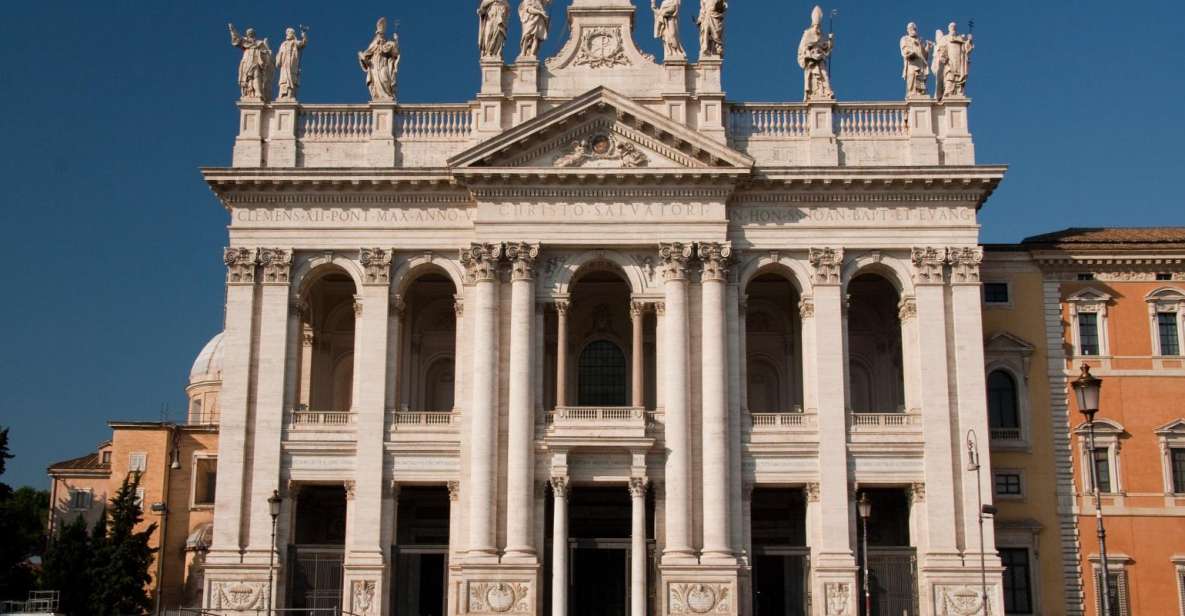
- St. John Lateran Basilica: the “Church of Rome” stop that sets the frame
- San Clemente al Laterano: the underground you’ll remember long after
- Santi Quattro Coronati: the fast stop with big visual surprises
- Holy Stairs in the Lateran area: faith, tradition, and a memorable experience
- San Pietro in Vincoli: Michelangelo’s Moses is the art you came for
- What the included access and guide time really buys you
- Practical tips so your basilica time goes smoothly
- Who this tour is best for (and who should skip it)
- Should you book Christian Rome and the Underground of San Clemente?
- FAQ
- How long is the tour?
- How much does it cost?
- Where does the tour start?
- Where does the tour end?
- Which parts of the Christian sites are included?
- Are basilica entrance tickets included?
- What languages are available for the live guide?
- Do I need to buy tickets in advance?
- What should I wear?
- Is the tour accessible for wheelchair users or people with mobility impairments?
- Does the tour run in bad weather?
Key highlights worth prioritizing
- San Clemente on three levels: Rome’s layers of time, from ancient material to medieval worship spaces
- Mithras altar in the underground: a rare encounter with pre-Christian Rome inside a Christian site
- Santi Quattro Coronati fresco discoveries: zodiac and seasons themes that pop in the middle of a church visit
- Scala Santa at the Lateran area: you’re guided through the idea and significance of the Holy Stairs
- Michelangelo’s Moses in San Pietro in Vincoli: the sculpture is the payoff if you love major art moments
- Small-group, timed pacing: enough walking to feel like a tour, not so much that you’re racing
Walking the Lateran: where Rome’s church story gets its start
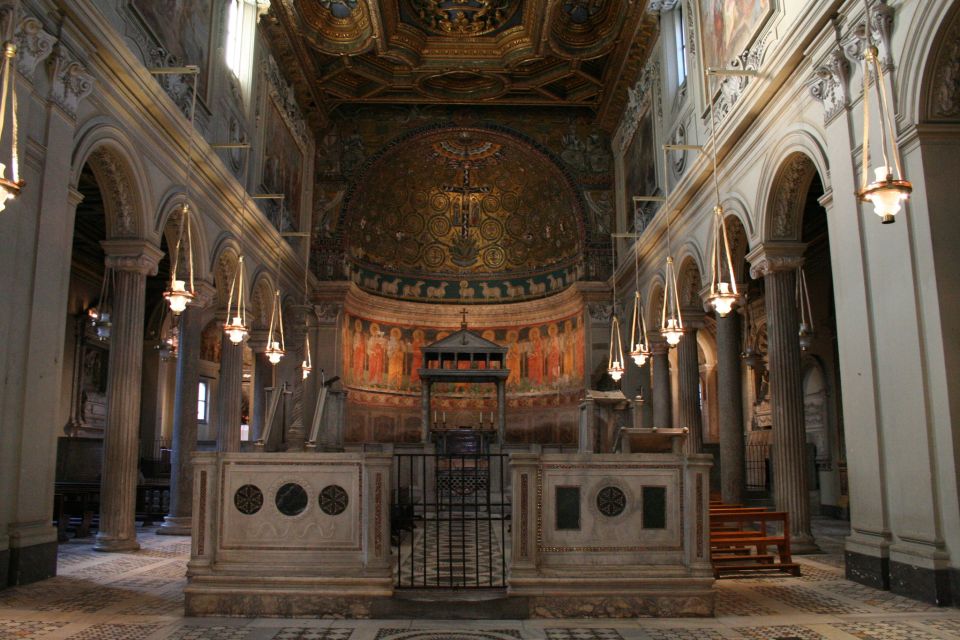
Most Rome tours focus on the famous skyline. This one starts closer to the political and religious heartbeat of the city: the Lateran area. The meeting point is at Laterano Caffè, and the guide waits right in front of the coffee bar so you don’t waste time figuring things out. If you’re staying in the city center inside the Aurelian Walls, you may also have a pickup option, which helps if you’d rather not navigate every transfer on your own.
The big idea here is that you’re not only visiting churches. You’re walking through a Christian timeline that’s tied to Rome’s power structure—emperors, popes, relic culture, and the way sacred spaces get rebuilt again and again. That theme matters because it explains why Rome is so layered: the most important sites often live on top of older ones, and the underground is where the logic becomes visible.
You’ll also get practical help early on. The guide sets expectations for what’s allowed and what to look for, and that makes your basilica time feel smoother once you arrive.
You can also read our reviews of more tours and experiences in Rome.



St. John Lateran Basilica: the “Church of Rome” stop that sets the frame
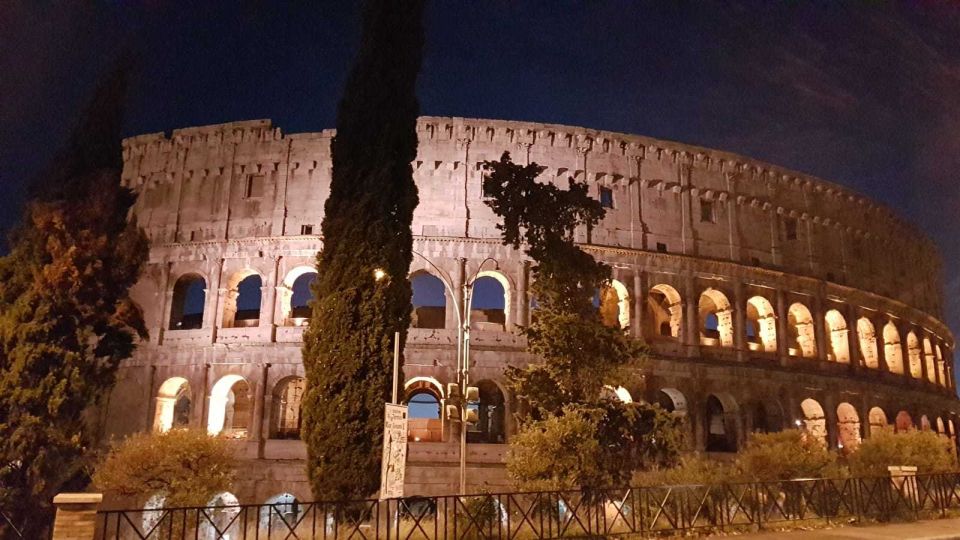
The first major site is Basilica di San Giovanni in Laterano. You’ll have a photo stop, then guided time inside, plus a short walk. This basilica isn’t just another big church on the map. It’s described as the oldest of the four Papal Basilicas and treated as the church of Rome in a “mother of all churches” sense—so it works as your orientation point before you go underground.
What I like about this stop is how it changes your listening for the rest of the tour. When you understand the Lateran as the seat of the bishop, you start to notice how later sites connect to authority, tradition, and the way Christianity spread its message and symbols through physical spaces. Even if you’re not a church-history person, this is where the tour gives you the mental framework to follow the stories without getting lost.
A quick practical note: basilicas are strict about dress. You’ll want covered shoulders and clothing that reads as respectful even in warm weather. If you’re traveling in summer, pack a light layer you can roll up in your day bag.
San Clemente al Laterano: the underground you’ll remember long after
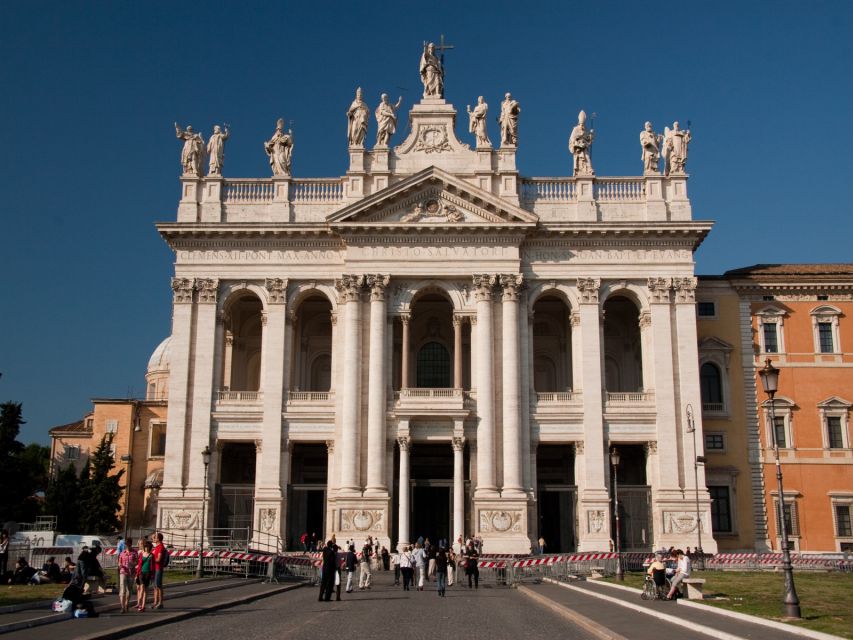
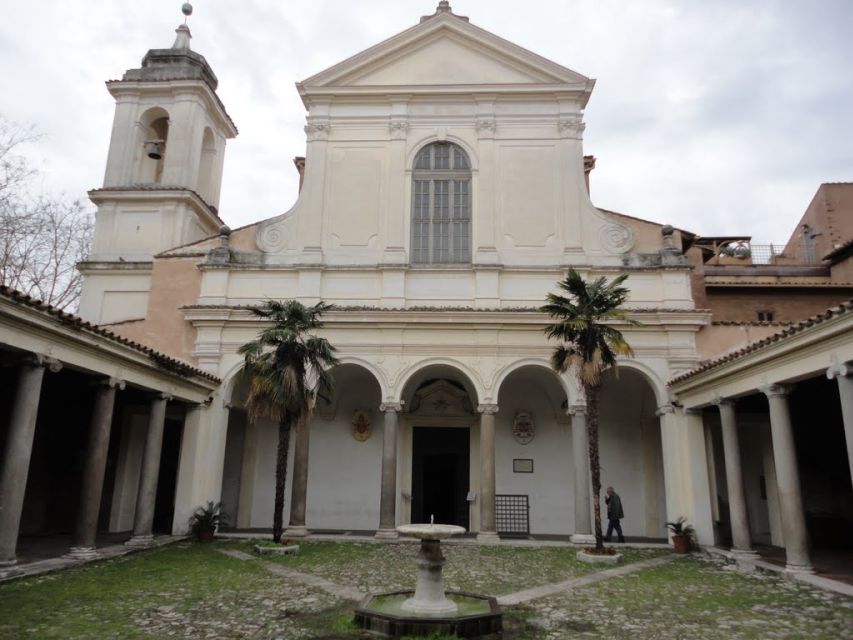
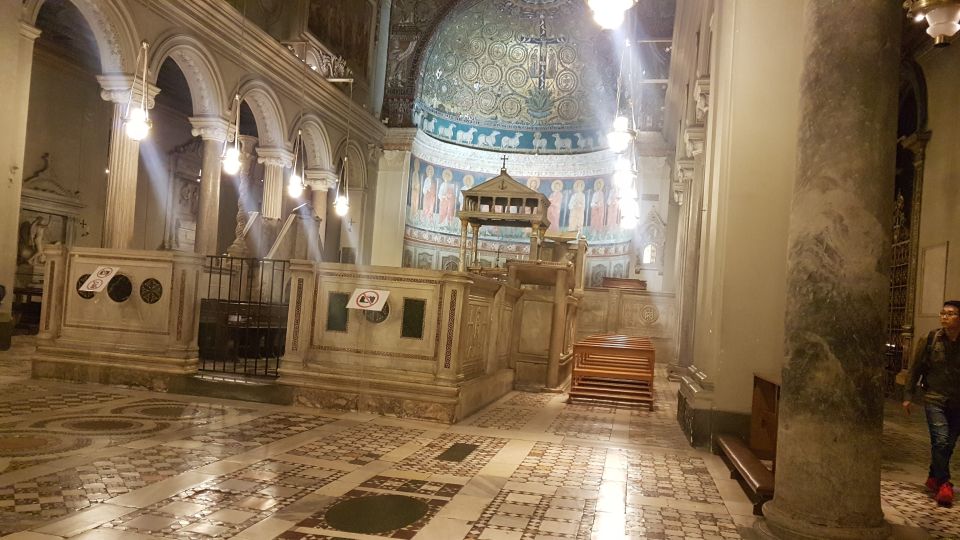
San Clemente al Laterano is the reason many people pick this tour. The visit here includes an underground exploration, and it’s timed as the longest stop on the schedule. You also get a short photo stop and guided time on the surface before heading down.
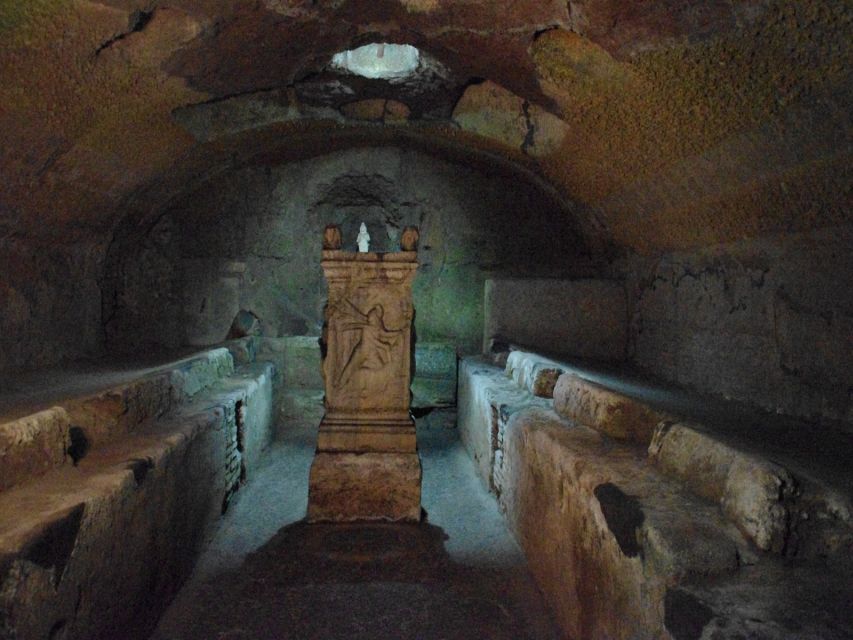
This is the kind of site where Rome’s “layers” stop being an abstract travel phrase and become a real thing you can point to. The basilica is built on three different levels, spanning from the 1st century into later centuries. In the underground area, you’ll see the altar of Mithras from the 1st century—one of the striking moments where pre-Christian Rome doesn’t get erased; it gets absorbed into the geography of later sacred life.
Why that matters: it gives you context for how Rome’s religious landscape changed. Instead of imagining a clean break from pagan to Christian, you see continuity in materials, reuse in construction, and the way sacred spaces shift meaning over time. It’s a reminder that history in Rome is rarely tidy.
There’s also a simple travel benefit: San Clemente feels less crowded than some headline attractions, but it still feels important. You’re not just collecting stamps. You’re building a story with a beginning, a middle, and a payoff.
If you love archaeology, this stop will feel especially rewarding. In at least a couple of guiding styles tied to this experience, I’ve heard praise for archaeologist-led interpretations—so if you get that kind of guide, you’ll likely get clearer explanations of what you’re seeing down in those underground rooms.
Santi Quattro Coronati: the fast stop with big visual surprises
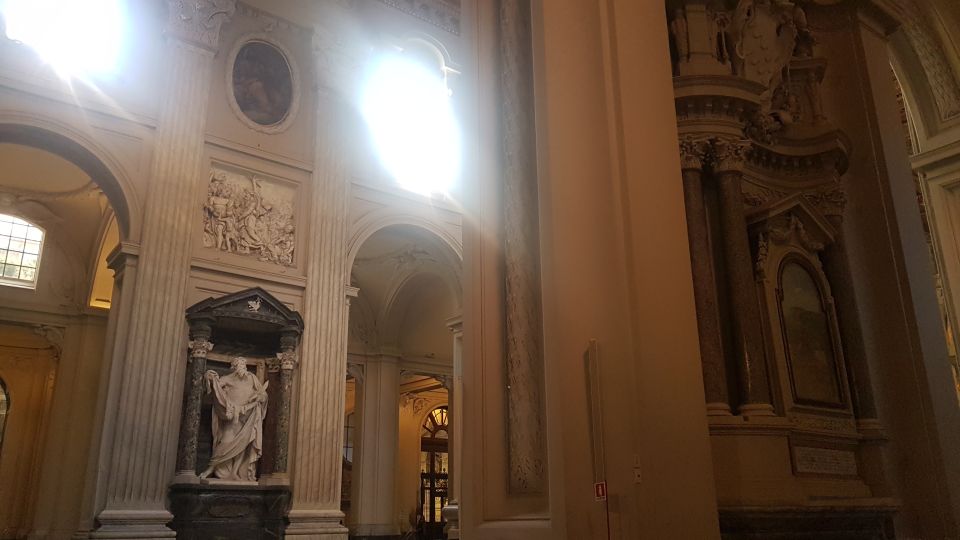
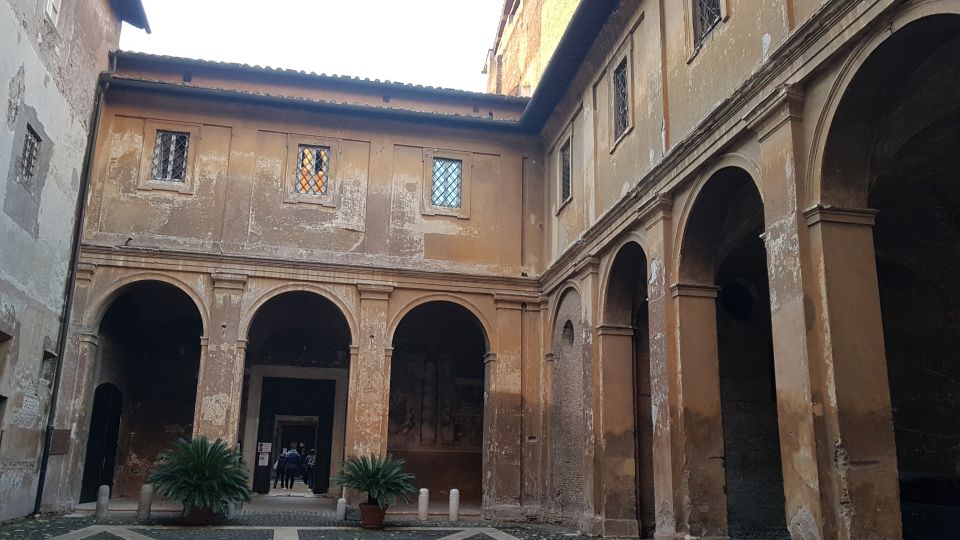
After San Clemente, the tour moves to Santi Quattro Coronati. The walk here is shorter, and the stop itself is brief, but it’s not a “quick glance and move on” kind of moment.
This church is dedicated to four anonymous saints and martyrs. That anonymous quality makes it feel different from saints with famous backstories. And the real draw here is what was found relatively recently: in 2002, an extraordinary series of frescoes was discovered inside, with scenes connected to the Zodiac, the Four Seasons, Liberal Arts, and King Solomon.
Even with limited time, you can get a lot out of this stop because the guide can point out how those themes fit into Christian and intellectual culture at the time. You’ll walk away knowing that medieval churches weren’t only about devotion. They were also about learning, symbolism, and a worldview.
The only consideration is timing. If you’re the type who hates “one room only” visits, this will feel quick. But for most people, the pacing keeps the afternoon from becoming a blur.
Holy Stairs in the Lateran area: faith, tradition, and a memorable experience
The itinerary includes the Holy Stairs in the Sanctuary near St. John in Lateran. This is the place people often recognize, but your experience depends heavily on how it’s explained.
What you’ll get from a guided format is not just the idea that the stairs are significant, but the tradition around why people care. The stairs are presented as part of the broader Lateran story, so they don’t feel like a random add-on. They land as a moment where physical action connects to spiritual meaning, which is a big theme throughout Christian Rome.
Keep your expectations realistic here: you’ll be participating in a tradition that may involve time at the site, and it’s not the kind of place where you can casually wander at your own pace. The guide’s pacing helps. And since the tour operates rain or shine, you’ll want footwear that handles slick surfaces.
If you’re sensitive to crowds or want quiet contemplation, this stop might feel busy at peak times. Still, with a guide steering the flow, you can usually make the moment feel intentional.





San Pietro in Vincoli: Michelangelo’s Moses is the art you came for
The final stop is Basilica of San Pietro in Vincoli. The tour finishes right here, which is convenient because you’re ending at a site with real staying power even after your 3-hour tour window.
This basilica gets its name from the chains associated with Saint Peter. Tradition connects the chains to Helena, Constantine’s mother, and there’s also a tradition about a miracle involving another chain in Rome. That story alone ties the basilica into the early imperial shift—how Christianity went from persecuted belief to established faith tied to rulers.
But the reason many people light up as soon as they arrive is art: Michelangelo’s Moses, created for the tomb of Pope Julius II. This is presented as Michelangelo’s most important work, and it’s hard not to see why. Even if you don’t consider yourself an art buff, you’ll likely notice the sculptural drama—the intensity in the pose and the feeling that the figure is caught mid-thought.
Why I think this is a strong ending: the tour moves from underground archaeology and fresco iconography to a major art masterpiece. It gives you closure in a way that a “finish at the next church” format rarely does.
What the included access and guide time really buys you
On paper, the price is $167.66 per person. In practice, the value comes from three things you can feel during the walk:
1) A professional guide for 3 hours
You’re not just roaming. You have someone translating Christian and Roman layers into a sequence you can actually remember.
2) San Clemente entrance tickets included
This is the stop where access matters. Having it covered saves time and reduces hassle, especially in a site that people often want to visit at a specific point in their itinerary.
3) Key interior time at multiple sites
The tour includes a visit to St. John Lateran Cathedral and the visit to the Moses sculpture. That’s not trivial. Rome’s best moments are often inside, not outside.
Also, the tour includes skipping the ticket line where noted, which is meaningful on a short schedule. Three hours goes fast, and you want those minutes spent seeing instead of waiting.
Language options are Spanish, English, and French, so you should be able to choose a guide who can meet you where you are.
Practical tips so your basilica time goes smoothly
The tour’s biggest “gotcha” is clothing. You’re not permitted to wear shorts or miniskirts or have uncovered shoulders to enter the basilicas. That can be annoying if you’re already dressed for summer sightseeing. Plan for it.
Bring:
- Comfortable shoes for walking and for potentially slick steps underground
- Sunglasses for bright streets (you’ll appreciate them during transfers)
- A camera if you like details—this itinerary has plenty of visual story moments
Don’t bring:
- Luggage or large bags. Keep it light and easy to move.
Also note the tour operates rain or shine. Rome weather can switch quickly, so I’d pack a compact rain layer and expect some wet pavement.
Who this tour is best for (and who should skip it)
You’ll likely love this if you want Christian Rome with a focus on the parts most people pass over: underground levels, fresco surprises, and the chain-and-sculpture conclusion. It’s also a good pick if you like structured storytelling—this tour uses guided time to keep the sequence understandable.
It may be less ideal if you have mobility concerns. The tour is not suitable for people with mobility impairments and not suitable for wheelchair users. Also, the walking pace and repeated entries into churches means you’ll want flexibility with your legs and stairs.
Should you book Christian Rome and the Underground of San Clemente?
Book it if you want the best mix of sacred landmarks and “how did this happen” context, especially the three-level San Clemente underground and the big art moment at San Pietro in Vincoli. The guide time is the real engine here, and the itinerary is short enough that you’ll leave with a clear story, not just a list of buildings.
Skip it only if you strongly prefer free-roaming sightseeing with no dress rules, no guided pacing, and lots of time linger-inside. If you can handle basilica clothing requirements and you don’t mind a focused 3-hour format, this is a smart use of an afternoon.
FAQ
How long is the tour?
The tour duration is 3 hours.
How much does it cost?
The price listed is $167.66 per person.
Where does the tour start?
It starts at Laterano Caffè, with the guide waiting in front of the coffee bar.
Where does the tour end?
The tour ends at Basilica of San Pietro in Vincoli.
Which parts of the Christian sites are included?
You’ll visit St. John Lateran Basilica, the underground of Basilica di San Clemente, Santi Quattro Coronati, and San Pietro in Vincoli to see the Moses sculpture.
Are basilica entrance tickets included?
Yes. Basilica San Clemente entrance tickets are included.
What languages are available for the live guide?
The live tour guide is available in Spanish, English, and French.
Do I need to buy tickets in advance?
The tour includes skip-the-ticket-line access where noted, and San Clemente tickets are included.
What should I wear?
You’re not permitted to enter the basilicas with shorts, miniskirts, or uncovered shoulders.
Is the tour accessible for wheelchair users or people with mobility impairments?
No. The tour is not suitable for people with mobility impairments and not suitable for wheelchair users.
Does the tour run in bad weather?
The tour operates rain or shine.