REVIEW · ROME
Enjoy Spritz and Pasta Making in Piazza Navona
Book on Viator →Operated by Eat and Walk Italy · Bookable on Viator
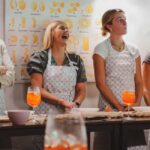
Fresh pasta and Spritz beat museum fatigue. This hands-on class near Piazza Navona turns sightseeing breaks into something you can taste. You’ll start with a quick Spritz tutorial, then learn to make pasta dough and shape fresh pasta by hand.
I really like the step-by-step pasta instruction. It’s beginner-friendly in the best way: you learn the motions and the why, not just watch someone else work. I also love that you eat what you make, with a full meal that includes bruschetta, wine (or soft drink), and freshly made tiramisu.
One thing to keep in mind: the class is focused on pasta work, not sauce production. Making the sauce isn’t included, and you won’t be doing every step of the final plate yourself.
In This Review
- Quick hits before you go
- Where Piazza Navona meets the cutting board
- The class flow: spritz, dough, fettuccine, and maltagliati
- Hands-on pasta skills you’ll actually use at home
- Sauces, meal, and dessert: what you do versus what’s handled
- Wine, limoncello, and small-group dining with 12 people
- What you pay for: value in Rome’s $90.70 meal + lesson
- Diet needs, kids, and who this fits best
- Should you book this Piazza Navona spritz-and-pasta class?
- FAQ
- Where does the class start and end?
- How long is the experience?
- What’s included in the price?
- Is making the sauce included?
- Is there a vegetarian option?
- Is the class offered in English, and how big is the group?
- What happens if the weather is bad?
Quick hits before you go
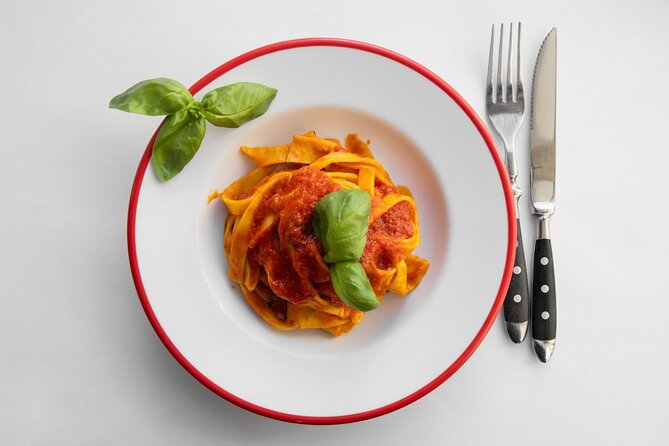
- Spritz first, pasta second: you’ll learn your aperitivo basics right at the start.
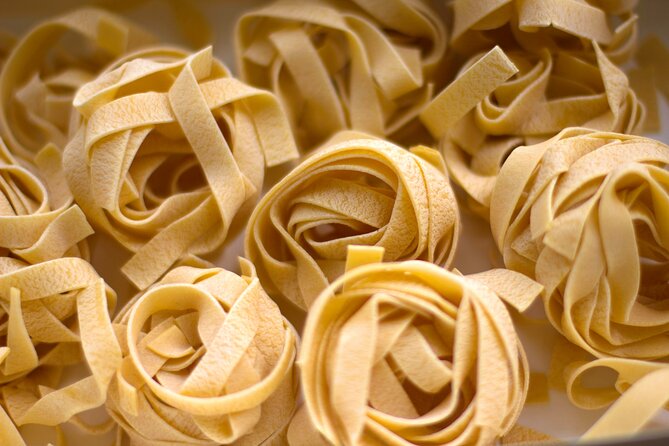
- Two pastas by hand: you’ll shape fettuccine and maltagliati.
- Meal is part of the lesson: bruschetta, wine/soft drink, and dessert are included.
- Small group energy: maximum 12 travelers, so you get real coaching time.
- Your instructor’s style matters: classes are led by chefs like Chef Leo, Chef Maria, Chef Carlotta, Chef Furio, Chef Lori, and Chef Tommy.
- You’ll get recipes for later: you’re provided a digital recipe book so you can recreate it at home.
Where Piazza Navona meets the cutting board
You’re starting at Via Giuseppe Zanardelli, 14 (00186 Roma RM), in the general orbit of Piazza Navona—perfect for breaking up a day of crowds and cobblestones. The tour is listed as coming back to the same meeting point at the end, which is a small detail that makes your logistics easier.
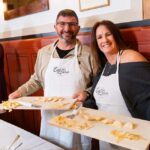
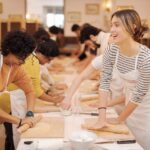
This isn’t a “watch and snack” situation. The structure is built around doing. You’ll work through dough, shaping, and cutting, then sit down to eat what you produced. And because the class is capped at 12 people, it tends to feel like a meal with direction rather than a production line.
You also get scheduling flexibility: you can usually pick a late lunch or early dinner slot. In Rome terms, that’s huge. It means you can plan this around your big sights instead of forcing your day to bend around a single timed activity.
Oh, and you’ll get the practical stuff right upfront: the experience is offered in English, you use a mobile ticket, and confirmation comes at booking.
You can also read our reviews of more cooking classes in Rome

The class flow: spritz, dough, fettuccine, and maltagliati
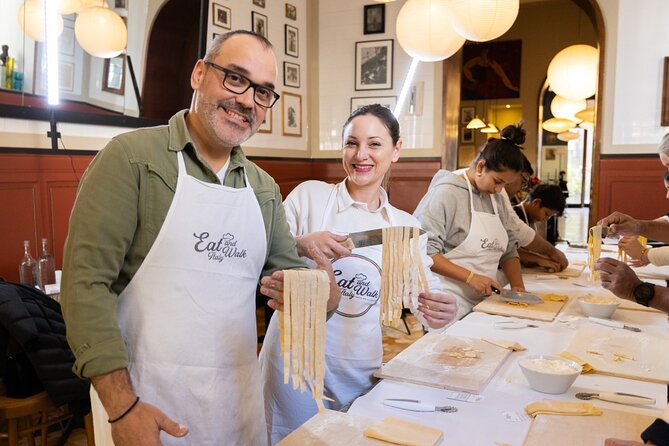
The total time is about 2 hours 30 minutes. That’s long enough to learn real technique, but not so long that you feel like you’re tied to one corner of Rome for half a day.
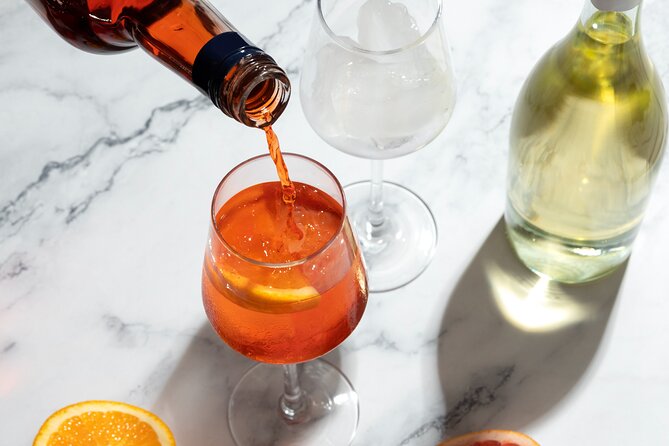
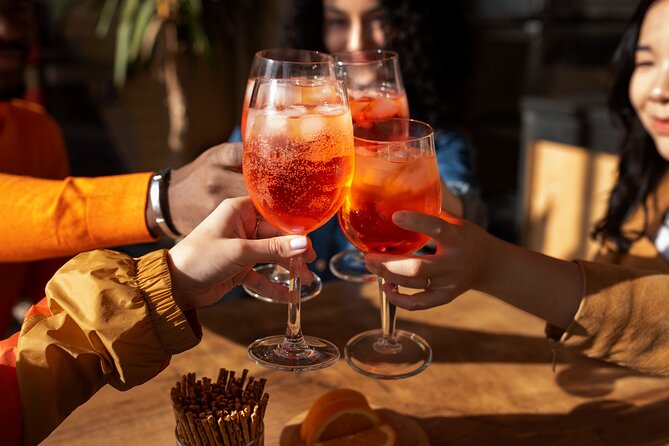
It starts with a quick Spritz tutorial and your welcome drink—yes, you make your own. This part is more than fun. It gets you into the Italian rhythm of aperitivo: lighter, social, and not rushed. Plus, it helps you settle before the flour starts flying.
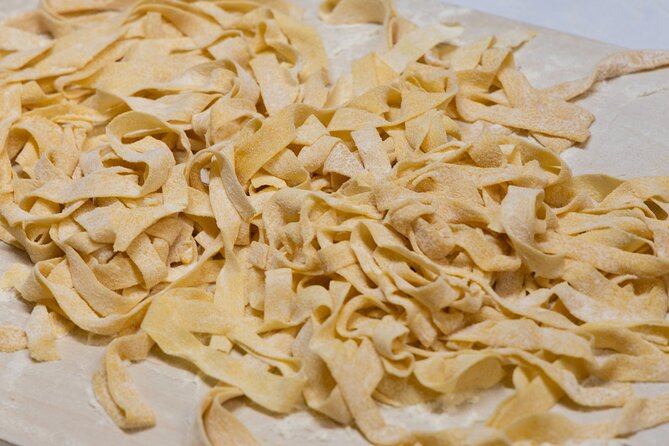
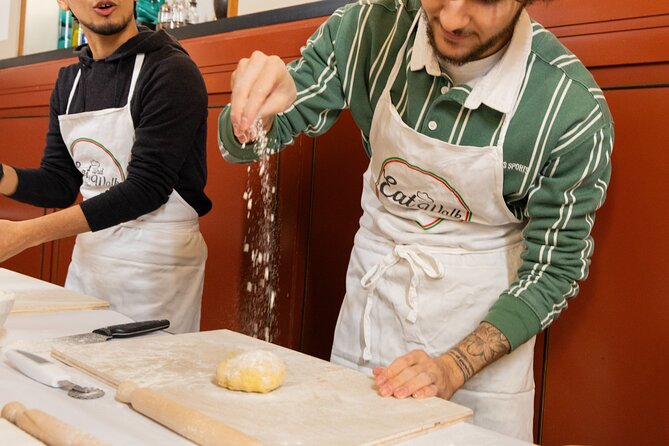
Next comes the main event: pasta dough. You’ll learn how to prepare a proper Italian dough by working it, shaping it, and cutting it into fresh pasta. The two types you’ll make are:
- Fettuccine
- Maltagliati (a rustic, irregular-cut pasta that catches sauce well)
Then you shift from hands-on prep to eating. Your lunch/dinner table typically includes bruschetta, the two pastas you made, and beverages. The dessert is freshly made tiramisù, and your final “sweet finish” includes a choice of limoncello or coffee (plus water).
A simple way to think about the class: it’s part cooking lesson, part Roman dinner. You’ll leave with a new respect for dough texture and the time it takes to roll evenly.
Hands-on pasta skills you’ll actually use at home
What I like most about this kind of class is that it doesn’t just teach you a recipe. It trains your hands to notice what the dough is doing. In practice, that means you’re learning to control:
- dough consistency (not too dry, not too sticky)
- rolling and thickness
- cutting/finishing so pasta holds shape
- shaping rhythms, so it feels repeatable later
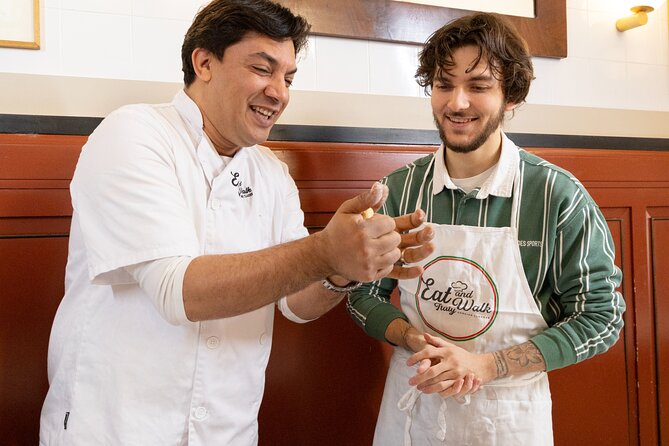
You’ll also get guidance along the way. Multiple instructors are praised for step-by-step clarity and for helping people who get stuck. Names that show up repeatedly include Chef Maria (high energy, lots of jokes and laughter), Chef Leo (fun and informative), Chef Furio (explains every step and keeps things clear), and Chef Carlotta (keeps the pace friendly, with individual attention).
Even better: you’re doing it with a small group. When you only have up to 12 people, it’s easier for the instructor to catch problems early—like dough that’s rolling too thick or pieces that aren’t staying even. That matters because fresh pasta is more sensitive than dry pasta. A tiny mistake doesn’t ruin dinner, but it changes the texture you end up eating.
One more practical note: you’re not walking into a professional kitchen and doing everything at commercial scale. The class is hands-on where it counts, and the chef explains the cooking process clearly. And because making sauce isn’t included, your focus stays on mastering pasta dough and shapes.
When you go home and try this again, your biggest win will be muscle memory: you’ll know what the dough should feel like and what kind of cut you like best.
Sauces, meal, and dessert: what you do versus what’s handled
Let’s keep it real: you’re here to make pasta, not to run an entire Italian service kitchen. The tour explicitly doesn’t include making the sauce, so you shouldn’t expect to spend time preparing the sugo yourself.
That said, the overall meal still gives you the full experience of eating your work in context. Your included menu includes:
- Welcome drink: your own Spritz
- Bruschetta: toasted bread with tomatoes, basil, and oregano
- Fettuccine with sugo al Pomodoro
- Maltagliati with basil pesto
- Beverages: a glass of red or white wine or soft drink, plus water
- Dessert: freshly made tiramisù
- Finisher: limoncello or hot coffee
In other words, you’re not stuck with plain pasta. You’ll taste classic combinations and get a feel for how sauce clings to your cut.
One caution from the “real world” side: included meals sometimes mean the chef gives you a dependable, crowd-friendly version. If you’re picky about wine flavor or sauce intensity, expect the beverage and sauce choices to follow the class menu, not your personal preferences. Also, the experience notes that extra drinks or food aren’t included, so if you want more than the set portions, you’ll pay for it.
Still, for most people, the value is in the full package: making pasta + eating it immediately + dessert. That beats doing a cooking class where you barely get a bite.
Wine, limoncello, and small-group dining with 12 people
A big part of the appeal is the social setup. You work, you taste, you ask questions, and then you share a table. In Rome, that kind of dinner format is a break from reading about art and rushing to the next line.
Because the group is limited to up to 12 travelers, you’re not just a ticket number. Many people highlight that instructors keep things interactive, check in often, and help people get unstuck. You’ll also likely chat with others at the table over the wine and meal.
The beverage plan is also clear and simple:
- You get a glass of wine or soft drink.
- You choose limoncello or coffee afterward.
- Water is available.
This matters for planning. You don’t need to guess whether you’ll be hungry, or whether it’s an appetizer-only situation. The class is designed to end like a proper meal, not a snack stop.
If you’re a solo traveler, that dinner portion can feel especially helpful. Cooking plus eating together gives you an easy conversation starter. And if you’re with a family, it’s one of those activities where kids can contribute (and feel proud) while adults learn technique.




What you pay for: value in Rome’s $90.70 meal + lesson
The price is $90.70 per person for about 2.5 hours, which is not cheap compared with a casual street snack. But this isn’t a casual snack event. You’re paying for:
- an instructor-led hands-on pasta class
- your own Spritz tutorial and drink
- bruschetta
- two pasta types you make (fettuccine + maltagliati)
- wine (or soft drink) plus water
- tiramisu
- and a choice of limoncello or coffee
In practical value terms, it’s more like buying a meal with a real skill session attached. If you were to try fresh pasta elsewhere in Rome plus drinks and dessert, you’d be spending on multiple separate purchases. Here, those pieces are bundled.
Also, it’s noted that this experience is booked about 33 days in advance on average. That’s a sign it’s popular, and it’s the type of activity that sells out when you wait too long.
Your best financial mindset: treat the meal as part of the lesson. If you only want to sample food and don’t care about learning techniques, you might feel like it’s more expensive than it needs to be. But if you want a memorable dinner that also teaches you something you can repeat, it usually lands as fair value.
Diet needs, kids, and who this fits best
Good news for planning: a vegetarian option is available, and you’re asked to advise this at booking. You can also share any specific dietary requirements. That’s not a throwaway note. It’s the difference between “maybe they can handle it” and “you’ll be taken care of.”
Kids are welcome, but they must be accompanied by an adult. The cooking format is also naturally active, which tends to work better for kids than long museum-style stops. Still, be ready for it to take a meaningful chunk of time. Cooking classes feel longer than you expect because you’re concentrating and then eating.
This is especially a smart fit if you:
- want an activity that breaks up Roman sightseeing
- like hands-on learning more than passive tours
- enjoy aperitivo culture and a sit-down meal
- are traveling with friends or family and want a shared “we did this together” memory
It might be less ideal if you:
- want to learn sauce-making from scratch (it’s explicitly not included)
- expect a full professional-kitchen behind-the-scenes cooking session
- prefer only a specific kind of wine or drink (the menu includes wine or soft drink, but not specialty options)
Should you book this Piazza Navona spritz-and-pasta class?
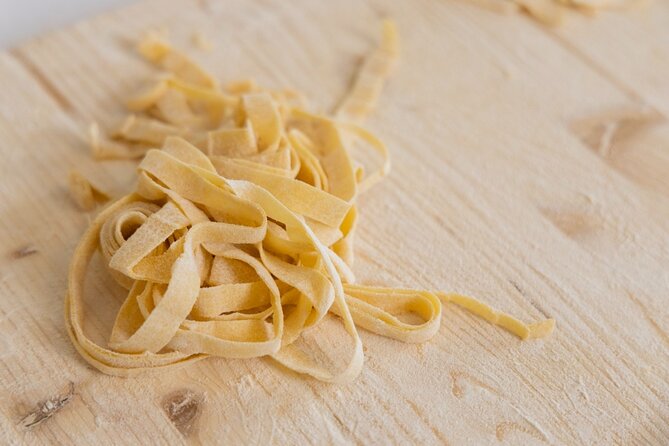
I’d book it if you want a hands-on Roman dinner that’s practical, not just performative. The big win is the pairing: you learn to shape fresh pasta by hand and then you sit down and eat it right away. Add in Spritz at the start and tiramisu at the end, and the whole experience feels like a complete evening.
Book it soon if your dates are tight. With steady demand, you don’t want to gamble on last-minute availability.
Just go in with the right expectations. You’re getting pasta technique and a full meal, not a sauce-production masterclass. If that matches what you want, this is one of the easiest ways to turn Rome’s food culture into a skill you’ll remember long after you leave.
FAQ
Where does the class start and end?
It starts at Via Giuseppe Zanardelli, 14, 00186 Roma RM, Italy, and it ends back at the same meeting point.
How long is the experience?
The experience runs about 2 hours 30 minutes.
What’s included in the price?
You get a welcome drink (your own Spritz), bruschetta, the pasta you make (fettuccine with sugo al Pomodoro and maltagliati with basil pesto), beverages (wine or soft drink, plus water), tiramisù, and your choice of limoncello or hot coffee.
Is making the sauce included?
No. Sauce making is not included.
Is there a vegetarian option?
Yes. There is a vegetarian option, and you should advise it at the time of booking.
Is the class offered in English, and how big is the group?
The class is offered in English, and it has a maximum group size of 12 travelers.
What happens if the weather is bad?
The experience requires good weather. If it’s canceled due to poor weather, you’ll be offered a different date or a full refund.