REVIEW · ROME
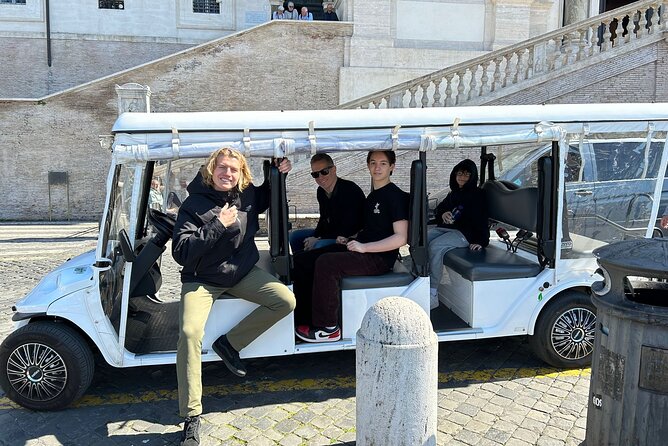
Enjoy Rome major attractions by Golfcart
Book on Viator →Operated by Rome golf cart tours · Bookable on Viator
Riding a golf buggy makes Rome feel instantly manageable. This is a small-group tour that takes you to major landmarks like the Colosseum, the Pantheon, and the Trevi Fountain with an expert guide who shares stories and adapts the stops to what you want to see and photograph.
I like how comfortable this format is for getting around, especially when you want to cover a lot without burning your legs on long stretches. I also like the human side: I’ve learned from guides like Gabriel / Gabriele that the best part is the conversation—he’ll point out details and keep you engaged instead of just reciting facts.
One drawback to plan for: the time at each highlight is short, so this works best as a fast, guided “best-of orientation” (not a slow, inside-the-building day). You may still want separate time for deeper visits if you’re a ticket-and-tour type.
In This Review
- Quick hits before you go
- Why a Rome golf cart tour makes sense
- Getting set up at Anantara Palazzo Naiadi to Spanish Steps
- Colosseum: the exterior view and what to notice fast
- Pantheon: seeing the dome in context (and why it’s so famous)
- Spanish Steps: a steep hillside landmark you can actually read
- Piazza Navona: fountains, palazzi, and street life
- Piazza Venezia and Il Vittoriano: the big monument moment
- Fontana di Trevi: a Baroque finale you can enjoy without rushing
- How the guide builds a bespoke day (and why it’s the real value)
- Price and what you really get for $91.92
- Timing, weather, and ticket expectations
- Who this tour suits best
- Should you book Enjoy Rome major attractions by Golfcart?
- FAQ
- How long is the Rome golf cart tour?
- How much does it cost per person?
- What is the maximum group size?
- Where does the tour start?
- Where does the tour end?
- Are admission tickets included?
- Is the tour ticket delivered on a phone?
- Do I need good weather?
- Which landmarks are included?
Quick hits before you go
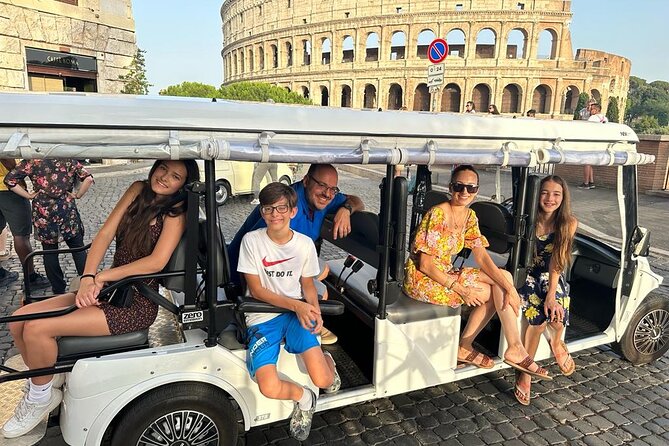
- Up to 7 people means you’re not swallowed by a huge crowd vibe
- Comfortable golf cart transport helps you keep energy for photos and small moments
- Local guide storytelling (like Gabriele) turns big monuments into real places
- Landmark-to-landmark flow covers the Colosseum, Pantheon, Spanish Steps, Navona, Piazza Venezia, and Trevi Fountain
- Bespoke stop choices let you influence where you pause for pictures and viewpoints
Why a Rome golf cart tour makes sense
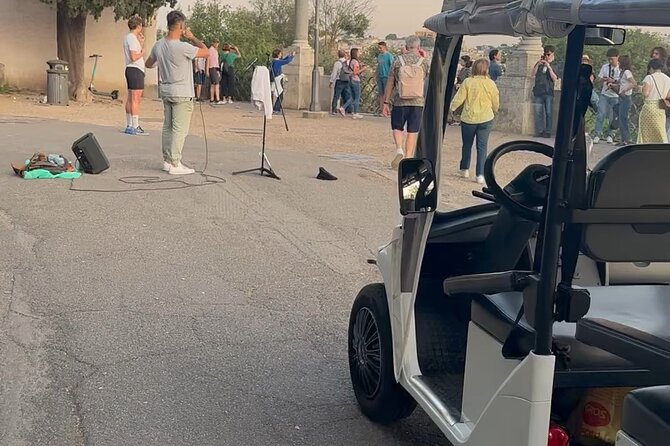
Rome can be a giant checklist. That’s not your fault—it’s just how the city is laid out. A golf buggy tour helps you focus on the big picture first: where everything sits, what the monuments look like from different angles, and how the streets connect.
Instead of fighting for position in long lines or spending all day just moving between sites, you get a guided route that squeezes the best-known stops into a tight window. The guide’s job is to translate what you’re looking at into something you can actually remember—stories, design choices, and why these places mattered.
And because it’s small-group, you’re more likely to ask questions and get a clear answer on the spot. That matters a lot in Rome, where two streets can look similar but lead to very different experiences.
You can also read our reviews of more tours and experiences in Rome.


Getting set up at Anantara Palazzo Naiadi to Spanish Steps
The tour starts at the Anantara Palazzo Naiadi Rome Hotel on Piazza della Repubblica 48. You’ll end at the Spanish Steps (Piazza di Spagna).
That end point is convenient. Spanish Steps puts you right back in a classic central zone where you can keep exploring on foot afterward—cafés, gelato, and more photo angles than you’ll admit you want. Since the tour is short enough to do this without rushing, it’s a good way to “front-load” the Rome highlights.
You also get a mobile ticket, which is handy when you’re juggling maps, museum reservations, and a phone battery that’s already living on borrowed time.
Colosseum: the exterior view and what to notice fast
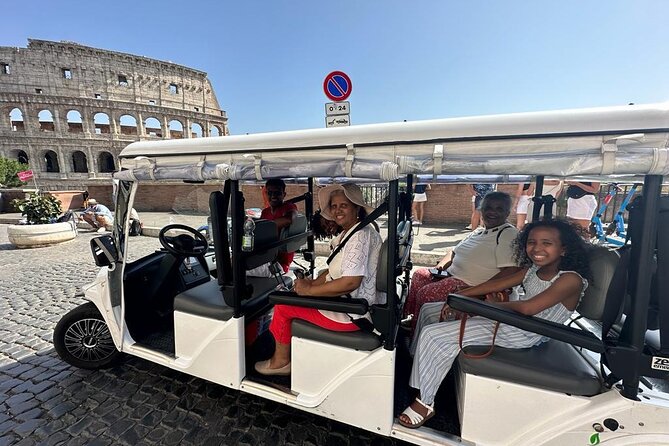
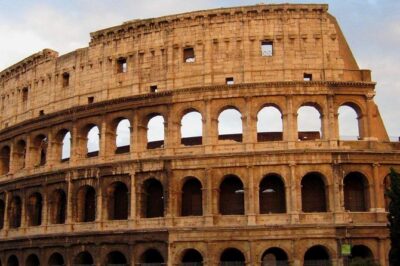
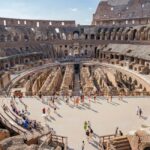
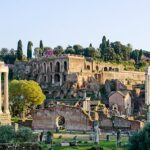
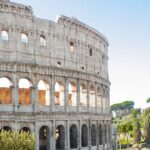
The Colosseum is the headline, and you’ll see it early on in the route. Even if you’re not going inside as part of this experience, a guided stop here is still useful. This is where your brain starts placing other sites in context.
Here’s what I’d watch for on your brief stop:
- The way the structure reads from outside: it’s not just “an old arena,” it’s a layered system of arches and levels.
- How crowds behave around the monument so you understand where you’ll want to stand if you return later.
- Any guide pointers about the original purpose and why the design looks the way it does.
The tour notes list the Colosseum as admission ticket free for the stop, but the tour itself says tickets are not included. So think of this as a guided look that may not include a formal ticketed entry. If you want to go inside, plan on getting your own ticket separately.
Pantheon: seeing the dome in context (and why it’s so famous)
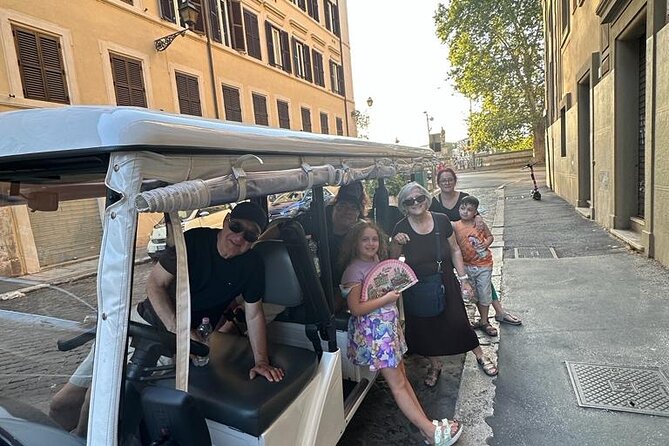
Next up is the Pantheon, described as the Temple of all gods, and noted as one of Rome’s best-preserved buildings. Even from the outside, the Pantheon signals something different from the Colosseum. It feels like a single complete idea—still, after all these centuries.
On a quick stop, the guide’s storytelling can make the scale and design click. I’d pay attention to:
- The dome as a visual “center of gravity.” It’s the thing your eyes keep returning to.
- The difference between what you see from a distance and what you notice when you get close.
- Any explanation you get about why the building has lasted so well.
Again, the Pantheon stop is marked as admission ticket free in the tour notes, while tickets are listed as not included overall. So treat this as guided orientation and photo time. If you want the full experience inside, you’ll likely need your own ticket.
Spanish Steps: a steep hillside landmark you can actually read
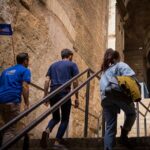
The Spanish Steps date from 1723 and climb a steep slope between Piazza Trinità dei Monti and the church area above. What I like about including this stop is that it changes the “monument mindset.”
The Colosseum and Pantheon are about structures. The Spanish Steps is about movement—how people climb, gather, and frame the view. Even with a short stop, it’s an easy place to reset your eyes after big stone icons.
If you’re thinking practically, Spanish Steps is also a smart location for photos because you can choose your angle without needing a long walk. If you want that classic postcard look, this is one of the best spots to ask your guide where to stand.



Piazza Navona: fountains, palazzi, and street life
Piazza Navona is known for showy fountains and baroque palazzi, plus the real-life energy of street artists, hawkers, and tourists. The square is a strong contrast to the more solemn monument vibe.
Your guide’s value here is the explanation: why the square is arranged the way it is and how the fountains and buildings create a stage for people. On a short stop, you’re not trying to “master” the piazza. You’re trying to understand what makes it feel like Rome at its most cinematic.
Practical tip for this kind of stop: take one “wide” photo first, then step slightly to refine your shot. The piazza has enough visual layers that one move can improve the whole frame.
Piazza Venezia and Il Vittoriano: the big monument moment
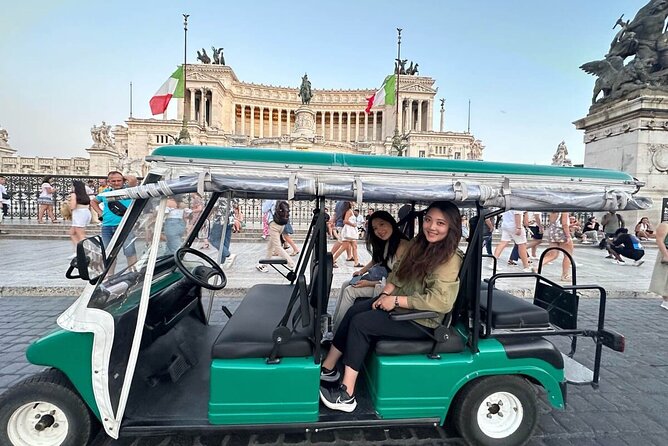
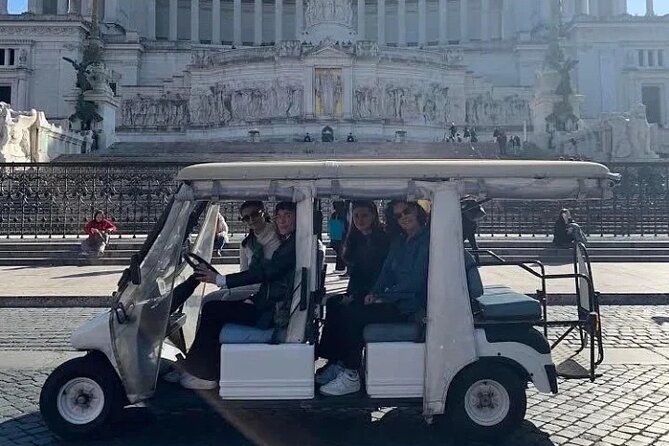
From Navona, the route continues to Piazza Venezia. The dominant landmark here is Il Vittoriano, a monument dedicated to King Victor Emmanuel II, the first king of Italy.
This stop adds an important layer to your Rome day. You’re not only looking at ancient ruins and religious architecture—you’re also seeing how modern Italy chose to commemorate its own story. The scale here can feel dramatic, even if your personal interest is mostly in ancient sites.
In other words: this stop helps you see Rome as more than one era. You get the sense that the city’s identity keeps shifting, and monuments rise to match the politics and values of their times.
Fontana di Trevi: a Baroque finale you can enjoy without rushing

The final highlight on the route is Fontana di Trevi, one of the largest Baroque fountains in the world. Trevi works best when you let it be simple: look at it, take your photos, then soak up the atmosphere without turning it into a stress test.
The guided part matters because you’ll get quick context—why it’s Baroque, what elements to notice, and how the fountain’s design fits into the surrounding streetscape. And because the tour ends at Spanish Steps, Trevi can feel like a natural “wrap-up” point on your Rome highlight loop.
As with the earlier monuments: tickets are not included in the tour package. But for Trevi, most people don’t need tickets to enjoy what’s right in front of them. Your time here is about seeing, photographing, and moving on with a clear sense of where everything sits.
How the guide builds a bespoke day (and why it’s the real value)
The itinerary you get is not just a pre-set slideshow. The tour is described as bespoke, with your guide crafting the route so it works for your interests. That’s a big deal when your group is small and you’re doing multiple landmarks in a single session.
The best moments are usually the ones that come from your guide’s personality:
- They read what you’re curious about and adjust your pacing.
- They tell stories behind what you see, so the places don’t feel like labeled scenery.
- They create space for you to stop, take photos, and choose what to linger on.
This matches what I saw in feedback about guides like Gabriele—he was described as personable and engaging, with history shared in a way people remember. That’s exactly what you want on a tour like this: big sights, yes, but explained like you’re talking to someone who cares.
Price and what you really get for $91.92
At $91.92 per person for about 2 hours 30 minutes, you’re paying for three things:
1) the guide’s time and storytelling,
2) the golf cart that makes short stops practical, and
3) the structure of hitting major landmarks without doing it all by yourself.
For a Rome trip, $91.92 isn’t cheap. But it can be good value if you’d otherwise spend that time coordinating transport, timing your day around crowds, and doing a lot of self-navigation. A cart tour is also a strong option if you want to pack a lot into a first visit without wearing yourself down.
Where the cost makes less sense is if you prefer slow travel with longer museum or inside visits. This experience is built for coverage and orientation, not extended time in every building.
Also: the tour is booked on average 46 days in advance, which suggests limited availability. If your dates are firm, I’d reserve early so you’re not stuck with whatever slots are left.
Timing, weather, and ticket expectations
This tour runs for around 2 hours 30 minutes, and it’s described as requiring good weather. That’s a fair constraint for any outdoor sightseeing plan, especially one involving carts and moving between sites.
For timing, plan to treat each stop as a quick hit. Some stops are noted as brief (the tour notes show short time blocks at the landmarks), so you’ll likely get a photo-and-context rhythm rather than a sit-down, fully guided walkthrough inside.
On tickets: tour notes say tickets are not included, even though some stops are marked as admission ticket free in the stop descriptions. The safest way to plan is:
- assume the tour helps you enjoy the landmark experience in the time you have,
- and if you want entry into any specific site beyond the quick stop, you may need your own tickets.
Who this tour suits best
This is a great fit if:
- you’re seeing Rome for the first time and want a smart overview fast,
- you’d like to reduce walking while still covering iconic landmarks,
- you value a local guide who shares stories and keeps you engaged (especially if you like asking questions).
It’s less ideal if:
- you want long, ticketed time inside major sites,
- you prefer independent exploring with no structure,
- you’re only interested in one or two monuments and don’t care about the rest.
Should you book Enjoy Rome major attractions by Golfcart?
I’d book this if you want a first-date-with-Rome feel: big sights, a friendly guide, a small group, and a smooth pace that doesn’t wreck your day. The guide factor is the star here—people highlighted how engaged and personable Gabriel/Gabriele was, and that kind of hosting makes a short-stop route actually enjoyable.
I’d skip it or pair it with other plans if you know you want to spend hours inside the Colosseum, the Pantheon, or other ticketed experiences. This tour is best as your guided “map in motion,” not as the only activity you’ll do in Rome.
If you’re open to a fast, guided highlights loop—and you’ll follow it up with optional deeper visits later—this golf buggy tour is a practical, good-value way to see the Eternal City’s most famous angles.
FAQ
How long is the Rome golf cart tour?
It lasts about 2 hours 30 minutes.
How much does it cost per person?
The price is $91.92 per person.
What is the maximum group size?
The tour has a maximum of 7 travelers.
Where does the tour start?
It starts at Anantara Palazzo Naiadi Rome Hotel, Piazza della Repubblica, 48, 00185 Roma.
Where does the tour end?
It ends at the Spanish Steps (Piazza di Spagna, 00187 Roma).
Are admission tickets included?
No. Tickets are not included, even though some stops are marked as admission ticket free on the tour notes.
Is the tour ticket delivered on a phone?
Yes, it offers a mobile ticket.
Do I need good weather?
Yes. The experience requires good weather. If it’s canceled due to poor weather, you’ll be offered a different date or a full refund.
Which landmarks are included?
The tour includes the Colosseum, Pantheon, Spanish Steps, Piazza Navona, Piazza Venezia, and Fontana di Trevi.