REVIEW · ROME
Electric Bike Tour of City Centre with Gelato Highlights of Rome
Book on Viator →Operated by Easy Bike Rent Rome · Bookable on Viator
Rome by e-bike beats the usual bus slog. This 4-hour ride is one of the smarter ways to see a big slice of central Rome without spending your day in ticket lines or slow transfers, and you’ll stop often enough to catch photos and reset your brain with gelato regroup moments. I especially liked the Capitoline panorama and the way guide Adriana kept the history clear and practical as you moved through real streets. One possible drawback: you do need moderate fitness and you should already feel comfortable riding a bike, since the tour is not for complete beginners.
You also get a small-group feel. With a maximum of 10 people, you’re not lost in the crowd, the pace stays easy, and the e-bike does most of the heavy lifting on hills and longer stretches. And since this tour runs in English, it’s a strong option if you want context without relying on apps and guessing games.
Finally, go in knowing what’s included and what’s not. Helmets and an e-bike are provided, but food and drink aren’t—so plan to budget for gelato and any extras you want on your own.
In This Review
- Key Things I’d Bet You’ll Care About
- Why Rome Looks Better From an E-Bike Seat
- The Route You’ll Follow: Capitoline Views, Trevi, and the Stones of Trastevere
- Piazza del Campidoglio (Capitolium Square) and the Imperial Forum View
- Fontana di Trevi Area: Trevi Fountain and Trajan’s Column Views
- Spanish Steps and Piazza di Spagna
- Villa Borghese Break: Green Park Time to Reset
- Piazza del Popolo: Obelisk Views and Café-Friendly Edges
- Ride to the Pantheon: A Major Roman Architecture Moment
- Piazza Navona and Bernini’s Fountain of the Four Rivers
- Campo de’ Fiori and Farnese Square Continuation
- Trastevere: Cobblestones, Old Churches, and Real Neighborhood Energy
- The Jewish Ghetto: Porticus Octavia and Marcello’s Theater
- Electric Bikes, Helmet, Phone Holder: How the Tour Stays Comfortable
- Group Size and Pace: What Small Groups Actually Change
- Gelato Highlights: The Break That Makes the Whole Thing Work
- History You’ll Remember, Not Just Read
- Price and Value: Is $90.70 for 4 Hours a Smart Move?
- Who This Tour Fits Best (and Who Should Skip It)
- Should You Book It?
- FAQ
- How long is the electric bike tour?
- What sights are included during the ride?
- Is food included, or do I need to buy gelato myself?
- Do I get a helmet and a bike?
- What language is the tour offered in?
- How big is the group?
- Do I need to know how to ride a bike?
- Where does the tour start and end?
- Is it easy to cancel if my plans change?
Key Things I’d Bet You’ll Care About
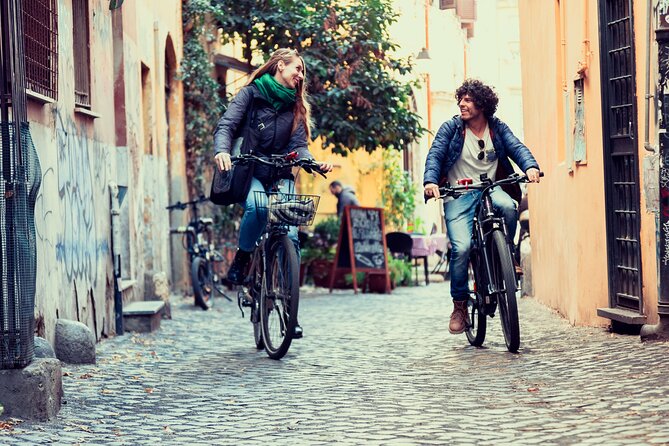
- Up to 10 riders keeps the experience calm and gives your guide room to explain
- Electric bikes do the work, so you cover more than you would on foot
- Frequent stops mean you actually see the details at major sights
- Gelato regroup breaks turn a long day of sightseeing into manageable chunks
- A route that follows Rome’s classics plus side streets (Trastevere and the Ghetto)
Why Rome Looks Better From an E-Bike Seat
Rome is one of those cities where you can do the big sights in a day… and still end up exhausted. This tour avoids that trap. The electric bike lets you glide between areas that would otherwise take time (and energy) via public transport or slow walking. You still get the walking feel at each stop, but you’re not constantly fighting distance.
I also like how the ride is built for paying attention. The stops aren’t just quick photo-and-run. You’re given short windows to look around, orient yourself, and take in views like the one from the Capitoline area. That matters because Rome’s center can feel like a blur if you only see it from street level and never get that wider “this is where everything connects” feeling.
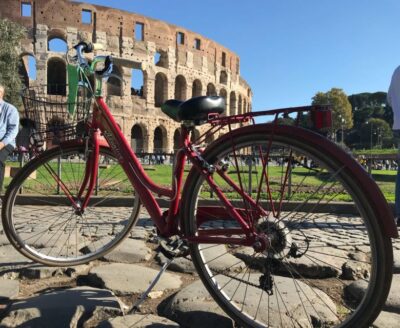
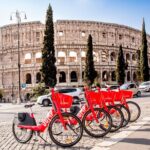
And yes, safety and comfort matter. You’ll be on a quality e-bike with a helmet and a phone holder for navigation or quick photos. It’s the kind of setup that keeps you from constantly taking your hands off the handlebars to juggle gear.
You can also read our reviews of more cycling tours in Rome
The Route You’ll Follow: Capitoline Views, Trevi, and the Stones of Trastevere

This tour is organized like a best-of Rome loop across central sights, then it shifts west and south into older neighborhoods where the streets narrow and the atmosphere changes.
Piazza del Campidoglio (Capitolium Square) and the Imperial Forum View
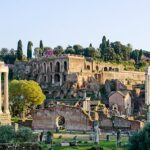
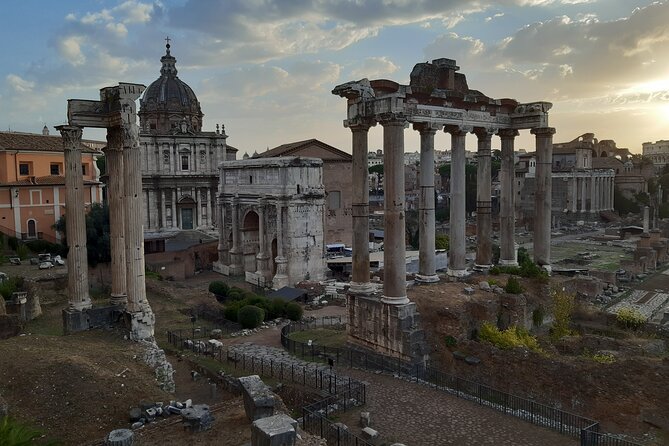
You start at Via dei Cerchi, then roll into one of Rome’s most dramatic early moments: Piazza del Campidoglio. From the Capitolium Square, you’ll get a stunning panoramic view toward the Imperial Forum. It’s a great way to begin because it gives you a sense of scale fast. You’re not just collecting names; you’re seeing how ancient Rome sits in the modern city.
The stop is short (about 10 minutes), so use it like this: take your first look, then turn around for the second pass. Rome rewards that double look from the same spot because your brain starts sorting what you’re seeing.
Fontana di Trevi Area: Trevi Fountain and Trajan’s Column Views
Next up is the Trevi Fountain area. You’ll have around 20 minutes here, and it’s timed so you can appreciate the dramatic look of the fountain without only feeling like you’re part of a human river. You’ll also continue via Trajan’s Column—another reminder that this city tells stories in stone.
Practical tip: plan for a coin toss if that’s your thing, but don’t rush. If you only look at the fountain head-on, you’ll miss the way the architecture frames the scene.
Spanish Steps and Piazza di Spagna
Then comes the Spanish Steps, with about 20 minutes to climb or at least take the full effect from the surrounding square area near Piazza di Spagna. This is one of those locations where street life and architecture mix, so your time is best spent slowly. Take a few minutes to watch people, then use the rest to get a view from where the stairs open out.
If you’re riding an e-bike, you’ll arrive with less fatigue than you would on foot. That’s a genuine advantage here because the steps can make your legs complain if you’ve already walked all morning.
You can also read our reviews of more city tours in Rome



Villa Borghese Break: Green Park Time to Reset
The next stop is Villa Borghese, where you’ll have about 30 minutes. It’s not just a scenic pause. It’s a reset between dense sightseeing blocks, and it gives your body a break before the route keeps moving.
This is also where the tour’s rhythm feels smart: short enough to keep momentum, long enough to breathe. You’re surrounded by historic park scenery, and it’s a nice contrast to the tight streets you’ll be riding soon.
Piazza del Popolo: Obelisk Views and Café-Friendly Edges
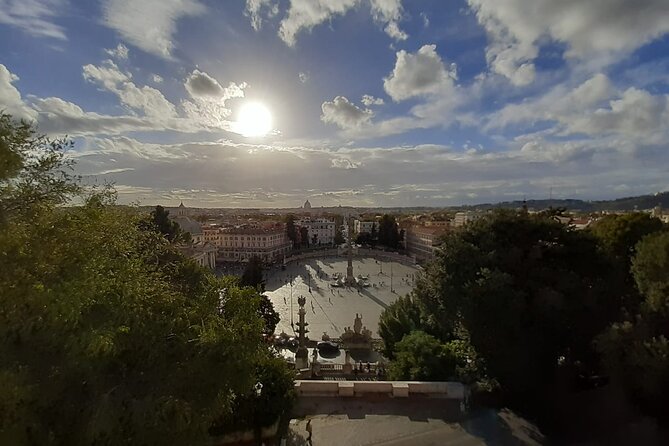
At Piazza del Popolo, you get roughly 20 minutes. The standout here is the obelisk, plus the mix of open space and café-friendly edges where you can regroup and orient yourself. It’s a place that helps Rome feel navigable, not just impressive.
If you like structure in your sightseeing, this stop delivers it. You’re in a clear open square, then you move on knowing where you are relative to the next sights.
Ride to the Pantheon: A Major Roman Architecture Moment
Then you’ll ride to the Pantheon, described as a marvel of Roman architecture. The timing here is built into the flow, so expect it to be more about seeing the building and its presence than about a deep museum-style visit (there’s no mention of paid admission).
Still, even a short stop can be powerful. The Pantheon’s scale is hard to fake with photos. If you only see it once, make it count: take a moment to look around the exterior details and line up your first shot from a steady vantage point.
Piazza Navona and Bernini’s Fountain of the Four Rivers
Your next major photo and wow moment is Piazza Navona. You’ll have about 20 minutes, and you’ll be there to see Bernini’s Fountain of the Four Rivers. This is one of those squares where the architecture and the fountain feel like part of the same performance.
A simple tactic: spend a few minutes looking from a distance, then come closer to catch the finer carved details. That way you don’t just get one flat photo—you get the sense of how the fountain fills the square.
Campo de’ Fiori and Farnese Square Continuation
Then you head to Campo de’ Fiori, with around 20 minutes. It’s known as a market square with plenty of charm and history, and you’ll continue toward Farnese Square. This area feels like the everyday Rome layer—less postcard-only, more real streets and routine.
If you want a practical souvenir strategy, do it here. You’ll often find small shops and snack options around squares like this, and you’re already in the right place to browse without turning it into a separate mission.
Trastevere: Cobblestones, Old Churches, and Real Neighborhood Energy
Now the tour turns into something more than a checklist: Trastevere. You’ll have about 40 minutes here, which is generous enough to feel the shift from central monuments to neighborhood life.
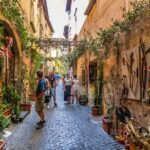
You’ll ride on the west bank of the Tiber River, then get a feel for the area’s narrow cobblestone streets and colorful houses. You’ll also visit Piazza Santa Maria in Trastevere, home to one of the city’s oldest churches, and you’ll see mosaics at the church.
This is one of your best chances on the day to slow down. Even if you’re not staying for dinner, the 40 minutes lets you walk a bit, absorb the texture of the streets, and understand why people get attached to Trastevere.
The Jewish Ghetto: Porticus Octavia and Marcello’s Theater
Finally, you’ll ride through the Jewish Ghetto, with about 30 minutes. The narrow streets create a different pace than the big open squares. You’ll soak in the atmosphere of this historic neighborhood, pass Porticus Octavia, and arrive at Marcello’s Theater.
This ending works well because it’s not just more major monuments. It’s Rome as lived-in history, where the streets themselves carry meaning. If you like context, this part tends to stick because the setting is more intimate than the big-ticket sites.
Electric Bikes, Helmet, Phone Holder: How the Tour Stays Comfortable
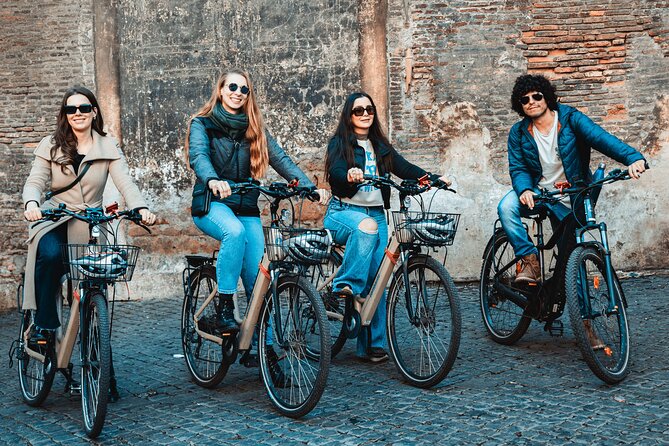
The e-bike is the reason this route feels doable. You’re covering a lot of ground in a 4-hour window, and electric assist turns that into sightseeing instead of endurance training.
You’ll also get:
- a helmet (provided)
- a mobile phone holder (handy for quick map checks and photos)
The tour is meant for people with at least moderate physical fitness. It’s not designed for people who can’t ride a bike. If you don’t know how to ride, this likely won’t be the experience you want.
There’s also a max rider weight of 130 Kg, and a note that children aged 7 to 11 who can’t ride an e-bike can join on a cargo bike with a parent driving. So if you’re traveling as a family, you have a built-in option—just make sure that plan fits your kids’ comfort.
Group Size and Pace: What Small Groups Actually Change
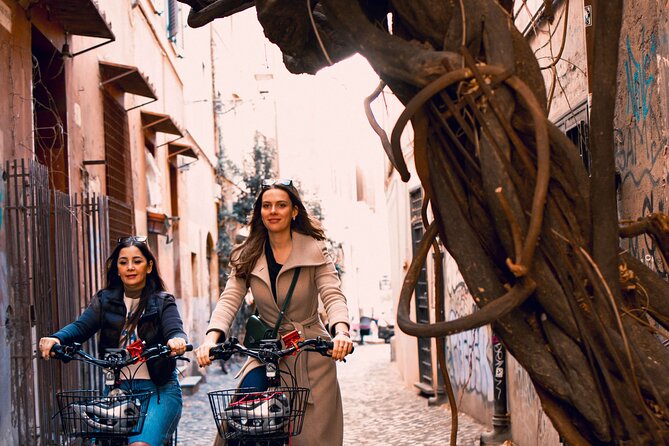
A maximum of 10 travelers may sound like marketing language, but it changes the day. You’re more likely to:
- regroup when the group slows down
- get clearer answers because the guide can talk to individuals
- feel like the tour is responsive rather than rushed
The reviews praise the guide experience hard, and one name comes up repeatedly: Adriana. That’s not just a “nice guide” claim. It’s a sign the tour’s explanations are organized enough to make the history feel connected, not like a lecture you have to translate in your head while pedaling.
And safety is part of that. When the guide sets expectations and keeps you together on rides, you spend less time worrying about traffic flow and more time enjoying the street scenes.
Gelato Highlights: The Break That Makes the Whole Thing Work
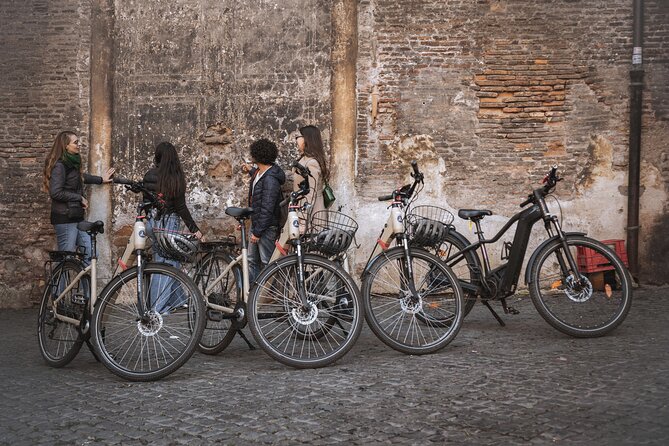
The tour includes gelato regroup time. That might sound like a small detail, but it’s actually a big piece of how the day feels.
Because you’re doing multiple major stops, your attention can start to slide. Gelato breaks give you a natural reset. You can regroup, refresh, and get ready for the next ride segment without rushing to fit it all into a single stretch.
Food and drink aren’t included, so you’ll still want to budget a bit if gelato is a must. Still, having that break planned makes the day easier than trying to find a snack on your own between stops.
History You’ll Remember, Not Just Read
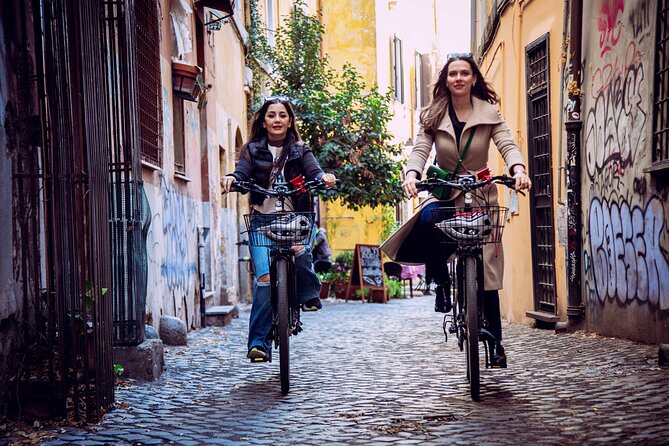
Rome’s biggest problem for first-timers is information overload. This tour helps because it ties the facts to where you’re standing.
For example:
- Trajan’s Column gets brought into the flow as you move toward the Trevi area, so it doesn’t become an isolated “random column fact.”
- Bernini’s Fountain of the Four Rivers at Piazza Navona anchors Baroque art to a specific place you’ll likely revisit later.
- In Trastevere and the Jewish Ghetto, the focus shifts from grand monuments to human-scale streets, which is where you start to understand how neighborhoods carry stories.
The best part is that the guide’s job seems to be translating Rome into something you can picture. That makes a big difference on day one, when everything is new and you’re still building your mental map.
Price and Value: Is $90.70 for 4 Hours a Smart Move?
At $90.70 per person for about 4 hours, you’re paying for a few practical advantages:
- an electric bike that expands how much you can see
- a helmet and phone holder
- an English-speaking guide who helps you connect stops instead of just listing them
- a small-group setup (max 10), which typically improves the pace and attention
You’re also likely saving time and fatigue compared with piecing together multiple transit rides and long walks. Rome’s center is dense. Even with strong planning, you can lose energy quickly. Here, that energy gets invested into actually looking at things.
Is it the cheapest way to see Rome? No. But for first-time visitors—or anyone who wants a fast overview without feeling wrecked—it’s a solid value proposition. You get a guided route through major sights plus two areas that give Rome its texture: Trastevere and the Ghetto.
Who This Tour Fits Best (and Who Should Skip It)
This tour makes the most sense for you if:
- you want a big-sights overview without a full day of public transport and walking
- you’re comfortable riding a bike and want an easy pace
- you like history that’s explained in context, not as a list
You might want to skip or look for another option if:
- you don’t ride a bike and can’t handle e-bike training
- your fitness level is low enough that you’ll feel strained by moderate riding demands
- you’re hoping for a museum-heavy day with long indoor ticket time (this is structured around outdoor sightseeing stops)
Should You Book It?
If you’re visiting Rome and you want your first day to feel organized, this is a strong pick. The combination of electric biking, short stops, and a guide who can keep the story straight makes it an easier way to get your bearings fast.
Book it if you value efficiency and you want both the famous highlights and real neighborhood streets like Trastevere and the Jewish Ghetto. Skip it if bike riding feels uncertain—comfort and confidence on the bike are the foundation of a good day here.
FAQ
How long is the electric bike tour?
It runs for about 4 hours.
What sights are included during the ride?
You’ll visit or ride by major central Rome stops including Piazza del Campidoglio, Trevi Fountain, the Spanish Steps, Villa Borghese, Piazza del Popolo, the Pantheon area, Piazza Navona, Campo de’ Fiori, Trastevere (including Piazza Santa Maria in Trastevere), and the Jewish Ghetto (with Porticus Octavia and Marcello’s Theater).
Is food included, or do I need to buy gelato myself?
Food and drink are not included. Gelato regroup time is part of the experience, but you should plan to pay for what you eat.
Do I get a helmet and a bike?
Yes. The tour includes several sizes of quality e-bike and a helmet, plus a mobile phone holder.
What language is the tour offered in?
The tour is offered in English.
How big is the group?
The tour has a maximum of 10 travelers.
Do I need to know how to ride a bike?
Yes. It is not recommended for those who don’t know how to ride a bike.
Where does the tour start and end?
The tour starts at Via dei Cerchi, 59, 00186 Roma RM, Italy, and ends back at the meeting point.
Is it easy to cancel if my plans change?
Free cancellation is available. You can cancel up to 24 hours in advance for a full refund.