REVIEW · TRASTEVERE
Rome: Monuments and Belvederes Bike Tour
Book on GetYourGuide →Operated by Rome for You - RM - 1436156 · Bookable on GetYourGuide
Rome makes more sense at pedal speed. This 3-hour Monuments and Belvederes ride strings together Rome’s biggest landmarks with panoramic stops, plus a local guide who fills in the story behind what you’re seeing. You get to cover a lot of ground without spending the whole day in lines.
I especially love how the route mixes icon photos and real viewpoints, like the Capitoline Hill outlook and the Aventine Hill scene. The second win is the guide storytelling—expect anecdotes and practical context that make the places feel less like postcards. One thing to consider: it’s not a sit-and-watch tour; you need to be comfortable riding a bike, and the pace assumes you can keep moving through narrow streets.
In This Review
- Key Highlights at a Glance
- A Three-Hour Rome Bike Tour That Actually Feels Efficient
- Getting Started at Via di S. Calisto (Don’t Be Late)
- Trastevere Streets to Aventine Hill: Narrow Lanes, Big Views
- Circus Maximus and the Colosseum: Icons, Explained
- Capitoline Hill Panorama: Roman Forums From Above
- Trevi Fountain, Spanish Steps, and Trinità dei Monti
- Pincio Balcony and Piazza del Popolo: Wide Rome, Different Light
- Piazza Navona and Bernini’s Four Rivers Fountain
- Finishing Stretch: Castel Sant’Angelo and St. Peter’s Basilica Views
- Price and Value: Why $71 Can Make Sense Here
- What You’ll Need to Know Before You Ride
- Who This Tour Fits Best
- Should You Book This Rome Monuments and Belvederes Bike Tour?
- FAQ
- How long is the Rome Monuments and Belvederes Bike Tour?
- Where do I meet for the tour?
- Is a guide included?
- What’s included with the bike tour?
- Do I need to bring ID?
- What languages are available?
- What’s the cancellation policy?
Key Highlights at a Glance
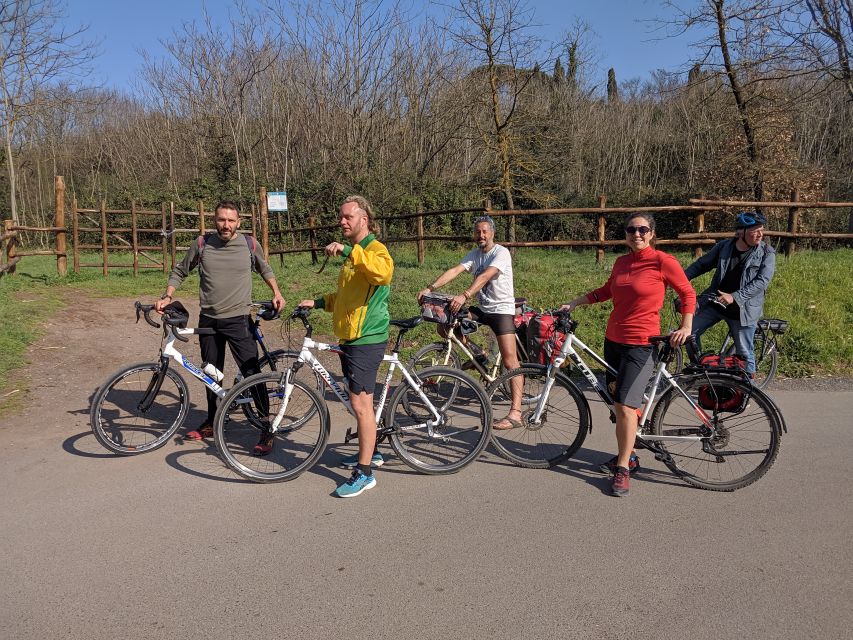
- Belvedere views: Capitoline Hill, Aventine Hill, Pincio balcony, plus Rome-wide photo moments
- Monument sweep in 3 hours: Colosseum, Trevi Fountain, Spanish Steps, Piazza Navona, and more
- Local guide stories: explained sights, not just names—plus helpful neighborhood context
- Comfort supports included: bike, helmet, and a child seat if needed
- Easy “first Rome” fit: a strong orientation route through classic areas
A Three-Hour Rome Bike Tour That Actually Feels Efficient
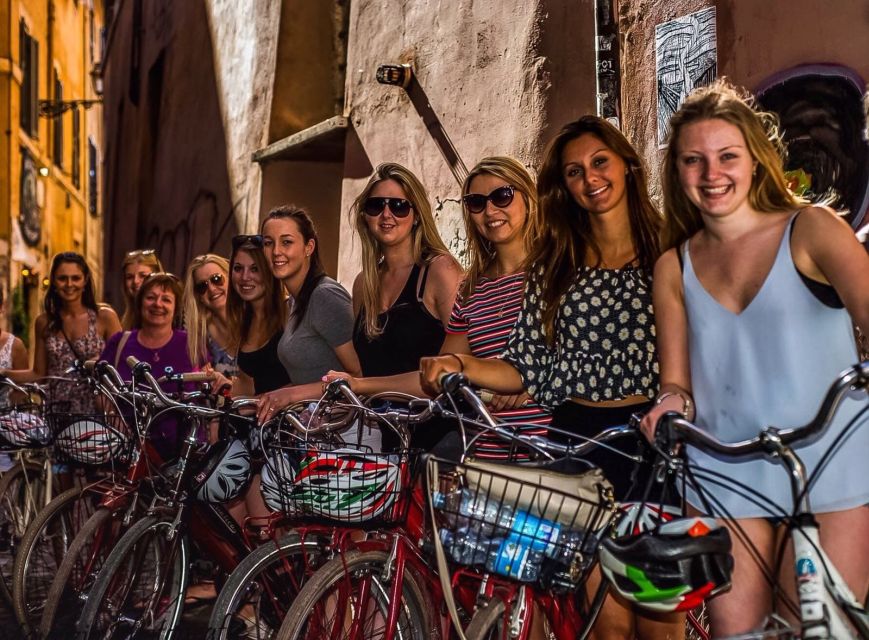
In Rome, you can spend hours bouncing between “must-sees,” or you can start making connections. This tour is built to do the second. In about 3 hours, you ride from medieval streets to imperial ruins viewpoints, then into Rome’s baroque showstoppers. It’s a smart way to get your bearings fast.
What makes it especially useful for you is the blend of photo stops and short, guided moments. You’re not just whizzing by landmarks. You get context about why these places matter and how they fit into Rome’s changing eras. That turns your sightseeing from random hits into a timeline you can remember.
And yes, it’s great value for the time. At $71 per person, you’re paying for a local guide, bike access, and safety gear—while skipping the stress of figuring out logistics on your own.
You can also read our reviews of more tours and experiences in Trastevere.

Getting Started at Via di S. Calisto (Don’t Be Late)
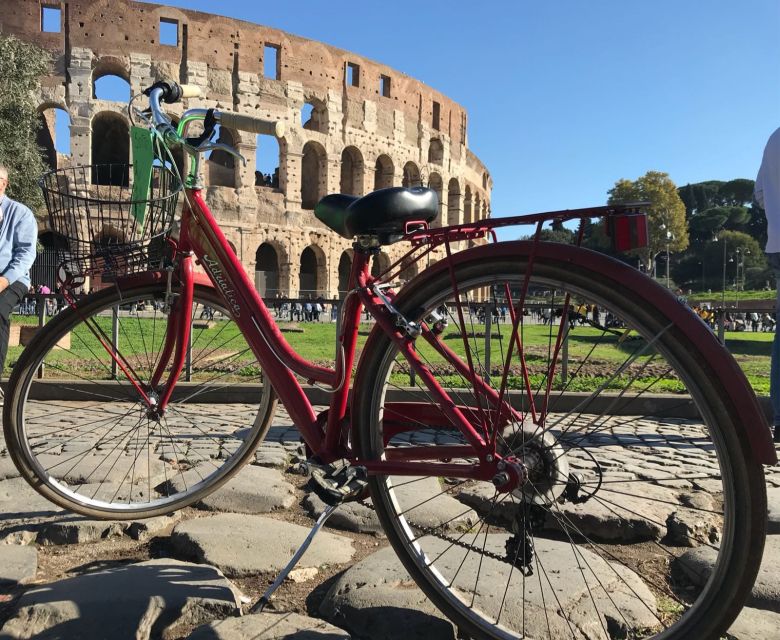
Your meeting point is Via di S. Calisto, 9. Arrive 15 minutes early so you have time to check in, get fitted to the bike, and settle before the group sets off.
This is one of those tours where the first few minutes matter. You’re going to be riding through areas that feel like Rome does in films—tight streets, quick turns, and plenty of pedestrians. A little ramp-up at the start helps you relax into the flow.
The tour is offered with live guidance in English, French, Spanish, and Italian. That matters more than you might think: when the guide can explain what you’re seeing clearly, you get more from every stop.
Trastevere Streets to Aventine Hill: Narrow Lanes, Big Views
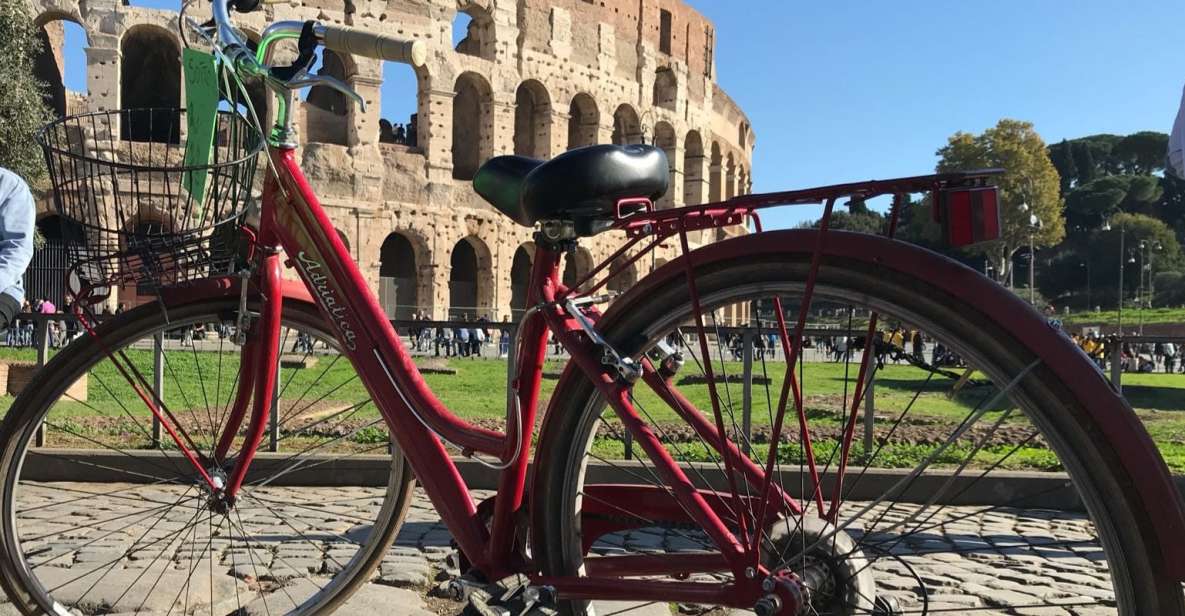
After you start, you’ll ride through Trastevere, famous for its narrow, lived-in lanes. This part is less about monuments and more about atmosphere. It’s where you feel the medieval texture of Rome before the imperial era takes over the skyline.
Then you reach Aventine Hill, one of the tour’s best payoff moments. You’re there for a panoramic perspective—exactly the kind of belvedere view that makes Rome look like a city built on layers. Even if you’ve seen pictures before, the angle helps things click: you begin to understand how neighborhoods stack over one another.
Why I like this segment for you: it sets a visual rhythm. You start with intimate streets, then jump to a wide city view. That contrast keeps the ride interesting and gives your brain something to anchor to.
Practical note: plan for frequent stops and starts. This is normal in city riding, and the guide’s pacing keeps it manageable.
Circus Maximus and the Colosseum: Icons, Explained
From Aventine, the route moves into the imperial zone. You’ll pass by Circus Maximus and then reach the Colosseum, the icon everyone comes for.
The Colosseum stop works best when you approach it with questions. Not just: Where is it? Instead: What was happening here, and why did Romans build on this scale? That’s where the local guide earns their keep. Expect explanations that connect the monument to Rome’s political power and public life.
You’ll also get photo moments from the bike route. That’s a big advantage if you’re not trying to spend hours inside ticketed sights. You still get the emotional hit of seeing the Colosseum in real life, with the added benefit of guided context.
One consideration: because this is a famous area, you’ll be navigating around foot traffic. The tour helps by keeping you moving in a group with a plan, but your comfort matters. If you get overwhelmed easily in crowded streets, take a deep breath and remember: stops are part of the process.
Capitoline Hill Panorama: Roman Forums From Above
Next comes Capitoline Hill, where you get a panoramic view over the Roman forums. This is one of those “worth the effort” moments. You’re not looking at ruins from the ground level; you’re getting the broader layout.
From this angle, you can start to map Rome’s idea of power onto geography. The forums aren’t just scattered stones—they read like a functioning hub when you can see how the space opens up.
This stop also helps you mentally connect the tour’s other landmarks. The Colosseum is the spectacle side of imperial Rome. The forum view gives you the governance and civic heart. Together, it makes your sightseeing feel less like a checklist.
Tip for you: bring your best “camera-ready” mindset. Panoramas are quick in tours, so be ready to frame fast and then listen while the guide points out what you’re looking at.
Trevi Fountain, Spanish Steps, and Trinità dei Monti
After the imperial viewpoints, the route shifts to classic baroque Rome. You’ll make your way to Trevi Fountain, where you’ll have time for a visit and photos.
Trevi is famous for a reason, but the value here is timing and context. If you know what to look for, you stop seeing it as just a crowd magnet and start seeing it as a designed statement—where sculpture, water, and drama work together.
Then the tour heads toward the Spanish Steps and the nearby Trinità dei Monti church. This is a great stretch for understanding how different Rome looks at walking level. The steps aren’t only about the climb; they’re about the stage-like feel of the area and how people move around it.
Why this matters on a bike tour: you get to compare eras in sequence without losing momentum. You just came from stone ruins and skyline views, and now you’re in a world of designed grandeur.
Pincio Balcony and Piazza del Popolo: Wide Rome, Different Light
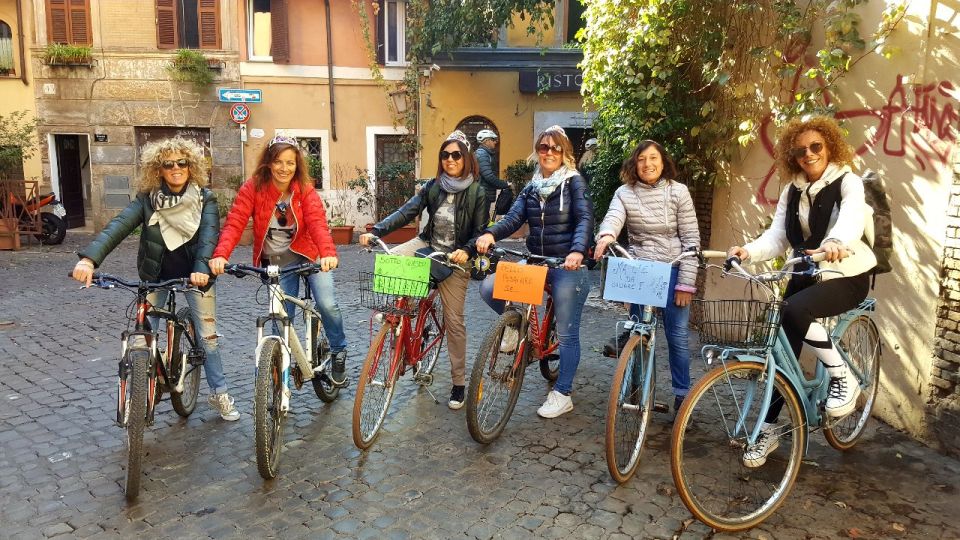
Next up: more panoramas at the Pincio balcony and Piazza del Popolo (People’s Square). This segment is basically a “reset the view” moment. You’re no longer focused on one landmark; you’re looking across the city and noticing how the skyline behaves.
I like this part for two reasons. First, it breaks up sightseeing fatigue. Second, it gives you a mental map you can carry into the rest of your days in Rome. When you later walk these areas on your own, you’ll recognize sightlines and streets more quickly.
Because Rome light changes fast, the timing can make a big difference in how buildings and rooftops look. You’ll feel that shift during the ride. It’s not something you can replicate in a museum hall.
Piazza Navona and Bernini’s Four Rivers Fountain
Then it’s on to Piazza Navona, one of Rome’s most theatrical squares. Here you get a visit and photo stops around the area’s most famous fountain work: Bernini’s Fountain of the Four Rivers.
This is where the tour becomes more than “big-name stops.” Piazza Navona is a living public space. You’ll see the shape of the square and the way the fountain anchors it. The guide’s explanations help you notice details that most people skim past when they’re just looking for a quick photo.
The Four Rivers theme is especially memorable if the guide points out how the symbolism ties into Bernini’s world. Even if you don’t remember every detail afterward, you’ll remember the feeling: the square is designed to be looked at, lingered in, and returned to.
If you’re the type who likes a little art and symbolism with your sightseeing, this is one of the most satisfying stops on the ride.
Finishing Stretch: Castel Sant’Angelo and St. Peter’s Basilica Views
As your tour wraps up, you’ll end with views of Castel Sant’Angelo and Saint Peter’s Basilica. This finish makes sense because it’s a natural transition: you start with Rome’s older layers and end with the city’s grand religious heart.
Even if you’re not going inside during this tour, you’re still getting the “big picture” moment. When you stand in the right line of sight, St. Peter’s doesn’t feel abstract—it feels like the final chapter of a visual storyline you’ve been following.
And for you, that means less post-tour confusion. After the ride, you’ll have a clearer sense of what’s near what, and what direction you might want to explore next.
Price and Value: Why $71 Can Make Sense Here
At $71 per person for 3 hours, the value is mostly in the package. You get:
- a tour guide
- a bike
- a helmet
- and a child seat option (if needed)
Food and drinks aren’t included, so you’ll want to handle that yourself. The flip side is that you’re not paying for a meal you might not like or won’t have time for. In a short tour, that can be a win.
The real value isn’t just speed. It’s the guidance that turns “I saw places” into “I understand what I saw.” The reviews back this up with praise for guides who bring stories and useful details. Names that came up include Lorenzo, and the tour operators Mario and Maurizio—all associated with friendly, story-driven guiding, and even small restaurant tips at the end of some tours.
If you’re in Rome for a limited time, this kind of guided bike loop is one of the most efficient ways to get a big overview without buying multiple tickets.
What You’ll Need to Know Before You Ride
This tour isn’t built for people who can’t bike. If balancing a bike in traffic-like conditions isn’t your thing, skip it and choose walking instead.
For essentials, bring:
- Passport or ID card
- a copy accepted
Helmet is included, which is a relief because you don’t have to hunt one down. The route also includes narrow streets, so your comfort level matters. You’ll be spending most of the time seated and moving, with periodic photo and visit stops.
Also, don’t plan on snack-and-sip convenience. Food and drinks aren’t included, so if you think you’ll want water or a small bite, plan ahead.
Who This Tour Fits Best
This is a strong fit if:
- you want a first-time Rome overview
- you like getting photos from viewpoints (not just street level)
- you want a guide to explain what you’re looking at
- you can ride a bike confidently
It’s not the best match if:
- you want long museum-style stops
- you need a totally relaxed pace with minimal riding
- you’re not comfortable navigating a guided bike route through busy areas
Should You Book This Rome Monuments and Belvederes Bike Tour?
I’d book it if you want a clean, practical way to experience Rome’s top sights in one morning/afternoon block, with viewpoints that help you see the city’s layout. The mix of Trastevere streets, Aventine Hill panoramas, Colosseum and Circus Maximus, then Trevi, Spanish Steps, Pincio, Piazza Navona, and a finish near Castel Sant’Angelo and St. Peter’s makes it feel like a real route through Rome’s eras.
If you’re a comfortable cyclist and you like your sightseeing with story and context, this tour is a good value use of a half-day. If biking stresses you out, it’s better to save your energy for walking tours where you can move at your own pace.
FAQ
How long is the Rome Monuments and Belvederes Bike Tour?
The tour lasts 3 hours.
Where do I meet for the tour?
You meet at Via di S. Calisto, 9. Arrive 15 minutes before the start time.
Is a guide included?
Yes. The tour includes a live tour guide.
What’s included with the bike tour?
The tour includes a bike, helmet, and child seat (if needed), plus the tour guide.
Do I need to bring ID?
Yes. Bring a passport or ID card. A copy is accepted.
What languages are available?
The live tour guide is available in English, French, Spanish, and Italian.
What’s the cancellation policy?
You can cancel up to 24 hours in advance for a full refund.
If you want, tell me your travel dates and whether you’re comfortable biking in busy streets, and I’ll help you decide if this is the right “first Rome” tour or better swapped for something more walking-focused.