REVIEW · ROME
Doria Pamphilj Gallery Entry Ticket
Book on Viator →Operated by Rome Tour Tickets · Bookable on Viator
A private Roman art trove, minus the crowds. The timed entry ticket gets you into Palazzo Doria Pamphilj for a self-paced walk through a family-owned collection, with an audio guide to point you toward what matters. I love that you can set your own pace, and I love spotting heavyweights like Caravaggio in a calmer setting than the big-name museums.
The downside to keep in mind: details around the audio guide can be confusing, and if you buy from a third party you’ll want to read the voucher instructions carefully. Do that, and the experience is a great way to get real, focused exposure to 15th–18th century Rome-era art without feeling rushed.
In This Review
- Key Things to Know Before You Go
- Palazzo Doria Pamphilj: Why This Gallery Feels Different
- The Collection: From Innocent X to a Family’s Still-Private Collection
- What You’ll See (and What to Prioritize)
- Start with the Baroque power hitters
- Use the audio guide to connect paintings to the family story
- Don’t ignore the breadth: 15th–18th century variety
- The Self-Guided Flow: How to Make the Most of Two Hours
- Timed Entry from 10:00–18:00: Choosing the Right Slot
- Audio Guide Reality Check: What You Can Expect
- Price and Value: Is $34 Worth It?
- Where This Fits Best in Your Rome Plan
- A Few Practical Tips Before You Book
- Should You Book This Ticket?
- FAQ
- What is the location of the Doria Pamphilj Gallery?
- How long does the visit take?
- How much is the Doria Pamphilj Gallery Entry Ticket?
- Is timed entry available, and what times can I choose?
- What’s included with the ticket?
- What is not included?
- Is it weather-dependent or refundable?
Key Things to Know Before You Go
- Timed entry every two hours (10:00 to 18:00) helps you plan your day and reduce waiting.
- Over 400 paintings / 15th–18th century collection gives you variety without taking all day.
- Masters on the walls include Bernini, Caravaggio, Titian, Velázquez, and more.
- Audio guide for self-paced exploring is part of the experience, but confirm what’s active on your visit.
- Family-owned palace atmosphere means the collection still feels personal, not corporate.
Palazzo Doria Pamphilj: Why This Gallery Feels Different
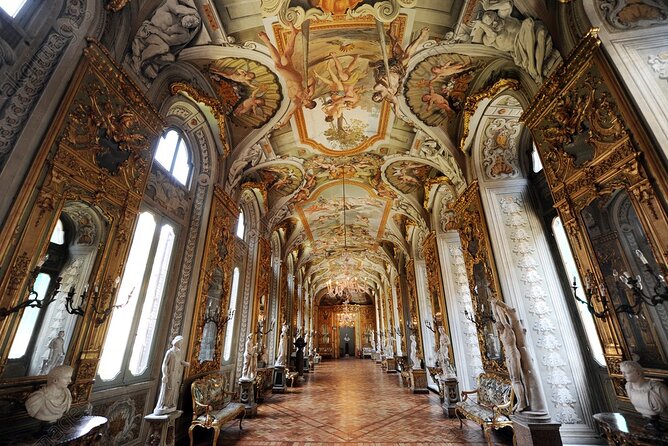
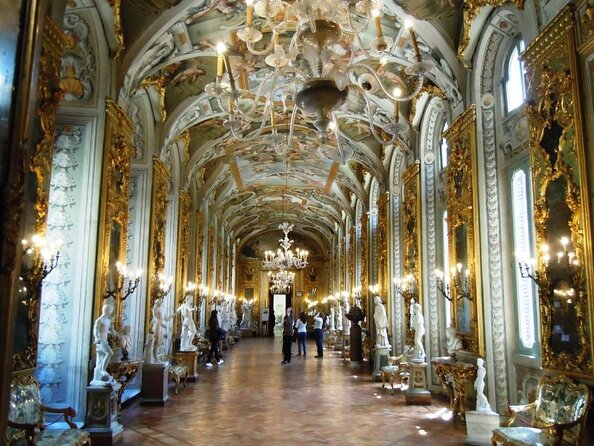
If you think Rome’s art scene only means mega-museums with timed tickets and chaos, Palazzo Doria Pamphilj is a smart alternative. You step into a private collection housed in a palace that has stayed in the same family for centuries. That matters because the visit doesn’t feel like you’re being processed. It feels like you’re walking through someone’s careful choices—what they kept, what they hung together, and how they want their inheritance of art to be seen.
This is also the kind of museum where timing works in your favor. Your admission is set up for timed entry, with slots available every two hours from 10:00 to 18:00. That structure helps you avoid the worst of the day’s bottlenecks and gives you a clearer plan for how long you’ll spend on each room.
And the scale is part of the charm. The collection covers a wide span—15th to 18th century works—and includes major names. But it’s still sized so you can realistically absorb a lot in about two hours. That’s ideal if you want something high-impact without committing to a half-day or more.
You can also read our reviews of more tours and experiences in Rome


The Collection: From Innocent X to a Family’s Still-Private Collection
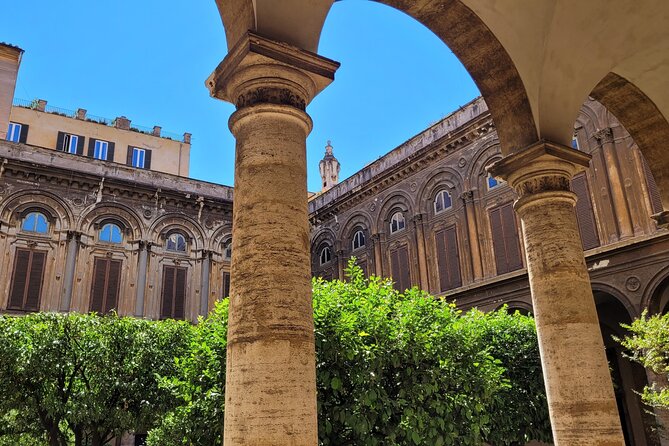
Palazzo Doria Pamphilj is tied to a clear origin story. The collection began with Pope Innocent X Pamphilj in 1644. Over time, the family built a remarkable body of work and kept it within the household—still owned by the Doria Pamphilj family (pronounced Pom-fee-lee).
Today, the gallery’s collection is described as consisting of over 400 paintings, and the museum overall is said to include over 650 works spanning the 15th to 18th centuries. That range is a big deal. You’re not only seeing one style or one moment in time—you’re moving through Renaissance and Baroque art as European tastes shifted.
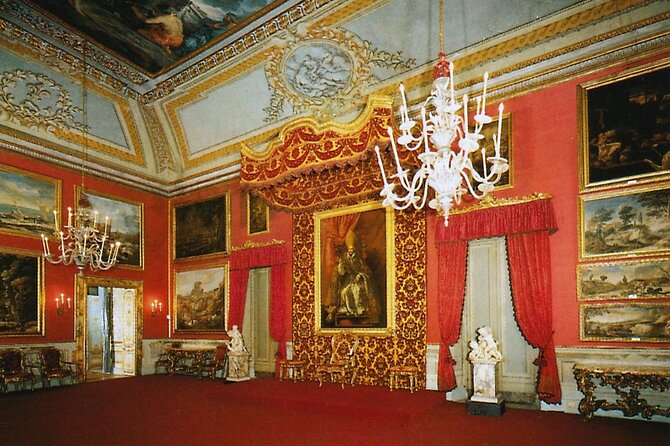
What I like about this setup is that the palace context gives you an extra layer of meaning. You aren’t just looking at paintings as standalone images; you’re seeing how the family assembled them, how they’re arranged, and how the room-to-room experience changes the way you connect the works. You also get the sense that the collection isn’t just there to be displayed—it’s there to be curated by people who still feel ownership.
Expect major artists named in the collection information, including Bernini, Caravaggio, Titian, Velázquez, Carracci, and Bruegel. Even if you’re not a museum expert, these names act like signposts. They help you focus your attention fast, especially in a self-guided visit.
What You’ll See (and What to Prioritize)
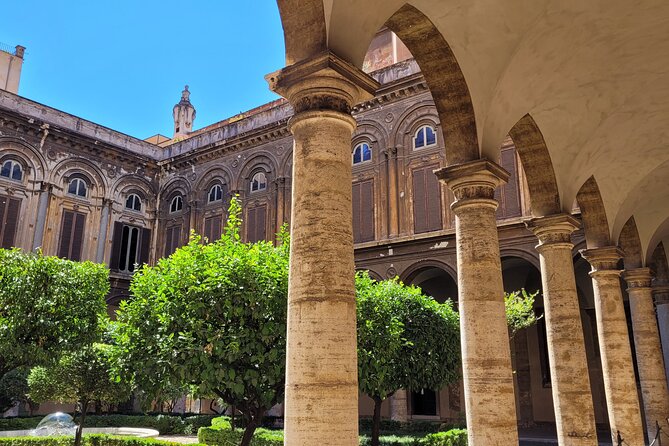
Your entry ticket centers on Villa Doria Pamphilj, where the museum portion of the palace lives. With a self-paced approach, your job is simple: use the audio guide to decide which masterpieces to linger on and which rooms to treat as warm-up.
Here’s how I’d prioritize your time if your goal is to leave with the feeling you really saw something important:
Start with the Baroque power hitters
This gallery is especially strong for Baroque drama. When you see works by Caravaggio and Bernini, you’re looking at art that is built to be felt—light, gesture, and emotion all doing the heavy lifting. If you only stop at a few pieces, make these your anchors.
Use the audio guide to connect paintings to the family story
One of the most interesting claims connected to the audio guide is that it’s narrated by someone tied to the Pamphilj family (described as a descendant of a pope). That kind of narration can change how you read paintings. Instead of treating them like museum objects, you start thinking about why a family preserved them, how they wanted the art remembered, and how the collection evolved over time.
You can also read our reviews of more museum experiences in Rome



Don’t ignore the breadth: 15th–18th century variety
Even though the headliners get attention, the collection information signals wide coverage across centuries. That means you can spend time bouncing between different artistic eras without the visit feeling like a one-note show.
One more detail worth knowing: the collection includes a painting described as extremely realistic, kept in a special place, and said to have had its own room since the 19th century. The takeaway for you is practical: if a room feels intentionally set apart, don’t rush it. Those “made-for-it” spaces usually signal what the family considered important.
The Self-Guided Flow: How to Make the Most of Two Hours
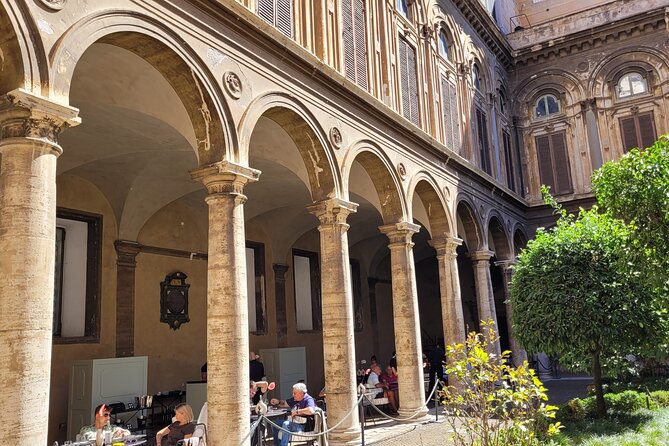
A self-guided museum can go two ways: you either have control and clarity, or you drift. The ticket is designed to prevent drift by giving you timed entry and an audio guide for navigation and context.
A smart way to manage your time is to create your own mini-itinerary:
- Pick 3–5 must-see artists (start with Caravaggio, Bernini, Titian).
- Spend a little extra time where the audio guide gives you the most context.
- Let the rest of the rooms be what they are: supporting scenes that help the masterpieces land.
If you’re the type who likes to read captions and absorb details, this museum style can feel satisfying because the content is concentrated. If you’re more of a “see the important things and keep moving” person, the palette of famous names helps you move quickly without feeling like you’re missing everything.
And because the duration is listed as about two hours, you can plan your day around it. It’s long enough to feel like a real museum visit, but short enough that it doesn’t steal your entire Rome afternoon.
Timed Entry from 10:00–18:00: Choosing the Right Slot
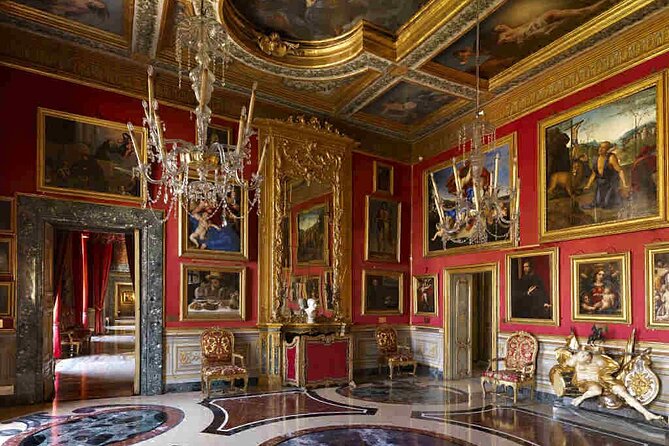
The ticket gives you the option of timed entry slots every two hours between 10:00 and 18:00. That’s not just a scheduling detail—it’s a practical advantage.
Earlier entry slots often help if you want a calmer start to your museum day. Later slots can work well if you’re pairing this with other sightseeing that naturally runs later. The main value is control: you choose when you walk in, instead of hoping you catch an opening.
One more practical point: timed entry doesn’t mean “show up any time.” Treat your booked time as your arrival target so you’re not losing minutes at the start. If you’re coming via public transportation, that buffer matters—this experience is listed as near public transport.
Audio Guide Reality Check: What You Can Expect
The experience is described as including an audio guide for self-paced exploration. That’s a big part of the value because it turns the collection into a story instead of a room-by-room scan.
In at least one account of the experience, the audio narration is described as coming from a family member connected to the Pamphilj line, which makes the guide feel less like a generic commentary and more like lived perspective. Even if you only catch a few sections of that narration, it can improve your understanding of the art and the family behind it.
That said, there’s also a caution you should take seriously: some people have reported confusion about whether audio was available when they arrived. You might not need to overthink it, but you should do one thing: confirm the audio guide details tied to your specific ticket/voucher before you rely on it. If your plan is to use audio heavily, this is worth your attention.
Price and Value: Is $34 Worth It?
At roughly $34, this ticket sits in the mid-range for Rome’s major art stops. The key question for value is whether you’re paying for the art or paying for speed.
One highlighted complaint points out that on-site prices can be significantly lower than what’s charged by a third-party booking channel. Another response emphasizes that the extra cost is often about convenience—specifically hassle-free entrance and saving time waiting for tickets at the venue.
So here’s how to decide:
- If you hate waiting and you want your museum time to start on your schedule, paying for the smoother entry may be worth it.
- If you’re comfortable handling lines and want to try for the on-site price, you might find better value by booking directly—assuming the day/time you want still has availability.
Also, remember what you’re getting with this specific offer: admission for a timed, self-paced visit centered on a major private collection. You’re not paying for a full guided tour with a person leading you room-to-room. The value is in access plus context from the audio system.
Where This Fits Best in Your Rome Plan
This experience is best for people who want:
- High-quality art without the fatigue of an all-day museum marathon
- A self-guided format where you can pause when something grabs you
- A smaller, calmer setting compared with Rome’s biggest institutions
It also makes sense if you’re doing a Rome itinerary where you want variety. After churches, squares, and outdoor views, a palace collection gives you indoor focus and art depth.
If you’re traveling with someone who loves art but hates structured tour pacing, the audio + self-paced model can be a good match. If you dislike listening to audio devices, you can still enjoy the visual impact, but you’ll want to spend more time reading what’s available on-site.
A Few Practical Tips Before You Book
Here are the parts that are most likely to affect your experience day-of, based on the way the ticket is set up:
- Use your booked time: timed entry is the point—treat it like an appointment.
- Read your voucher instructions carefully if you’re booking via a third party. Ticket office mix-ups are often about redemption steps, not the collection itself.
- Plan on about two hours and don’t try to cram it between back-to-back long walks unless you like stress.
- Check what’s included in your exact ticket if audio is important to your visit. The listing emphasizes audio, but it’s still wise to verify your voucher.
Should You Book This Ticket?
Yes, you should—if your priority is a private palace collection with major-name art, in a time-boxed visit that’s easier to manage than Rome’s mega-museums. It’s especially good if you like having context from an audio guide and you want freedom to linger where your attention goes.
Skip or reconsider if you’re planning a visit where you must have everything handled perfectly with no friction. This is a self-paced ticket focused on admission and context, and the experience is sensitive to how your ticket is redeemed (especially if you buy through a reseller). If you’re careful with your voucher and you’re okay being flexible once you’re inside, it’s a strong value for the art you’ll see.
If you want, tell me your travel dates and what other Rome sites you’re pairing it with, and I’ll suggest a sensible time slot strategy.
FAQ
What is the location of the Doria Pamphilj Gallery?
It’s in Rome, Italy, at Palazzo Doria Pamphilj.
How long does the visit take?
The experience is listed as about 2 hours.
How much is the Doria Pamphilj Gallery Entry Ticket?
The price shown is $34.
Is timed entry available, and what times can I choose?
Yes. Timed entry is available every two hours from 10:00 to 18:00.
What’s included with the ticket?
The ticket includes museum entrance and access to the history of the Doria Pamphilj Gallery as part of the experience.
What is not included?
A guided tour is not included, and entry to the private rooms of the palace is not included.
Is it weather-dependent or refundable?
This experience requires good weather. It is non-refundable and cannot be changed once booked.