REVIEW · ROME
Combo Tour: Vatican and Colosseum in One Day
Book on Viator →Operated by City Walkers Tours · Bookable on Viator
Five wonders, one packed day. This combo tour strings together the Colosseum and Roman center with the Vatican Museums and the Sistine Chapel, using an English guide and included entry tickets so you can move fast without losing hours to ticket lines.
I love the priority mindset here: the Colosseum stop is built around getting you in with guaranteed Colosseum admission, then turning your time into actual looking and learning. I also like the human touch—guides such as Adriano at the Colosseum and Raul in the Vatican are the type who explain what you’re seeing in a way that makes ancient Rome feel less like a textbook.
One real consideration: the Vatican and Colosseum sections don’t include a transfer, and the meeting points are separate. That means you’ll need to plan the hop across town yourself and build in time, especially if you’re trying to avoid a stress spiral.
In This Review
- Key things to know before you go
- A tight 6-hour Rome plan that hits the big targets
- Colosseum morning: what “guaranteed entry” really buys you
- Palatine Hill: Romulus, the seven hills, and the real setting for Rome’s start
- Roman Forum: where laws, religion, and politics lived close together
- Vatican Museums: the art route before the Sistine Chapel
- Sistine Chapel: timed to help you see the ceiling and Last Judgement
- Price and value: what you’re really paying for at $226.37
- Logistics that can make or break your day
- Separate meeting points, no transfer
- Early arrival matters
- Names on the tickets and ID matching
- Who this tour suits best
- My honest bottom line: should you book it?
- FAQ
- What is the start time for the tour?
- How long is the tour?
- Is the tour offered in English?
- Are entry tickets included?
- Are there different meeting points for the Colosseum and Vatican?
- Is the tour suitable for mobility impairments?
Key things to know before you go
- Guaranteed Colosseum entry helps you spend the morning focused on the ruins instead of lines.
- Headsets are included, so your guide’s explanations stay clear in busy spaces.
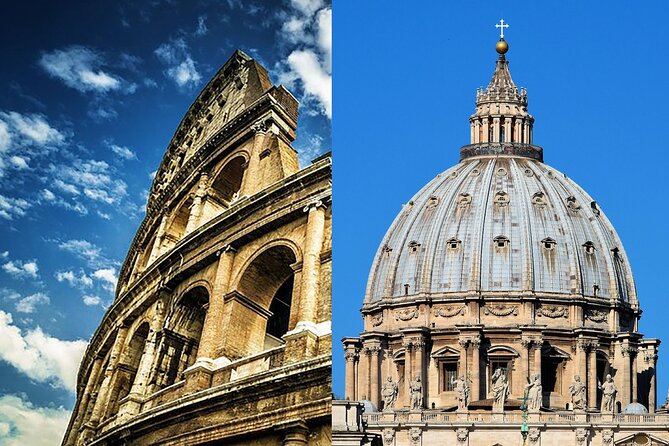
- Roman Forum + Palatine Hill in one arc connects Rome’s origin myth to imperial power.
- Vatican Museums + Sistine Chapel are timed as a focused route through the galleries.
- Separate meeting points and no transfer mean logistics are on you between locations.
A tight 6-hour Rome plan that hits the big targets
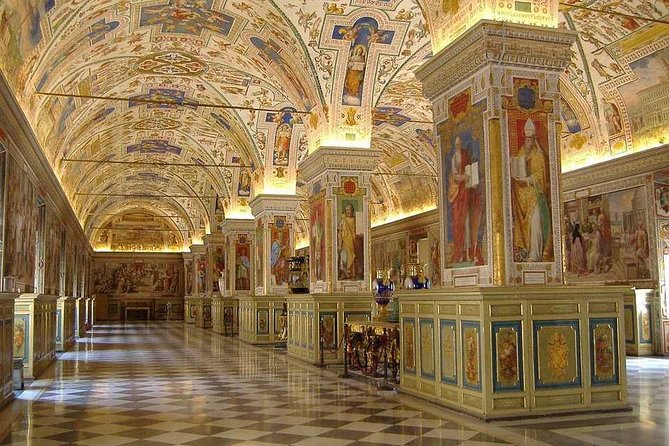
This is a classic one-day Rome “power tour” built around five headline sights: the Colosseum, Palatine Hill, the Roman Forum, Vatican Museums, and finally the Sistine Chapel. The total time is about 6 hours, which is enough to see a lot, but it is not enough for lingering like you would on a slower day.
What makes it interesting is the order and the story arc. You’re not just dropping into monuments at random. You move from imperial entertainment (Colosseum), to the hill where the city’s early myth and power base grew (Palatine Hill), to the political core of Rome (Roman Forum), and then you switch worlds to the Vatican art and fresco focus that ends in the Sistine Chapel.
You can also read our reviews of more tours and experiences in Rome
Colosseum morning: what “guaranteed entry” really buys you
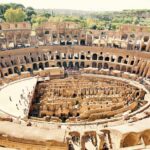
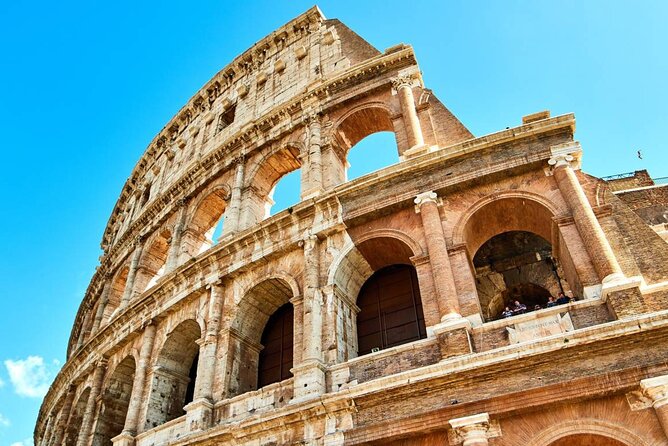
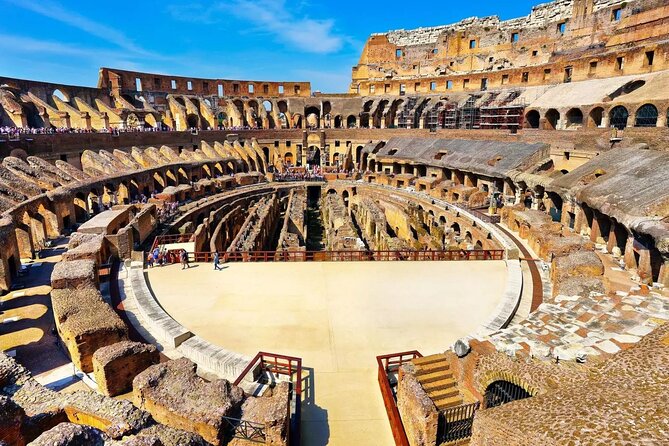
The day starts at the Colosseum area, with 1 hour assigned to the Colosseum itself and an included admission ticket. You’re walking in as part of a guided group, so you’re not left juggling ticket booths, time slots, and unclear entry procedures.
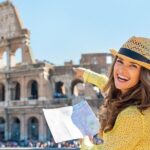
This stop is built to be more than a photo stop. You’ll hear the Colosseum’s official name—Flavian Amphitheatre—and the timeline: construction began around 72 AD and finished around 80 AD, roughly an eight-year build. Your guide also covers the political and social background of the Roman Empire around the time it was constructed and how the amphitheatre fit into Roman life.
A helpful detail in the tour description is that visitor numbers have been reduced, which can mean fewer crush moments and more breathing room to actually look. Even with reduced crowds, the Colosseum is still a major site, so expect wind, sun, and lots of walking on uneven surfaces.
What to watch for: this tour isn’t labeled as mobility-friendly, so if you need step-free routes, don’t assume it will work smoothly.
Palatine Hill: Romulus, the seven hills, and the real setting for Rome’s start
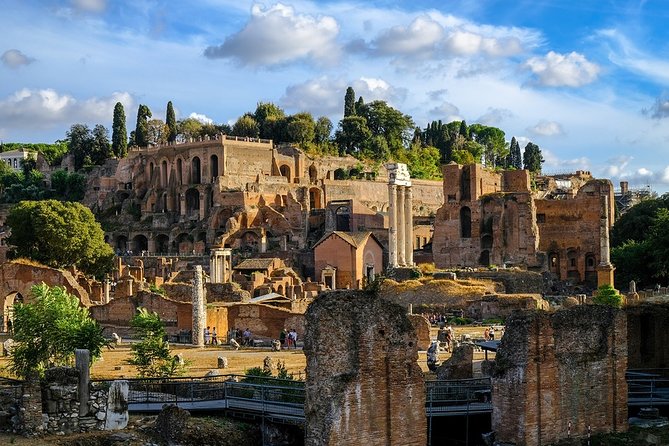
Right above the Roman Forum is Palatine Hill, with about 45 minutes planned and included entry. This is where the tour tries to connect place to story—where Rome’s founding myth and early settlement ideas take shape, before the city became an empire-machining machine.
You’ll hear a specific origin detail: Rome’s establishment is placed at 753 BC, April 21 in the tour’s framing, and Palatine is where the first nucleus took form. The tour also points out why Romulus chose this hill: it’s described as ideal and central among the seven hills, and early high-ground settlements also made strategic sense—closer to strength in a crisis and better protection against floods.
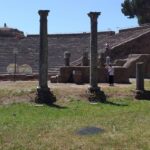
Once you’re up there, the walking becomes the point. You’re tracing the topography of where houses, villas, and palaces of kings, emperors, and notable people once stood. In practice, you’re looking at ruins while your guide turns them into a mental map.
Small practical truth: Palatine Hill is visually rewarding, but it’s also one of those places where you’ll feel the day building up in your legs. Wear shoes you trust on rocky pathways.
Roman Forum: where laws, religion, and politics lived close together
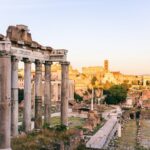
Next comes the Roman Forum, again for about 45 minutes with included entry. This is the political, religious, judicial, and financial center of Rome and the broader Roman Empire. The tour framing emphasizes the transformation: a city that started as a regional power became the core of an ancient superpower.
You’ll get a sense of how the Forum grew out of marshy land. The description explains that even under the regal period, it was chosen as a social, political, and religious center, and later became the setting for major buildings—such as the senate’s house, temples, basilicas, and more.
If you’ve visited a few ruins before, you’ll appreciate what the Forum does differently. It’s not one giant arena with clear sightlines. It’s a living patchwork of stone remains, and the guide’s job is to help you orient what you’re looking at and why it mattered. That makes the time here feel less random.
Potential drawback: because the Forum is spread out and the site is busy, 45 minutes is more like a focused tour than a slow wander. If you hate feeling rushed, consider adding extra time after.
Vatican Museums: the art route before the Sistine Chapel
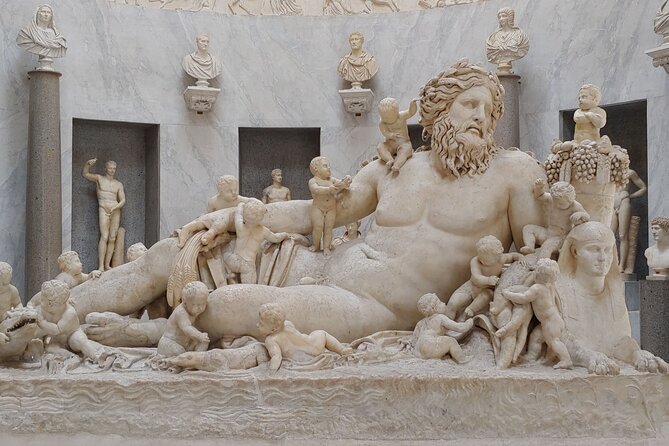
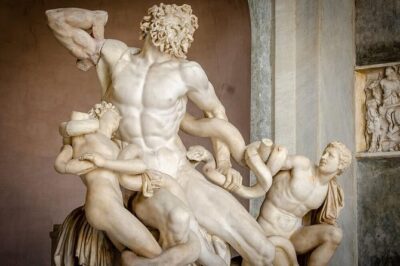
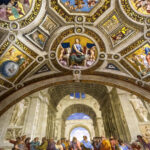
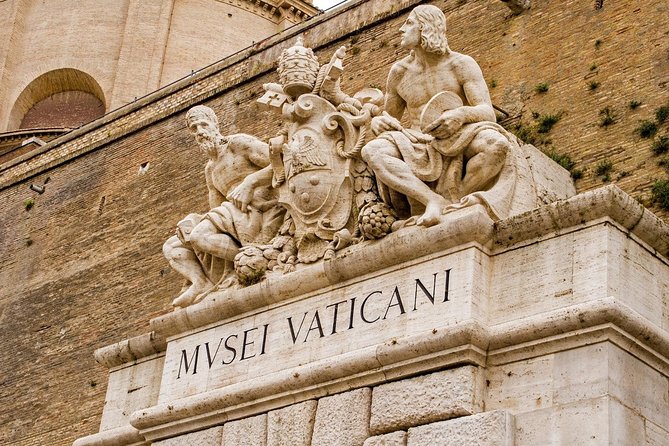
The biggest change of the day is the jump to the Vatican. The tour includes Vatican Museums entry and lasts about 2 hours for this portion. It ends by steering you toward the Sistine Chapel.
The description gives a helpful context hook: Vatican City is framed as the smallest country in the world, yet it hosts some of the most important monuments and artworks of all time. You also get a reminder about Christian origins around the Vatican area, including the role of Emperor Constantine commissioning early churches in the 4th century, such as St. John and St. Peter’s.
In practice, Vatican Museums can feel like you’re drinking from a fire hose. What you’re buying with a guided route is not seeing everything. It’s seeing enough, in a logical path, without losing yourself in gallery sprawl. The tour’s structure—museums now, Sistine Chapel after—helps prevent the common problem of arriving at the Chapel already exhausted.
What to watch for: Vatican spaces mean security lines and strict rules. Even with your entry included, don’t assume the whole building is frictionless. Move with purpose when staff say move.






Sistine Chapel: timed to help you see the ceiling and Last Judgement
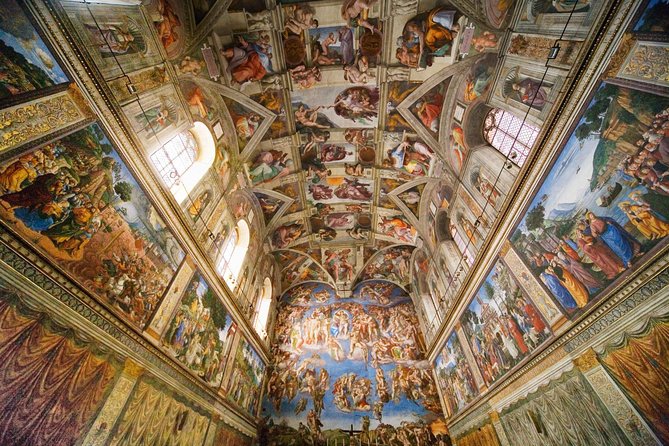
The final stop is the Sistine Chapel, with about 30 minutes. This is the star: Michelangelo’s fresco ceiling and the Last Judgement take center stage, and you’ll also hear why the chapel is called what it is.
The tour notes that it was originally called Cappella Magna, or big chapel, and that Pope Sixtus IV restored it in the 15th century—giving it the name you know today. You’ll also learn that it’s tied to the papal process and is the place for the Papal Conclave when a new pope is selected.
A key advantage in the tour description is timing: entering before general opening can mean a less chaotic first look. That matters because once the crowd wave hits, it’s harder to settle your eyes on details in the frescoes.
Be realistic about time: 30 minutes is enough to take it in if you keep your pace. If you want to study like an art student, you’ll want a longer visit another day.
Price and value: what you’re really paying for at $226.37
At $226.37 per person, this is not a budget deal. Still, it can be good value if you care about avoiding ticket-line stress and you want a guide for interpretation.
Here’s the value math the tour gives you. The included admissions cover:
- Vatican Museums
- Sistine Chapel
- Colosseum, Roman Forum, and Palatine Hill entrance tickets
The Colosseum ticket pricing is listed as €18 for adults and €0 for children under 18. The tour description also makes clear that the remaining cost covers other services, including the guide and headset setup. That headset detail matters in Rome: it’s hard to hear in crowded spaces, and poor audio turns a great guide into background noise.
Also note the group cap is 25 travelers. Some people like that size; others feel it’s still too many faces in tight rooms. One practical lesson: even if the group number stays within limits, the Vatican can still feel crowded because of site traffic and security rules.
My take on the price: if you’d otherwise buy multiple tickets and still want a guided explanation for each stop, this combo can feel like buying time and clarity. If you prefer total freedom and slow pacing, you might get better value by splitting it into separate visits.
Logistics that can make or break your day
This is where you should pay attention, because the tour is two-site in spirit but one-day in reality.
Separate meeting points, no transfer
The meeting point for the Colosseum side is L.go Gaetana Agnesi, 5, 00184 Roma RM, Italy with a start time of 9:20 am. The Vatican portion ends at Sistine Chapel, 00120, Vatican City (with a different meeting start point for Vatican Museums, since transfers are not included).
That means you’ll need to travel between the Colosseum area and the Vatican on your own. Plan for taxi or whatever works for you, and add buffer time. If you assume someone will shuttle you, you’ll be stuck improvising.
Early arrival matters
You’re asked to arrive 20 minutes early to guarantee a smooth departure. For Rome, that’s sensible. Entrance processes can be strict, and “we’ll meet right at the time” is how days go wrong.
Names on the tickets and ID matching
You must provide full names and dates of birth when booking. And at the Colosseum and Roman Forum ticket office, you need a valid passport or ID that matches the name on your voucher. If your ID name doesn’t match exactly, you risk entry problems.
Who this tour suits best
This combo is a fit if you want to see the top hits of Rome in one day and you’re okay with a guided pace. You’ll also enjoy it more if you like context—how places connect, not just what they look like.
I’d also say it’s best for visitors with at least moderate stamina. The tour description flags a moderate physical fitness level and says it is not suitable for travelers with mobility impairments.
My honest bottom line: should you book it?
Book this tour if you want one-day coverage that connects the Colosseum to the Vatican through guided explanations, with admissions handled and headsets included. It’s a strong choice when you care about priority entry and you don’t want to piece together logistics for multiple sites.
Skip it (or plan carefully) if you hate planning the in-between. Because there are separate meeting points and no transfer, you’re responsible for that jump across Rome. Add time for taxis, and don’t treat the schedule like a straight line.
If your ideal Rome day is slow and flexible, consider a separate Vatican day and a separate ancient Rome day. But if your calendar is tight, this combo is one of the more practical ways to hit the big names without wasting hours.
FAQ
What is the start time for the tour?
The start time is 9:20 am.
How long is the tour?
The duration is about 6 hours.
Is the tour offered in English?
Yes. The tour is offered in English.
Are entry tickets included?
Yes. The tour includes entry/admission for Vatican Museums, Sistine Chapel, and Colosseum, Roman Forum, and Palatine Hill.
Are there different meeting points for the Colosseum and Vatican?
Yes. There are two separate meeting points—one for the Colosseum side and another for the Vatican Museums side. Transfer between them is not included.
Is the tour suitable for mobility impairments?
No. The tour is not suitable for travelers with mobility impairments.