REVIEW · ROME
Colosseum with Arena and afternoon Vatican Museums Tour
Book on Viator →Operated by VIVICOS INTERNATIONAL TRAVEL SRL · Bookable on Viator
Two icons, one tight day plan. I like the arena-floor access and the headset-guided format that keeps things moving without total chaos. The main drawback is simple: this is a high-effort schedule, so if you’re slow or delays hit, you’ll feel the squeeze.
This is built as a two-in-one “premier access” setup. The Vatican Museums/Sistine Chapel side is run in a small group (no more than 10 people), so you get more attention and less bottlenecking at the commentary level. It also helps that the Vatican portion starts at 10:00 am at the Sistine Chapel area, meaning you’re tackling the big-ticket art before the day gets too wild.
On the Colosseum side, you’re promised special entry to the arena stage area and narration with live guidance plus personal headsets. Just know you’ll be dealing with metal detector security and crowded walking paths, and the dress code is strict: no shorts or sleeveless tops, and knees/shoulders must be covered.
In This Review
- Key things that make this tour worth your attention
- Morning start: Vatican Museums and Sistine Chapel at 10:00
- Sistine Chapel: Michelangelo’s two big moments, in real time
- Vatican Museums highlights: Candelabra, Maps, tapestries (and more)
- Raphael Rooms (Stanze di Raffaello): where the guide’s focus helps
- Borgia Apartment stop: quick art + a family story
- The handoff to the Colosseum: plan for your own transfer
- Entering the Colosseum arena: gladiator gate access and live guide talk
- Roman Forum and Palatine Hill: worth it, but don’t expect long lingering
- Price and value: is $219 a fair trade?
- Who this tour fits best (and who should skip it)
- Booking checklist: the details that can make or break entry
- Should you book this tour?
- FAQ
- What time does the tour start?
- How long is the tour?
- How big are the groups?
- Is the arena floor access included?
- Does the tour include the Roman Forum and Palatine Hill?
- Do I get a headset?
- What dress code do I need for the Vatican?
- What documents do I need for the Colosseum?
- Is transportation between the Vatican and Colosseum included?
- Is food included?
- Is the tour wheelchair friendly or accessible?
Key things that make this tour worth your attention
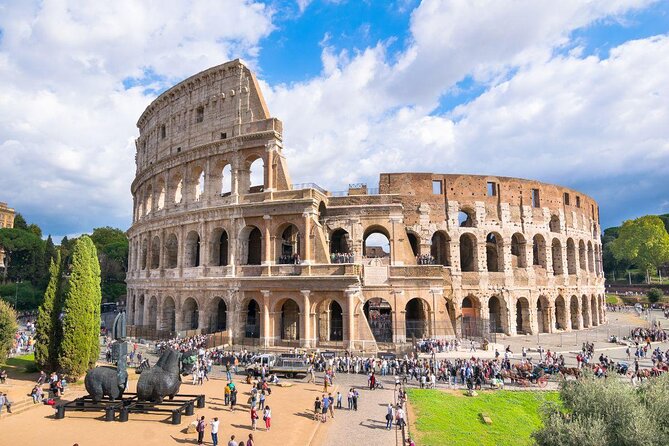
- Arena floor access through the gladiator gate: You’re not just peeking from the stands; you go into the arena zone with guided context.
- Two systems of small groups: Vatican is capped at 10 people, while the Colosseum portion is guided in small groups (24 or less) with headsets.
- Headsets for both parts: You won’t have to crane your neck through a sea of people to hear the story.
- Michelangelo and Raphael, with specific stops: Sistine Chapel plus the Raphael Rooms (Stanze di Raffaello) are built in, not left to luck.
- Borgia Apartment mini-stop: You’ll get a quick art-and-history hit tied to Pinturicchio and the Borgia family story.
Morning start: Vatican Museums and Sistine Chapel at 10:00
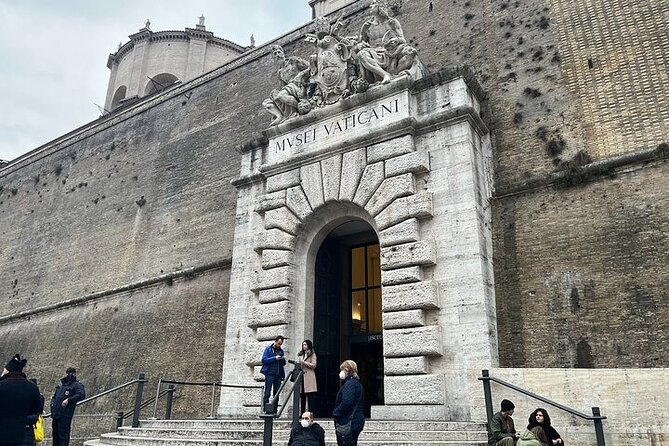
Your day kicks off at 10:00 am at the Sistine Chapel area (meeting point listed as the Sistine Chapel 00120, Vatican City). That timing matters. The Vatican can turn into a slow-moving crowd machine, and earlier starts give you a better chance to enjoy the art instead of just navigating lines.
The tour is designed around the Vatican Museums highlights, with Sistine Chapel time included as a dedicated stop. The format is guided, and you’re given personal headsets, which is a big quality-of-life upgrade when you’re surrounded by other groups.
A key detail: the Vatican has a dress code. Your knees and shoulders must be covered for both men and women. That means bring a light layer if you’re traveling in summer and you’re used to shorts. If you show up wrong, you can risk being refused entry.
You can also read our reviews of more museum experiences in Rome



Sistine Chapel: Michelangelo’s two big moments, in real time
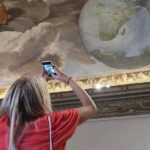
The Sistine Chapel stop is listed at about 30 minutes, with admission included. Even with that short window, the tour’s descriptions point you to what to look for rather than treating it like a generic photo stop.
You’ll get context for Michelangelo’s frescoes tied to two different periods:
- The early work under Pope Julius II, including the Creation of the world story from Genesis
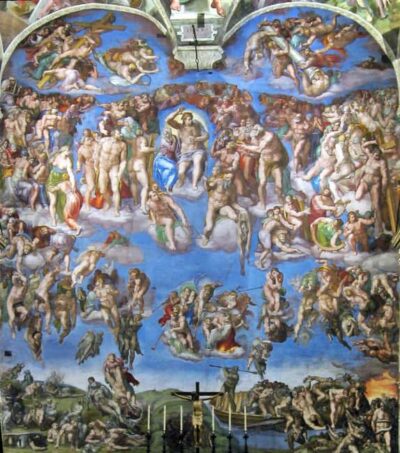
- The later work when Michelangelo returned at age 61, including the Last Judgement for Pope Paul III Farnese
Here’s the practical takeaway: if you want to see the Sistine Chapel well, you have to use your time actively. That’s exactly what a guided, headset-driven visit can help with—less wandering, more “what am I looking at and why does it matter?”
The tradeoff is that 30 minutes goes fast once you’re inside and the crowd flow takes over. If you like to linger, this portion may feel short.
Vatican Museums highlights: Candelabra, Maps, tapestries (and more)
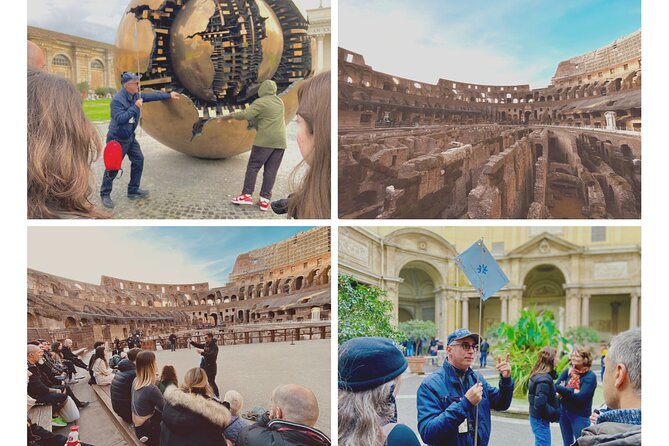
After the Sistine Chapel, the tour moves into Vatican Museums highlights. The time allocation in the schedule includes:
- A Vatican Museums segment of about 45 minutes
- Plus additional targeted stops (Raphael Rooms and the Borgia Apartment)
What you’re likely to see on this track includes major gallery-type stops mentioned in the tour description, such as the:
- Gallery of the Candelabra
- The Maps
- Tapestries
This is where the tour earns its “premier access” idea in a practical way. You’re not just paying for entry. You’re paying for someone to point out what’s most important inside those long, confusing corridors.
Also worth noting: you’re walking a lot. The tour is listed as operating in all weather, and you’re outdoors in Roman heat or rain at some points. In summer, the guidance is to bring water because the tour may run about two hours in heat conditions on those days.
Raphael Rooms (Stanze di Raffaello): where the guide’s focus helps
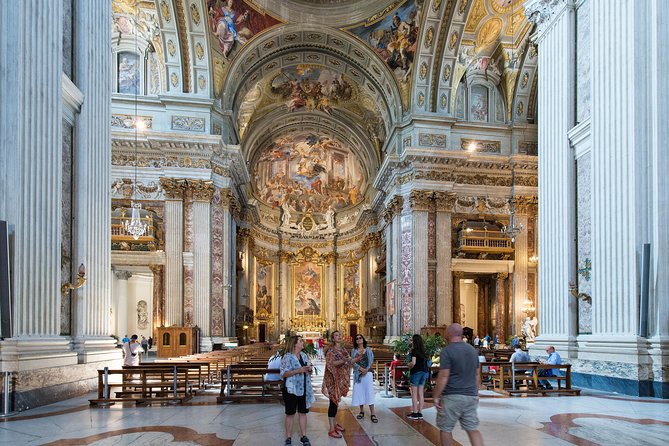
Next up is Stanze di Raffaello at about 40 minutes. The tour description connects Raphael’s work to the same general era as Michelangelo’s Sistine ceiling period—Raphael painting the pope’s apartments while Michelangelo worked above.
You’ll be guided through key rooms and specific works mentioned in the tour notes, including:
- Parnassus (with Homer, Apollo, and the Muses)
- School of Athens, facing the Dispute over the Sacraments
The useful part for you is not just the titles. It’s the way these rooms are discussed as a system: ceilings, walls, and themes that tie into the papal court and the education-style symbolism of the time. In a shorter tour window, that kind of guided framing prevents the art from blending together.
Borgia Apartment stop: quick art + a family story
The Vatican schedule also includes a shorter stop labeled Borgia apartment, around 15 minutes. Here, the tour description points to:
- Tuscan-Umbria art associated with Pinturicchio and his school
- The pope/apartment rooms and stories about the Borgia family
Fifteen minutes is not enough to become a scholar. But it can be enough to give you something concrete to remember—and it can change how you read the museum overall, because it tells you why certain rooms and styles were chosen in the first place.
If you tend to get museum fatigue, this short stop can be a relief. If you love tracing every detail, you may wish for more time.




The handoff to the Colosseum: plan for your own transfer
Transportation between the Vatican and the Colosseum is not included. That’s a big deal for how the day feels.
Even if the tour timeline is reasonable on paper, real life in Rome is… Rome. When you’re switching between two major sites, delays don’t politely stay in one category. If you lose time at security in the Vatican, you might feel it later at the Colosseum.
The safest approach: keep a buffer in your mind and avoid schedules that depend on being exactly on time for everything outside the tour.
Entering the Colosseum arena: gladiator gate access and live guide talk
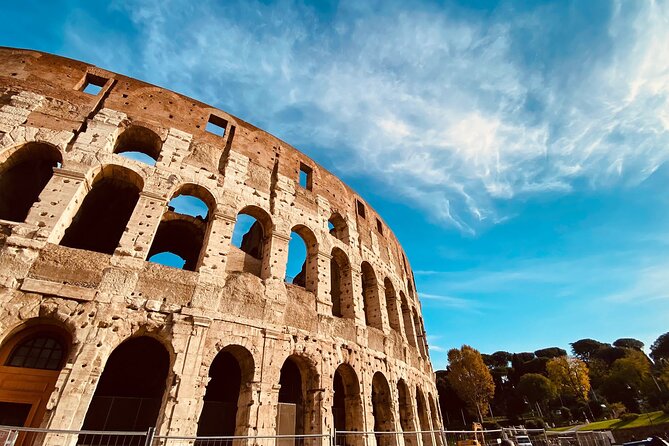
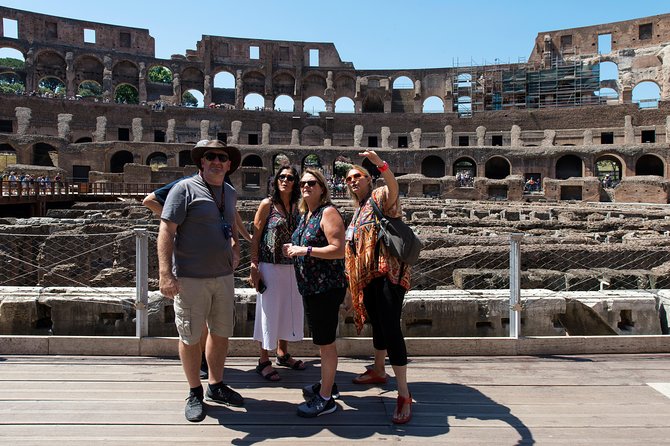
Colosseum time is listed at about 1 hour, with admission included, and the headline feature is arena floor access through the gladiator gate.
That’s the difference between viewing the Colosseum and experiencing it. From the arena stage, you can understand scale and orientation better, and you can visualize how crowds and events used the space.
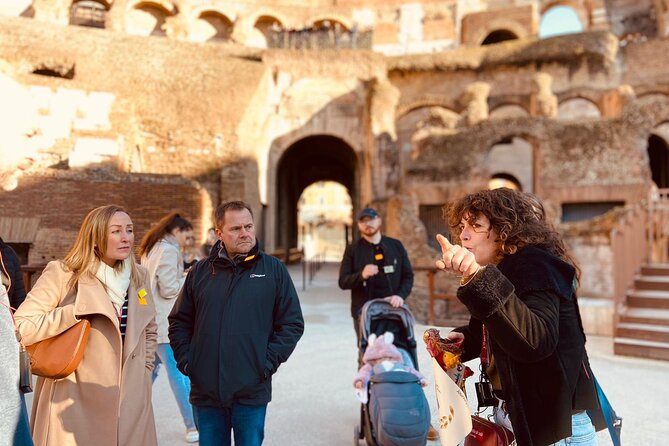
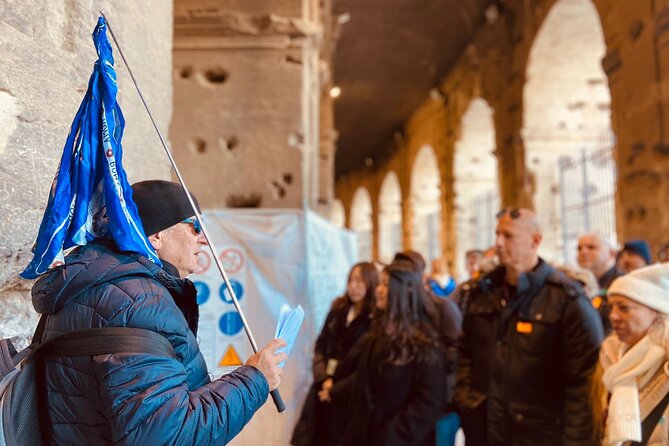
The tour notes also specify that the Colosseum portion uses a live guide with a personal headset setup, working in groups of 24 people or less. So instead of just hearing general background from the loud tour stream behind you, you’re more likely to get clear explanations while you’re inside the arena area.
One thing to respect: you must pass a metal detector security check to access the Colosseum. The tour guidance says there may be some wait time. That’s normal, but it’s still something you should assume could slow your flow.
Roman Forum and Palatine Hill: worth it, but don’t expect long lingering
The schedule includes stops for Roman Forum (about 45 minutes) and Palatine Hill (about 45 minutes). Admission is included, and the included list notes entry is provided if that option is selected.
If you’re getting the Forum/Palatine parts on your ticket, here’s what they do well for most people: they turn the Colosseum from a single-photo monument into part of a broader story. You’ll get quick context for how Rome functioned beyond the spectacle—politics, elite life, and the “center of gravity” of the ancient city.
But this is still a time-pressured day. The benefit is that you’ll see more than just the Colosseum. The limitation is that you won’t have hours to wander and read every inscription or marker.
Price and value: is $219 a fair trade?
At $219 for a five-hour, two-site experience, you’re paying for three things:
- Access to two of Rome’s biggest attractions in one day
- A guided format with headsets
- Special Colosseum arena access (which is listed as an arena admission option in the tour details)
If you’re the type who values guidance—especially when sites are confusing and crowded—this price can feel fair. The headset system alone reduces friction, and arena entry is something you’d normally have to work harder (and pay more) to get.
Where the value can wobble is pacing. This is a day where you’re moving between two iconic sites and fitting multiple major stops in. That can make some people feel like they’re sprinting from artwork to monument rather than absorbing them.
My practical advice: decide what you want more.
- If you want the headline sights plus solid storytelling quickly, this works.
- If you want a slow museum day or long, reflective time in the Sistine Chapel, you may feel shortchanged.
Who this tour fits best (and who should skip it)
This tour fits best if you:
- Want VIP-style access to the Colosseum arena floor
- Appreciate a guided approach with headsets
- Like covering major landmarks without spending your brain power on logistics
- Can handle a moderate walking pace and uneven surfaces
It may not fit well if you:
- Hate feeling rushed
- Need long dwell time in the Sistine Chapel
- Have mobility limitations (the tour notes say it’s not suitable for any persons with disabilities due to uneven surfaces)
- Count on lots of free time for photos and wandering
Also, the tour works in all weather conditions, so bring clothing that can handle heat or rain without slowing you down.
Booking checklist: the details that can make or break entry
There are a few non-negotiables in the tour notes. Read them once, then set them in a mental sticky note:
- Your passport or ID name must match exactly what you enter at booking.
- For Colosseum access, you need the exact first and last name for all participants. If names don’t match and controllers deny entry, the tour notes say no refund is provided.
- Expect security lines at the Colosseum.
- Dress code at the Vatican: knees and shoulders covered; no shorts, no sleeveless tops.
Also plan to show up on time. The tour notes are blunt: late arrival can mean losing entrance or part of the tour, with no refund for no-shows/late arrival.
Should you book this tour?
I’d book it if you want a structured, guided day that hits the big two with special access. The best reason to choose it is the combo: arena-floor access plus a guided, headset-supported Vatican experience that actually names what you’re looking at (Michelangelo’s key fresco narratives and the Raphael Rooms).
I wouldn’t book it if your travel style is slow, contemplative, or flexible to the point where a tight schedule is likely to stress you out. In a two-site, one-day plan, you don’t control crowds and timing as much as you’d like, especially when you’re doing your own transfer between the Vatican and the Colosseum.
If you do book, go in with the right expectations: this is a “see it and get it explained” day, not a “sit and linger for hours” day.
FAQ
What time does the tour start?
It starts at 10:00 am at the Sistine Chapel meeting point (00120, Vatican City).
How long is the tour?
The duration is listed as about 5 hours.
How big are the groups?
The Vatican portion is described as a small group of no more than 10 people. The Colosseum portion is guided in groups of 24 people or less, and the tour also notes a maximum of about 25 travelers (with an average around the mid-20s).
Is the arena floor access included?
The Colosseum arena admission is listed as included if the arena option is selected in your reservation.
Does the tour include the Roman Forum and Palatine Hill?
Admission to the Roman Forum and Palatine Hill is included if that option is selected (the itinerary also lists both stops).
Do I get a headset?
Yes. The tour includes headsets for both tours.
What dress code do I need for the Vatican?
You need knees and shoulders covered. No shorts and no sleeveless tops. If you don’t comply, entry may be refused.
What documents do I need for the Colosseum?
You must present a valid passport or ID that matches the exact name used in your reservation for entry.
Is transportation between the Vatican and Colosseum included?
No. Transportation to/from attractions and between Colosseum and Vatican is not included.
Is food included?
No. Food and drinks are not included.
Is the tour wheelchair friendly or accessible?
The tour notes say it is not suitable for any persons with disabilities due to uneven surfaces.