REVIEW · ROME
Colosseum Express Guided Tour
Book on Viator →Operated by Sonitus In Rome · Bookable on Viator
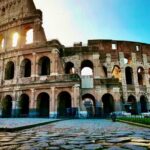
Skip the fuss, see the Colosseum fast. This Colosseum Express setup is built for efficiency: you get a guided hour inside the arena, plus timed entry to help you waste less time, and then you’re sent off to explore the Roman Forum and Palatine Hill on your own.
I like two things most. First, the guide narration is easy to follow thanks to headsets for groups over 6 people. Second, the format is “guided + free time” in one package, so you can actually pace your visit instead of being herded the whole 2 hours.
Here’s the only real catch to plan for: it’s still a busy site with security and crowds, and the day can feel like a lot of walking and steps, especially if your group runs into bathroom or meeting-up bottlenecks.
In This Review
- Key things to know before you go
- Why timed entry and headsets matter at the Colosseum
- Meeting at Piazza di San Clemente: easy access, quick orientation
- The Colosseum guided hour: gladiators, animals, and how it worked
- Roman Forum on your own: power center in 30 minutes
- Palatine Hill on your own: Augustus, Livia, and the best look back
- Walking load: what to bring, and how to avoid time-wasting stress
- Price and value check: what you’re really paying for
- Who this tour suits best
- Should you book Colosseum Express with Sonitus in Rome?
- FAQ
- How long is the Colosseum Express guided tour?
- What does the tour cost?
- Is the ticket price included, or do I buy tickets separately?
- Is there a guided tour at the Roman Forum and Palatine Hill?
- Do you provide headsets?
- How big is the group?
- Where does the tour start?
- Where does the tour end?
- What should I bring for the visit?
- Can I get a refund if I cancel?
Key things to know before you go
- Timed entry helps cut the long waiting game at the Colosseum
- Headsets make the guide’s stories clearer for groups larger than 6
- Guided Colosseum hour, then self-paced Forum and Palatine Hill
- Tickets included for the Colosseum, Roman Forum, and Palatine Hill
- Small group size, max 14 travelers
- Expect real walking and time spent on your feet
Why timed entry and headsets matter at the Colosseum
The Colosseum is famous, which means it’s also constantly crowded. The value of this tour is that it’s designed to get you through the biggest friction points faster: you’re given timed entry and you’re not waiting around at the start like everyone who’s just wandering in.
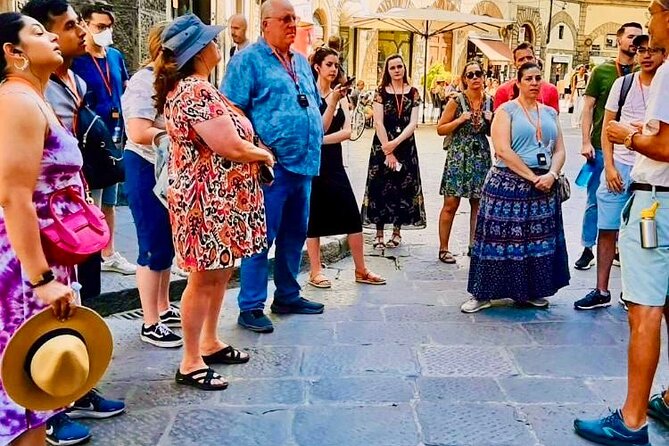
Then there’s the sound. At the Colosseum, even a great guide can get lost in the noise of wind, footsteps, and other tour groups. That’s why I love the inclusion of headsets (for groups bigger than 6). You can keep your attention on what the guide is pointing out, instead of playing a guessing game with muffled audio.
And because the group is limited to 14, you’ll typically get a smoother experience than big bus-style tours. It won’t turn the site quiet, but it does help you move through without feeling trapped.
You can also read our reviews of more guided tours in Rome



Meeting at Piazza di San Clemente: easy access, quick orientation
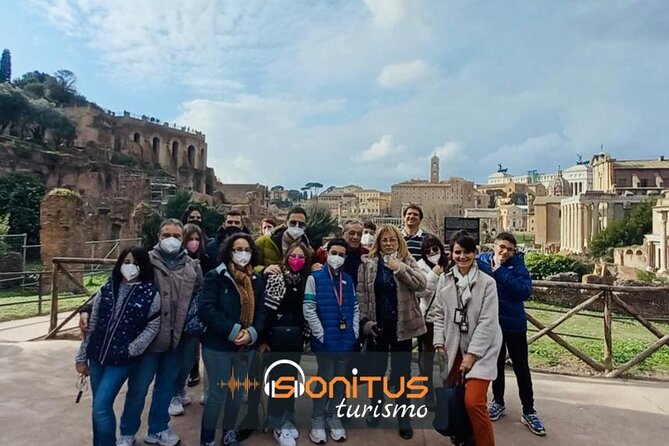
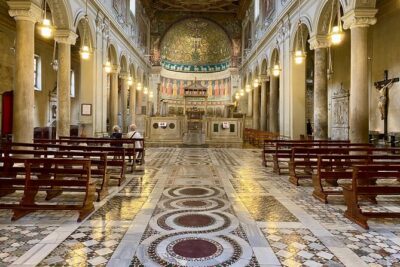
The start point is Piazza di San Clemente (Piazza di S. Clemente) in Rome. It’s in the real-world city grid, near public transport, so you’re not forced into a long, confusing walk just to begin.
The practical tip here is simple: give yourself a few extra minutes to locate your group. Some guests have flagged that the meeting place can be a little confusing in practice, even when the address is correct. If you arrive early, you’ll have time to get your bearings—then the timed entry plan works for you, not against you.
Your tour ends at the Roman Forum area, which is convenient because your next exploration is already in the same zone. No backtracking. No “now take a bus” confusion.
The Colosseum guided hour: gladiators, animals, and how it worked
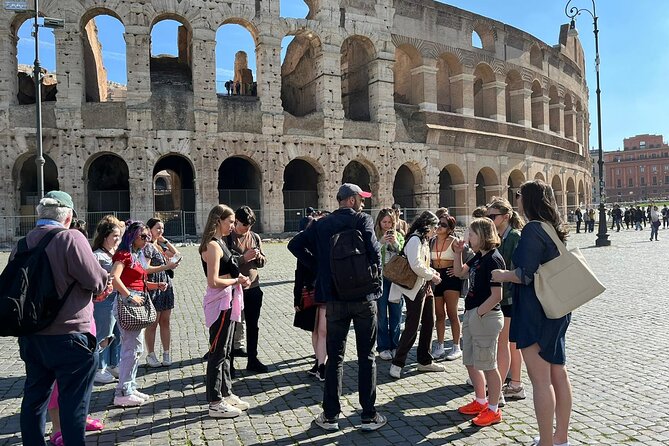
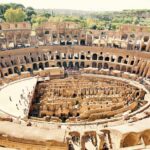
This is the heart of the tour: a guided visit through the Colosseum for about one hour, with entry included. You’ll get more than a quick scenic walk. The guide focuses on what made this arena work as a public entertainment machine.
Here’s what you should expect the guide to explain while you’re inside:
- What the Colosseum represented and why amphitheatres mattered in the Roman Empire
- How the arena connected to public events and power
- Stories around combat entertainment, including venations (wild animal displays) and munera gladiatoria (gladiator contests)
- Background on how the site evolved, including the origin and meaning of this kind of spectacle
This kind of talk changes what you notice. Instead of just seeing arches and stone, you start picturing logistics: where people gathered, what drew crowds, and why the Romans built a stage this large. If you’re visiting with kids, the “what happened here and why” approach is often the difference between seeing a monument and understanding it.
My advice for making the most of the hour: keep an eye on the guide, but also look up. Don’t just follow the story at ground level. The Colosseum rewards you for noticing the layers of architecture while your guide explains how the system ran.
Also, plan for your body. Even though the tour is short, it’s not a sit-down experience. Wear comfortable shoes and bring water (the tour explicitly calls for it). Rome in peak season can be a real factor, and a short, hot day hits harder when you’re moving nonstop.
Roman Forum on your own: power center in 30 minutes
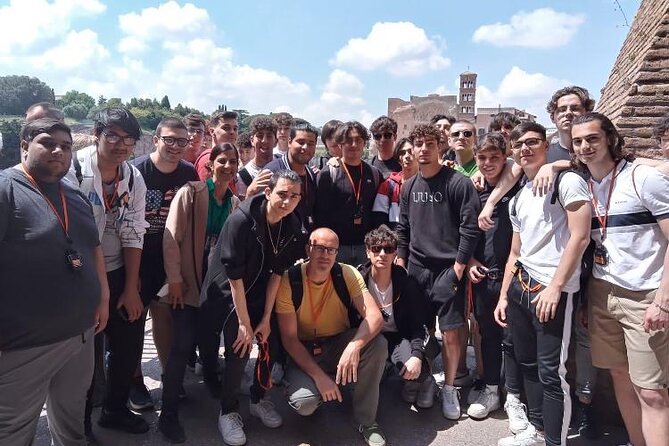
After the Colosseum visit, you’re accompanied to the entrance area for the Roman Forum and Palatine Hill, then you explore the Forum on your own for about 30 minutes. No guide here, so this part is about using your time well.
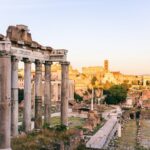
The Forum is where Rome’s “big decisions” lived. It started as a marshy area and later became a meeting place where political, religious, and commercial buildings rose. This is the area people think of when they picture Rome as a machine for public life—debates, rituals, business, and symbols of authority all packed into one central space.
Since your Forum time is self-guided, you’ll get the most from a simple strategy:
- Choose one or two “anchors” to focus on
- Spend a few minutes reading what’s immediately in front of you
- Then walk until you spot a viewpoint that makes the scale click
If you try to see everything, you’ll burn the full 30 minutes just walking in circles. If you aim for a focused scan—then move on—you’ll leave feeling like you got oriented, not rushed.
Palatine Hill on your own: Augustus, Livia, and the best look back
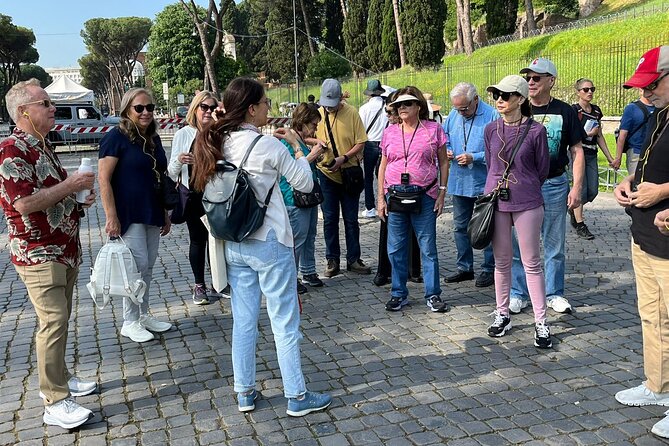
Next comes Palatine Hill, also self-paced for about 30 minutes. This hill is often considered part of the origin story of Rome—what people call Rome’s founding area, or at least the place tied to that myth-and-memory.
What you can expect to notice here are the ruins of famous residences and sacred spots, including:
- The Domitian Palace
- Foundations linked to an Iron Age hut era
- Temple remains such as Magna Mater and Apollo
- The House of Augustus and Livia
- The Farnese Gardens
And here’s why Palatine is worth your time even if it’s short: the views. The tour notes that from Palatine Hill you can get the best view of the Roman Forum, which is great for photos and even better for understanding the layout. It’s one thing to read about the Forum; it’s another to look down and see how the space connects.
Because the time is limited, I’d treat Palatine like a “find the perspective” visit. Walk until you hit a viewpoint, pause long enough to orient yourself, take your photos, then keep moving toward one more standout ruin area before your self-guided window ends.



Walking load: what to bring, and how to avoid time-wasting stress
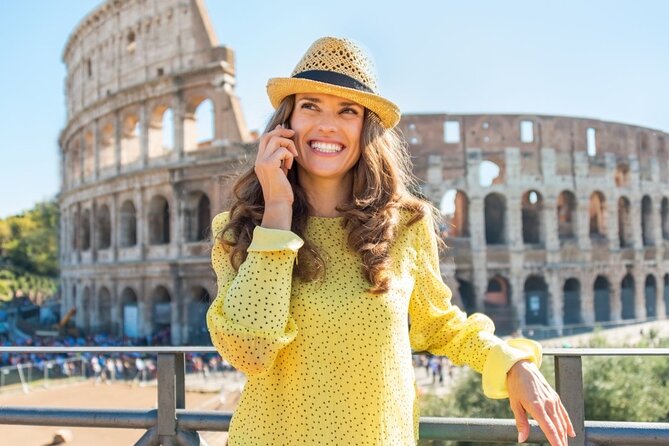
This tour is short in clock time—about 2 hours—but it’s not short on effort. The Colosseum route plus the steps and walking between highlights add up fast. Guests have specifically advised being ready for lots of walking and steps, so don’t show up in shoes that only work for museums and cafés.
Bring:
- Water
- Comfortable shoes
- Weather-appropriate clothes (especially if you’re going in summer)
A few reviews also mention delays related to crowd flow: security lines, bathroom stops, and the group process can add time in peak periods. That’s not unique to this tour—Rome’s major sights run on tight schedules and crowded bottlenecks. Your best defense is timing and patience: arrive a little early, don’t rush the meeting point, and expect you’ll spend some minutes transitioning between zones.
If you’re traveling with kids, you might want to mentally shift expectations. The guided hour in the Colosseum is where the “stories” land best. The Forum and Palatine Hill are more for you to explore with your own pace and curiosity.
Price and value check: what you’re really paying for
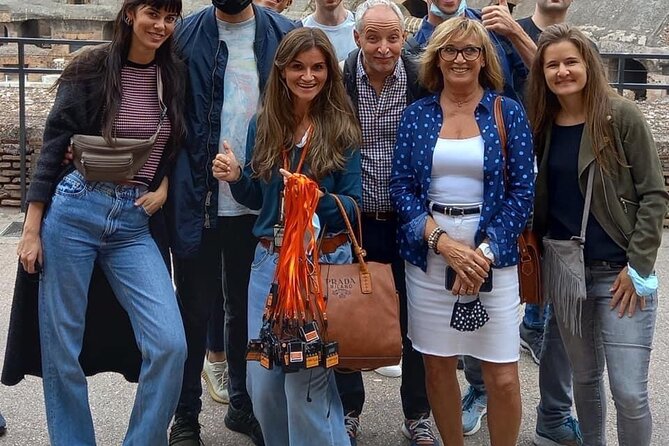
The price is $67.10 per person. On the surface, that’s not cheap for a “short tour.” But the value comes from what’s included and how the time is structured.
Here’s the practical breakdown:
- Guided Colosseum portion for about an hour (the key storytelling piece)
- Tickets included for the Colosseum, and also access for Roman Forum and Palatine Hill for your self-paced time
- Headsets for larger groups
- A small group size capped at 14 travelers
One detail that helps: the Colosseum entrance ticket is listed as valued at €18 per person. So a big part of what you pay is not just the guide—it’s also the fact that your core admissions are handled as part of the package.
Should you compare to booking everything on your own? If your plan is very flexible and you enjoy hunting down tickets and entry times, you could sometimes save money. But if your goal is to see the must-dos without losing half your day to lines, this format often feels worth it.
The biggest value is the combo: guided inside the arena (where sound and interpretation matter) and self-guided time where you can slow down and look.
Who this tour suits best
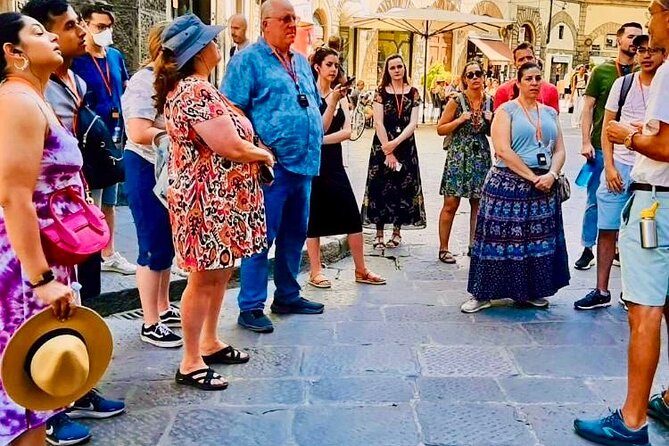
This works especially well if:
- You’re short on time in Rome and want three major sites handled in one go
- You like learning context, not just taking photos
- You want a structure that gets you moving quickly, but still gives you space to wander
- You prefer smaller groups rather than large crowds
It may be less ideal if you:
- Hate walking and steps (even for 2 hours, it adds up)
- Need lots of bathroom breaks or long unstructured time inside each site
- Expect a long guided discussion at the Forum and Palatine (those parts are self-paced)
Should you book Colosseum Express with Sonitus in Rome?
If you want the cleanest, time-efficient way to hit the Colosseum, Roman Forum, and Palatine Hill, this tour is a strong pick. The timed entry helps you protect your day, the headsets make the guide’s narration easier to follow, and the “guided then self-guided” rhythm is a smart compromise.
My “yes, book it” moment is when you realize you’re not just paying for access—you’re paying for less friction and better use of your limited time. Just come ready for walking, show up early enough to find the start point calmly, and treat the self-guided segments as your chance to slow down and look from your favorite angles.
FAQ
How long is the Colosseum Express guided tour?
It runs for about 2 hours (approximately), including the guided Colosseum portion and self-exploration time at the Roman Forum and Palatine Hill.
What does the tour cost?
The price is $67.10 per person.
Is the ticket price included, or do I buy tickets separately?
Admission tickets are included for the Colosseum, and the tour also includes entry for the Roman Forum and Palatine Hill for your personal exploration.
Is there a guided tour at the Roman Forum and Palatine Hill?
No. The Colosseum is guided, and the Roman Forum and Palatine Hill are self-guided after the guide accompanies you to the entrance area.
Do you provide headsets?
Headsets are included for groups bigger than 6 travelers, so you can hear the guide clearly.
How big is the group?
The maximum group size is 14 travelers.
Where does the tour start?
The start point is Piazza di San Clemente (Piazza di S. Clemente), 00184 Roma RM, Italy.
Where does the tour end?
It ends at the Roman Forum area (00186 Rome, Metropolitan City of Rome, Capital, Italy).
What should I bring for the visit?
Bring water and wear comfortable shoes and clothes, since you’ll be walking and climbing steps.
Can I get a refund if I cancel?
Yes. You can cancel for a full refund up to 24 hours in advance of the experience’s start time.