REVIEW · ROME
Colosseum Arena and Ancient Rome Private Tour
Book on Viator →Operated by Rome Group Tours · Bookable on Viator
The Colosseum feels different from the inside.
This private tour puts you on the arena floor through the Gladiator’s Gate, then strings together the Forum and Palatine Hill with a guide who can slow down for your questions. I especially love the restricted-entry access (it turns a crowded landmark into a real moment) and the way the walk links the arena to the politics and myths of ancient Rome. One thing to weigh: you’ll do a fair amount of walking on uneven ancient surfaces, so comfortable shoes matter.
What makes it work well is the format: it’s private, so you can move at a pace that suits you. You’re not stuck following a rush; your guide can adjust the balance between photos, explanations, and just taking in the views from Palatine Hill.
There’s also some strict, no-surprises logistics. Your Colosseum ticket is tied to the name on your booking, and the Colosseum staff won’t accept digital copies or mismatched names—so check your ID before you leave your hotel.
In This Review
- Key highlights you’ll care about
- Why this private Colosseum-and-Forum combo feels smarter
- Entering the Colosseum through Gladiator’s Gate
- What you’ll see on the arena floor
- Photo tip that’s easy to miss
- Upper tier views
- Palatine Hill: myths, imperial homes, and big views
- Why the panoramic views matter
- Time allowance
- The Roman Forum with real landmarks and a guide’s map
- Key sites you’ll visit
- Why “visual aids and maps” help
- Time allowance
- Private guide pacing: the real comfort advantage
- Logistics that can make or break your day
- Meeting point
- Physical level
- Bag size and no storage
- Water and hydration
- ID rules are strict (and non-negotiable)
- Prohibited items
- Weather and clothing
- Is the $135 price fair for what you get?
- Who this tour suits best
- Should you book this Colosseum Arena Private Tour?
- FAQ
- How long is the Colosseum Arena and Ancient Rome private tour?
- Is the tour private, or will I be grouped with strangers?
- Where do we meet for the tour?
- What’s included in the ticket price?
- What ID do I need to enter the Colosseum?
- Do they accept digital or photocopied IDs?
- Are there bag size limits?
- Can I bring a water bottle?
Key highlights you’ll care about
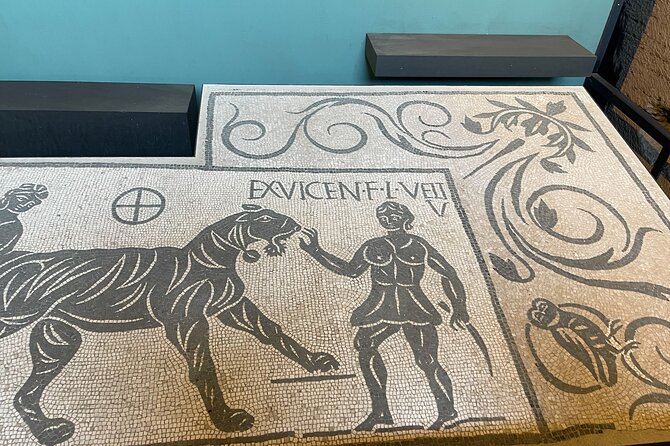
- Gladiator’s Gate entry into the restricted area reserved for arena tours
- Arena floor time with views toward the underground hypogeum
- Upper-tier views inside the Colosseum plus photo angles you won’t get from the crowds
- Romulus and Remus origins and the imperial palaces on Palatine Hill
- Forum power map through Curia Julia, Temple of Vesta, and the Rostra
- Private pacing with customizable focus and plenty of Q&A
Why this private Colosseum-and-Forum combo feels smarter
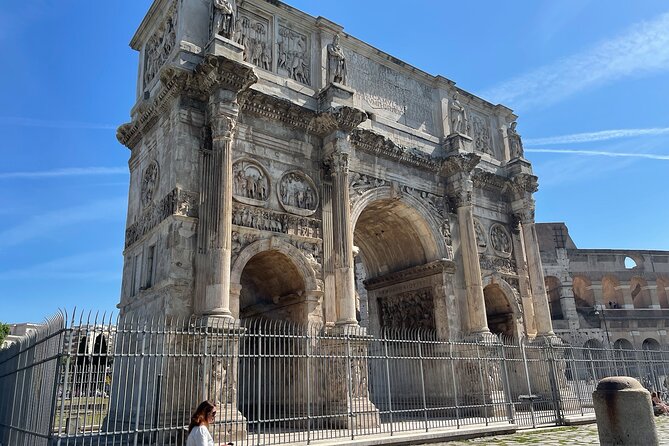
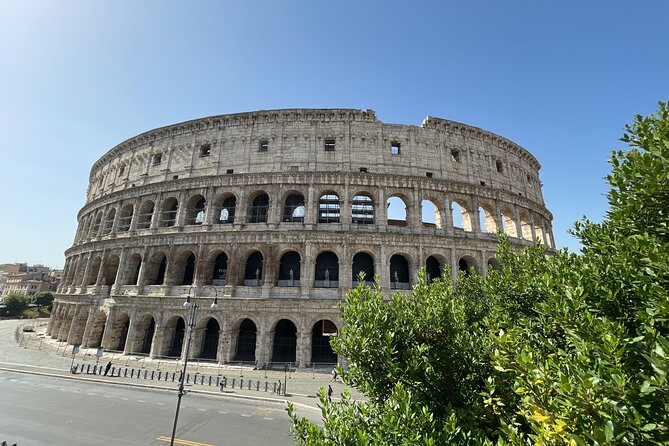
The Colosseum is famous for a reason, but it’s also easy to experience it like a photo stop. This tour fixes that by building a clear story path: gladiators and spectacle at the arena, then the seat of power and public ritual in the Forum, and finally the legends and elite residences on Palatine Hill.
You also benefit from the private guide setup. In practice, that means you can ask the basic questions without feeling rushed, and you can spend extra minutes where your interests are strongest—architecture, Roman politics, myths, or how the building functioned. If you’re the type who hates feeling like you’re sprinting from one “must-see” to the next, this structure is a big win.
Price is $135 for about 3 hours, and the admission tickets are included. That matters because the Colosseum and the surrounding sites can quickly add up once you factor in entry. For a private tour, this is a solid value if you want more than a checklist.
You can also read our reviews of more private tours in Rome



Entering the Colosseum through Gladiator’s Gate
The standout start is exclusive access. Instead of entering with regular visitor flow, you go in through a restricted entrance reserved for arena tours—Gladiator’s Gate.
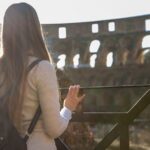
From there, you step into the space that most people only see from a distance. You’re walking where gladiators once stood, and the guide’s explanation connects the building’s design to what the Romans used it for: public spectacle at massive scale. It’s the kind of context that turns “ancient stones” into a place with purpose.
What you’ll see on the arena floor
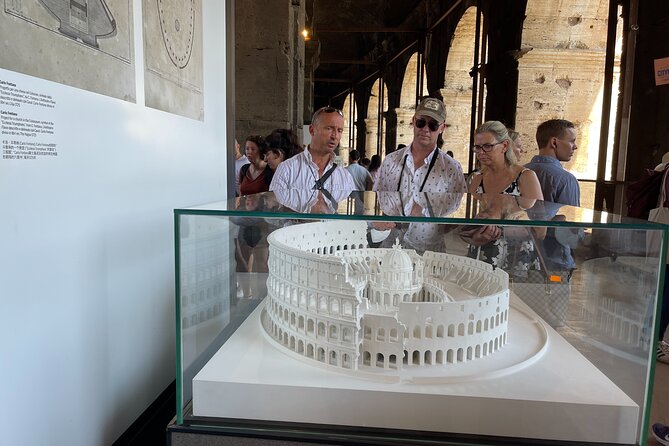
You get views that help you understand the Colosseum’s layers, including the underground hypogeum area. That’s the piece many first-time visitors miss: the idea that the performance wasn’t just happening on top. The building’s structure supported movement and staging behind the scenes.
Photo tip that’s easy to miss
The tour includes time for photography from unique vantage points. The angle options inside are genuinely different from what you’ll get wandering on your own. If you care about photos, do not treat this like a quick walk-by. A good guide helps you aim and time it.
Upper tier views
After the arena segment, you ascend to the upper tier for interior views and a look out toward the city. This shift—from close-up history to broader orientation—helps you understand where you are in the complex and why the Colosseum sits where it does.






Palatine Hill: myths, imperial homes, and big views
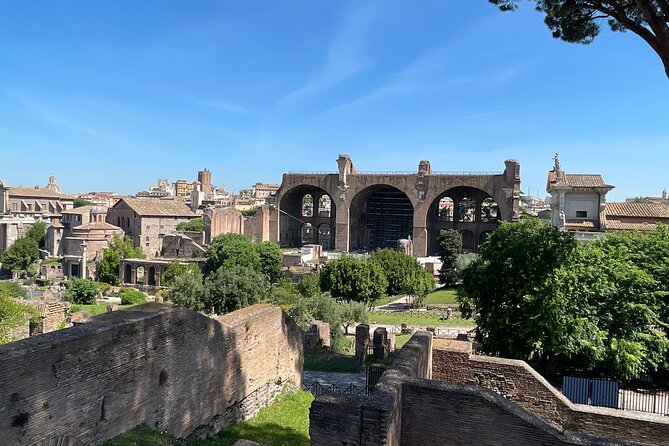
Palatine Hill is where Rome starts to feel personal. The guide covers the myth of Romulus and Remus, which gives the “this is where Rome began” claim a human story you can hang onto while you’re looking at ruins.
Then you shift from myth to power. You’ll explore the remains of imperial residences—the sort of elite spaces where emperors and aristocrats lived. Even if you’re not a hardcore architecture nerd, it helps to have someone connect what you’re seeing to who lived there and why that mattered.
Why the panoramic views matter
The hill isn’t just for stories. You also get sweeping views over the Roman Forum and the Circus Maximus. That matters because it helps your brain stitch together the map: arena → political center → ceremonial and public spaces → the city layout.
If you like photographs, this stop is usually where images get easier. You’re higher up, the light can be kinder, and you get natural “Roman skyline” framing.
Time allowance
You’ll spend about 45 minutes here. That’s enough to get the legend, see the major ruins, and enjoy the viewpoint without dragging the pacing.
The Roman Forum with real landmarks and a guide’s map
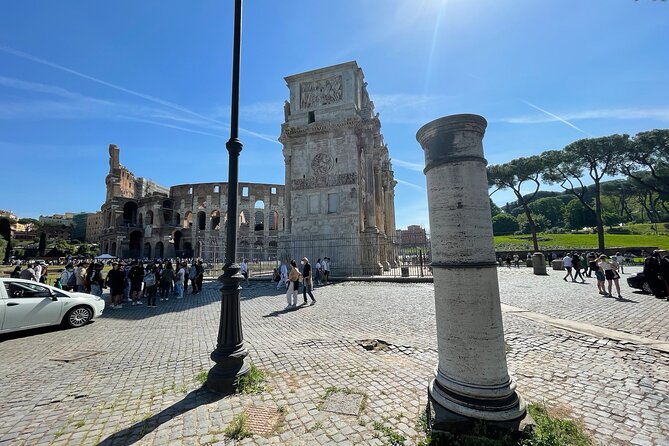
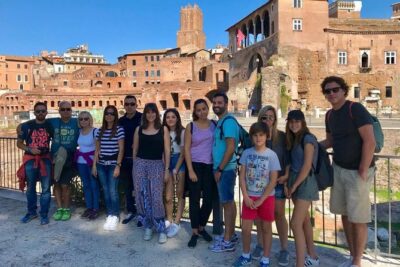
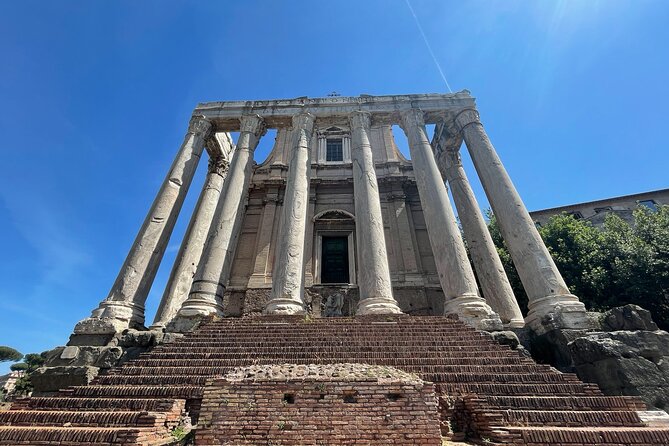
The Forum can feel chaotic if you visit without context. This part of the tour is built to prevent that. Your guide leads you through the ancient city center and points out how it functioned in Roman society—politics, religion, speeches, and public life.
Key sites you’ll visit
You’ll see several major landmarks, including:
- Curia Julia (Senate House)
- Temple of Vesta
- The Rostra, where famous speeches were delivered
You also get references to places like the Temple of Saturn and the Arch of Titus, which helps you connect what you’re seeing to the broader themes of Roman rule and public messaging.
Why “visual aids and maps” help
The tour notes include interactive tools like visual aids and maps. That’s not fluff. The Forum is spread out, and many structures are only partial remains. A map and simple reconstruction ideas help you “build” the original layout in your head, so you’re not just looking at fragments.
Time allowance
This stop is also about 45 minutes. It’s long enough to take in a meaningful loop of the main sites without turning it into a long slog.
Private guide pacing: the real comfort advantage
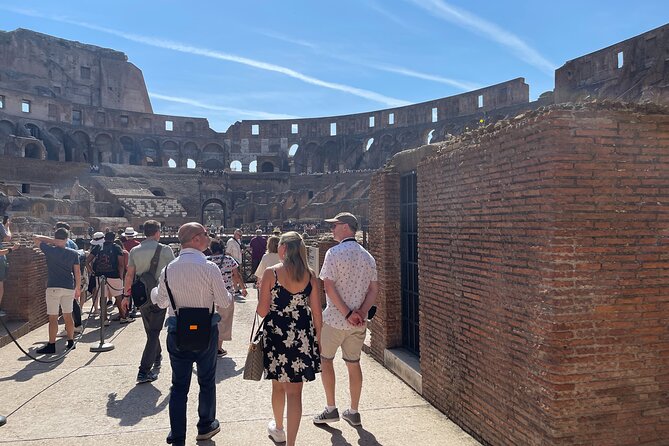
This is a private tour, so your guide can adjust the pace to you. That’s a practical difference. It affects things like:
- how long you linger for photos
- how much time you spend on explanations
- whether you want a faster “hit the highlights” version or a calmer, slower story-focused visit
A private setup also means your questions don’t get delayed to the next group. If something doesn’t click—like how the Forum worked or what you’re looking at on Palatine Hill—your guide can correct course right away.
And in the end, that pacing flexibility is what makes the experience feel complete rather than rushed.
Logistics that can make or break your day
This tour is well planned, but you’ll want to follow a few rules carefully.
Meeting point
You start at Casa dell’Acqua ACEA, Piazza del Colosseo, 58, 00184 Rome RM, Italy. The activity ends back at the same meeting point.
Physical level
Expect moderate walking. Some surfaces are ancient and uneven, and there’s time spent moving between the sites.
Bag size and no storage
Bags must be no larger than 30x40x15cm. There’s also no storage facility at the Colosseum, so leave what you don’t need at your accommodation.
Water and hydration
You can bring a water bottle. There are free water fountains and kiosks nearby where you can refill.
ID rules are strict (and non-negotiable)
Colosseum tickets are non-transferable and tied to the name on your booking. The name on your ID must match exactly.
Accepted IDs are:
- Passport
- Driver’s License
- Official National ID Card
Photocopies or digital versions are not accepted. If the name doesn’t match, the Colosseum staff will not allow entry.
Prohibited items
Security is similar in spirit to airport rules: if it’s prohibited in that kind of setting, it’s also prohibited here.
Weather and clothing
There’s no dress code, but you’ll be happier if you wear comfortable shoes and dress for the weather. Rome can be warm, and the sun can hit hard on stone.
Is the $135 price fair for what you get?
For a private tour, $135 can sound steep until you break down what’s included. Here’s the real value equation:
- Tickets included for the stops (so you’re not adding entry costs later)
- Arena access through Gladiator’s Gate, which is the kind of detail that changes the experience
- A private guide who can answer questions and customize your pace
- Three major areas covered in one outing: Colosseum arena, Palatine Hill, and the Roman Forum
If you’re visiting with family, or you want the guide’s help turning ruins into a coherent story, the private format justifies the price. If you’re traveling solo and you’re happy with a standard self-guided visit, you might find cheaper options—but you’ll likely lose the exclusive entrance element and the map-based Forum interpretation.
Who this tour suits best
This works especially well if you:
- want the Colosseum arena experience rather than just the exterior
- care about understanding what you’re seeing, not just checking boxes
- prefer a private pace for photos and questions
- enjoy Roman politics and myths as much as the architecture
It may be less ideal if you:
- struggle with moderate walking on uneven surfaces
- don’t want to deal with strict ID matching rules
- travel with a larger bag (since there’s no storage at the Colosseum)
Should you book this Colosseum Arena Private Tour?
If you want the Colosseum to feel like a real moment—arena floor, restricted entrance, strong context—and you also want Palatine Hill and the Forum handled in one smooth flow, then yes, I’d book this. The blend of Gladiator’s Gate access, guided landmark clarity, and built-in time for views makes it a strong match for first-timers who want more than a photo circuit.
Just do the boring part right: bring the exact ID that matches your booking name, keep your bag within the size limit, and wear shoes that can handle Roman stone. If you handle those details, the tour gives you the kind of experience you can remember long after the pictures fade.
FAQ
How long is the Colosseum Arena and Ancient Rome private tour?
It’s about 3 hours (approx.).
Is the tour private, or will I be grouped with strangers?
It’s a private tour/activity. Only your group will participate.
Where do we meet for the tour?
The meeting point is Casa dell’Acqua ACEA, Piazza del Colosseo, 58, 00184 Rome RM, Italy, and the tour ends back at the meeting point.
What’s included in the ticket price?
Admission tickets are included for the Colosseum, Palatine Hill, and the Roman Forum stops.
What ID do I need to enter the Colosseum?
You can use a passport, driver’s license, or official national ID card. The name on your ID must match the name on your booking.
Do they accept digital or photocopied IDs?
No. Photocopies or digital versions are not accepted.
Are there bag size limits?
Yes. Bags must be no larger than 30x40x15cm, and there are no storage facilities at the Colosseum.
Can I bring a water bottle?
Yes. You can bring a water bottle, and there are free water fountains and nearby kiosks to refill it.