REVIEW · ROME
Colosseum and Roman Forum Private Tour with an Archaeologist
Book on Viator →Operated by Askos Tours · Bookable on Viator
Private archaeology makes Rome feel personal. With an archaeologist guide and a true private group, I love how you skip the stress of lining up ticket issues and you still get room to ask questions, pause, and look closely. One drawback: it’s about 3 hours on your feet (activity level is minimal, but the sites still require walking and standing), so comfortable shoes matter.
If you’re the kind of person who wants facts that land on real stone, this is the format that works. Guides like Laura and Paolo are described as friendly, patient, and detail-focused, while Marilu and Gabriella bring a teachable rhythm that keeps the Forum from feeling like random ruins.
At $207.01 per person, the value comes from what’s included: Colosseum admission and the reservation fee, plus an archaeologist’s time for the on-site explanation across several major stops. Just plan for the rest of the trip costs—no transport or meals are included—so budgeting is on you.
In This Review
- Key highlights worth planning around
- How a private archaeologist makes the Colosseum make sense
- Starting at Piazza del Colosseo and getting into the flow
- Colosseum second-tier stop: your best chance for a real interior view
- The Arch of Titus at the Forum entrance: power you can read in stone
- Roman Forum essentials: seeing civic Rome as a connected system
- Temple of Saturn: treasury columns and the Forum’s practical power
- Basilica Julia: the legal and business machine of Rome
- Septimius Severus Arch and the art of triumph
- Temple of Castor and Pollux: three columns tied to myth
- Walking toward the Arch of Constantine and the Velian Hill angle
- What the $207.01 price covers (and where the value comes from)
- Practical tips that will save your time and comfort
- Should you book this Colosseum and Roman Forum archaeologist tour?
- FAQ
- FAQ
- How long is the private Colosseum and Roman Forum tour?
- Is admission to the Colosseum included?
- What’s included in the tour price?
- Is this tour offered in English?
- Where do we meet the guide?
- Where does the tour end?
- Is the tour private or shared?
- What should I bring for entry?
- Are there specific clothing or comfort recommendations?
- When is the Colosseum closed?
- What is the cancellation window for a full refund?
Key highlights worth planning around
- Second-tier Colosseum views: get a higher vantage point over the interior and the square below
- Private pacing: your group controls the speed, plus you’ll have time to wander
- Forum landmarks, linked in one walk: big monuments explained together, not as separate bookings
- Stop-by-stop context: triumphal arches and temples tied to purpose, myth, and power
- ID matching your booking: bring the exact document details to avoid entry headaches
- Admission included: Colosseum ticket + reservation fee are part of the price
How a private archaeologist makes the Colosseum make sense
The Colosseum isn’t hard to see. The hard part is understanding what you’re looking at—layers of structure, changing use, and how Romans actually moved through the space. This private tour is designed for that exact problem: you get an archaeologist guide, you get English commentary, and you get time to ask questions as you go.
Because it’s private, you’re not squeezed into someone else’s schedule. That matters in Rome, where the Colosseum and Forum can feel like a blur if you’re moving with a crowd. A guide who can answer on the spot helps you connect details fast: why a wall fragment is there, what a specific temple location likely meant, and how triumphal monuments fit at the edge of civic space.
It also helps that the overall activity level is listed as minimal. Translation: you’re not doing a hike. You are doing walking and standing, but the pace is meant to stay comfortable while still hitting the major stops.
You can also read our reviews of more private tours in Rome

Starting at Piazza del Colosseo and getting into the flow
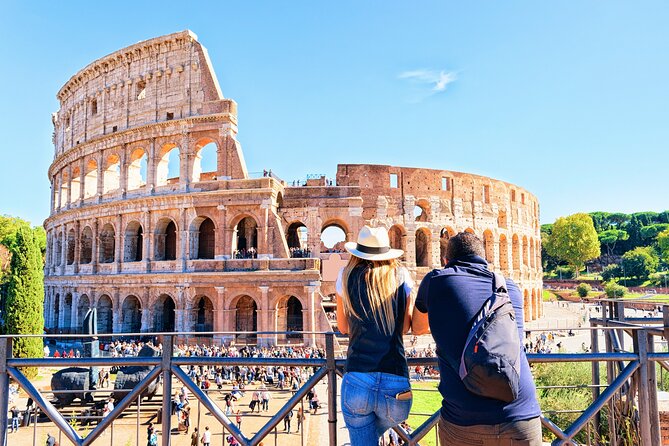
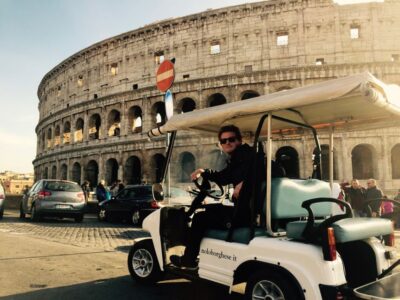
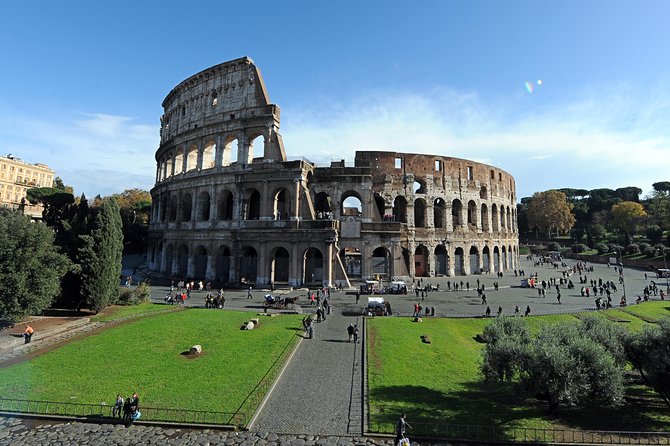
You meet at Piazza del Colosseo, 21 (near the Colosseum area). Meeting there is practical because it puts you right at the action instead of adding extra transit time before you even start. The tour runs about 3 hours, and it ends outside the Roman Forum—so it naturally sets you up to keep exploring after.
Plan your arrival a bit early. Colosseum entry is its own process, and the tour includes the Colosseum ticket and reservation fee, but you still need your details correct for access. The rules are strict: you must carry an identification document, and the name must match what you booked.
If you’ve been burned by travel logistics before, this is where a guide really pays off. You get one group plan for both the Colosseum and Roman Forum portion, instead of trying to coordinate separate tickets and meeting points on your own.
Colosseum second-tier stop: your best chance for a real interior view
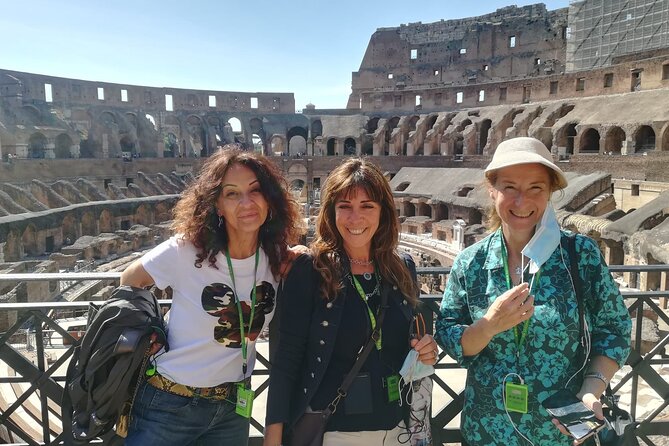
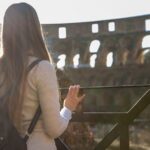
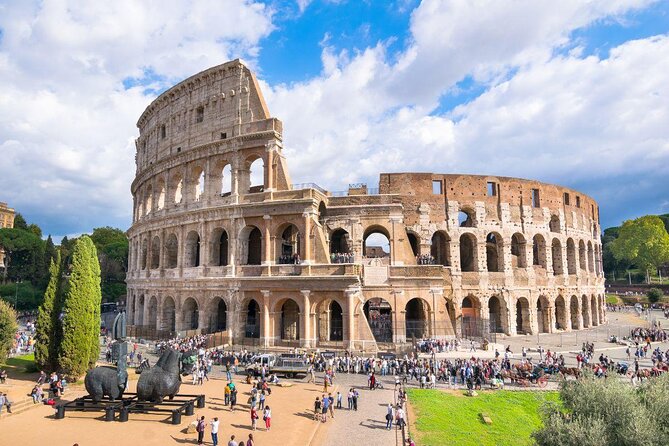
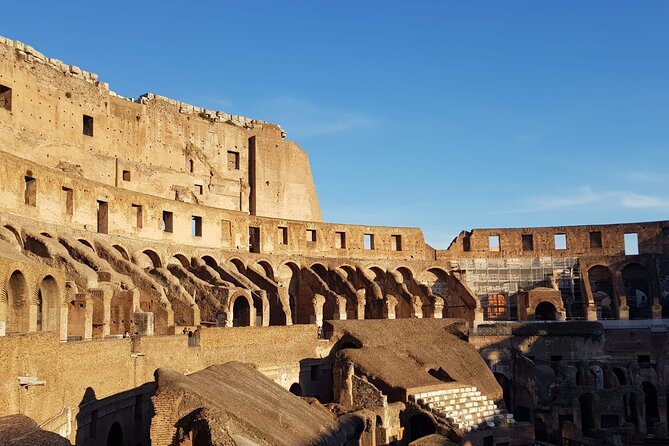
The tour’s Colosseum segment includes admission and focuses on a specific visual payoff: you head to the second tier for a panoramic view of the interior and the square below. This vantage point is a sweet spot. From the ground, you can get overwhelmed by the scale. From higher up, the geometry starts to click—foundation remains, traces of the colonnade, and the sense of how monumental the whole structure was meant to feel.
From there, you can also spot the remains tied to the temple area dedicated to Venus and Rome. Even if you only remember one thing from the Colosseum, the guide helps you keep it anchored to a location you can point at, not a vague story floating around your brain.
One practical note: bring water and dress for the conditions. The tour suggests comfortable shoes and light clothing in summer, plus sunglasses and a hat. With this kind of site, you’ll move just enough to feel hot even on a mild day.
The Arch of Titus at the Forum entrance: power you can read in stone
After the Colosseum portion, the tour shifts to the Roman Forum, starting with the Arch of Titus. This isn’t just a nice photo stop. It’s a triumphal arch built in the 1st century to celebrate Emperor Titus’s victory in Jerusalem.
What makes this stop valuable is the way it frames your walk. The Arch of Titus stands at the Roman Forum entrance, so it acts like a threshold between the modern street and Rome’s public world—where imperial victories were made visible through detailed reliefs. If you’re the kind of person who likes to understand why monuments are placed where they are, this is an easy win.
It’s also a good moment to reset your thinking. The Colosseum is spectacle architecture. The Arch of Titus is politics in sculpture form.
Roman Forum essentials: seeing civic Rome as a connected system
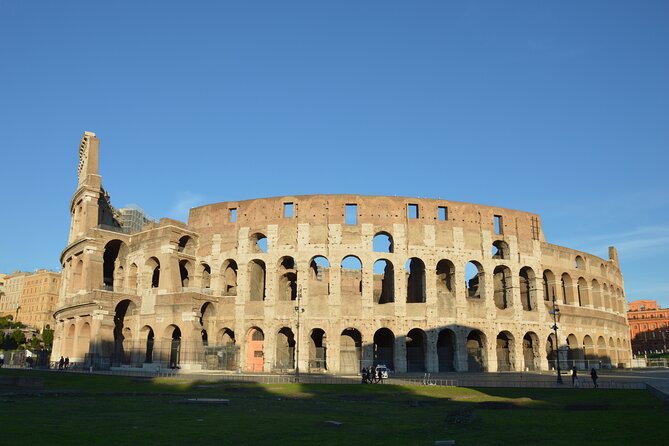
The Roman Forum is described as the ancient center of public life, and that’s exactly how the tour approach makes it feel. You’ll spend about 2 hours in the Forum, and the guide ties the landmarks together as you walk rather than treating each ruin like a separate stop.
Key Forum sights you’ll cover include the Basilica of Maxentius, the House of the Vestals, the Temple of Antoninus and Faustina, and the Altar of Caesar. Together, these locations give you a sense of how Rome layered daily life, government, religion, and public ceremony in one compact area.
Here’s what I think works best for you if you’re not a Rome scholar: when you’re moving through the Forum with context, the ruins become navigable. You start to understand how temples relate to civic spaces, why certain areas mattered for public rituals, and how power showed up as stone and ceremony.
Also, because it’s private, the pace can match you. The tour experience is set up for minimal exertion, and the guide can slow down when you want extra time near specific structures.






Temple of Saturn: treasury columns and the Forum’s practical power
One of the most memorable stops is the Temple of Saturn. This temple was dedicated to the god Saturn and is known for its eight surviving columns. What I like about including this stop is the functional angle: it originally served as the treasury of the Roman Empire.
That detail changes how you look at the remains. Instead of seeing a temple as just a religious object, you can understand it as a storage and control system for state wealth. The guide helps connect the myth and the machinery—faith above, finance below.
If you tend to get bored by ruins that feel purely decorative, this is the kind of stop that brings purpose back into view.
Basilica Julia: the legal and business machine of Rome
The Basilica Julia is another highlight in the Forum circuit. It was a Roman civil basilica used for business and legal affairs, with construction initiated by Julius Caesar.
It’s easy to see why this works on a tour: a basilica is tied to everyday governance. You can imagine Rome running here—contracts, court-style proceedings, public decisions—then look around and realize you’re standing inside a layout designed for crowds and formal interaction.
Even if you don’t retain every name, this stop gives you a strong sense of what public spaces were for. Rome wasn’t just temples and victories. It was also paperwork and decisions, handled in monumental rooms.
Septimius Severus Arch and the art of triumph
The tour also includes the Arch of Septimius Severus in the Roman Forum. This was erected in 203 AD to commemorate victories of Emperor Septimius Severus and his sons. Like many imperial arches, its big draw is the reliefs and the grand design.
This stop is one of your best chances to learn how Rome used art as messaging. You aren’t just passing a decorative wall—you’re reading a political statement placed into a public corridor of power.
If you’re a detail person, you can get a lot out of this kind of stop. If you’re more photo-focused, the reliefs still make it worth lingering for a few extra minutes.
Temple of Castor and Pollux: three columns tied to myth
Another Forum landmark is the Temple of Castor and Pollux, also known as the Temple of the Dioscuri. It’s known for three standing Corinthian columns, and it was dedicated to the twin brothers and demigods from Roman mythology.
The tour’s value here is the link between architecture and story. Myth in Rome wasn’t just bedtime entertainment. It was a way to mark identity, legitimacy, and shared cultural meaning in the public landscape.
If you want your Rome to feel human, not only imperial, this is a nice balance. Two twins, a public temple, and a structure you can study visually without needing deep background.
Walking toward the Arch of Constantine and the Velian Hill angle
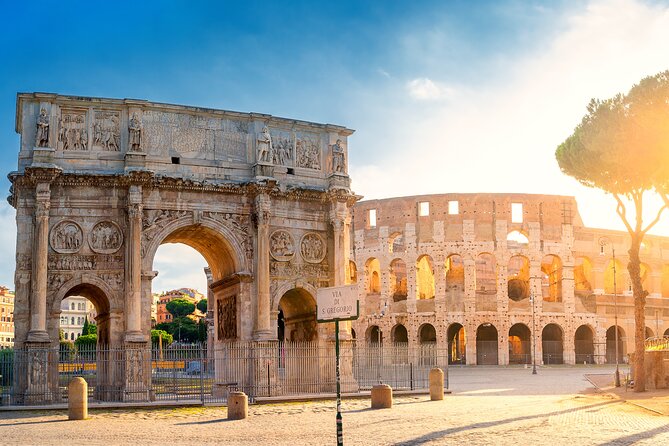
As you move through the area, you’ll take a leisurely stroll toward the Arch of Constantine while heading in the direction of the Velian Hill. The idea here is to see the arch and the surrounding architecture up close, from an angle that helps you appreciate how it sits within the larger Forum-and-hill context.
This part is a good buffer between heavy facts. After Saturn, basilicas, and triumphal monuments, a slower walk helps your brain absorb what you just learned. The tour is set up to let your group take it at a pace that suits you, and this stretch is where that flexibility feels real.
What the $207.01 price covers (and where the value comes from)
The tour costs $207.01 per person and runs about 3 hours. It’s private, led by an archaeologist guide, and offered in English. Importantly, it includes the Colosseum admission ticket and the Colosseum reservation fee (listed as €18 + €2 per person).
That’s a big deal because Colosseum access isn’t just about paying for entry. Reservations and timed entry can ruin plans when you’re on your own. Here, the guide handles the ticket-based part for the Colosseum segment, and the remaining cost goes toward the guide services and the time spent explaining what you see across the Colosseum and Forum.
Not included: transportation and meals. So you’ll want to handle getting to the meeting point yourself, and plan a simple meal before or after. If you’re comparing against self-guided options, remember that most of the value is in the guided meaning and the private pacing.
Practical tips that will save your time and comfort
A few rules and comfort points are worth treating as non-negotiable:
- Bring your passport or ID and make sure the name matches what you booked. Entry can be denied if the voucher names don’t match the ticket-office check.
- Wear comfortable shoes. The activity level is minimal, but the route still includes significant walking and standing.
- If you’re visiting in summer, plan for warmth with light clothing, plus water, sunglasses, and a hat.
- The Colosseum is closed on December 25th and January 1st.
- The tour ends outside the Roman Forum, so you’ll be free to continue exploring right after without backtracking.
If you want the day to feel smooth, do one more thing: keep your ID easy to access. The Roman sites are strict about documents, and you don’t want to fumble right at the check.
Should you book this Colosseum and Roman Forum archaeologist tour?
Book it if you want the fastest path to understanding the Colosseum and the Forum as more than postcard ruins. A private guide turns the stops into a connected story—second-tier viewpoints at the Colosseum, then triumphal arches, civic basilicas, and temples tied to real functions like treasury and law.
Skip it (or at least think twice) if your main goal is wandering slowly with zero structure. This is still a fixed sequence of major sights over about 3 hours, and you’ll likely want to follow the guide’s plan to get the best context.
If you’re celebrating something or you want your photos to include both people and places, a private guide style tends to help with that—guides such as Laura and Gabriella have been noted for making space for pictures and for keeping the day organized when you’re tired from travel.
FAQ
FAQ
How long is the private Colosseum and Roman Forum tour?
It runs about 3 hours (approx.).
Is admission to the Colosseum included?
Yes. The Colosseum admission ticket is included, along with the Colosseum reservation fee.
What’s included in the tour price?
You get a private tour with an archaeologist guide, Colosseum admission and the Colosseum reservation fee. The remaining cost covers other services. Transportation and meals are not included.
Is this tour offered in English?
Yes, it’s offered in English.
Where do we meet the guide?
The meeting point is Piazza del Colosseo, 21, 00184 Roma RM, Italy.
Where does the tour end?
The tour ends outside the Roman Forum.
Is the tour private or shared?
It’s a private tour/activity, so only your group participates.
What should I bring for entry?
You must carry a valid passport or ID document to access the Colosseum and Roman Forum, and it must match the name provided at booking.
Are there specific clothing or comfort recommendations?
Wear comfortable shoes. For summer, light clothing is suggested, and you should bring water, sunglasses, and a hat.
When is the Colosseum closed?
The Colosseum is closed on December 25th and January 1st.
What is the cancellation window for a full refund?
You can cancel up to 3 days in advance for a full refund. To get a full refund, you must cancel at least 3 full days before the experience start time.
If you want, tell me your travel month and whether you prefer photos or details, and I’ll suggest a simple time-of-day plan to make the most of your 3 hours.