REVIEW · ROME
Cesarine: Market Tour & Typical Dining at a Local’s Home in Rome
Book on Viator →Operated by Cesarine: Cooking Class · Bookable on Viator
Cooking in a real Roman home changes your trip. This market-to-table experience pairs a local market visit with a hands-on cooking class and then ends with lunch or dinner at your host’s home. In the best versions, you’re not just learning recipes, you’re learning how families actually choose ingredients and season for flavor.
What I like most is how practical the skills feel: fresh pasta work, classic Roman sauces, and a dessert you can brag about later. I also love the way the meal is treated like family time, with Italian hospitality front and center, like the memorable evenings hosted by Maria and Gianluca in the stories I read. One thing to consider: you’re paying for a private home experience, so it costs more than a basic cooking class, and you’ll want to show up ready to cook and eat what’s on the menu.
In This Review
- Key things worth knowing before you go
- A Rome Morning Built Around a Market and a Home Kitchen
- Your 4-Course Roman Menu: What You’ll Actually Cook and Eat
- Starter: seasonal, Roman-style beginnings
- Main course: fresh pasta and Roman shapes
- Second course: recognizable Roman mains with Roman sides
- Dessert: Roman sweets you can copy at home
- The Market Visit: Shopping Like a Local in Rome
- Hands-on Cooking: Fresh Pasta, Technique, and Real Workflow
- Fresh pasta work
- Learning sauces and Roman flavor logic
- Dessert steps
- Dining at a Local’s Home: Italian Hospitality That’s More Than Food
- Price and Value: Is $164.43 Worth It?
- Timing, Getting There, and What to Bring
- Who This Experience Suits Best (and Who Might Want Another Option)
- Should You Book Cesarine Market Tour and Local Home Dining in Rome?
- FAQ
- How long is the Cesarine market tour and home cooking experience?
- What time does the tour start?
- Is it offered in English?
- What do I eat during the experience?
- Is this a private tour?
- Where does it start and end?
- What is the cancellation policy?
- Can they accommodate dietary restrictions like gluten intolerance?
Key things worth knowing before you go
- A market first: you buy ingredients where locals shop, then cook with what you picked up
- A true 4-course Roman meal: you build starter, pasta, a second course, and dessert
- Family-style teaching: hosts show the steps, then let you take over cooking
- Roman classics, not random dishes: expect favorites like fresh pasta and Roman-style second courses
- Private and in English: only your group participates, and the experience is offered in English
- You’ll eat at the home, not a restaurant: the dining part is part of the experience, not an add-on
A Rome Morning Built Around a Market and a Home Kitchen
This experience is timed for the day with a 10:30 am start, running about 3 hours 30 minutes total, and ending back at the meeting point. It’s based in the Province of Rome (Lazio), and the meeting spot is listed as near public transportation, which matters in a city where parking and long walks can turn into a hassle fast.
The big idea is simple: you start in a local market, then you move to a host’s home where you cook and share a multi-course meal. That structure is what makes it feel different from a cooking class that happens in a studio kitchen. You get to see the ingredient choices first, then the cooking lessons make sense because you’re using real, seasonal items rather than a preset grocery list.
One more thing I really appreciate: it’s private. That means you’re not working around a large crowd while you’re trying to learn pasta technique or follow sauce steps. In the stories about hosts like Cristiana (with Luca), Roberta, Anna, and Maria, the common thread is that the home setting makes the whole experience personal.
You can also read our reviews of more shopping tours in Rome
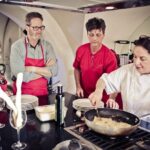
Your 4-Course Roman Menu: What You’ll Actually Cook and Eat
You’ll end up eating a full 4-course meal, and the menu is built around Roman comfort food. The exact dishes can vary by season and the host, but here’s what you should expect based on the menu examples shared.
Starter: seasonal, Roman-style beginnings
Your starter is described as a seasonal starter. The point here isn’t a fancy tasting concept. It’s a good Roman launch pad that sets up the rest of the meal with ingredients that are working right now.
Main course: fresh pasta and Roman shapes
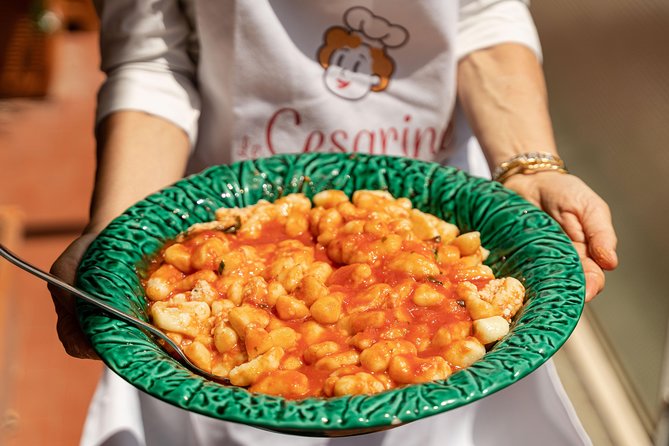
For the pasta course, you’ll make fresh pasta, with options such as rigatoni, bucatini, or gnocchi. That matters because each shape changes how sauce clings, and you learn that difference through doing.
The Roman flavor direction continues in the pasta dishes you might see, including classic sauce styles like Rigatoni or Bucatini options (depending on what’s chosen that day). In the accounts shared, hosts focused on teaching the steps clearly, then giving you real hands-on time with the dough and shaping.
Second course: recognizable Roman mains with Roman sides
After pasta, you’ll tackle a second course plus a side dish. Examples include:
- Saltimbocca alla romana con puntarelle
- Alici fritte
- Coda alla vaccinara con cicoria ripassata
Even if you don’t know these yet, you can use them later. These aren’t “tourist safe” dishes. They’re the kind of recipes people make when they want something deeply satisfying and distinctly Roman.
You can also read our reviews of more tours and experiences in Rome

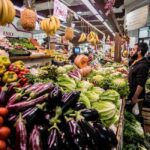
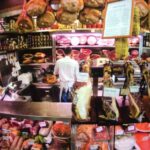
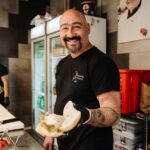
Dessert: Roman sweets you can copy at home
Dessert is Roman, with examples like:
- Ricotta and cherry tart
- Roman tiramisù
- Chocolate shortbread
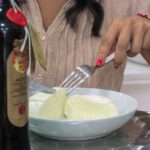
In several accounts, the dessert teaching stood out as a highlight, especially tiramisù. One person described learning it with Maria and another praised Cristiana’s teaching and results around desserts too. If you care about taking something sweet back to your own kitchen, this part is a big reason to book.
The Market Visit: Shopping Like a Local in Rome
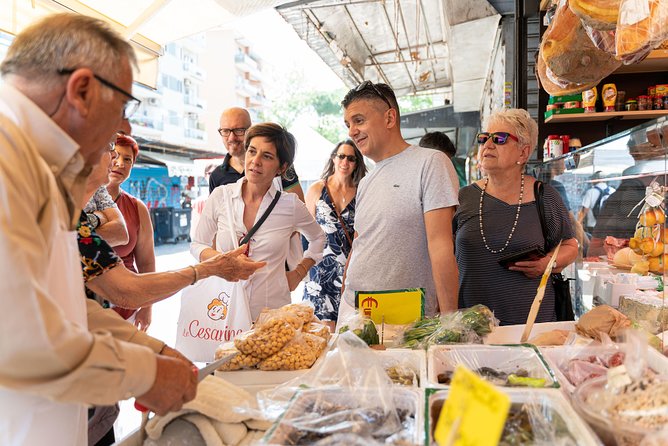
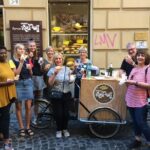
The experience begins with the market stop, where you buy fresh ingredients. The practical value is huge: you learn what to look for and why certain ingredients fit Roman dishes.
This market time is also where the experience can change your view of Rome. You’re seeing a place locals shop, and it’s not designed around tourists. That means you get a better sense of how Romans build meals: simple ingredients, good produce, and the right choices for the cooking ahead.
A useful expectation to set: you’re not there for photos. You’re there to choose and ask questions as you gather what you’ll cook later. In the stories shared, hosts made the market part interactive, explaining food while including the participant in conversations with shop staff. That kind of back-and-forth is what turns a market stop into a lesson.
Hands-on Cooking: Fresh Pasta, Technique, and Real Workflow
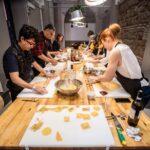
This is not a sit-and-watch class. The format is hands-on, with a cooking demo plus time where you actually cook. That’s where you’ll gain confidence.
Fresh pasta work
Expect to learn how to handle fresh pasta dough and shape pasta such as rigatoni or bucatini, or make gnocchi. One account specifically called out interest in gnocchi technique and described making gnocchi paired with an Amatriciana-style sauce, plus other dishes during the same session.
Even if you’ve cooked pasta before, you’ll likely pick up a Roman-specific way of working and seasoning. In home kitchens, the workflow matters: timing, textures, and what gets cooked first.
Learning sauces and Roman flavor logic
Roman cooking often feels bold in its simplicity. You’ll see that logic in classic second courses and in how sauces get built. For example, Saltimbocca alla romana with puntarelle points to how Romans treat bitterness and freshness. Coda alla vaccinara connects slow-cooked richness with greens like cicoria ripassata. You’re tasting the balance while you cook.
Dessert steps
Dessert is usually where classes turn into memory. When you make tiramisù or a ricotta-and-cherry tart yourself, you understand how the host handles timing and assembly. One story even mentioned helping in the kitchen and ending up with more food than they could eat, which gives you a sense of how full the meal experience is.
Dining at a Local’s Home: Italian Hospitality That’s More Than Food
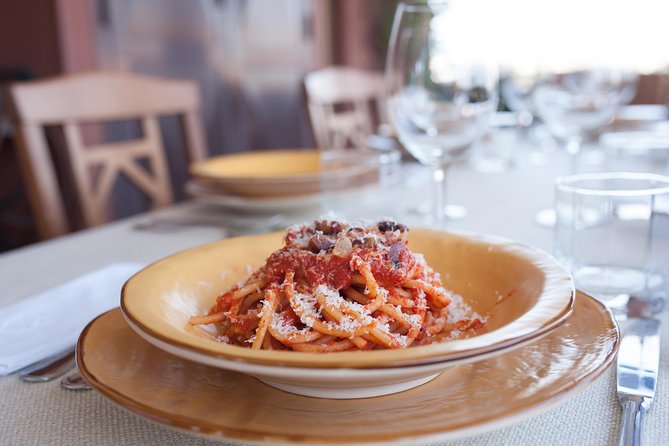
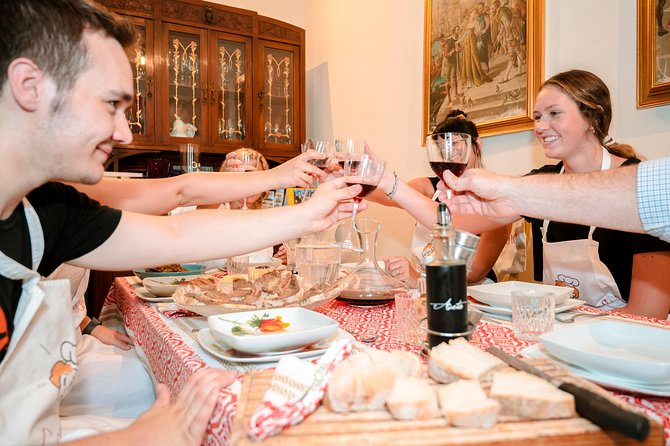
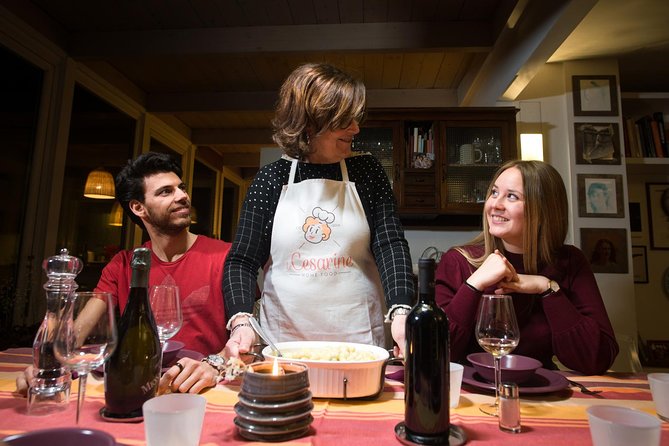
The dining portion is part of why this is worth your time. You’re not eating alone in a room with a plate and a fork. You’re eating with your host, and the meal is presented as family time.
In the accounts shared, hosts welcomed participants warmly from the start. People described coffee and cookies on arrival, then a market-to-home progression that kept feeling personal. One birthday experience with Maria (and her family) included singing happy birthday in Italian, which is exactly the kind of human detail you can’t copy from a restaurant menu.
Another review experience with Gianluca described greeting and hospitality before heading to the market, plus a home cooking session with multiple dishes and a hands-on feel. These stories aren’t just sweet. They hint at the real strength of the format: you get conversation, context, and a sense of the family tradition behind the recipes.
Price and Value: Is $164.43 Worth It?
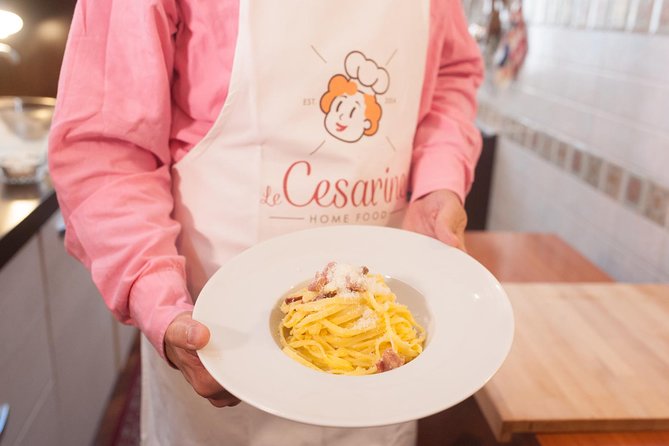
At $164.43 per person for about 3.5 hours, you’re paying for a few things at once:
- a market visit where you buy fresh ingredients
- a hands-on cooking class (not just watching)
- a 4-course meal cooked and shared at a home
- Italian wines included with the dining portion
- a private, English-language experience
If you compare it to standard restaurant meals, it’s pricier. But if you compare it to buying ingredients and taking a cooking class plus paying for an extended, hosted meal, the value becomes clearer. The real value is skills you can reuse and the social part you can’t replicate at a typical dining spot.
Also, the private format matters. You’re paying so you can ask questions and cook without feeling like you’re part of a conveyor belt. For many people, that makes the time feel worth the spend.
Timing, Getting There, and What to Bring
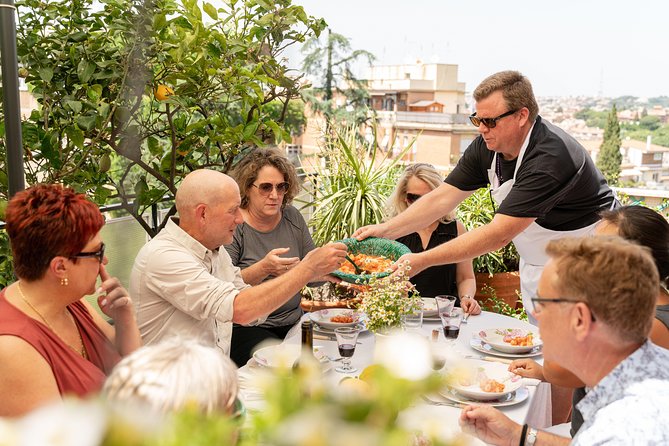
You start at 10:30 am and end back at the meeting point, with a total duration around 3 hours 30 minutes. That timing is great if you want a full morning activity that doesn’t wreck your afternoon plans.
Because it says near public transportation, I’d plan to use transit rather than relying on a car. Rome can punish last-minute parking decisions, and you don’t want stress when you’re about to cook and eat.
What should you bring? Practical basics:
- comfortable shoes for walking between market and home
- a light layer if your morning is cool
- an appetite, since the meal is a full multi-course setup
If you have dietary needs, it’s smart to tell the operator when booking. One review specifically described accommodation for gluten intolerance with Cristiana, but you shouldn’t assume every host will handle every situation in the same way.
Who This Experience Suits Best (and Who Might Want Another Option)
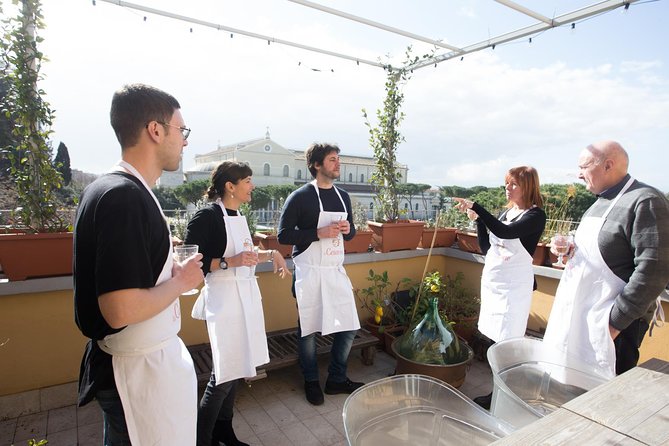
This fits best if you want something more grounded than sightseeing. I think it’s ideal for:
- couples or small groups who want a shared “Rome day” with one focused plan
- food lovers who care about ingredients, not just dishes
- people who learn better by doing (pasta shapes, assembly, steps)
- travelers celebrating something special, since the home setting can feel memorable fast
It might be less ideal if you want a flexible itinerary with lots of wandering. This experience is structured around cooking and eating, so you should plan other sightseeing around it rather than expecting to add spontaneous stops.
Also, because it’s a home experience, expect it to feel less like a guided tour and more like you’re joining a family kitchen for a morning.
Should You Book Cesarine Market Tour and Local Home Dining in Rome?
Yes, if you want a Rome experience that combines a market-based ingredient lesson with real cooking and a full meal in a local home. The strongest reason to book is the format: you shop, you cook, you eat, and you leave with practical skills and a story that doesn’t sound like every other Rome photo day.
I’d think twice only if the price feels too steep for you or if you dislike hands-on activities. Otherwise, it’s one of the more “you are in Rome” ways to spend a morning, especially if you appreciate family cooking and classic Roman dishes like fresh pasta, Saltimbocca alla romana, and Roman tiramisù.
FAQ
How long is the Cesarine market tour and home cooking experience?
It lasts about 3 hours 30 minutes.
What time does the tour start?
The start time listed is 10:30 am.
Is it offered in English?
Yes, the experience is offered in English.
What do I eat during the experience?
You’ll enjoy a 4-course meal: a seasonal starter, fresh pasta, a second course with a side dish, and a Roman dessert. Italian wines are included with the dining.
Is this a private tour?
Yes. It’s private, so only your group will participate.
Where does it start and end?
It starts at a meeting point in the Province of Rome, Lazio, and ends back at the same meeting point.
What is the cancellation policy?
You can cancel for a full refund up to 24 hours before the experience’s start time. Free cancellation is available under that rule.
Can they accommodate dietary restrictions like gluten intolerance?
One review described gluten intolerance being accommodated by the host during the cooking experience, but you should still confirm your needs when booking.