REVIEW · ROME
Cesarine: Market Tour & Cooking Class at Local’s Home in Rome
Book on Viator →Operated by Cesarine: Cooking Class · Bookable on Viator
Rome tastes better with a chef at home. The Cesarine experience combines a market visit and a private cooking class in a local’s home, ending with a three-course meal and wine.
I especially like the way you learn hands-on, with instruction that helps you make Roman favorites like fresh pasta and a classic dessert. I also like the personal feel of being in someone’s real home kitchen with a small group, guided in English.
One catch: at $225.18 per person, it’s a splurge, so it’s worth booking if you truly want to cook and sit down to a full meal, not just snack your way through Rome.
In This Review
- Key highlights worth planning for
- Market Time at Local Food Shops in Rome
- A Private Home Kitchen, Not a Classroom
- Learning Roman Pasta: Fresh Shapes and Real Technique
- The Three-Course Meal: Starter, Pasta, and Roman Dessert
- How the Class Actually Feels (English Guidance + Conversation)
- Price and Value: What You’re Paying For
- Timing, Meeting Point, and Getting There
- Who Should Book This Rome Cooking Class?
- Should you book Cesarine: Market Tour & Cooking Class at a Local’s Home?
- FAQ
- How long is the Cesarine market tour and cooking class in Rome?
- What time does the experience start?
- Is this a private tour?
- Is the class offered in English?
- What will I eat during the experience?
- Where does the tour start and end?
- What is the cancellation policy?
Key highlights worth planning for
- Market shopping for real ingredients before you cook, at local outdoor food shops
- Private class in a local home with your group only
- Fresh pasta plus Roman dessert as a full, satisfying meal, not a demo
- Wine and coffee included with your three-course sit-down
- English-language instruction with plenty of conversation built in
Market Time at Local Food Shops in Rome
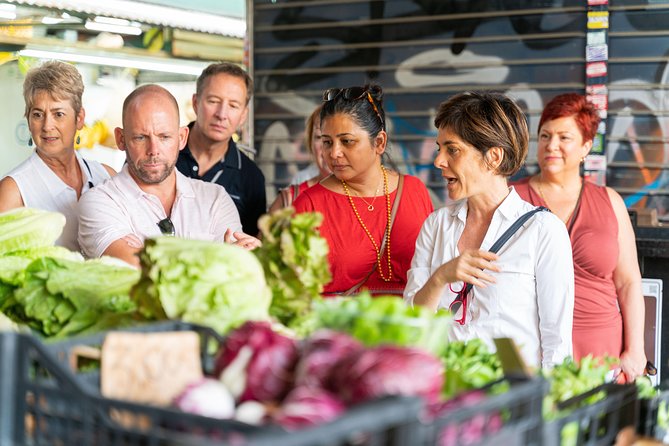
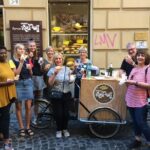
This experience starts with your Cesarina guide taking you to a Rome market and traditional food shops to pick ingredients for the meal. It’s a smart way to connect the food you eat later to where it comes from. You’re not just watching cooking on a screen; you’re choosing items that show how Romans actually shop.
The market portion also sets the tone for the whole class. You get context for what you’ll cook and why certain ingredients matter in Roman-style cooking. In some sessions hosted by chefs like Maria and Giorgio, the welcome includes freshly baked pastries before you head out to the market, which makes the start feel relaxed instead of rushed.
Practical note: markets involve walking and standing. Wear shoes you’re happy to keep on for a few hours, even if you’re not planning to do anything else that day.
You can also read our reviews of more shopping tours in Rome
A Private Home Kitchen, Not a Classroom
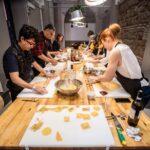
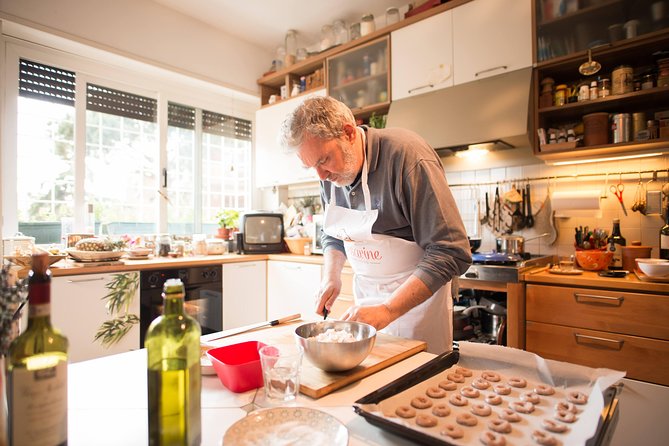
Back at the chef’s home, the mood changes fast. This isn’t a commercial cooking school with strict choreography. It’s a private cooking class in a real apartment/home setup, where your group is the only group participating.
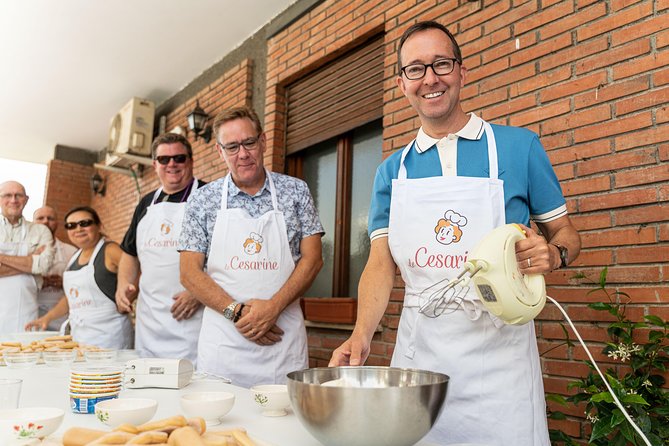
In past classes, hosts such as Valeria, Laura, and Ofelia have welcomed people warmly and set up stations and aprons so you can actually cook. Some kitchens even feel like you’re joining family for an afternoon: music playing, wine on the table, and lots of back-and-forth while you work.
That private setting matters more than you might think. You can ask questions as you go, instead of waiting for a guide to finish a lecture. You also get a calmer pace to learn pasta and sauces without feeling like you’re on a tight schedule with a large group.
Learning Roman Pasta: Fresh Shapes and Real Technique
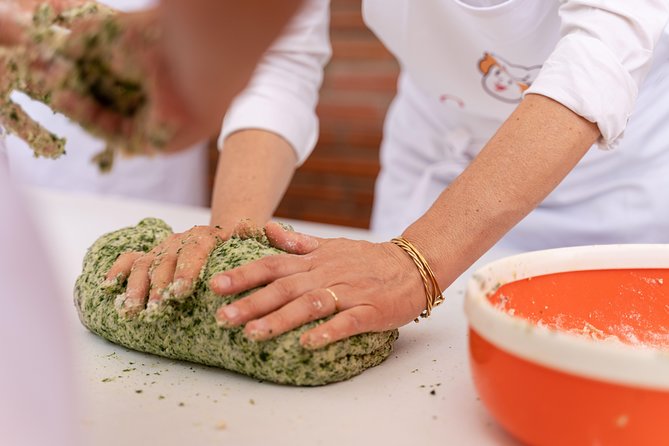
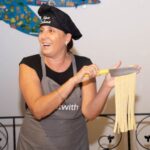
The main cooking focus is fresh pasta, and the experience often includes making pasta shapes such as rigatoni, bucatini, or gnocchi. The exact pasta type can vary, but the goal stays the same: you learn the steps needed to turn simple ingredients into a Roman-style plate you can recognize.
Some classes go beyond the standard shapes and include Roman favorites you’ll see around Rome, like carbonara-style techniques. In one memorable session, the class included making pasta in the style often called guitar pasta, plus learning with guidance while you work side-by-side with the host.
Here’s why that matters for you: when you understand the method behind the dish, you can order it later with better instincts. You’ll know what to look for in the texture and how the sauce should cling, and you’ll pick up flavor logic that’s hard to get from a menu description.
Also, pasta-making can be hands-on in a good way, not just mixing. You’ll spend enough time in the process that you’ll feel ownership when the meal lands on the table.
The Three-Course Meal: Starter, Pasta, and Roman Dessert
After the cooking, you sit down to what the experience is really building toward: a full three-course meal. Your menu typically follows a Roman pattern.
- Starter: a seasonal starter
- Main: fresh pasta, often rigatoni, bucatini, or gnocchi
- Dessert: a Roman dessert such as ricotta and cherry tart, Roman tiramisu, chocolate shortbread, or similar typical options
The dessert choices are one of the best parts of the experience if you love Roman classics. In particular, tiramisu shows up often, and it’s a strong finish after pasta. You also get coffee as part of the meal, which turns this into a real post-cooking sit-down rather than a quick tasting.
Wine is included with the meal, and in some home setups, you’ll also see the flow of antipasti while you cook. That’s a big value factor: you’re not just learning; you’re eating what you make, plus enjoying drinks and small plates during the process.
Tip for your day: plan light for the rest of your schedule. Four and a half hours plus a multi-course meal usually means Rome walking later might feel like a nice idea rather than an urgent plan.
How the Class Actually Feels (English Guidance + Conversation)
The experience is offered in English, and that’s huge for getting something meaningful out of a cooking class. Pasta and sauce terms can get confusing fast, but with English guidance you can connect steps to understanding, not just imitation.
The best part is the conversation. Some hosts like Laura and Valeria have an easy, friendly style, chatting as you cook and talk through ingredients. In one session hosted by a team including Isabella as a helper/friend, the market walk and cooking time both included context that made the food feel specific to Rome rather than generic Italian.
If you enjoy interactive experiences, this setup can be a great match. You’ll likely feel comfortable asking questions as you go, and you’ll get better at recognizing ingredients and techniques you’ll see again in Roman restaurants.
You can also read our reviews of more tours and experiences in Rome

Price and Value: What You’re Paying For
At $225.18 per person, this is not a budget activity. The value isn’t the view or a famous landmark. The value is the package: market shopping, private instruction in a home kitchen, cooking your own meal, and then eating a three-course dinner with wine and coffee.
You’re also paying for time. The experience runs about 4 hours 30 minutes, starting at 10:00 am, which gives you a full arc: ingredients first, cooking second, then a long enough sit-down to actually enjoy the meal.
Another value point is the format. It’s private for your group only. That usually means more focused attention than a larger group class, and it helps you move at a pace that makes learning stick.
Is it worth it? For food lovers, couples, and anyone who wants to experience Rome beyond sightseeing photos, it often feels like one of the most memorable meals you’ll have in the city. If you’re mainly after a short taste of Italian cooking, you might compare alternatives with shorter sessions or shared classes.
Timing, Meeting Point, and Getting There
The tour starts at 10:00 am and ends back at the meeting point. The listed meeting area is in the Province of Rome, Lazio, and it’s noted to be near public transportation.
The practical takeaway: plan your morning so you’re not rushing. Starting at 10am means you’ll want an easy commute and a bit of buffer if you’re using public transit.
Because the class includes walking (market) and active cooking (home kitchen), it’s smart to bring a small change of mindset. This is a working meal. You’ll likely spend much of the time standing, chopping, rolling, or shaping pasta.
If you have dietary restrictions, the details provided don’t specify accommodations. So I’d treat this as a request-at-booking situation. Ask directly when you reserve so you’re not hoping last-minute.
Who Should Book This Rome Cooking Class?
This is a strong fit if you want:
- A hands-on Rome experience built around cooking, shopping, and eating
- A private class setup rather than a large group
- A meal that includes starter, pasta, dessert, plus wine and coffee
It’s also a good pick for dates. The meal portion and home setting often create a more relaxed, romantic vibe than you’ll get in a standard restaurant.
If you’re the type who loves learning how dishes are built, you’ll likely enjoy the methods behind pasta and classic flavors. And if you’re planning bigger sightseeing days, this is a nice reset from the usual monument schedule.
Should you book Cesarine: Market Tour & Cooking Class at a Local’s Home?
If your ideal Rome day includes real food, real kitchens, and a full meal you didn’t just order, I think this is a great use of time. The structure is simple and satisfying: market first, then cook, then eat.
Book it if:
- You’re happy spending the morning and early afternoon cooking and eating
- You value private attention and home-style instruction
- You want Roman dishes like fresh pasta and Roman dessert, paired with wine and coffee
Skip it if:
- You want only a quick tasting experience
- Your budget can’t stretch to a private home class
- You prefer pure sightseeing over hands-on activities
For many people, this ends up being the part of their trip that feels most connected to everyday Roman life, not just the postcard version.
FAQ
How long is the Cesarine market tour and cooking class in Rome?
It runs for about 4 hours 30 minutes.
What time does the experience start?
The start time is 10:00 am.
Is this a private tour?
Yes. It’s private, so only your group participates.
Is the class offered in English?
Yes, it’s offered in English.
What will I eat during the experience?
You’ll have a three-course meal: a seasonal starter, fresh pasta (such as rigatoni, bucatini, or gnocchi), and a Roman dessert (like ricotta and cherry tart or Roman tiramisu). Wine and coffee are included.
Where does the tour start and end?
The tour starts in the Province of Rome, Lazio, and it ends back at the same meeting point.
What is the cancellation policy?
Free cancellation is available up to 24 hours in advance for a full refund. If you cancel less than 24 hours before the start time, the amount paid is not refunded.