REVIEW · ROME
Castel Sant’Angelo Skip-the-Line ticket
Book on GetYourGuide →Operated by Explore Rome Tours · Bookable on GetYourGuide
A giant Roman tomb turned into a papal fortress. That twist is what makes Castel Sant’Angelo so fun to visit, and the skip-the-line ticket helps you get in fast enough to enjoy the views without feeling rushed. I also like how the route naturally builds toward picture moments, including the terrace, but there’s one catch: this visit isn’t suitable for wheelchair users or people with mobility impairments.
I love that the site sits right by the Vatican area, so it works as a smart add-on if you’re already planning on St. Peter’s Basilica or the Vatican Museums. You’ll connect the big ideas quickly: the Mausoleum of Hadrian, the papal fortress era, and even the spooky side with prison cells and legend. Plan for about 1–1.5 hours, because this is a focused ticket, not a long day tour.
With the option for an audio guide, you can set your own pace and spend more time where your interest actually lands. It’s a great setup if you want the highlights plus context, not a schedule that keeps yanking you along.
In This Review
- Key points to know before you go
- Castel Sant’Angelo in a nutshell: mausoleum, fortress, and museum
- Skip-the-line tickets and the real value of $17 near the Vatican
- How to walk through it: what you’ll actually experience once inside
- Terrace views and Sant’Angelo Bridge photos you can get fast
- The supernatural and the prison: Michael and the darker rooms
- Audio guide pacing: how to make the most of a short visit
- Logistics that affect your day (and how to avoid headaches)
- Who this works for (and who should choose something else)
- Should you book this skip-the-line Castel Sant’Angelo ticket?
- FAQ
- How much is the Castel Sant’Angelo skip-the-line ticket?
- How long does the visit take?
- What’s included with this ticket?
- Is a guide tour included?
- How do I receive my tickets?
- Do I need to bring ID?
- Are pets, strollers, or large bags allowed?
- Is this experience suitable for wheelchair users?
- Can I cancel and get a refund?
Key points to know before you go
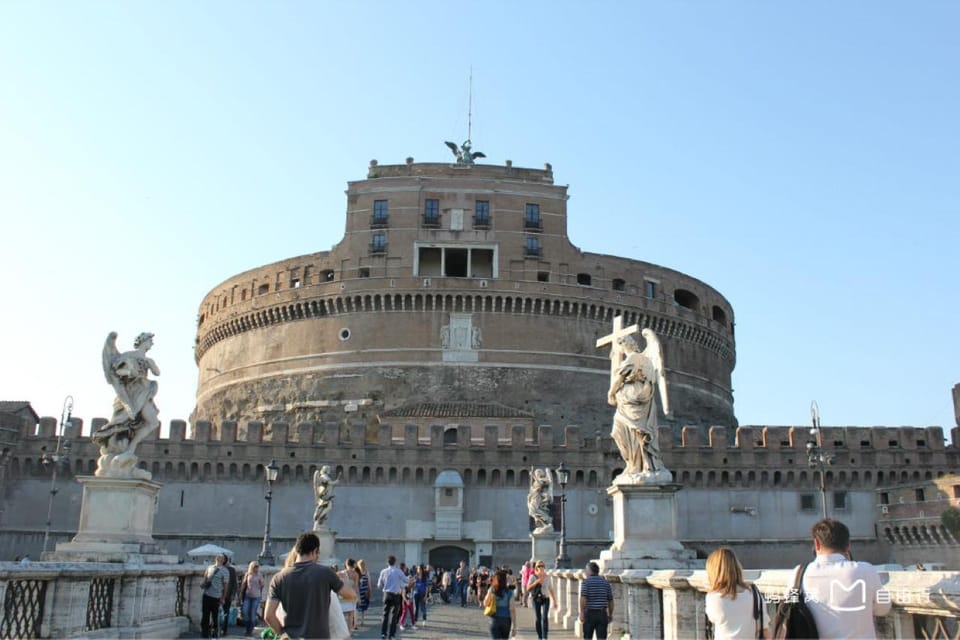
- Skip-the-line entry saves time at one of Rome’s most timed-ticket locations
- Terrace viewpoints give you classic, sweeping city angles
- Passetto di Borgo context explains how popes used the fortress for escape during invasion threats
- Michael the Archangel legend adds a supernatural layer tied to a plague story
- Prison cells like Sammalò or San Marocco bring the darker side into focus
- Vatican-area convenience makes it easy to pair with St. Peter’s and nearby sights
Castel Sant’Angelo in a nutshell: mausoleum, fortress, and museum
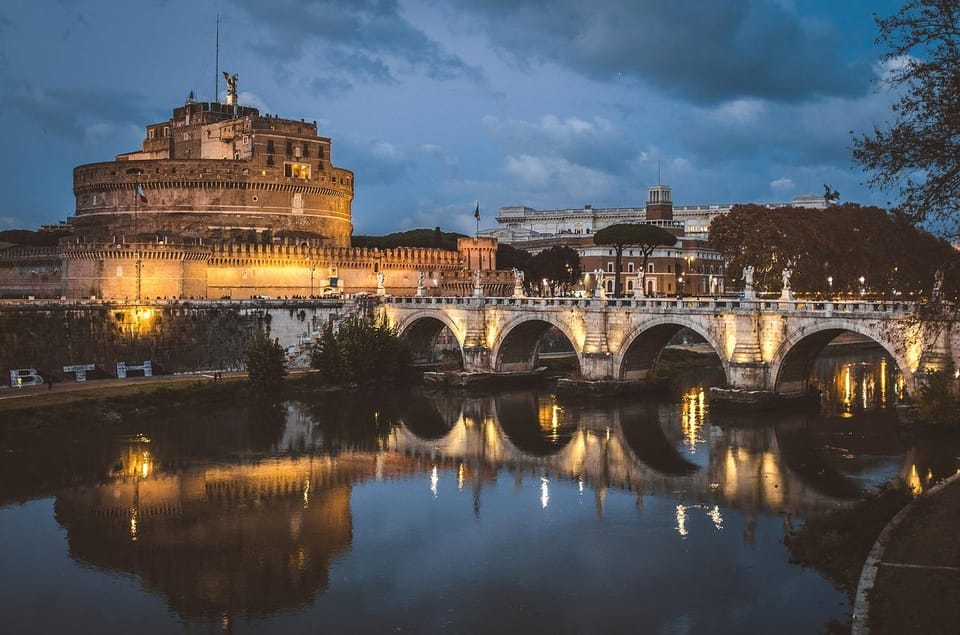
Castel Sant’Angelo is one of those Rome places where the building tells a whole story in layers. It began as the Mausoleum of Hadrian on the Tiber River, then later transformed into a papal fortress. In 1925, it was turned into a museum, which is why you can visit it today as both history and atmosphere.
What I like most is how the tone shifts as you move through the experience. You’re not just looking at pretty stone and old rooms. You’re tracing how the function of the building changed over centuries, from royal tomb to defensive refuge, and finally to a museum you can explore at an easy walking pace.
You’ll also hear the key narrative threads that connect the eras. The popes used the structure as refuge, including the Passetto di Borgo, a passage used to facilitate escape from the Vatican to the castle during invasion fears. If you’re the type who likes understanding why places exist, this one gives you answers quickly.
You can also read our reviews of more tours and experiences in Rome

Skip-the-line tickets and the real value of $17 near the Vatican
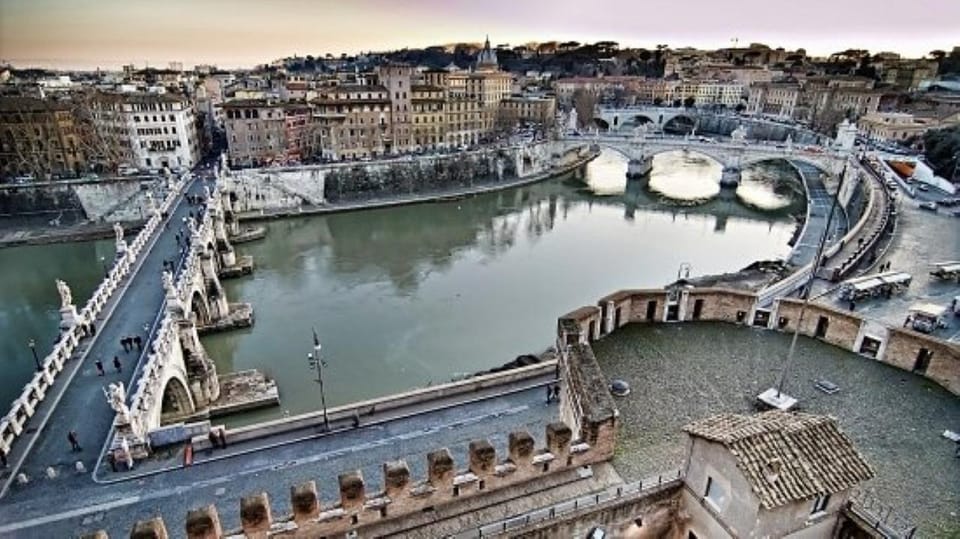
At $17 per person, the big question is whether the skip-the-line part actually matters for you. In this case, it usually does. Castel Sant’Angelo is near high-demand areas like St. Peter’s Basilica and the Vatican Museums, so timed entry helps you spend your time looking, not waiting.
The ticket is designed to be straightforward: you receive tickets by email and/or WhatsApp the day before your activity. Then you can go straight to the entrance with those tickets, which keeps your visit smoother if you’re moving around Rome day-by-day.
One more value point: this is not a long, complicated service. The experience is listed as 1 to 1.5 hours, which means you can usually fit it into a busy day near the Vatican without it swallowing half your itinerary. I find that kind of “tight and meaningful” ticket is often where you get the best return on time.
Just keep your expectations aligned with what’s included. This ticket includes skip-the-line entry and may include an audio guide ticket if you select that option. A guide tour isn’t listed as part of the offering, so don’t plan on a live interpreter walking you through every room.
How to walk through it: what you’ll actually experience once inside
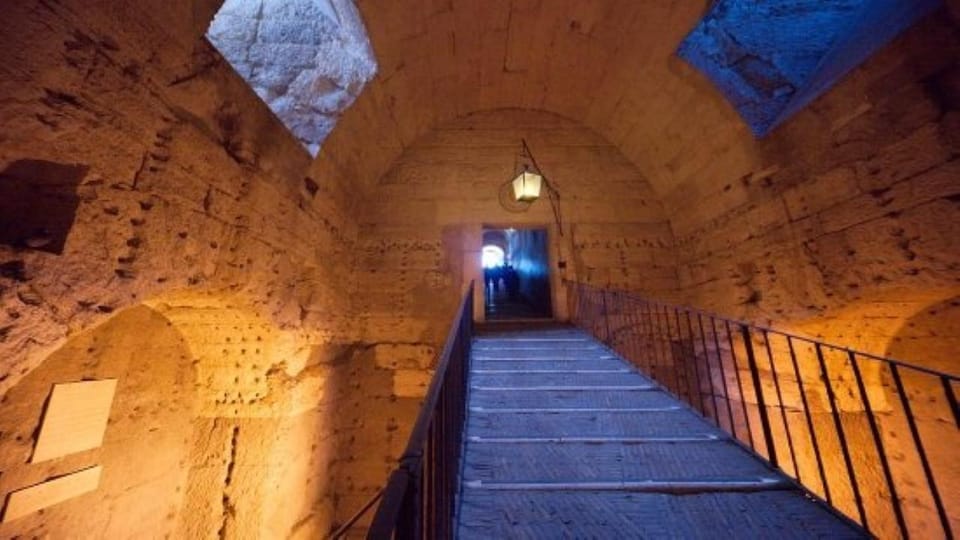
Your visit is all about getting oriented inside a place that has been reused over and over. You’ll start by entering and settling into the flow of the museum route, where the building’s original purpose and later uses become part of what you see.
The Mausoleum of Hadrian is the foundation of the story. From there, the experience shifts into fortress logic: thicker, defensive-feeling spaces and the sense that this place wasn’t designed only for remembrance. As you move, you’ll be able to connect what you’re viewing to the ideas you came for, especially the way papal power relied on refuge and escape routes when Rome faced threats.
Then there’s the “how it worked” storytelling piece tied to the Passetto di Borgo. It’s not just a random detail; it helps you understand why the castle was so strategically important. If you can remember one takeaway, make it this: the fortress wasn’t only a symbol. It was part of a real escape plan between the Vatican and the castle during invasion conditions.
Since this is a self-paced ticket (with audio guide optional), you’ll have control over where to linger. If you like dramatic viewpoints, you’ll naturally drift toward the spots that offer the best sightlines. If you like architectural history and legends, you’ll spend more time on the narrative elements tied to each era.
Terrace views and Sant’Angelo Bridge photos you can get fast
The terrace is one of the main reasons people enjoy coming here, and it’s easy to see why. The ticket is specifically set up so you can enjoy the view from the terrace of the castle. That puts you at an elevation where Rome looks more like a city plan than a postcard.
This is also where the Sant’Angelo Bridge photo moment fits in. You’ll be in a good position to take pictures of the bridge, and that’s handy if you want one clear “Rome snapshot” that connects landmarks across the river. Don’t overthink it—just give yourself time to frame the shot, because the angle is part of the appeal.
If your day is packed, I recommend treating the terrace like a mini goal. Go there with purpose: take a few photos, look around for a minute or two, then move on. You’ll get the best of the view without turning it into an hour-long detour.
The supernatural and the prison: Michael and the darker rooms
Castel Sant’Angelo isn’t only about royal tombs and papal strategy. It’s also tied to a supernatural legend: the story of the archangel Michael who saved Rome from the plague at the end of the 6th century. That legend gives the building a mythic layer, so it feels less like a cold monument and more like a place people feared, prayed about, and talked about for generations.
Then comes the darker chapter. The monument was used as a prison from the mid-fourteenth century, and there are frightening cells you can encounter during your visit. Two names you may hear in the experience are Sammalò and San Marocco, which add personality to what could otherwise feel like generic dungeon talk.
This part works well if you like history that has emotional weight. The prison use isn’t just an on/off label; it changes how you perceive the space. Even if you’re not a horror fan, you’ll likely feel a shift in tone as you look at the cells and the darker side of the building’s reuse.
What I like about including this in the visit is that it balances the story. The fortress idea makes you think of protection and escape. The prison idea makes you think of consequences. Put together, it helps you understand why this place has been “important” in Rome in more than one way.
You can also read our reviews of more tours and experiences in Rome
- Skip-the-Line Group Tour of the Vatican, Sistine Chapel & St. Peter’s Basilica
★ 4.5 · 12,779 reviews





Audio guide pacing: how to make the most of a short visit
If you select the audio guide option, you’re giving yourself context without committing to a live guide schedule. That matters because the visit duration is 1 to 1.5 hours, so you want information at the moment you need it, not at the end.
Audio guidance can also help you connect details like the Passetto di Borgo and the plague-and-Michael legend to what you’re looking at. Without that, some sites like this can feel like a sequence of rooms and stairs. With audio, the narrative threads help you make sense of the bigger picture faster.
My practical advice: use the audio guide to choose your pace, not to force a checklist. If a section doesn’t grab you, move on. If a legend or era hooks you, stay there a little longer. The ticket format makes flexibility easy.
Logistics that affect your day (and how to avoid headaches)
This experience is designed to be low-friction. Your tickets are sent directly to your email and/or WhatsApp the day before. They’re meant to be ready for entrance, so you don’t need to pick anything up in person.
If you run into trouble downloading the PDF ticket, the instructions say you can contact support through email or WhatsApp for help. That’s a nice safety net, especially when you’re in Rome and your data plan is acting unpredictable.
You’ll also want to get your documents ready. You need a passport or ID card, including for children. Your full names in English are also required, so when you book, double-check spellings before you confirm.
One more practical note: the experience isn’t for everyone. It’s not suitable for wheelchair users and not suitable for people with mobility impairments, which is important to consider early. Also, the rules say pets aren’t allowed, and you can’t bring baby strollers or luggage/large bags. Going light is not just easier; it keeps you within the site’s rules.
Who this works for (and who should choose something else)
This ticket makes the most sense if you want a high-impact Rome stop without a huge time commitment. I think it’s a strong match for you if you:
- are staying near the Vatican area and want a nearby “second anchor”
- like places where one building serves multiple roles across centuries
- want that terrace view and photo angle without a complicated guided itinerary
- enjoy legends and darker-story stops as part of your sightseeing
It may not be the best choice if you need full wheelchair access or you expect a very smooth, step-free route. The ticket rules explicitly say it’s not suitable for wheelchair users or people with mobility impairments, so don’t plan on “trying anyway.”
It’s also a good option if you prefer independent exploring. Since a guide tour isn’t included, you can move at your own speed and stop when your interests pull you.
Should you book this skip-the-line Castel Sant’Angelo ticket?
I’d book it if you want a concise, story-rich visit that fits cleanly into a Vatican-heavy day. The value is strongest when you treat the skip-the-line part as the point: it helps you spend time on the terrace, the museum spaces, and the photo stops instead of waiting in queues.
Just build in one smart safeguard. I’ve seen a report of a reservation canceled about 12 hours prior by the company, so if Castel Sant’Angelo is your only plan that day, add some flexibility. If it’s one item among a few, you’ll handle any last-minute change with less stress.
If you’re not sure, use this rule of thumb: if you can do the visit independently and you don’t need wheelchair access, this is a solid ticket for people who want highlights plus context in about an hour.
FAQ
How much is the Castel Sant’Angelo skip-the-line ticket?
The price is $17 per person.
How long does the visit take?
The duration is listed as 1 to 1.5 hours. You can check availability for starting times.
What’s included with this ticket?
It includes skip-the-line entry. An audio guide ticket is included only if you select that option.
Is a guide tour included?
No. A guide tour is listed as not included.
How do I receive my tickets?
Your tickets are sent directly to your email and/or WhatsApp the day before your activity.
Do I need to bring ID?
Yes. You should bring a passport or ID card. Children also need the same documentation.
Are pets, strollers, or large bags allowed?
No. Pets are not allowed, and baby strollers and luggage or large bags are also not allowed.
Is this experience suitable for wheelchair users?
No. It is listed as not suitable for wheelchair users and for people with mobility impairments.
Can I cancel and get a refund?
Yes. Free cancellation is offered up to 24 hours in advance for a full refund.
More Skip the Line in Rome
- Skip-the-Line Group Tour of the Vatican, Sistine Chapel & St. Peter’s Basilica
★ 4.5 · 12,779 reviews