REVIEW · ROME
Capitolini and Centrale Montemartini Museums Full Experience
Book on Viator →Operated by TOURISTATION · Bookable on Viator
Two museums, one Roman mood shift.
This ticket locks in reserved entry to both the Capitoline Museums and the Centrale Montemartini, so you can choose a time and explore at your own pace. I love the sense that I’m walking through Rome’s museum origins at the Capitoline, and I also like the contrast at Centrale Montemartini, where ancient art sits in the bones of a former power plant.
One thing to plan for: this is not a guided tour, so you’ll do better if you arrive ready to navigate and follow the voucher redemption instructions at the meeting point.
In This Review
- Key points
- Reserved Entry for Two Roman Classics in One 3-Hour Block
- Piazza d’Ara Coeli: Redeem Your Voucher Like a Pro
- Capitoline Museums: Rome’s First Museum and the Empire Roman Museum
- Making 90 Minutes at the Capitoline Feel Personal
- Centrale Montemartini: Ancient Sculpture in a Former Power Plant
- Your Plan for the Audio Guide and Multimedia Video
- Price and Value: What $57.88 Really Buys You
- Scheduling Tips: Opening Hours, Food, and Transit Reality
- Who This Ticket Suits Best (and Who Might Want Something Else)
- Should You Book This Capitoline + Centrale Montemartini Experience?
- FAQ
- How long does the Capitoline and Centrale Montemartini full experience take?
- What museums are included?
- Can I choose my entrance time?
- Is there a guided tour included?
- Where do I meet to redeem my voucher?
- What are the opening hours for this experience?
- What’s included besides museum admission tickets?
- Are food and drinks included?
- How many people are in the group?
- What if I need to cancel?
Key points
- Reserved access to two sell-out collections, letting you pick your entrance time
- Capitoline Museums, described as the oldest art museum in the world, with the Empire Roman Museum admission
- Centrale Montemartini, an innovative display inside a former industrial/thermoelectric plant
- Two timed blocks of about 1 hour 30 minutes each, for a smooth 3-hour overall experience
- City app audioguide in 6 languages plus a 25-minute Ancient Rome multimedia video running daily
- Small group size (max 12), which helps keep the visit relaxed even though it’s self-guided
Reserved Entry for Two Roman Classics in One 3-Hour Block

This experience is built for the Rome reality that tickets can sell out. You’re paying for pre-booked, time-specific admission to two major ancient-collection stops, both under the same booking umbrella. That matters because it turns a stressful museum scramble into a planned visit with a clear window.
The total time is about 3 hours, split into two chunks of around 1 hour 30 minutes each. That pacing is ideal if you like seeing a lot without rushing your eyes. It’s also a good match for how these museums work: you can take your time in galleries, then move on when your energy starts to dip.
I also appreciate the small size: up to 12 travelers. Even with self-paced access, smaller groups usually mean less crowding at the same entry moments and a calmer flow once you’re inside.
You can also read our reviews of more museum experiences in Rome



Piazza d’Ara Coeli: Redeem Your Voucher Like a Pro
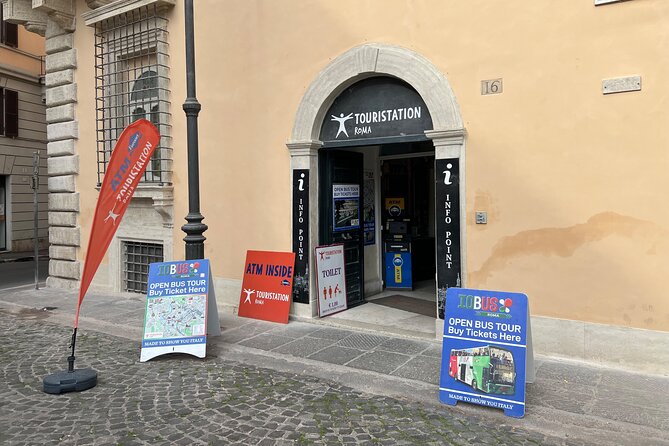
You’ll redeem your voucher at piazza d’Ara Coeli 16. That meeting point detail is important because this experience is self-guided—there’s no guide ushering you step-by-step after you show up. If you’ve ever arrived at a big museum area and spent time searching for the exact check-in point, you’ll understand why this is worth reading closely.
A practical way to handle it: aim to arrive with enough buffer to confirm your voucher redemption before your chosen entrance slot. One review noted that guidance for redeeming official tickets wasn’t clear enough, so I’d rather you start early than waste time when you could be inside looking.
Also note the time frame: the museums operate from 9:00 AM to 3:00 PM during the listed date ranges. So don’t book yourself into a late-day plan where you’d feel rushed. Rome is full of nice distractions, and you’ll want enough time to breathe in the art.
Capitoline Museums: Rome’s First Museum and the Empire Roman Museum
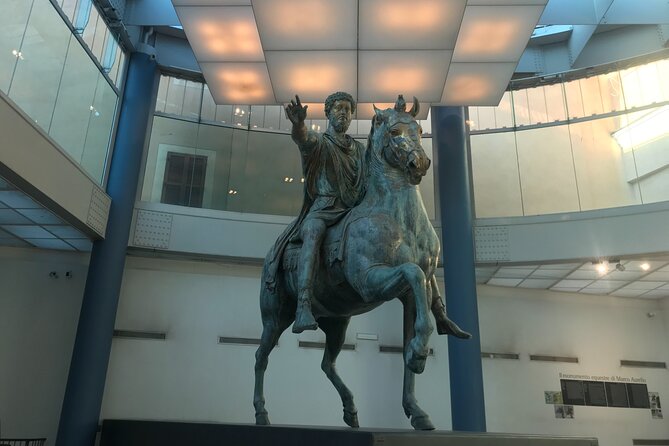
Your first stop is the Musei Capitolini. This site is famous for being the oldest art museum in the world, and the experience package includes admission to the Roman Empire Museum. If you care about how Rome tells its own story through objects, you’ll feel it right away—this is the kind of museum where the setting reinforces the collection.
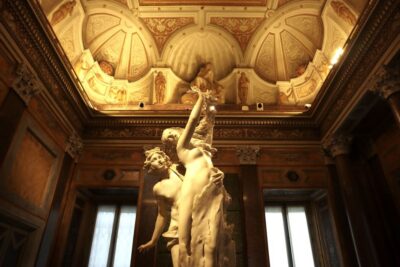
At this point in the visit, you’re looking at art and artifacts that track Rome’s history through its material culture. And because the visit is self-paced, you can spend more time where your interests hit hardest. If you like sculpture, you’ll likely find yourself lingering over how the human form is rendered—shape, texture, and pose all carry information, even before you read a label.
There’s also a time-sensitive bonus included in your ticket: access to the Tiziano, Lotto, Crivelli e Guercino exhibition (Nov 26, 2024 to March 30, 2025) at the Capitoline. If your dates overlap, this is a strong extra value, because it adds a focused temporary element to the broader ancient-collection visit.
Possible drawback to watch for: if you expect a guided narrative tying everything together, you might feel that you’re doing more of the interpretation yourself. The good news is the audio tools included with the experience can help you build context as you go.
Making 90 Minutes at the Capitoline Feel Personal
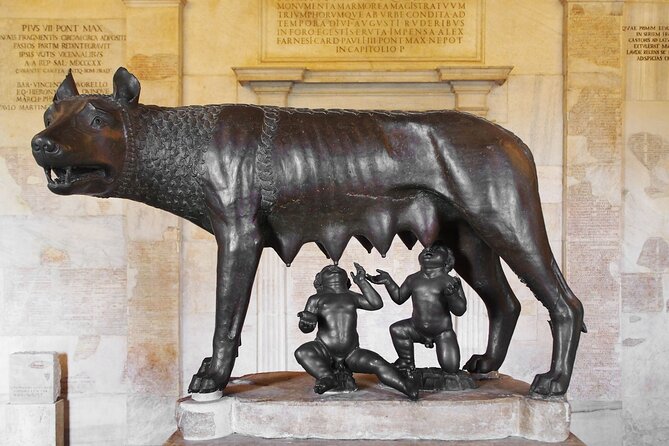
You’re given about 1 hour 30 minutes at the Capitoline. In a museum like this, that’s enough time to see the highlights without getting stuck in one room for too long. My advice is to pick a mental priority: decide what you want most from this stop—sculpture, historical storytelling, or the special exhibition—and let everything else support that.
Because you’ll have a city app audioguide available in 6 languages, you can use it like a flexible compass. If you’re drawn to a section, switch the audio on and follow that thread. If you start feeling label fatigue, you can skip and move on—self-paced museums work best when you control the pace.
One more smart move: don’t ignore the multimedia option. There’s an included Ancient Rome multimedia video (25 minutes) that runs daily from 10:00 AM to 3:00 PM. If you time it well, the video can act like a mental warm-up, so your first gallery time feels more connected and less like random rooms full of objects.
Centrale Montemartini: Ancient Sculpture in a Former Power Plant
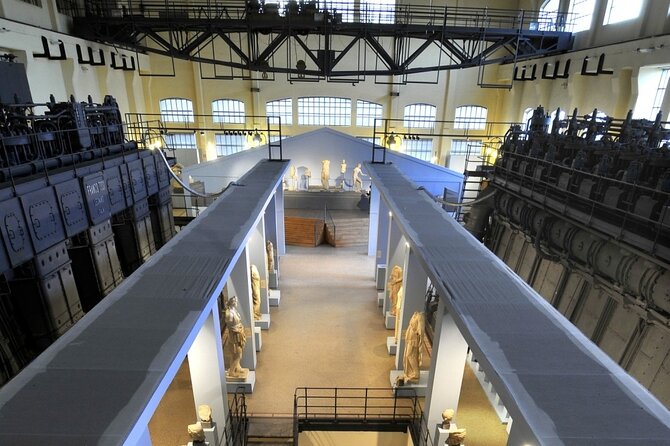
Next up is Centrale Montemartini, the museum housed in the first public thermoelectric power plant. The concept alone is the big draw: you’re not just viewing ancient artifacts, you’re viewing them in an industrial setting designed for an entirely different purpose. That contrast can be stunning, because your brain registers the scale and solidity of the space, then re-reads the art through that unusual lens.
You get about 1 hour 30 minutes here too, which is about right. Centrale Montemartini tends to reward repeated looks—at first glance you see the sculptures, then you start noticing how the buildings framing them changes the way you perceive materials and volume.
This stop is especially satisfying if you care about the “how” of art. One of the standout themes from the positive feedback is the reaction to the sculpted human form—the effort behind the beauty. If that’s what you want, Centrale’s setting can make the experience feel even more immediate: the ancient works look physical, weighty, and present.
Consideration: because you’re switching from a classic museum rhythm (Capitoline) to this industrial-turned-gallery space (Centrale), your energy management matters. Give yourself permission to slow down for a few minutes and then move. The visit is designed for flow, but your comfort still drives the experience.




Your Plan for the Audio Guide and Multimedia Video

You’ll have access to a City APP audioguide in 6 languages. That’s useful because these museums are rich in small context points—things you’d never notice without a guide voice, even if you’re a confident museum-goer.
I suggest using audio in two ways:
- Use it early to help orient yourself, then
- Use it selectively later when you want deeper context on specific rooms or themes.
You also have that included 25-minute Ancient Rome multimedia video, available daily from 10:00 AM to 3:00 PM. It’s a nice option when you want a break from reading labels but still want the historical framing. Since the whole experience is self-guided, these built-in media pieces add structure without taking away your freedom.
If you hate waiting, schedule the video for a moment when you’re least excited about walking—like mid-visit—so it refreshes you rather than interrupting your momentum.
Price and Value: What $57.88 Really Buys You
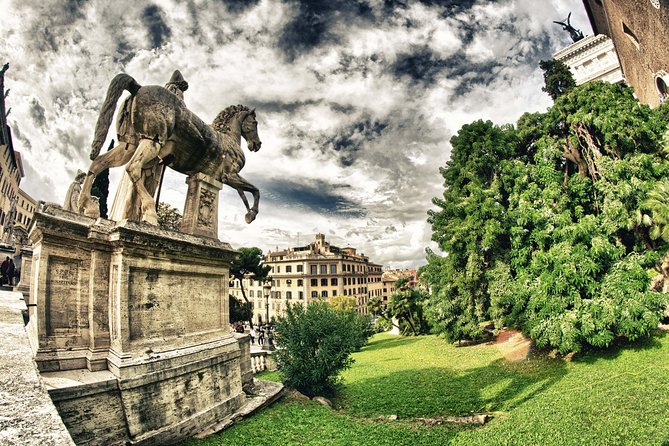
The price is $57.88 per person, and the visit is around 3 hours total. On paper, that’s not a bargain-ticket price for a walking museum day. But here’s what you’re actually buying: guaranteed entry to two major collections that are known to sell out, plus audio support and a multimedia video.
In Rome, the cost of a “maybe I can get in” day can be high—time lost, stress added, and sometimes no entry at all. This ticket removes that uncertainty. You’re also not paying for a full guided tour—so you’re getting a different kind of value: access + freedom + context tools.
The booking lead time is also a clue: the average booking window is about 47 days in advance. That tells me demand is real, and planning ahead is normal here. If you’re traveling on a tight schedule or visiting during busy months, reserving in advance is often the smarter move than gambling on walk-up tickets.
If you like museums but hate rigid itineraries, this price starts to make sense. You’re paying to buy back your time.
Scheduling Tips: Opening Hours, Food, and Transit Reality
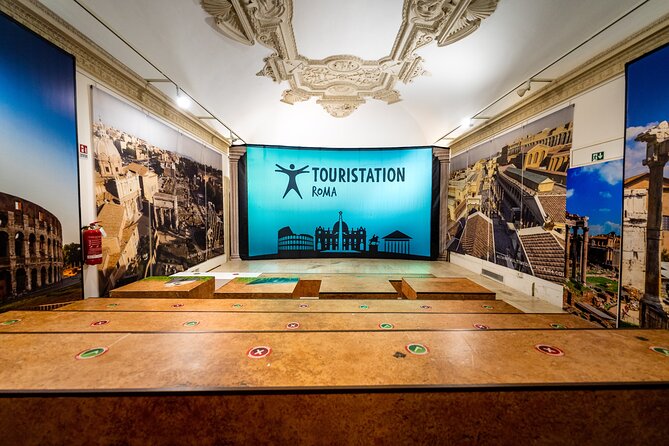
The listed opening hours for the experience period are 9:00 AM to 3:00 PM, Monday through Sunday. That’s your daily ceiling, so plan your day backwards from that. If you’re trying to stack sights, keep in mind this experience’s core block is about 3 hours and includes two museum stops.
Food and drinks are not included, so you’ll want a plan for lunch or a quick snack. If you’re the type who gets museum-hungry (as I do), a small stop before you start can save you from feeling sluggish halfway through.
The meeting point is also described as near public transportation, which is a plus. You can keep your logistics simple: use transit to get you there, then enjoy the walking pace inside the museum day.
Finally, remember this is a self-paced format with no pickup service and no guided tour included. It’s a good fit if you like making your own choices, but it’s not ideal if you want someone to manage timing, interpretation, and room-by-room guidance.
Who This Ticket Suits Best (and Who Might Want Something Else)
This is a strong choice for:
- People who want reserved entry to two Rome ancient-collection highlights
- Travelers who like self-paced museum time rather than a structured narration
- Anyone interested in how different spaces change how you see art—especially the industrial-art contrast at Centrale
- Folks who value audio support (the app guide in 6 languages) and an optional multimedia video to frame the visit
It may not be the best match if:
- You want a guide to explain everything step-by-step
- You need heavy hand-holding to find voucher redemption points or to interpret the collections without any media support
Also, with a maximum of 12 travelers, it’s a good middle ground: not private, but not a huge group pushing you forward.
Should You Book This Capitoline + Centrale Montemartini Experience?
Yes—if your goal is to see both of these collections without the stress of ticket availability, this is a smart booking. The biggest reason to book is the combination of guaranteed entry to two top ancient museums plus tools to make the experience feel coherent: audio in 6 languages and an included Ancient Rome multimedia video.
I’d book it especially if you’re the kind of person who appreciates sculpture for the craft—how the human form is shaped, carved, and made to feel alive. One review reaction summed it up as the kind of visit that leaves you speechless, and I can see why: the Capitoline’s weight of art history paired with Centrale’s unusual setting can create a memorable, emotional shift.
If you dislike figuring things out on your own, just go in with a simple plan: arrive a bit early for voucher redemption, decide what you want most at each stop, and use the audio selectively. That small effort turns a self-guided ticket into a very satisfying museum day.
FAQ
How long does the Capitoline and Centrale Montemartini full experience take?
It lasts about 3 hours total, with about 1 hour 30 minutes at each museum.
What museums are included?
You get admission to the Musei Capitolini and to the Centrale Montemartini.
Can I choose my entrance time?
Yes. This is a pre-booking option with reserved admission, and you can choose the entrance time that fits your schedule.
Is there a guided tour included?
No. The experience is self-paced. A guided tour is not included.
Where do I meet to redeem my voucher?
You should report at piazza d’Ara Coeli 16 to redeem your voucher.
What are the opening hours for this experience?
For the listed periods, it runs Monday through Sunday from 9:00 AM to 3:00 PM.
What’s included besides museum admission tickets?
Included items are a 25-minute Ancient Rome multimedia video (daily from 10am to 3pm) and a City APP audioguide available in 6 languages. Admission also includes access to the Tiziano, Lotto, Crivelli e Guercino exhibition during the stated dates.
Are food and drinks included?
No, food and drinks are not included.
How many people are in the group?
There is a maximum of 12 travelers.
What if I need to cancel?
You can cancel for free up to 24 hours in advance for a full refund. If you cancel less than 24 hours before the start time, the amount you paid will not be refunded.