REVIEW · ROME
10-Night Italy Tour: Rome, Florence, Venice and Sorrento
Book on Viator →Operated by Gray Line I Love Rome by Carrani Tours · Bookable on Viator
Italy, organized in one smooth sweep. I like the air-conditioned transport with onboard Wi-Fi for long travel days, and I also like the skip-the-line Vatican Museums timing so you start seeing world-class art without the worst waits. The main drawback to plan for is the tour runs on a very strict schedule, so you’ll need to keep moving and accept some “on to the next stop” energy.
This is the kind of trip that’s made for people who hate logistics. You get a professional guide, coordinated hotels for 10 nights, and a string of big-name places—Rome, Florence, Venice, Pompeii—plus the Amalfi-style finish in Sorrento. It’s also built around a group pace (max 50), which is great when your guide is sharp, like the standout crew several people praised: Mirjam/Miriam, Sabrina P, Carlos, and Dimitri and Patricia.
Before you book, I’d weigh one practical reality: the included meals and flow between sections can be hit-or-miss. Some reviews praised the organization and guides end to end, while others flagged meal quality at one hotel and some extra switching or timing confusion on the southern leg.
In This Review
- Key things that make this tour work (or not)
- Rome First: Piazza Venezia and getting oriented without a plan
- Assisi and Siena: spiritual stonework and the medieval piazza heart
- Florence essentials: Duomo and Palazzo Vecchio without the rental-car stress
- Pisa and the art of the quick photo stop
- Bologna: Piazza Maggiore and food as the main character
- Venice by day and night: Basilica, Doge’s Palace, then romance after hours
- Montepulciano: hill-town calm and a wine-town snapshot
- Vatican Museums skip-line: Sistine Chapel and St. Peter’s scale
- Pompeii to Sorrento: what ruins and lemons feel like on the same trip
- Capri Blue Grotto: the big splash, with lines and contingency plans
- Hotels, Wi-Fi, and guide talent: where the value really shows up
- Price and logistics: what costs extra and what you should plan for
- Who this tour fits best (and who should skip it)
- Small tips that make a big difference on this route
- Should you book this 10-night Italy tour?
- FAQ
- What cities are included on the tour?
- Are hotels and meals included?
- Does the tour include Wi-Fi and air-conditioning on transport?
- Is the Vatican Museums skip-the-line included?
- Is Capri included all year?
- What happens if Blue Grotto access isn’t possible?
- How big is the group?
Key things that make this tour work (or not)
- Skip-the-line Vatican Museums helps you beat the most punishing queues for the Sistine Chapel area and St. Peter’s.
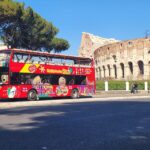
- Rome by hop-on hop-off bus is a smart way to get your bearings fast during your first night.
- Venice at night + Spritz & Cicchetti adds a more local-feeling rhythm than just ticket lines and museums.
- Food-focused Bologna includes both the visual square and a street food experience.
- Capri’s Blue Grotto is weather-and-capacity sensitive; if it’s not possible, the guide will suggest alternatives (like Faraglioni).
- Strict timing means you’re not the kind of traveler who wants long wandering breaks without checking in.
Rome First: Piazza Venezia and getting oriented without a plan
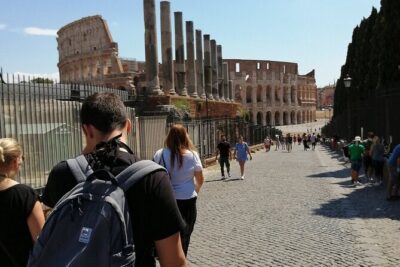
Rome is where your “stress-free” promise either becomes real… or not. Here, you land, make your own way to your hotel, then get a daily hop-on hop-off panoramic bus ticket. That’s a big deal. In a city as sprawling and confusing as Rome, a bus loop helps you build a mental map quickly—so later, when you’re walking short distances between sites, you’re not totally guessing.
Your day-starting point is tied to Piazza Venezia, a central launchpad for a lot of Rome sightseeing. The tour also uses the strength of a guided group for the heavy-hitter moments later on. In early-stage trips like this, the value isn’t just the landmarks—it’s the way Rome becomes manageable.
A small but real consideration: you’re not booking “one big guided day” and then going off on your own. Your time is structured. That can feel great if you like momentum. It can feel tight if you want long afternoons with zero schedule pressure.
You can also read our reviews of more evening experiences in Rome
Assisi and Siena: spiritual stonework and the medieval piazza heart
One of the better parts of this plan is the day-trip style switch from Rome into places that feel like a totally different Italy. Assisi is where you go for the Franciscan world—historic sites tied to St. Francis’s life. Assisi is also UNESCO-listed, and the tone there is quieter than major-city Rome.
Then you roll into Siena, where the focus is the piazza—Piazza del Campo—and why it matters. Siena’s medieval layout still shapes how you experience the city. You also get context for the Palio (the horse race tied to Siena’s neighborhoods), which makes the place feel alive even if you’re not there during race season.
Where this can be tricky: Pisa is also on the same broad day flow in the information you’re given, which means you’ll likely get a “see it, photograph it, move on” approach rather than a long, deep stay. That’s not bad—just be honest with yourself about what you want from Pisa. If you’re hoping for hours in museums, plan that separately.
Florence essentials: Duomo and Palazzo Vecchio without the rental-car stress
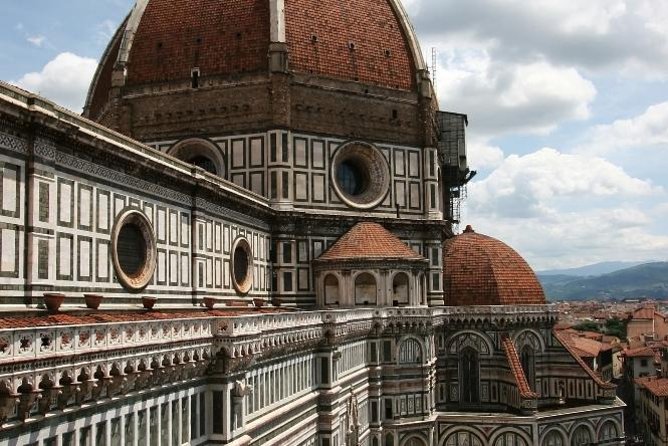
Florence is the “Renaissance hits” section. The tour keeps it practical: you’re guided to two big icons and then you can decide how much extra exploring you want afterward.
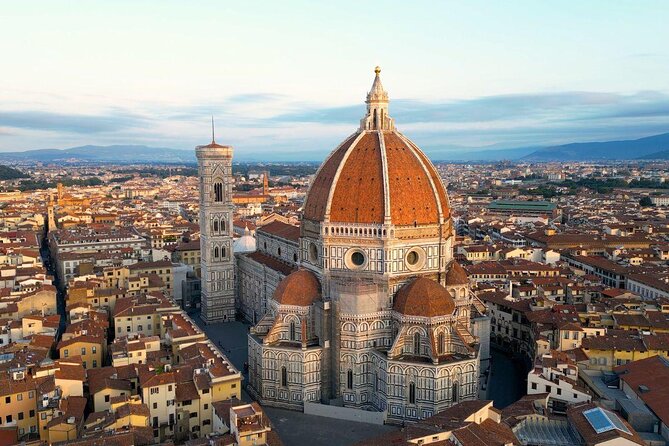
You’ll see the Duomo complex—not just any church, but Santa Maria del Fiore’s cathedral area with the famous Brunelleschi-designed dome and Giotto’s bell tower. Even if you don’t go inside every structure, the exterior and the way the cathedral dominates the skyline hits hard.
Next is Palazzo Vecchio and the Piazza della Signoria area. This is where Florence feels like a living city rather than a museum. The square is tied to civic power and day-to-day social life, and it’s a great place to pause and absorb what “Florence” really means.
One small watch-out: the itinerary notes major sights but also lists that monument and museum entrance fees aren’t included. So if you want to climb, go inside specific chapels, or pay for premium viewpoints, build in extra budget.
Pisa and the art of the quick photo stop
The Leaning Tower of Pisa is offered as a stop, with the focus on the iconic slope in Piazza del Duomo. In a schedule this packed, that usually means you get enough time for photos and a look around the cathedral area, not a long leisurely Pisa stay.
If you love architecture and want to do everything at Pisa—cathedral interior, tower climb, museum details—you’ll likely want an optional add-on. If you mainly want the symbol and the classic picture, this tour’s approach should feel satisfying.
Bologna: Piazza Maggiore and food as the main character
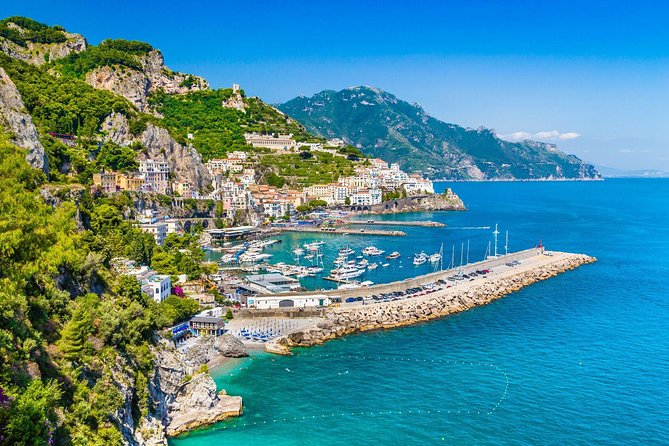
Bologna is a quiet flex. It doesn’t get the same hype as Florence or Venice, but it’s more fun than people expect because it has a strong food identity and an easy stroll feel.
You’ll spend time at Piazza Maggiore, with its arcades and medieval-to-Renaissance buildings framing the square. The tour text also hints at Bologna’s nicknames—la dotta, la rossa, and la grassa—so you get the sense that this city runs on learning, politics, and, yes, eating.
The standout value here is the inclusion of a street food experience. Instead of eating “nearby tourist food,” you have a guided way to taste local flavors. This is one of those inclusions that makes a group tour feel worth it, because the best meals often come from local context.





Venice by day and night: Basilica, Doge’s Palace, then romance after hours
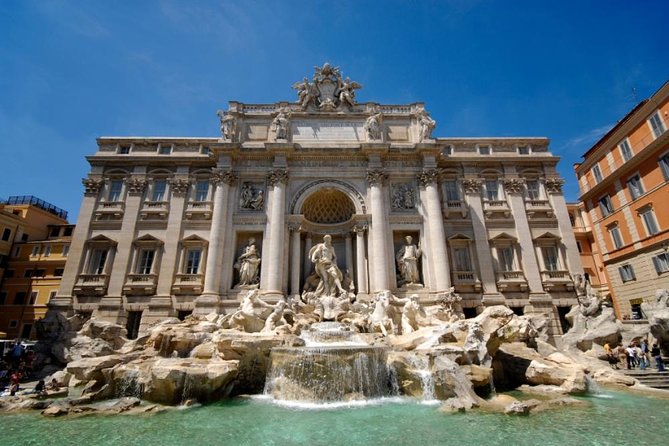
Venice can be done two ways: stressed and crowded, or calm and staged by timing. This tour leans into timing. You get major sights like St. Mark’s Basilica and the Doge’s Palace, plus a separate evening moment that’s designed for when day crowds thin out.
In the Basilica area, the focus is on the Byzantine mosaics, and it’s exactly the kind of visual you can’t really “speed run” successfully. The tour also includes the Doge’s Palace, including the famous Bridge of Sighs story tied to imprisonment—dark history with gorgeous Venetian Gothic surroundings.
Then comes the more pleasant part: time near the Grand Canal when the city feels more romantic and the daytime crush relaxes. One included light lunch is part of the Venice experience: Spritz & Cicchetti. That combo is a practical win. You get a social, local-style break without hunting for the right bar.
Two realities to keep in mind:
- Venice is built for walking and you’ll feel it in your calves.
- Entrance fees aren’t included, so check what you can (and can’t) access without extra payments.
Montepulciano: hill-town calm and a wine-town snapshot
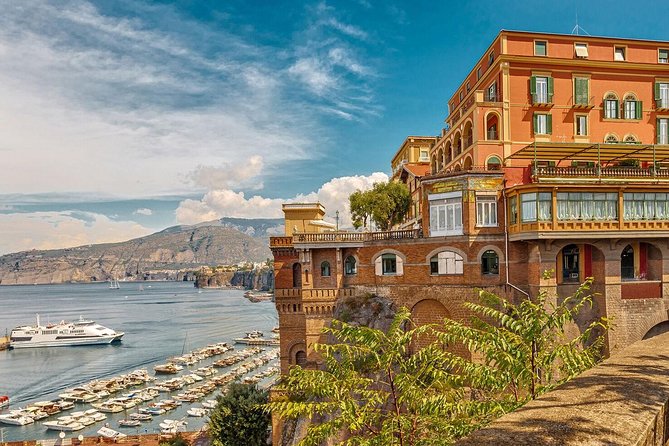
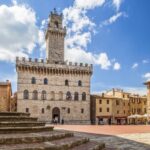
Between the big city days, you get Montepulciano in the hills of Tuscany. This isn’t just a scenic stop; it’s presented as a town tied to vineyards and Nobile wine. You also get a sense of the town’s medieval layout at Piazza Grande, plus a tower view point associated with the Pulcinella figure.
In terms of pacing, this is a nice pressure valve. After Rome and Florence and Venice, a hill town gives you space to breathe, even if it’s still a guided schedule.
If you’re a wine person, you’ll likely want more time than the tour provides. But as a taste of Tuscany beyond the “postcard cities,” it’s a solid inclusion.
Vatican Museums skip-line: Sistine Chapel and St. Peter’s scale
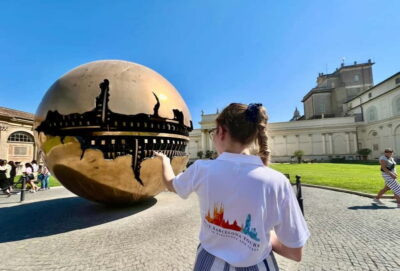
If you do only one “pay attention” part of this trip, make it the Vatican day. The tour includes skip-the-line access to the Vatican Museums, which is where time savings turns into less frustration.
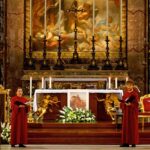
The focus includes the Sistine Chapel—the frescoes by Michelangelo are the reason people come. If you like art, you’ll want to look slowly, even if the schedule doesn’t always allow total wandering.
Then you move to St. Peter’s Basilica, where the tour highlights the scale of the dome designed by Michelangelo and also points out Michelangelo’s Pietà. The outside façade and inside magnitude can feel almost unreal, especially after days spent in street-level squares.
Important practical note: the info you’re given mentions that during the Jubilee Year, some Vatican Museums areas may be inaccessible due to ceremonies. If you travel during that kind of period, your priorities might shift slightly. The upside is the skip-the-line still helps you manage crowds.
Also, the tour is strict with timing, so treat this day like a mission: wear comfy shoes, keep your essentials easy to reach, and don’t plan a big post-Vatican detour unless the group schedule gives you time.
Pompeii to Sorrento: what ruins and lemons feel like on the same trip
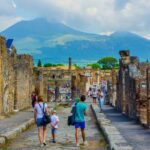
This is where Italy stops being “photos” and starts becoming “story.” Pompeii Archaeological Park is on the route after the Vatican day. The eruption of Vesuvius in 79 AD destroyed Pompeii, and the excavations reveal a city frozen in time. The tour’s emphasis is on the excavations and finds, which is the point: this isn’t just ruins; it’s evidence.
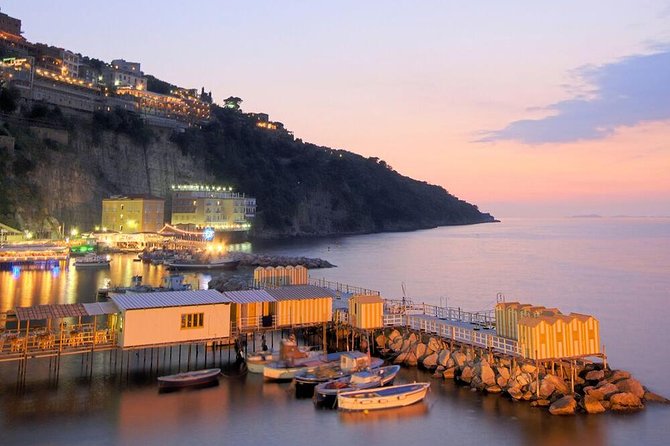
Then you shift to Sorrento, and the mood changes quickly. The peninsula is described in terms of jagged coastline, perfume of lemons, and bright seaside towns. In Sorrento, you get an included block of time to explore the historic center, including Piazza Tasso and the church of San Francesco, known for its tranquil cloister.
This is also where you’ll notice that included experiences can vary by hotel area and seasonal timing. The info notes that in peak season (August and September), your hotel will be in the surroundings of Sorrento. In low season (November to March), the Capri visit won’t happen and you’ll have extra time in Sorrento instead. In January and February, most 4-star hotels in Sorrento close, so you’ll get selected 3-star hotels.
Those aren’t tiny details. They affect how easy it is to walk places, how the day feels, and how much you rely on local transport.
Capri Blue Grotto: the big splash, with lines and contingency plans
Capri is one of the most famous day trips in Italy—and this tour includes the Blue Grotto in Capri. The description is clear: you’re dealing with a natural cave where water turns electric blue due to filtered sunlight.
Here’s the honest part: the info you’re given warns that in peak season the Blue Grotto can involve long lines and limited capacity. If access isn’t possible or weather changes plans, guides will suggest alternatives like Faraglioni rocks.
Some people in the reviews clearly didn’t love the Blue Grotto wait time. The takeaway for you isn’t that the Blue Grotto is bad—it’s that you should treat it as a timed gamble. If you hate waiting in heat or don’t handle long, slow boarding lines well, be mentally ready for a Plan B.
If you love nature and dramatic coastal scenery, Capri can still deliver even without the grotto visit.
Hotels, Wi-Fi, and guide talent: where the value really shows up
At $3,158.95 per person for about 10 nights, this isn’t a budget flight-and-hostel itinerary. The value comes from bundling the annoying parts:
- 10 nights of hotel accommodation (3- or 4-star, depending on season)
- Meals as per itinerary (with breakfast/lunch/dinner notes, plus a light Venice lunch and Bologna street food)
- Professional guide
- Air-conditioned transport with onboard Wi-Fi
When this works, it feels like you buy back time and energy. You don’t have to coordinate trains between cities, puzzle out check-in timing, or wonder what order to see sights in. For many people, that’s the whole point.
But value also depends on consistency. One review mentioned that meals were subpar at Hotel Vesuvio, even while other parts of the trip scored highly. So I’d treat the hotel meals as a “should be fine” rather than a “must be amazing” expectation—especially because entrance fees and most drinks aren’t included.
Guide quality matters too. Several reviews highlighted specific guides:
- Dimitri and Patricia for exceptional care and detail
- Sabrina P for managing all the details with skill
- Mirjam/Miriam for being caring and knowledgeable early in the trip
- Carlos as a strong source of information
- Mario on the Assisi/Florence/Venice stretch
On the other hand, a couple of notes flagged scheduling confusion when a guide was assigned late, and some people found the southern portion (Rome to Sorrento/Capri flow) slightly less organized. That doesn’t kill the value, but it means you should stay flexible.
Price and logistics: what costs extra and what you should plan for
Your tour is packed with inclusions, but not everything is covered.
Not included (per the info you have):
- Entrance fees to monuments/museums
- City tax
- Food and drinks unless specified
- Optional tours in Pisa, Venice, and Rome
- Some meals are marked optional (so you might pay extra depending on what’s selected)
Two budget tips that keep this trip from surprising you:
- Assume you’ll pay at least some entrance fees if you want interior access to what you see.
- Plan a little extra spending money for Venice drinks and Capri extras. Even with Spritz & Cicchetti included, you’ll want snacks and water.
Also, check luggage expectations. You’re allowed one suitcase and one carry-on. Oversized items can face restrictions, so keep things normal-sized.
Who this tour fits best (and who should skip it)
This trip fits best if you want:
- One guided plan across Rome, Florence, Venice, and Sorrento
- Hotel + meals included most days
- A group structure that reduces decision fatigue
- Big highlights without driving, plus day trips like Assisi, Siena, Pompeii, and Capri
It’s less ideal if:
- You don’t handle a strict schedule well. The info explicitly says it’s not suitable for travelers with mobility issues because of the itinerary’s tight timing.
- You hate any chance of waiting—especially with Blue Grotto capacity limits.
- You need total independence between sections. Some reviews noted that parts of the southern leg felt like you were more on your own.
If you fall into the “I want freedom and control” category, you might prefer a DIY route or a private/flexible package.
Small tips that make a big difference on this route
These are the habits that help you enjoy a tour like this:
- Start each day with a quick mental checklist: which stop you care about most, what you’ll skip if time is tight.
- Pack light enough for group movement. Italy tours are easier when your bags are simple.
- If you’re sensitive to crowds, prioritize your must-see spots earlier in the day where possible.
- For Capri, keep a positive attitude for the contingency plan. If the Blue Grotto doesn’t work, you still get dramatic coastal scenery via alternatives.
And if your group includes one of the strong guides people praised—like Mirjam/Miriam, Sabrina P, Carlos, or Dimitri and Patricia—lean on them. Their value isn’t just facts. It’s timing and decision-making.
Should you book this 10-night Italy tour?
Book it if you want a well-structured Italy sampler where hotels, transport, and key guided sights do the heavy lifting—especially with Vatican skip-line access and Rome’s hop-on hop-off orientation.
Hold off or choose a different format if you know you need lots of unstructured time, you’re concerned about long waits (Capri), or you want deeper, slower exploration of every stop rather than a packed “see the icons” plan.
If you’re a moderate walker, enjoy guided days, and can handle schedule pressure, this is a strong way to hit Rome, Florence, Venice, Pompeii, and the Sorrento/Capri coast in one trip—without hiring a car or building the puzzle yourself.
FAQ
What cities are included on the tour?
The tour includes Rome, Florence, Venice, and Sorrento, with additional sightseeing stops such as Assisi, Siena, Pisa, Bologna, Montepulciano, the Vatican (Sistine Chapel and St. Peter’s Basilica), Pompeii, and Capri.
Are hotels and meals included?
Yes. You get 10 nights of hotel accommodation, and meals are included as per the itinerary with breakfast, lunch, and dinner listed (some meals are marked optional). There are also included light food experiences such as Spritz & Cicchetti in Venice and a street food experience in Bologna.
Does the tour include Wi-Fi and air-conditioning on transport?
Yes. The tour includes air-conditioned vehicle transport with onboard Wi-Fi.
Is the Vatican Museums skip-the-line included?
Yes. The tour includes skip-the-line to the Vatican Museums.
Is Capri included all year?
No. During low season (November to March), the visit to Capri Island will not take place and you’ll be free to enjoy a full day in Sorrento on your own.
What happens if Blue Grotto access isn’t possible?
During peak season, the Blue Grotto can have long lines and limited capacity. If access isn’t possible or weather prevents it, guides will suggest alternative attractions to keep the experience satisfying, such as Faraglioni rocks.
How big is the group?
The tour has a maximum of 50 travelers.