REVIEW · ROME
Via Roma: A Journey Through Time
Book on GetYourGuide →Operated by REAL BARCELONA TOURS, S.L · Bookable on GetYourGuide
Night turns Rome into a movie set. This Rome by night walk is built around big-name landmarks and a few lesser-seen stops, starting in Piazza di S. Agostino and moving through the city’s lit-up heart. I especially like how the route feels like a guided timeline, with your guide making the stones easier to read as you go, with Sara standing out for her friendly, energetic explanations in recent tours.
My favorite moment is the combination of Piazza Navona in evening light and the trompe-l’œil ceiling inside St. Ignazio di Loyola. The fountains look extra dramatic after sunset, and the church’s optical illusion ceiling is the kind of thing you can’t fully understand from a postcard.
One thing to plan for: this is a walk-heavy tour and it isn’t suitable for people with mobility impairments or wheelchair users, so comfortable shoes matter more than usual.
In This Review
- Key Things Worth Your Time
- Piazza di S. Agostino: a calm start before the glow
- Piazza Navona after dark: Baroque fountains in evening light
- The Pantheon under the oculus glow
- St. Ignazio di Loyola: the church with the optical illusion ceiling
- Galleria Sciarra and the city underneath: art and ancient ruins
- Trevi Fountain: the coin toss and the best photo spots
- Piazza Venezia and Vittoriano: wide views, big architecture
- Trajan’s Column and Market, plus Via dei Fori Imperiali
- Palazzo Bonaparte and the Colosseum finale
- How the guide shapes the whole experience
- Price and value: why $32 can work well here
- What to bring (and what to avoid) so night stays fun
- Who should book this Rome by night walk
- Should you book Via Roma? My take
- FAQ
- How long is the Via Roma walking tour?
- Where does the tour start and end?
- What’s included in the price?
- Are entrance fees included?
- What languages is the guide available in?
- Is flash photography allowed?
- What should I bring?
- Are food and drinks provided?
- Is the tour suitable for wheelchair users or mobility impairments?
- Can I cancel for a refund?
Key Things Worth Your Time
- Piazza di S. Agostino start: a calm, classic launch point before the main sights
- Baroque fountains at Piazza Navona: evening lighting makes the details pop
- St. Ignazio di Loyola ceiling effects: a real optical-illusion pause in the middle of the walk
- Trevi Fountain coin toss: a photo-friendly stop with the classic moment built in
- Forum area views: Vittoriano, Trajan’s Column and Market, and Via dei Fori Imperiali on one evening route
- Colosseum at night: the final wow factor when Rome looks its most dramatic
Piazza di S. Agostino: a calm start before the glow
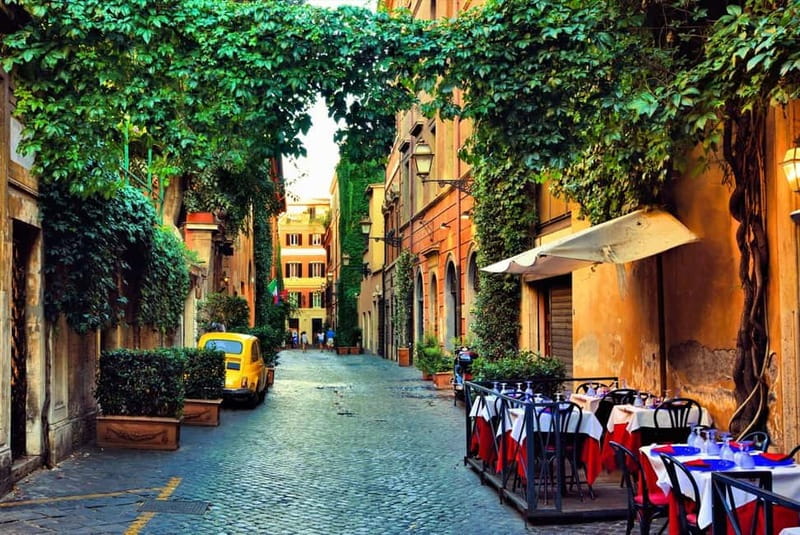
The tour begins at Piazza di S. Agostino, and that matters more than you’d think. Morning Rome is about traffic and crowds. Night Rome is about mood, and this opening square lets you shift into sightseeing mode without rushing.
From the start, your guide sets the pace and frames what you’re about to see. It’s not just point-and-tell. You get the why behind each landmark—enough context to make photos look better and your walk feel less random.
You’ll want comfortable shoes here. The itinerary is packed, and you’re moving between iconic stops on foot rather than using lots of transit.
You can also read our reviews of more tours and experiences in Rome.



Piazza Navona after dark: Baroque fountains in evening light
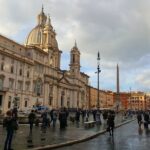
Next up is Piazza Navona, one of Rome’s most photogenic squares once the lights come on. The Baroque fountains look different at night, with shadows and highlights that make the sculptural details feel sharper.
This stop is a great example of why night tours work. In daylight, you can feel like you’re just scanning. At night, your eyes lock onto shape and glow. It’s easier to slow down, and your guide can point out what to notice beyond the obvious.
If you care about photos, take a few minutes to step back and let the square fill your frame. Standing too close makes the fountain look flat, and you’ll miss the full composition.
The Pantheon under the oculus glow
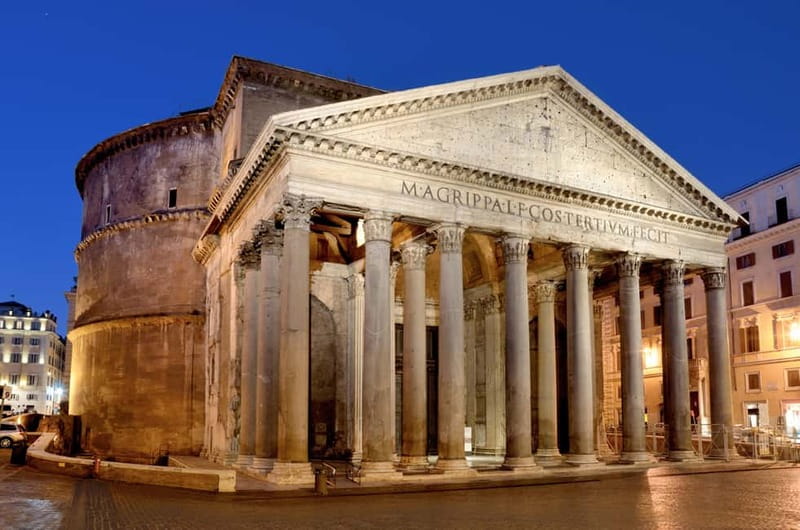
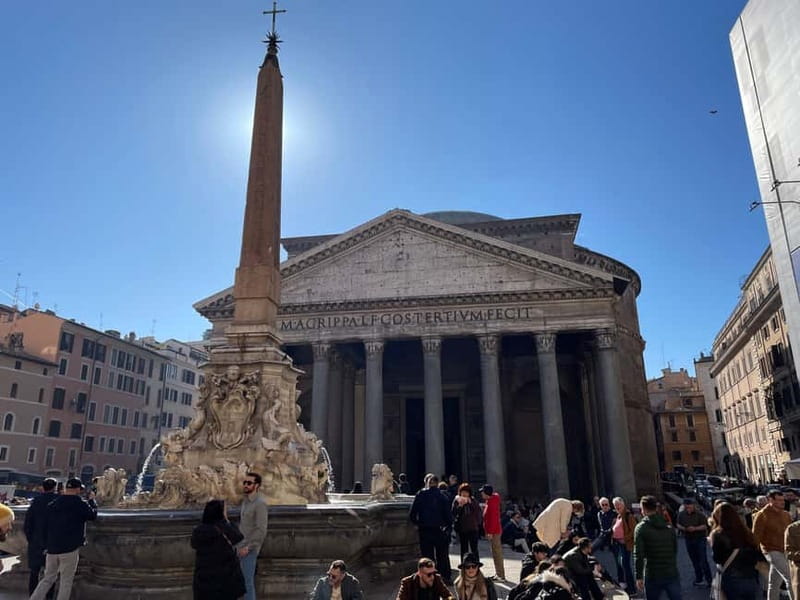
Then comes the Pantheon, and yes, the dome is still huge when you see it in real life. Night lighting changes the experience. The structure feels more sculptural, and the central oculus draws your attention up in a way that’s hard to replicate in photos.
Your guide helps you understand what you’re looking at while you’re there. The point isn’t to recite architecture trivia. It’s to give you a mental picture of how this place works—visually, spiritually, and historically—so it feels like more than a stop on a list.
This is also a nice pace-reset. After a square full of movement, the Pantheon gives you a moment of stillness where you can look upward without being shoved along.
St. Ignazio di Loyola: the church with the optical illusion ceiling
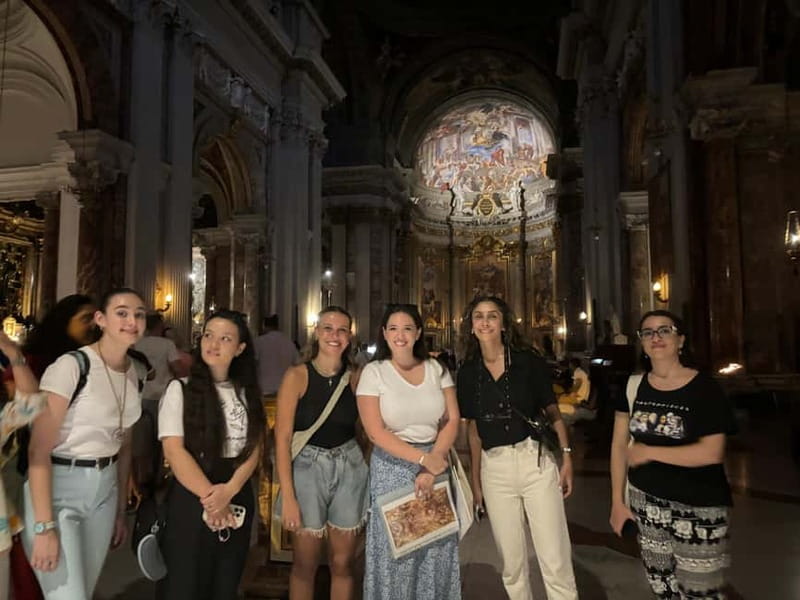
One of the most memorable moments on the route is St. Ignazio di Loyola, often nicknamed the Instagram Roman Church—though the real value is that it earns the hype. The ceiling uses trompe-l’œil effects that can look almost unreal, especially with soft evening light.
This is where a good guide really shows up. The guide’s job here isn’t just to tell you it’s impressive. It’s to help you see how the illusion is working so you get that click of understanding while you’re standing inside.
Also, plan to take your camera out calmly. It’s a popular interior, and you’ll get better results by thinking about timing and angles rather than shooting nonstop.
Galleria Sciarra and the city underneath: art and ancient ruins
After the big classics, the tour adds texture with Galleria Sciarra. This is the sort of place you might walk past in daylight without realizing what you missed, but at night it turns into a quieter visual break with evening lighting over the details.
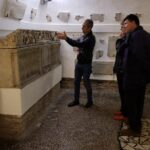
Then you move into ancient ruins of Vicus Caprarius, sometimes described as the City of Water. It’s a different kind of wow. Less about a single postcard landmark, more about feeling how the city layers itself over time.
These stops are valuable because they keep the walk from turning into only famous monuments. You get an evening mix: grand architecture, then smaller spaces where the past feels close.






Trevi Fountain: the coin toss and the best photo spots
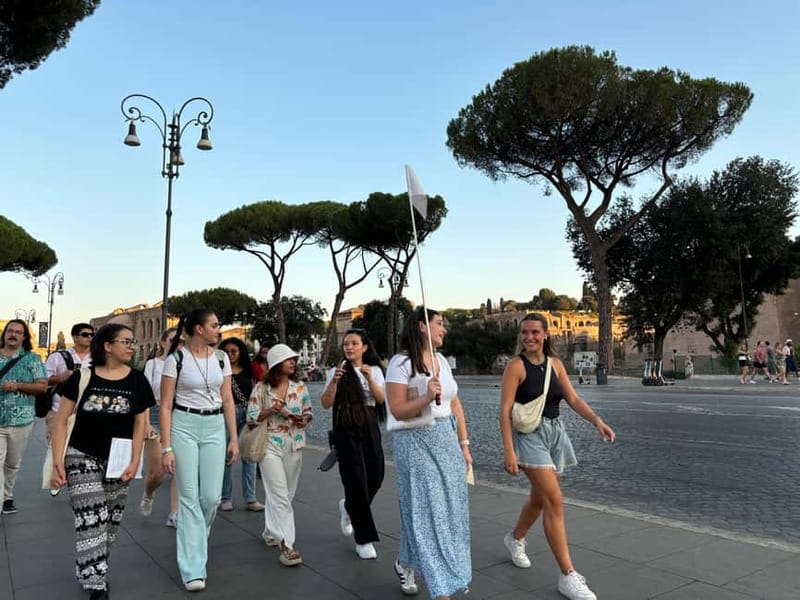
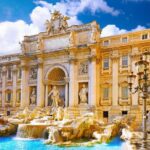
The tour reaches Trevi Fountain, the loudest landmark on the list and usually the most tempting place to over-shoot photos. The good news is you’re there at night, when the fountain’s lighting gives it a more dramatic look.
The classic ritual is built in: you can toss a coin into the Trevi Fountain to help ensure your return to Rome. Even if you’re not superstitious, it’s a fun way to mark the moment and take a beat before the walk continues.
Practical tip: if flash photography is allowed in some areas and not others, follow the rule on your tour. The info provided says flash photography is not allowed in certain areas, so plan for low-light shots by using your camera’s normal settings and steady hands.
Piazza Venezia and Vittoriano: wide views, big architecture
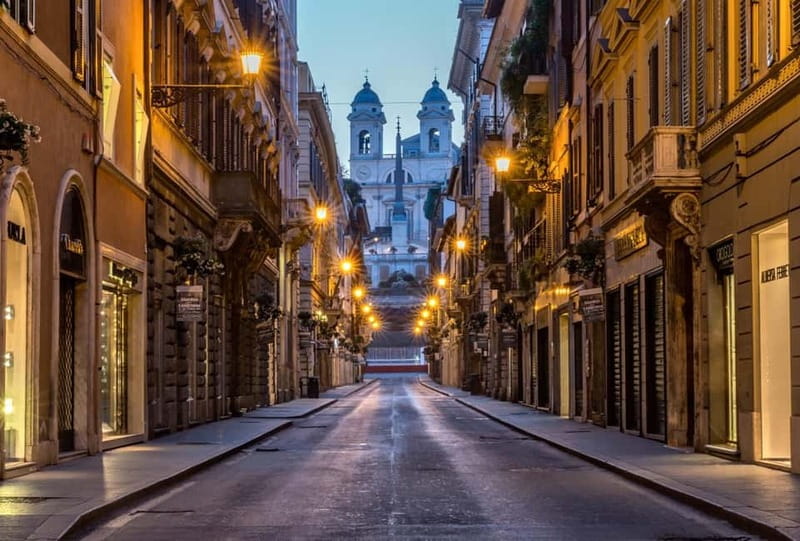
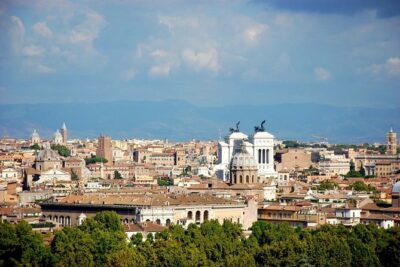
As you head toward Piazza Venezia and the Vittoriano Monument, the tour shifts from “stand here and look up” to “zoom out and take in the city.” This is a smart transition late in the evening because the illuminated skyline gives you context for where everything sits.
The route also includes Palazzo Venezia and Palazzo delle Assicurazioni Generali, both connected to Rome’s political and civic story. You’re not just absorbing buildings; you’re seeing how power and institutions shaped the city center.
If you like city views, this is one of your best chances to connect the dots. It’s also the time you’ll want your camera ready, but not blocking the flow of the group.
Trajan’s Column and Market, plus Via dei Fori Imperiali
From there, you move into the Forum area experience along Via dei Fori Imperiali, where ancient Rome feels close enough to touch—under moonlight and street lighting. The itinerary includes Trajan’s Column and Market, which is a big part of why this section of the walk works.
This is the part of the evening where your guide’s explanations really help. Otherwise, the stones can look like a lot of ruins. With the right framing, it becomes a structured space: monuments that relate to each other and to how Rome functioned when it was at full scale.
Also, this is where you’ll likely notice the pace most. It’s still a walking tour, so plan a slower step, take in what your guide points out, and don’t feel you have to sprint for every view.
Palazzo Bonaparte and the Colosseum finale
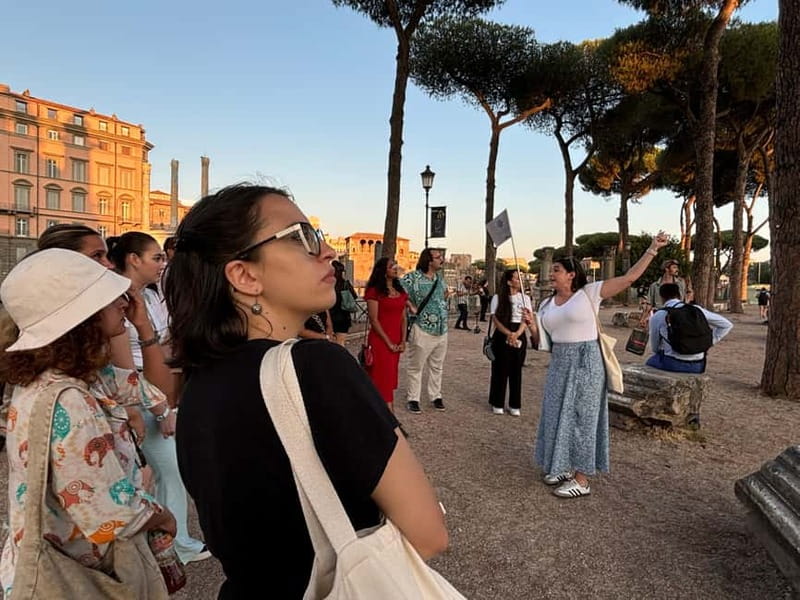
Before you finish, the tour visits Palazzo Bonaparte, a Baroque residence rich in the kind of details you usually have to hunt for on your own. Then you arrive at the final headline: the Colosseum, glowing and imposing at night.
Ending with the Colosseum is a classic move for a reason. In daylight, it’s impressive. At night, it’s dramatic, and it feels cinematic—like you’re wrapping up a story rather than ticking off a monument.
Recent experience also suggests the tour may run a bit longer in practice, with one report placing the duration around 2.30 hours. The official duration is about 2 hours, so assume something in that zone depending on the pace and photo stops.
How the guide shapes the whole experience
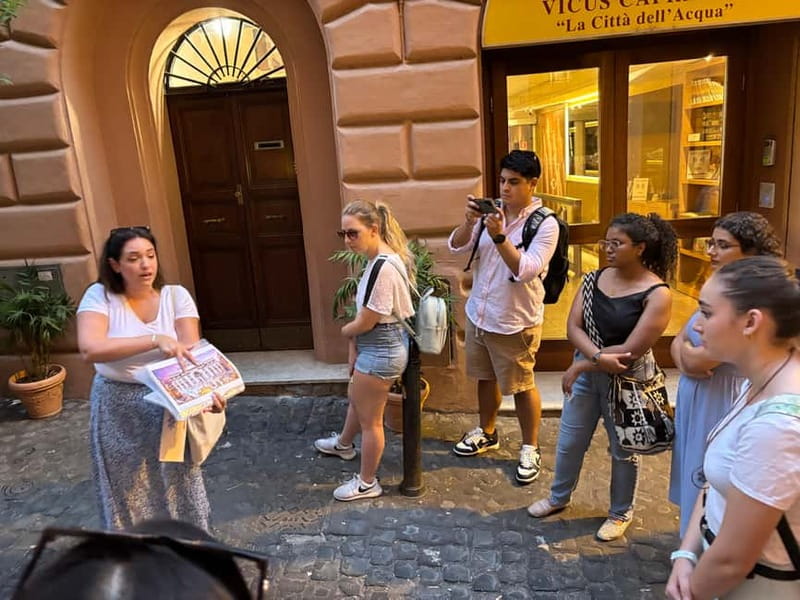
This tour stands or falls on the guide, and the feedback is strongly consistent around one person: Sara. People describe her as engaging, friendly, and fun, with explanations that make you remember what you saw instead of forgetting it five minutes later.
That kind of guidance matters a lot on a night walking route. When you’re tired or dazzled by lights, it’s easy to just stare. A good guide gives you anchors—what to look for, why it matters, and how each stop connects to the next.
If you’re choosing this tour because you want stories with your sights, this is a strong bet. It’s not only about the monuments; it’s about helping you read the city.
Price and value: why $32 can work well here
At $32 per person for a roughly 2-hour walking experience, this can be a solid value if you like guided sightseeing. You’re covering multiple major landmarks—Pantheon, Trevi, Piazza Navona, St. Ignazio, and the Colosseum area—plus several stops in between.
What helps the value is that you’re not trying to stitch together transport and self-guided planning across the city. This route is designed for an evening block, which is exactly when Rome is easiest to enjoy without overheating.
Two cost-related caveats: entrance fees are not included, and food and drinks are not included. That’s normal for walking tours, but it matters for budgeting. If you want to stay out late, plan a simple plan afterward: a quick gelato or a sit-down dinner once you finish.
What to bring (and what to avoid) so night stays fun
You’ll get the best experience with a few basics:
- Comfortable shoes
- Water
- Camera
Avoid flash photography, since it’s not allowed in certain areas on the tour. Night photography is more about steady hands and good timing than about blasting flash.
Also, keep your evening pace realistic. Two hours sounds quick until you’re walking between landmarks, stopping for photos, and listening to explanations.
Who should book this Rome by night walk
This tour fits best if you:
- Want a guided route through Rome’s most recognizable night sights
- Like walking and can handle a schedule that moves
- Prefer cultural context over only taking pictures
- Are traveling solo and want a structured way to see key places without planning every turn yourself
It’s not a great match if you need wheelchair-friendly access or have mobility limitations, since the tour is not suitable for people with mobility impairments.
Should you book Via Roma? My take
If your goal is to see Rome’s icons with a guide who can explain what you’re looking at, I’d book this. The mix of Piazza Navona, Pantheon, St. Ignazio, and a nighttime ending at the Colosseum is a strong lineup for a short evening window.
I’d skip it only if you hate walking, need full accessibility support, or you’d rather spend the whole night lingering in a single neighborhood. This tour is built for movement and variety—less for long, slow hangs.
For many visitors, especially in warmer months, the timing is a practical win: you get the evening atmosphere and the chance to beat some of the day heat while still seeing the big stuff.
FAQ
How long is the Via Roma walking tour?
The duration is about 2 hours. Starting times vary, so check availability for the specific schedule you want.
Where does the tour start and end?
The tour starts at Piazza di S. Agostino. The meeting point may vary depending on the option booked, and the tour ends back at the meeting point.
What’s included in the price?
The price includes a professional guide and a walking tour of Rome’s historic heart, with visits to key landmarks like Piazza Venezia, Pantheon, St. Ignazio di Loyola Church, Trevi Fountain, and Piazza Navona.
Are entrance fees included?
No. Entrance fees to attractions are not included.
What languages is the guide available in?
The live tour guide is available in Spanish and English.
Is flash photography allowed?
Flash photography is not allowed in certain areas on the tour.
What should I bring?
Bring comfortable shoes, a camera, and water. The tour notes that you should also consider hydration during the walk.
Are food and drinks provided?
No. Food and drinks are not included.
Is the tour suitable for wheelchair users or mobility impairments?
No. The tour is listed as not suitable for people with mobility impairments and not suitable for wheelchair users.
Can I cancel for a refund?
Yes. Free cancellation is available up to 24 hours in advance for a full refund.