REVIEW · ROME
Unveil Rome : Crypts, Underground Aqueducts and Iconic Monuments
Book on Viator →Operated by Underground Rome · Bookable on Viator
Rome has a second city under your feet. This 3-hour walk pairs underground stops with Rome’s best-known icons, starting in late afternoon and ending near Piazza delle Cinque Lune. You’ll see how water and belief shaped the city, then cap it with Trevi, the Pantheon area, and Piazza Navona.
I especially love two parts: the Capuchin Friars crypt, which turns a cemetery into a strange, thoughtful experience, and the Acquedotto Vergine stop, where the aqueduct that feeds Trevi is revealed underground. I also like the small-group feel (max 10), which helps the guide keep pace and explain details without turning it into a cattle call.
One consideration: the underground sights are inside controlled spaces. The crypt is in a museum setting, and the aqueduct access is down in a shopping-mall area, so if you expect wild, cave-like darkness, this will feel more curated than raw.
In This Review
- Key highlights (what makes this tour worth it)
- A 4:30 pm route that mixes underground Rome with the classics
- Capuchin Friars Crypt: the most memorable stop (and why it works)
- Acquedotto Vergine underground access: the fun twist
- Trevi Fountain at nightfall: iconic photos with context
- Pantheon from the outside: what to notice in limited time
- Piazza Navona: Bernini’s Four Rivers and Roman layers under your feet
- Price and value: what $166.80 is really buying you
- Guide quality matters here, and it shows up in the details
- Practical tips: shoes, pacing, and what good weather means
- Who should book this tour (and who might skip it)
- Should you book Unveil Rome: Crypts, Underground Aqueducts and Iconic Monuments?
- FAQ
- How long is the tour?
- Where does the tour start?
- When does the tour begin?
- Where does the tour end?
- How much does it cost?
- What language is the tour offered in?
- Is it a small group tour?
- Are tickets included?
- What if the weather is bad?
- Is free cancellation available?
- Is the tour suitable for most people?
Key highlights (what makes this tour worth it)
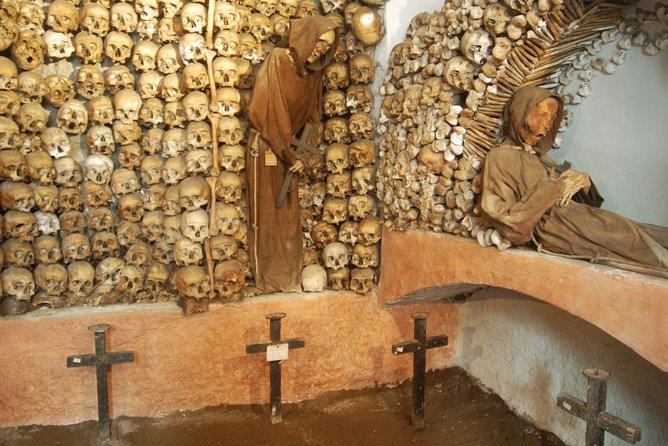
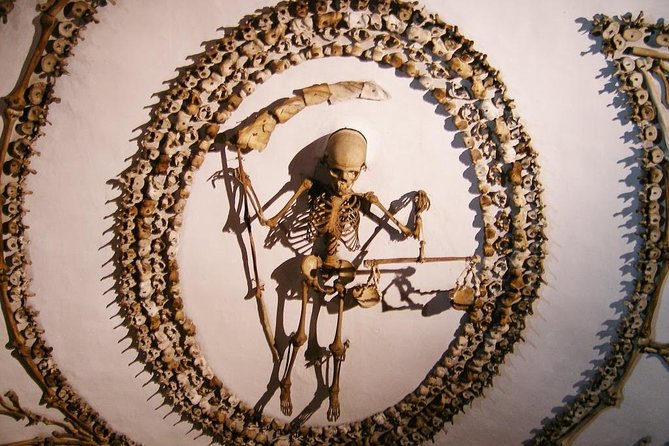
- Capuchin Friars crypt as visual symbolism: bones arranged into chandeliers and furnishings, built around a specific belief system.
- The Virgin Aqueduct to Trevi Fountain: you’re shown an active connection to the city’s famous water source.
- Underground access, but not underground wilderness: the aqueduct portion is reached through a managed indoor space.
- Iconic Rome in a tight loop: Trevi Fountain, the Pantheon area, and Piazza Navona without spending your whole day on transit.
- Guides who explain with energy: names like Giuseppe and Riccardo show up for clear, entertaining storytelling.
A 4:30 pm route that mixes underground Rome with the classics
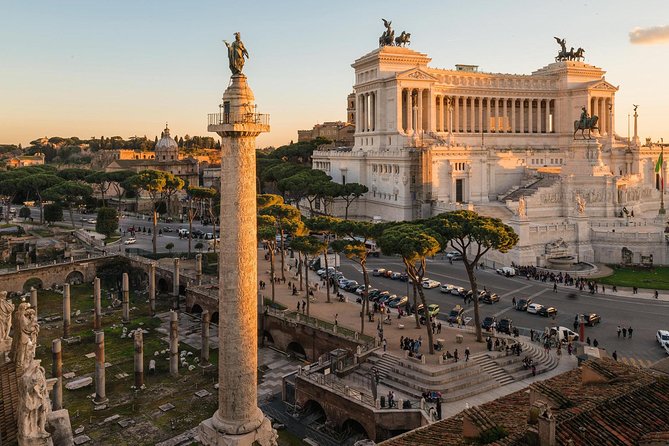
This tour is built like a good evening recipe: start with something unusual, build momentum, then finish with the monuments that most people came to photograph. The meeting point is at Fontana del Tritone in Piazza Barberini, with a 4:30 pm start, and the tour runs about 3 hours total.
Small group size (up to 10) matters here. You move together between sites that can feel separate on the map, and you still get time for explanations, photos, and the kind of quick context that makes Rome click faster. Plus, you’ll have a mobile ticket, which is one less thing to juggle in your daypack.
If you’re visiting in the heat of summer or you’re trying to avoid the midday crush, this timing can be a lifesaver. You’re still out during prime evening light, but you’re not trapped in the biggest daytime crowds for every stop.
You can also read our reviews of more tours and experiences in Rome.



Capuchin Friars Crypt: the most memorable stop (and why it works)
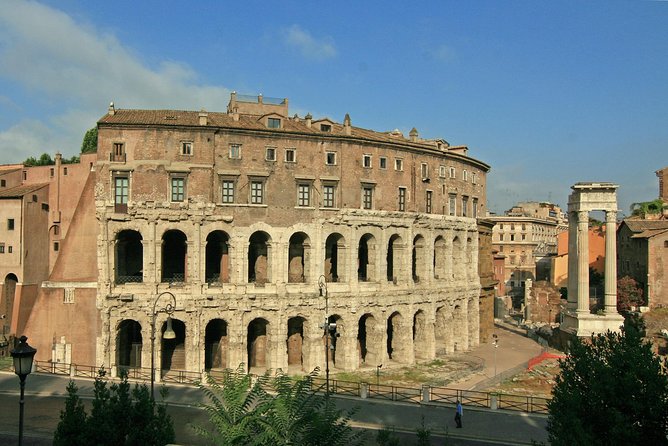
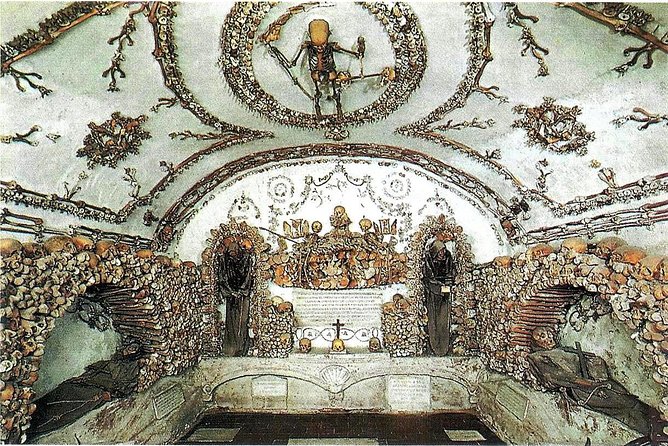
The Capuchin Friars crypt is the emotional anchor of the whole experience. You’ll visit the Museum and Crypt of the Capuchin Friars, described as a cemetery connected to friars who, in line with their beliefs, used the human remains of their brothers in a deliberate way. The results are both eerie and oddly meaningful: bones arranged into chandeliers and furnishings.
I love this stop because it’s not just spooky decor. It gives you a lens on mortality and spirituality that feels specific to Rome, not generic Halloween. You also get a dedicated 40 minutes here, which is long enough to actually take it in rather than speed through.
What to watch for: the way the setting turns remains into statements. The guide’s role is important because the crypt can look like pure shock at first glance; with context, it reads more like an argument about what matters to people—material body versus spiritual life.
Potential drawback: this is inside a museum framework. So the atmosphere is controlled, ticketed, and structured, not dim and chaotic in the way you might imagine from the word crypt.
Acquedotto Vergine underground access: the fun twist
After the crypt, you go for something practical and surprisingly cool: the Virgin Aqueduct, built in 19 BC, still carrying water to Trevi Fountain. The catch is how you reach it. To find this aqueduct, you go underground with the group, into the bowels of a luxury shopping mall.
That’s the moment when expectations often get adjusted. Instead of dramatic stone tunnels, you’re shown an underground water connection through a modern setting. I actually like this twist because it shows Rome’s real talent: layers. Ancient function survives, but the city wraps it in new life.
The aqueduct portion is short—about 20 minutes—and the ticket is free. So you’ll want to listen closely while you’re there, because you won’t get long roaming time. If your goal is understanding how Trevi gets its famous water, this stop delivers it in a compact way.
Practical tip: this part involves going underground inside a building. Wear shoes you trust and keep your pace steady. It’s not described as an athletic hike, but you’ll be moving enough that tired feet can steal your attention.
Trevi Fountain at nightfall: iconic photos with context
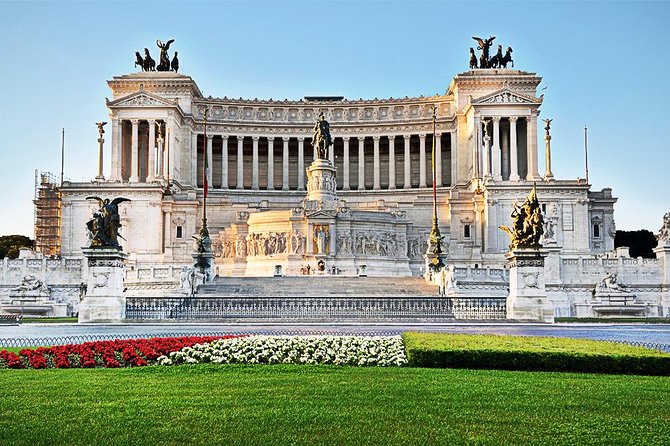
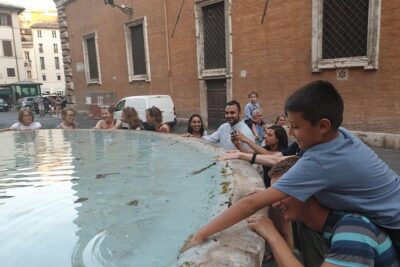
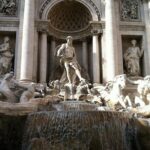
From the aqueduct stop, you move to Fontana di Trevi. This is the best-known fountain in the world for a reason: it looks like a stage set that somehow became real history. You’ll have about 20 minutes here, and tickets are free.
You’ll also hear about the bizarre events tied to Trevi Fountain—these are the kinds of stories that make a crowded landmark feel less like a postcard and more like a lived-in place with strange traditions and real-world quirks.
I recommend using your 20 minutes in two passes. First, get at least one photo from a position that shows the fountain clearly (and gives you room for the inevitable crowd). Second, slow down and let the guide point out what makes the monument feel theatrical—then you’ll understand why people get caught up in it.
One more thing: Trevi is always busy. This tour doesn’t promise you time alone in front of the water, but the short guided stop is a smart way to see it without turning the whole evening into a long standstill.
Pantheon from the outside: what to notice in limited time
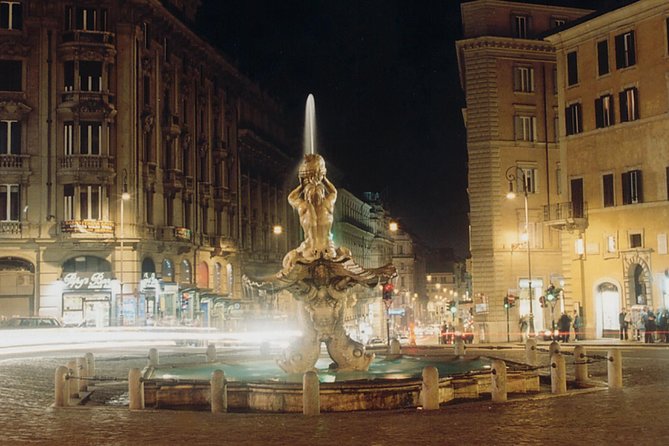
Next up is the Pantheon area, admired from the outside. You won’t go inside on this tour, but you do get a high-impact overview of why this building has endured so well.
The big points to listen for are the dome and the door. The dome is described as original and built in 27 BC, and the bronze door is said to be from Roman times. Even if you’re already familiar with the Pantheon, having those specifics pointed out helps you see the structure with clearer eyes.
This stop is about 20 minutes. That’s enough time to look, absorb, and learn what’s often missed. The guide will also share the history of a place that many Romans themselves don’t know well, including events tied to that spot.
If you’re a first-time visitor, this outside look is still valuable. The Pantheon’s scale hits you even without entry, and the guide’s context helps you connect the building to the stories Rome tells through stone and design.






Piazza Navona: Bernini’s Four Rivers and Roman layers under your feet
You’ll finish at Piazza Navona, often called one of Rome’s most beautiful squares. You’ll spend around 20 minutes here, with tickets listed as free for the relevant visits.
The star is Bernini’s Fountain of the Four Rivers. You’ll be able to admire the famous fountain and hear why it matters. The guide also explains hidden meanings tied to the monument, and it connects to popular culture through the movie Angels and Demons. That movie reference isn’t the point—it’s just a shortcut that helps you remember what you’re seeing when you’re standing in the actual square.
The other reason I like this finale: Piazza Navona has Roman remnants literally underneath. The guide lets you discover what has been hidden under the square since ancient Roman times. It’s a neat closing theme for the whole tour—Rome keeps leaving clues below the surface.
Also, pace matters here. The square is open and photographed from almost every angle, but you’ll get the best experience if you pause where the fountain and the surroundings line up. That’s where the symbolism and the design details become easiest to read.
Price and value: what $166.80 is really buying you
At $166.80 per person, this isn’t a budget-only tour. So the value has to come from something concrete—and it does.
First, the Capuchin crypt ticket is included, and that’s the most time-intensive stop (40 minutes). Second, the underground aqueduct access is free for ticketing on the tour’s schedule. Third, you’re not just “going to places,” you’re getting interpretation at each one—especially at the crypt and aqueduct, where context turns the experience from odd to memorable.
Group size is also part of the value. With a maximum of 10 travelers, you’re more likely to get clearer explanations and a smoother flow between sites. If you’ve ever been stuck behind heads at a big group tour, you’ll appreciate having room to hear the guide.
One more value point: timing. Starting at 4:30 pm can help you stack major sights without losing half your day to transit and queue time.
This tour also leans well for travelers who like contrast. You’re going from bones and belief, to an underground water system, to three of Rome’s iconic public spaces.
Guide quality matters here, and it shows up in the details
This type of tour lives or dies on the guide’s voice and pacing. The best part of the experience is not the famous names—it’s the way someone connects them to how Rome works.
Guides such as Giuseppe and Riccardo are highlighted for being entertaining while still delivering clear history. If you’re picking a tour in Rome, that mix is rare. You want your guide to explain without drowning you in dates, and you want them to keep momentum when you’re moving from one site to another.
If you’re traveling with family, the small group setup can help too. One review noted patience with a walking pace, which suggests the group dynamic can be more thoughtful than strict.
Practical tips: shoes, pacing, and what good weather means
Bring walking shoes. Even though the stops are not described as a long hike, you’re moving between locations and spending time standing at crowded monuments like Trevi Fountain. One review specifically called out comfortable shoes as key.
Plan your day so you’re not completely cooked before the tour starts. The tour can feel a bit long if you’ve just done another long sightseeing block right before. At about 3 hours, it’s not exhausting for most people, but timing your schedule matters.
Good weather is required for this experience. If weather is poor, you’ll be offered a different date or a full refund. Rome evenings can switch quickly, so check the forecast the morning of your tour and dress in layers.
Finally, arrive a little early to the meeting point. The tour has a defined start at Fontana del Tritone in Piazza Barberini, and the end is at Piazza delle Cinque Lune near the stadium of Domitian. Getting your bearings ahead of time saves stress.
Who should book this tour (and who might skip it)
Book this if you want something more interesting than a plain “greatest hits” loop. This tour fits travelers who like offbeat Rome that still connects to big monuments: crypts with symbolic design, an underground aqueduct tied to Trevi’s water, and classic squares with real Roman layers.
It also suits first-timers who don’t want to spend days figuring out logistics. The route is tight, and the guided stops focus your attention so you feel like you learned something at each site.
Skip it if you strongly prefer natural, wild underground spaces. The crypt and aqueduct access are in managed settings—museum and shopping-mall interiors—so the vibe is curated, not rugged.
If you’re extremely time-limited, also consider that you only get about 20 minutes at most stops. That can be perfect for context and photos, but it’s not a slow, linger-all-day style visit.
Should you book Unveil Rome: Crypts, Underground Aqueducts and Iconic Monuments?
I think it’s a smart pick if you want a memorable Rome contrast in a short window. The included crypt time plus the aqueduct-to-Trevi connection make it more than a standard monument walk. And with a maximum group size of 10, it tends to feel human-scaled.
My suggestion: book it if you’re curious about what’s under Rome and you’re excited to hear explanations as you go. If you’d rather only see monuments in open air, or you’re expecting a dark cave adventure, you might feel a little let down by the indoor underground settings.
If you’re the type who loves a story—bones arranged with belief, water moving from 19 BC into the modern city—this tour will land well. Just come with comfortable shoes, a little flexibility in your schedule, and the right mindset for Rome’s layered surprises.
FAQ
How long is the tour?
The tour lasts about 3 hours.
Where does the tour start?
It starts at Fontana del Tritone, Piazza Barberini, 00187 Roma RM, Italy.
When does the tour begin?
The start time listed is 4:30 pm.
Where does the tour end?
It ends at Piazza delle Cinque Lune, 105, 00186 Roma RM, Italy (near the stadium of Domitian).
How much does it cost?
The price is $166.80 per person.
What language is the tour offered in?
The tour is offered in English.
Is it a small group tour?
Yes. The maximum group size is 10 travelers.
Are tickets included?
Yes. The admission ticket for the Museum and Crypt of the Capuchin Friars is included. The admission ticket for Acquedotto Vergine is free, and other listed stops have tickets listed as free.
What if the weather is bad?
The experience requires good weather. If it’s canceled due to poor weather, you’ll be offered a different date or a full refund.
Is free cancellation available?
Yes. You can cancel for a full refund up to 24 hours in advance.
Is the tour suitable for most people?
The information says most travelers can participate.