REVIEW · ROME
Trastevere and the best view of Rome
Book on GetYourGuide →Operated by Discoverers · Bookable on GetYourGuide
Rome’s best photos happen at noon. This short 2-hour walk links the Janiculum viewpoint, the midday clock moment at 12:00 pm, and a quick guided wander into Trastevere. I like how the guide ties what you see to Italy’s political turning points, especially Giuseppe Garibaldi and the people connected to Rome’s fight for a new Italy, not just sightseeing. I also like that the plan is compact: clear photo stops, plus radio headphones so you don’t strain to hear on busy streets.
One drawback to plan around: the route includes a hill climb to Gianicolo/Janiculum Hill, so it’s not suitable for people with mobility impairments, and you’ll want comfortable shoes and steady footing.
In This Review
- Key points worth knowing before you go
- Why this 2-hour combo makes sense in Rome
- Getting oriented at Piazza della Rovere and Caffè della Rovere
- Janiculum Hill (Gianicolo): the view and the 12:00 pm clock moment
- Fontana dell’Acqua Paola: a stop made for photos and stories
- Mausoleum of Heroes: Mameli’s tomb and the sense of conflict
- Pope Paul’s Fountain and the Bramante temple: what people think you’re seeing
- Walking into Trastevere: streets, atmosphere, and gastronomy culture
- Price and value: what $35 buys you (and what it doesn’t)
- Who should book this tour, and who should skip it
- A quick reality check on day-of reliability
- Final call: should you book Trastevere and the best view of Rome?
- FAQ
- How long is the tour?
- Where does the tour start?
- What languages is the guided tour offered in?
- What’s included in the price?
- What are the main stops during the tour?
- Is food or drink included?
- What happens if it rains?
Key points worth knowing before you go
- Midday at 12:00 pm on Janiculum Hill: you get a timed moment for photos and city views.
- Political stories you can actually picture: Garibaldi-era context and names you’ll remember.
- The Mausoleum of Heroes stop: includes Goffredo Mameli’s tomb.
- Fontana dell’Acqua Paola: a major photo-and-story stop that fits the theme of “Rome at crossroads.”
- A quick Trastevere taste: streets and gastronomy culture in a small, guided window.
- You hear every word: radio headphones keep the tour understandable in a walking setting.
Why this 2-hour combo makes sense in Rome
If your Rome days already include the big-ticket sites, you still need something that feels different. This tour does that by stacking two sides of Rome in one loop: a high viewpoint moment, then a neighborhood walk that’s about daily life and food culture.
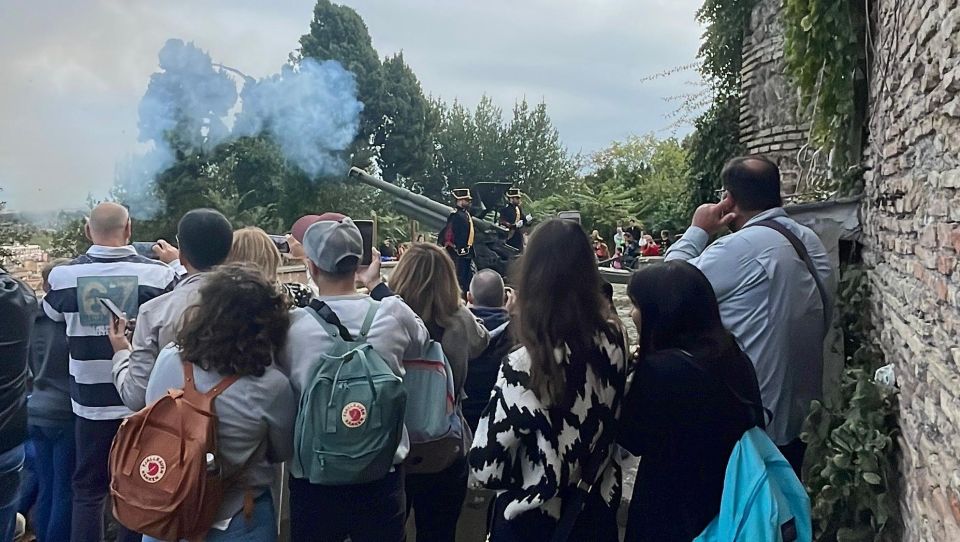
The smartest part is the timing. Arriving for the 12:00 pm moment changes how you experience the view. Instead of a random skyline photo, you get a built-in “now” that gives the scene a little drama.
Also, the tour isn’t trying to be a 6-hour lecture. In 2 hours, you get a story thread and the walking rhythm to keep it fun rather than tiring.
You can also read our reviews of more tours and experiences in Rome.
Getting oriented at Piazza della Rovere and Caffè della Rovere
You start at Piazza della Rovere, with the guide meeting you at Caffè della Rovere (look for the umbrella). This matters more than it sounds, because the start point is key for keeping the schedule smooth—especially if you’re aiming to reach Janiculum Hill for the midday moment.
I like that the meeting setup is simple. No complicated “find a bus stop” scavenger hunt. If you show up a few minutes early, you’ll likely catch the group and get settled without stress.
From there, the tour shifts into guided walking with radio headphones, which helps when you’re stopping for photos and trying to hear the story without stepping away from the group.
Janiculum Hill (Gianicolo): the view and the 12:00 pm clock moment
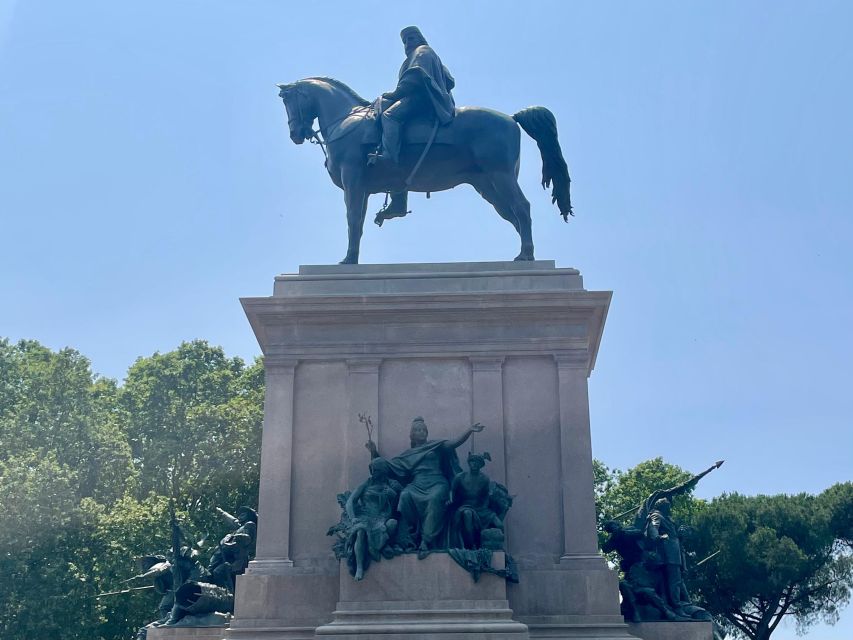
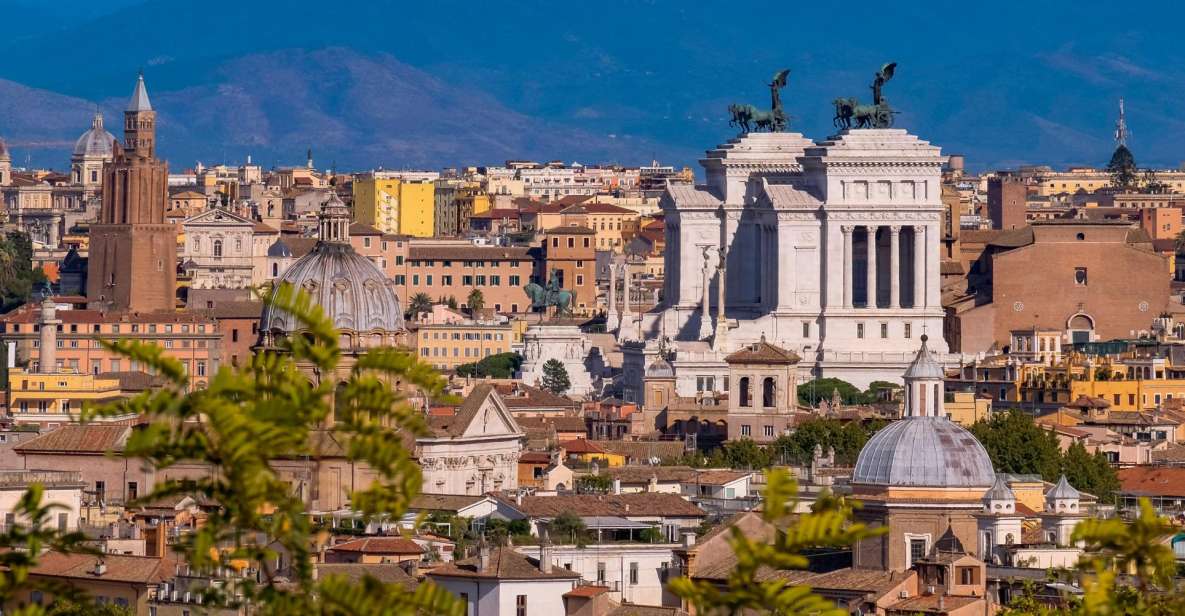
This is the headline stop. You’ll head to Janiculum Hill (Gianicolo) for about 1 hour, with a photo stop and a visit focused on the view and how Rome marks midday.
Here’s why it works: high points in Rome are common, but the timed moment gives it energy. When the clock strikes 12:00 pm, the whole scene feels like a cue to look up, look out, and take in how the city stretches below.
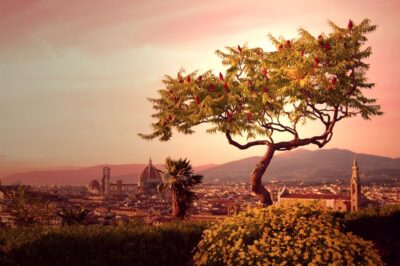
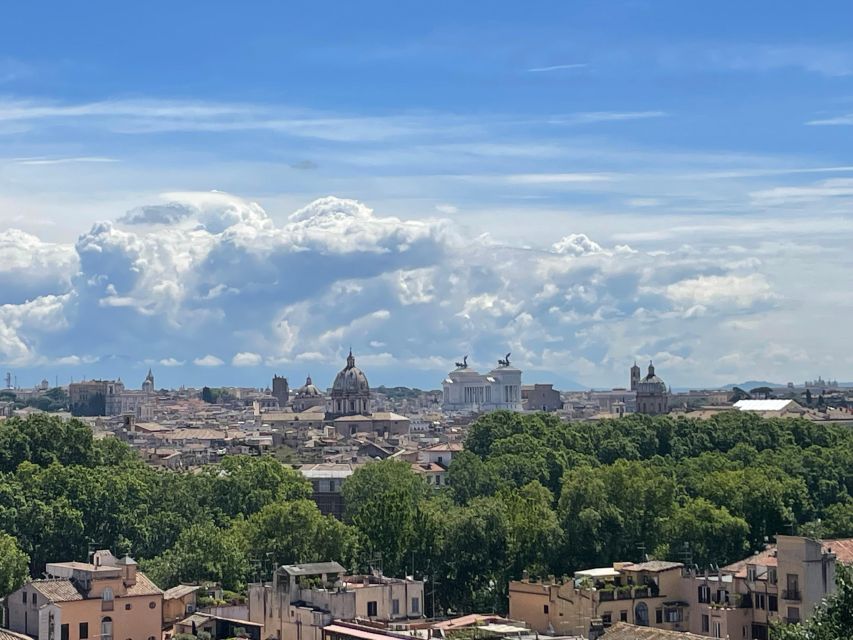
You’ll be able to admire the kind of view locals dream about for postcards: rooftops, domes, and the sense that Rome is built layer by layer. Even if you’ve seen Rome from other viewpoints, this one feels different because it comes with a specific “moment,” not just scenery.
Practical advice: bring your camera ready early, because the best frames usually require waiting a little for the right angle and crowd flow. Also, expect to stand and look around. If your day is packed, this hour is a good reset between major landmarks.
Fontana dell’Acqua Paola: a stop made for photos and stories
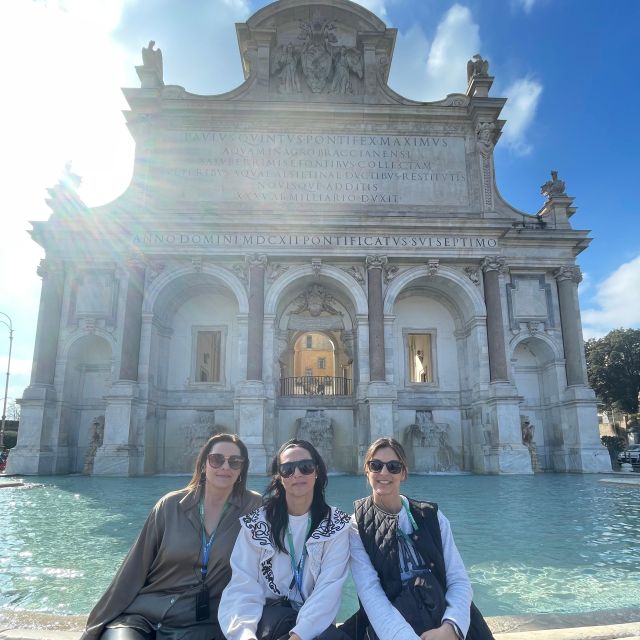
After the hill, the tour goes to Fontana dell’Acqua Paola for a photo stop and guided time (~30 minutes). This is where the tour’s political storytelling becomes easier to grasp, because fountains and monuments in this part of Rome aren’t just pretty—they’re linked to who had power, who sponsored public works, and what Rome meant in different eras.
In plain terms, this is the tour’s pivot from “look at Rome” to “understand Rome.” You’re still outdoors and walking, but the guide is giving you the why behind the location.
If you’re the type who likes short stops where you can both photograph and listen, this one fits. You’ll have enough time to get pictures, then hear the connections the guide is making to the bigger theme.
Mausoleum of Heroes: Mameli’s tomb and the sense of conflict
The second part focuses on the memorial area, commonly referred to here as the Mausoleum of Heroes. You’ll see Goffredo Mameli’s tomb, and this is one of the stops where the tour’s “Italy vs. Vatican-era politics” theme becomes concrete.
Even if you don’t know the names going in, Mameli’s inclusion helps anchor the story. Instead of abstract history, you’re looking at a specific tomb and hearing how these figures fit the struggle over Rome’s political future in the 20th-century conflict context described in the tour.
This is also where I appreciate the tour’s pacing. You’re not being rushed through. The route gives you time to stand, look, and let the guide connect the monuments to the story you came for.
Pope Paul’s Fountain and the Bramante temple: what people think you’re seeing
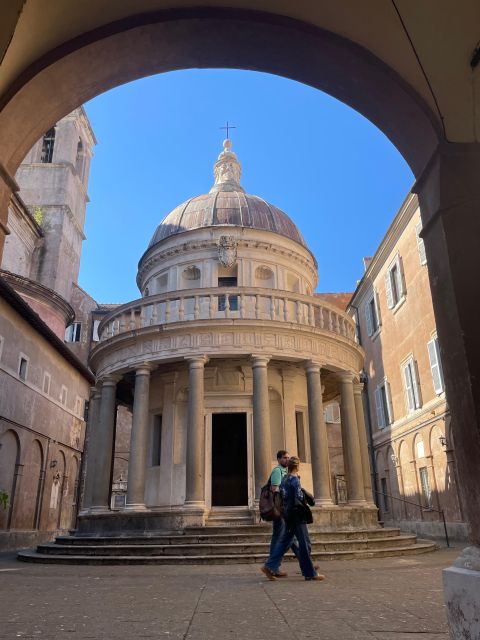
Still in this memorial stretch, you’ll also encounter Pope Paul’s Fountain (connected to the same area theme as Fontana dell’Acqua Paola) and the Bramante temple. The tour notes that some people believe this location is connected to the point where San Peter’s crucifixion took place.
Important reality check: the tour frames this as something people think, not a guaranteed “this is exactly where it happened” fact. So if you prefer hard certainty, you’ll still enjoy it as a story of how layers of meaning build around sacred spaces in Rome.
What you’ll get from this stop is more than a photo. You’ll see how Rome holds multiple narratives at once—religious tradition, political change, and local interpretation. That blend is part of what makes the city feel like more than a museum.
Walking into Trastevere: streets, atmosphere, and gastronomy culture
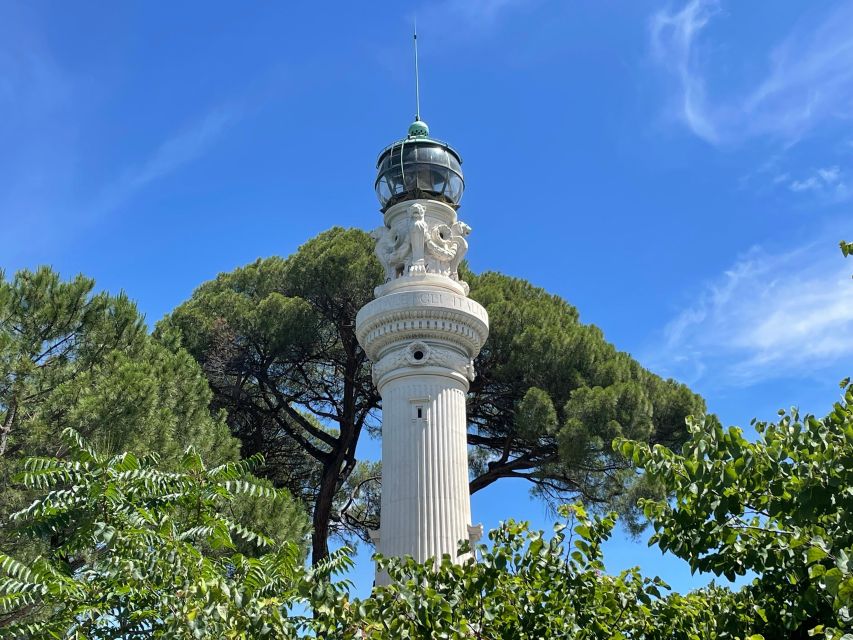
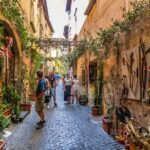
After the memorial and fountain area, you head to Trastevere for guided walking and a short wander—photo stop and visit (~30 minutes). This is the moment where the tour shifts to the kind of Rome most people crave after viewpoints and monuments: everyday streets, lively neighborhood energy, and the local gastronomy culture Trastevere is famous for.
Trastevere doesn’t need a long visit to give you something useful. In half an hour, you can learn where the streets feel most characterful, how people move through the neighborhood, and which parts are best for a return visit later.
I like how the tour ends with a neighborhood rather than another monument. It lets you finish with something practical: you leave with a sense of where you’d want to eat, walk, or linger on your own time.
The drop-off is at Basilica of Santa Maria in Trastevere, so you’ve got a clear “you’re done here” landmark for continuing independently.
Price and value: what $35 buys you (and what it doesn’t)
The tour costs $35 per person for a 2-hour guided walking experience. For Rome, that’s not cheap-cheap, but it’s also not trying to charge museum-ticket level money. You’re paying for an expert guide, radio headphones, and a route that hits both a top viewpoint moment and multiple major stops.
What you should plan for:
- Food and drinks are not included, so decide ahead of time whether Trastevere is your meal plan or a “save room for later” area.
- You’ll be walking, and it includes a hill, so your physical comfort is part of the value equation.
One booking detail I’d take seriously: the tour notes a management fee that guarantees your spot, and it says gratuities for the guide aren’t included in that fee. That’s normal in many tour setups, but it’s worth reading the final price details carefully—especially because some travelers have reported surprise add-on-style charges connected to reservation handling. If the booking page mentions a pay-later option, confirm exactly what fees apply before you finalize.
If you want a “view + story + neighborhood streets” mix in one compact block, this pricing can make sense. If you just want the view and nothing else, you’d be paying mostly for the guided context.
Who should book this tour, and who should skip it
This tour is best for you if you want:
- A timed viewpoint moment at 12:00 pm with built-in photo timing
- Guided storytelling tied to names like Giuseppe Garibaldi and Goffredo Mameli
- A short Trastevere walk that helps you understand the neighborhood rather than just pass through it
- A setup that includes radio headphones, so you can hear without stepping away from the group
Skip it (or consider a different option) if:
- You have mobility limitations. The route to Janiculum Hill includes enough walking and uneven ground that it’s not suitable for people with mobility impairments.
- You hate hills. Even if you’re fit, you’ll feel the climb.
A quick reality check on day-of reliability
This is the part you should keep in mind before you commit. The tour can be canceled in rain, and that’s clearly part of the deal. Also, there have been cases where a guide didn’t show up and the tour provider stated it wasn’t operating on a certain day of the week, which is a reminder to verify the day you’re booking.
My advice: once you book, double-check your confirmation details and the tour date, then plan to arrive early at the meeting point. Rome rewards punctuality, and your midday moment depends on it.
Final call: should you book Trastevere and the best view of Rome?
I think you should book if you want a compact afternoon that combines a signature skyline moment with real human stories tied to Italy’s push-and-pull over Rome. The Janiculum 12:00 pm piece is the main reason, and the Trastevere stop gives you a payoff that feels like Rome living, not just Rome posing.
I’d hesitate if you need guaranteed schedule reliability above all else, or if hills are a deal-breaker for you. And before you book, read the fine print on reservation fees so the final price matches what you expect.
If your itinerary is flexible and you’re chasing that “Rome at the right hour” feeling, this tour can be a satisfying use of your time.
FAQ
How long is the tour?
It lasts 2 hours.
Where does the tour start?
The meeting point is Caffè della Rovere at Piazza della Rovere (the guide is there with an umbrella).
What languages is the guided tour offered in?
The live guide is available in English, Spanish, and Portuguese.
What’s included in the price?
The tour includes an expert guide, radio headphones, and a walking tour.
What are the main stops during the tour?
You’ll visit Janiculum Hill, see Fontana dell’Acqua Paola, and then walk in Trastevere, with a final drop-off at Basilica of Santa Maria in Trastevere.
Is food or drink included?
No. Drink and food are not included.
What happens if it rains?
The tour can be canceled in case of rain.