REVIEW · ROME
Rome: Experience the Magic of Castel Sant’Angelo
Book on GetYourGuide →Operated by Italy Wonders · Bookable on GetYourGuide
Castel Sant’Angelo rewards a slow walk. With priority tickets and a mostly self-paced route, you can spend your 2 hours moving at your comfort level, then climb to the Angel’s Terrace for Rome-wide views.
You’ll also like the contrast between papal power and imperial remains as you work through the rooms and staircases. The main thing to consider is that this is not a live-guide tour, so if you want lots of human interpretation, you may find the experience more quiet and more on-you.
What makes this visit feel satisfying is that it’s built around key spaces, not random corridors. I like having a clear path that includes the Papal Rooms and the climb to the level connected to Hadrian’s story. That structure helps you understand why the building mattered over centuries.
The possible drawback: it’s largely audio-only (via an app if you choose it), so you’ll want to bring your phone and headphones and be ready to read the room yourself. If you prefer a live guide to answer questions on the spot, plan accordingly.
In This Review
- Key things you should notice
- Castel Sant’Angelo in 2 Hours: what you’ll actually see
- Where you start near Vatican: priority entry and a simple self-paced plan
- Papal Rooms and the fortress era: what the interiors teach you
- Spiral Staircase to Hadrian’s legacy: moving through the story
- Angel’s Terrace: the 360° Rome moment you’ll want to linger for
- Making the optional audioguide app work for you
- Practical rules, what to bring, and how to avoid entry headaches
- Price and value of $39 for a self-paced castle visit
- Should you book this Castel Sant’Angelo visit?
- FAQ
- How long is the Castel Sant’Angelo experience?
- What is included with the booking?
- Is there a live guide included?
- Do I need the audioguide, or can I visit without it?
- What languages are available for the audioguide?
- What do I need to bring for entry?
- What are the main restrictions inside?
Key things you should notice
- Angel’s Terrace views: 360° Rome panoramas from a terrace built for lookout and drama
- Papal Rooms stop: you get time in the spaces used by popes during the castle’s fortress era
- Spiral Staircase: a signature route that makes the climb feel like part of the story
- Hall of Emperor Hadrian’s Ashes: the mausoleum roots of the site, later repurposed again
- Optional audioguide context: history added through an app in your selected language
Castel Sant’Angelo in 2 Hours: what you’ll actually see
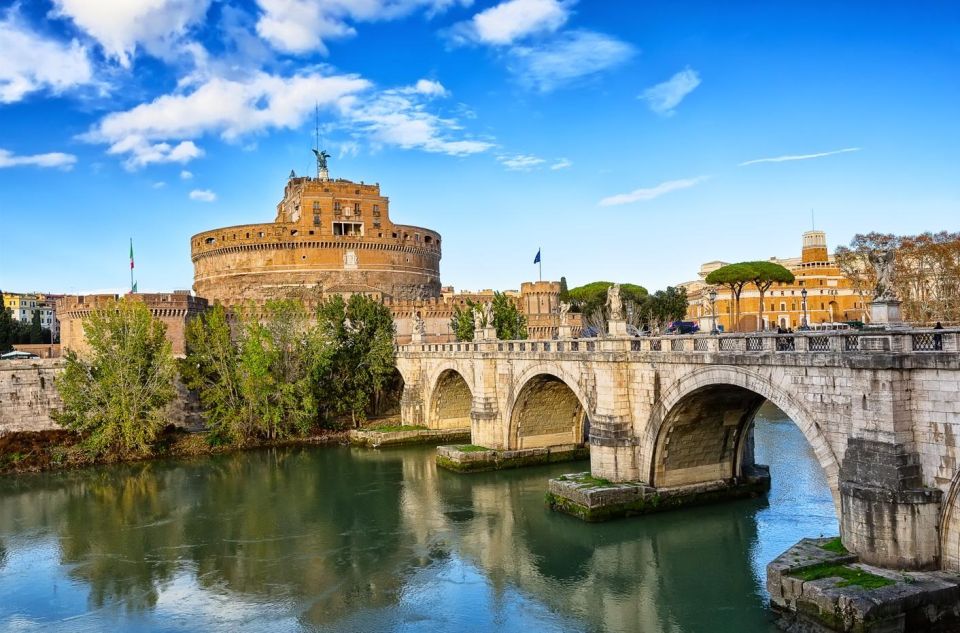
This isn’t a “quick peek and shuffle” type of visit. The route is designed around the site’s most memorable interior and exterior points: the Papal Rooms, the spiral climb, the hall tied to Emperor Hadrian’s remains, and the terrace with the big viewpoint. You control the pace, which matters at Castel Sant’Angelo because you’ll want time to look up from the stairs and then actually stop at the overlooks.
Expect a building that keeps changing jobs. It starts as Emperor Hadrian’s mausoleum, then shifts into a papal fortress, prison, and refuge for popes. The castle’s role doesn’t just live in plaques; it shows in how the spaces feel—more ceremonial in the papal areas, more monumental when you’re dealing with the tomb legacy, and finally more strategic once you’re on high ground.
If you’re the type who likes to “get it” while walking, this format works well. You’re not stuck listening to one long script, and you’re not forced into a tight group pace either. The big value is that the route points you toward the story beats rather than scattering you around the whole complex.
You can also read our reviews of more tours and experiences in Rome.



Where you start near Vatican: priority entry and a simple self-paced plan
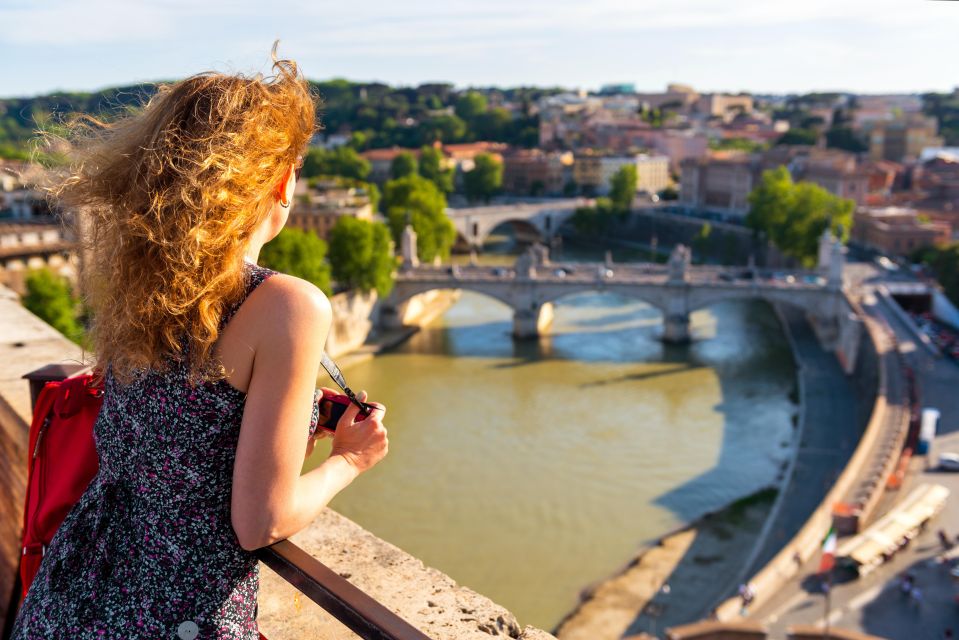
You’ll visit Castel Sant’Angelo independently, using pre-reserved Priority Tickets provided with your booking. Your meeting point can vary depending on the option you choose, so you’ll want to follow whatever exact location message you receive from the provider. The smoother your arrival, the less time you’ll waste finding the check-in point.
The attraction itself is right near the Vatican area, which is why it fits so well into a Rome day. You can pair it with other nearby sights without having to crisscross the city. And because it’s self-paced, you can adjust if your morning runs long or your afternoon energy fades.
A practical upside to the priority ticket concept is mental, not just logistical. You’re less likely to feel rushed by lines and crowd pressure. That means you can linger at the terrace and actually take in the city layout rather than sprinting for the next stop.
One important point: entry requires that each visitor show a valid ID that matches the booking name. So if your passport details don’t line up with the names used on the ticket, you can run into real problems at the door.
Papal Rooms and the fortress era: what the interiors teach you
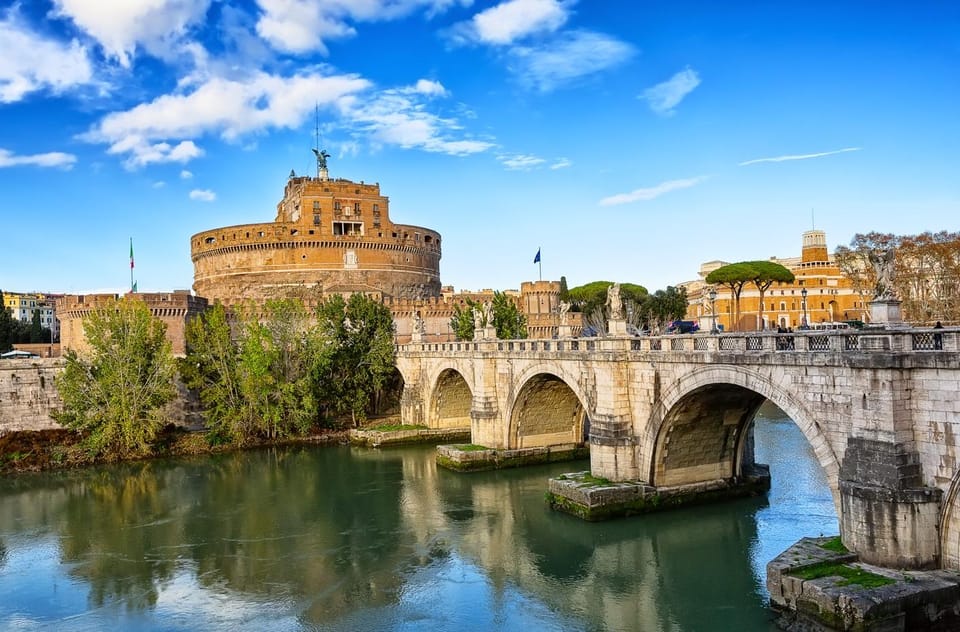
The Papal Rooms are where Castel Sant’Angelo’s identity shifts from imperial to ecclesiastical. You’re stepping into spaces connected to popes during the time when the castle functioned as a fortress and also as a place of refuge. Even without a live guide, the experience lands because the building’s layout and atmosphere make the shift feel tangible.
This is also one of the best early stops. Before you climb, it helps to get a sense of how authority operated inside these walls. You’re not just seeing rooms—you’re learning the castle’s role as a high-status stronghold. The Papal Rooms give context for why later visitors cared about access, safety, and control.
If you choose the audioguide option, use this moment to tune in. The app approach works best when you listen while your eyes can confirm what you’re hearing. You’ll be moving through key spaces and descriptions, which makes it easier to build a mental map of the site.
Drawback to keep in mind: since this is not a live-guided experience, you won’t get spontaneous answers. If you want to ask questions like why certain rooms look the way they do or how the secret passage changed daily life, you’ll be relying on what the audioguide covers.
Spiral Staircase to Hadrian’s legacy: moving through the story
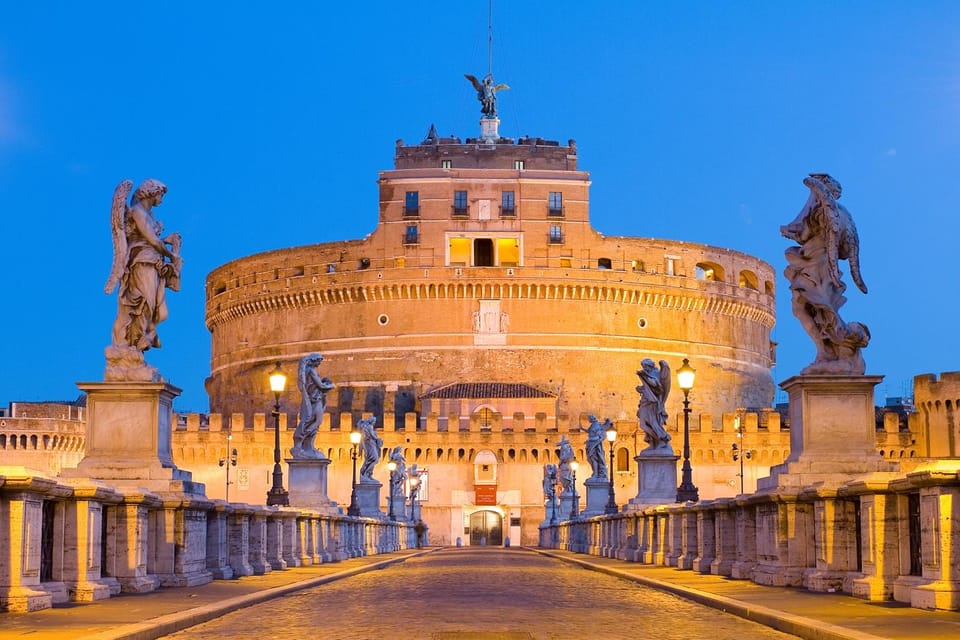
After the Papal Rooms, the route funnels you toward the spiral staircase. In a building like this, staircases aren’t just movement; they’re pacing and psychology. A spiral climb slows you down naturally, and you tend to look upward more than you would in a straight hallway. That matters at Castel Sant’Angelo because the site’s transitions—tomb to fortress, emperor to pope—show up in how you experience height and approach.
As you move along the route, you’ll reach the Hall of Emperor Hadrian’s Ashes. This is the moment where the site’s original purpose becomes unavoidable. The hall ties you back to the mausoleum idea, the imperial origin that came first before later centuries layered on new uses.
Here’s a value point for planning: don’t rush this section. If you speed through the staircase and then skim the hall, you’ll miss the emotional contrast. The mausoleum legacy has a different tone than the papal fortress identity. Taking a little time lets you feel that shift rather than just reading it.
Also, you’ll likely see the practical side of the castle: it wasn’t built only for symbolism. It was built with a defensive and strategic function in mind, and you can sense that as you move upward and inward. The staircase becomes part of the “why” of the building.
Angel’s Terrace: the 360° Rome moment you’ll want to linger for
If you only remember one part, make it the Angel’s Terrace. This is the payoff stop for the effort you put into climbing through the interior route. You get 360° views of Rome, and the city looks different when you’re not at street level. From up here, you can connect dots between neighborhoods and landmarks rather than seeing them as separate stops.
This terrace also makes the castle’s history feel real. Rome is visually layered, and from this height you understand why the site could act as a lookout and a refuge. Even if you don’t go deep into the details, the view communicates the castle’s value across time.
How to use the terrace time: plan to stay long enough to do a slow scan. Look in all directions once, then pick one direction and examine it for a second pass. You’ll often find the view is more interesting on the second look because your brain starts to match shapes to the city landmarks you already know.
You’ll get the best experience if you bring your phone out for photos but still keep your eyes on the panorama more than the screen. The views are the main event here, and the building earned its terrace.






Making the optional audioguide app work for you
The audioguide is optional, but it’s a strong way to level up a self-paced visit. The app includes language options like English, Spanish, French, Italian, German, and Chinese. When the audio matches what you’re seeing, the castle’s transitions click: mausoleum beginnings, papal fortress repurposing, and the idea of a secret passage connection to the Vatican.
You’ll need a smartphone and your own headphones. Before you start, download the audioguide on a network like the one you can access with Wi‑Fi at the start point. Once downloaded, the audioguide works without Wi‑Fi, which helps you avoid a dead app at the wrong moment.
A tip that keeps this smooth: treat the audio as your guide to pacing rather than a strict narration you must follow. If you hear a segment about a room, pause where it applies and look around. That turns the sound into meaning.
Since there is no live guide included, the audioguide is where the storytelling comes from. If you love conversation and real-time explanations, you might feel you’re missing that human layer. On the other hand, if you like moving at your own pace and reading the site with audio support, it’s a good match.
Practical rules, what to bring, and how to avoid entry headaches
Come ready for a straightforward entry process. You’ll need a passport or ID card, and each traveler has to show a valid ID matching the booking name. That means your names should be entered exactly as they appear on your ID.
The ticket is nominative. So if you’re booking for multiple people, double-check full names for each participant. The provider may contact you in advance and send entrance tickets and, if selected, the audioguide via SMS, email, or WhatsApp. You’ll want that info on your phone so you can access it quickly.
What’s not allowed is important for keeping your time smooth:
- No pets
- No weapons or sharp objects
- No baby strollers
- No luggage or large bags
- No alcohol and drugs
So pack light. If you bring a large bag, plan for extra hassle. If you’re traveling with kids and need stroller access, note that baby strollers aren’t permitted under these rules.
Finally, remember that each traveler must have the tech piece for the audio option: a smartphone and headphones. If you forget headphones, you can still see the castle, but you’ll lose the biggest “value add” that turns the visit into a richer experience.
Price and value of $39 for a self-paced castle visit
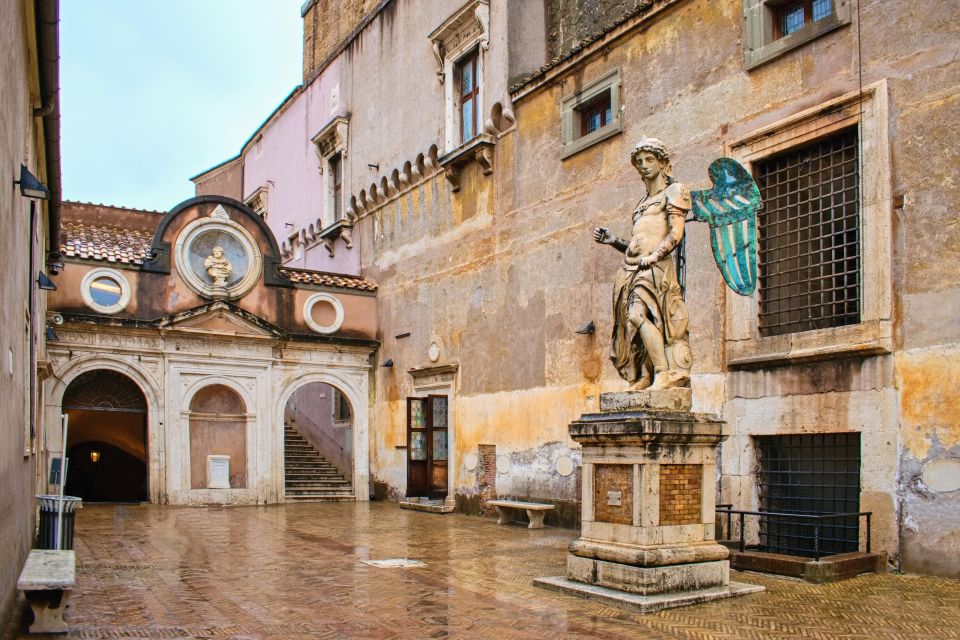
At around $39 per person for a 2-hour experience, the value comes from three things: priority tickets, a curated interior/exterior route, and the optional audioguide upgrade.
You’re not just paying for entry. You’re paying for a structure that takes you to the stops that matter: Papal Rooms, spiral staircase route, Hall of Emperor Hadrian’s Ashes, and the Angel’s Terrace. Without that structure, it’s easy to wander and end up missing the rooms that actually anchor the story.
The priority ticket component also matters for how you’ll feel during the visit. Even when crowds are heavy in central Rome, priority entry usually reduces the stress of waiting. You still need to show up on time, and you still need to handle your ID, but you’re not starting from scratch.
The audioguide option can be a smart add-on if you want context while you walk. It’s also a budget-friendly way to get interpretive storytelling without paying for a full live guide.
Is $39 always the best deal? It depends on your travel style. If you’re someone who enjoys self-guided museum time and wants views plus story beats, it’s a solid spend. If you need a human guide to translate and answer, you may find the experience less satisfying relative to what you usually prefer.
Should you book this Castel Sant’Angelo visit?
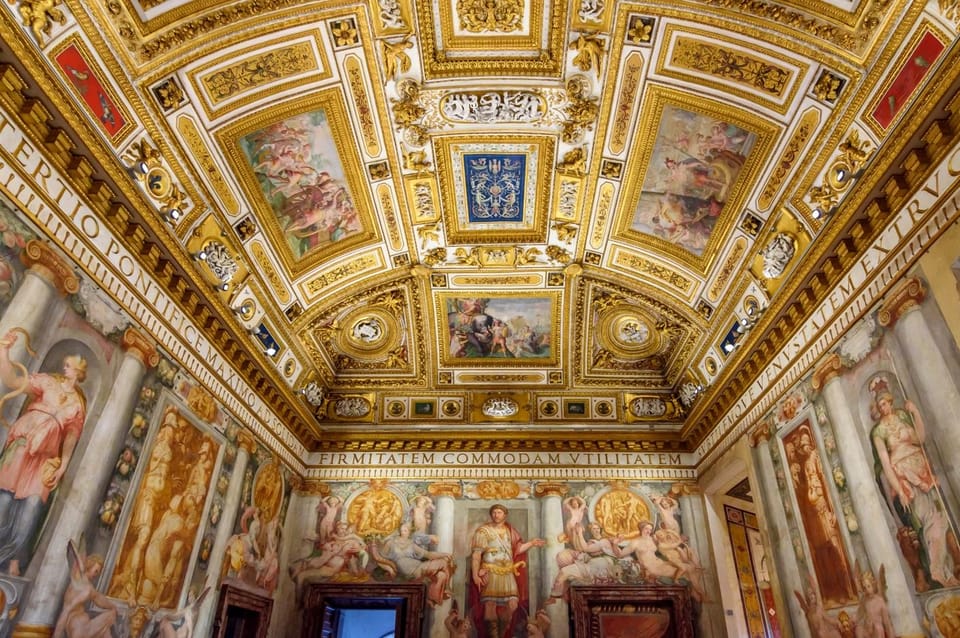
Book it if you want priority entry, a focused 2-hour route, and the main experience: Papal Rooms, the staircase-to-tomb transition, and the 360° Angel’s Terrace views. It’s a good fit for couples, solo travelers, and small groups who don’t want to be stuck to a live schedule.
I’d skip it or think twice if you strongly prefer a live guide for deeper explanations and Q&A. Since the experience leans self-paced, your enjoyment will hinge on whether the audioguide content feels like enough for you.
If your plans might shift, this is also a booking style worth considering because it’s designed for flexible, independent visits. Just be extra careful about the nominative ticket details and matching ID, since that’s what keeps entry simple.
FAQ
How long is the Castel Sant’Angelo experience?
The duration is 2 hours. Starting times depend on availability.
What is included with the booking?
You get pre-reserved Priority Tickets. If you select the audioguide option, you also get the Audioguide app.
Is there a live guide included?
No. A live guide is not included.
Do I need the audioguide, or can I visit without it?
You can visit without the audioguide. The history explanations come from an optional audioguide app if you choose that option.
What languages are available for the audioguide?
The audioguide app is available in English, Spanish, French, Italian, German, and Chinese.
What do I need to bring for entry?
Bring a passport or ID card. Your ID must match the booking name for entry.
What are the main restrictions inside?
Pets, weapons or sharp objects, baby strollers, luggage or large bags, and alcohol and drugs are not allowed.