REVIEW · ROME
Super Fun Pasta & Gelato Class by Vatican with Wine + Oil Tasting
Book on Viator →Operated by Holy Pizza · Bookable on Viator
Fresh pasta and gelato, made with your own hands. In this Rome class, you’ll learn handmade pasta and simple Italian cooking in a friendly kitchen setting, often led by Chef Massimo, with sips of wine or other drinks along the way. Expect a starter, a main you cook from scratch, and a dessert finish.
I like two things a lot. First, you get real technique for making dough and sauce, and you’re not stuck watching from the back of the room. Second, it’s built for all skill levels, from first-timers to people who cook at home already, and the group is capped at a small size (15 max).
One possible drawback: you’re doing the work, not just sampling it. If you prefer a lighter, hands-off experience after a full day of sightseeing, this class may feel a bit more hands-on than you planned.
In This Review
- Key things to know before you go
- A Small-Group Kitchen Near the Vatican: The Vibe and the Setup
- What You’ll Make: Bruschetta, Handmade Pasta, and Seasonal Tomato Sauce
- Bruschetta as the easy entry point
- Handmade pasta: your hands, your rolling pin
- Tomato base sauce, built around the season
- Gelato Class Finish: Turning Simple Steps into a Real Dessert
- Wine and Oil Tasting: Local Taste While You Cook
- Who’s Teaching: Chef Massimo and the Hands-On Team Energy
- Practical Flow: How the 2.5 Hours Usually Moves
- Price and Value in Rome: Is $85.26 Worth It?
- Who Should Book This Pasta and Gelato Class
- Practical Tips to Get the Best Experience
- Arrive ready to work
- Bring curiosity, not perfection
- Ask about allergies ahead of time
- Use public transport if you’re nearby
- Save the moment
- Should You Book It?
- FAQ
- How long is the Super Fun Pasta & Gelato Class?
- Where is the meeting point in Rome?
- Is the class offered in English?
- What is the group size limit?
- What do you make and eat during the class?
- Are drinks included?
- When do I receive confirmation?
- What is the cancellation policy?
- Is there a provider name I should know?
- Are service animals allowed?
Key things to know before you go
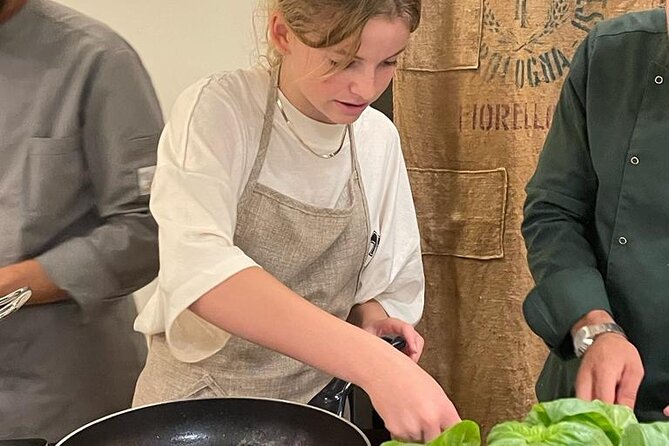
- Small group size (15 max) means more attention while you roll, cut, and assemble.
- Handmade pasta from scratch uses simple tools like your hands and a rolling pin.
- Starter to dessert meal is part of the experience: bruschetta, pasta, and gelato.
- Wine and oil tasting adds a fun local-food angle beyond just cooking.
- All skill levels welcome, so beginners won’t feel lost.
- English-led class keeps the instructions clear and practical.
A Small-Group Kitchen Near the Vatican: The Vibe and the Setup
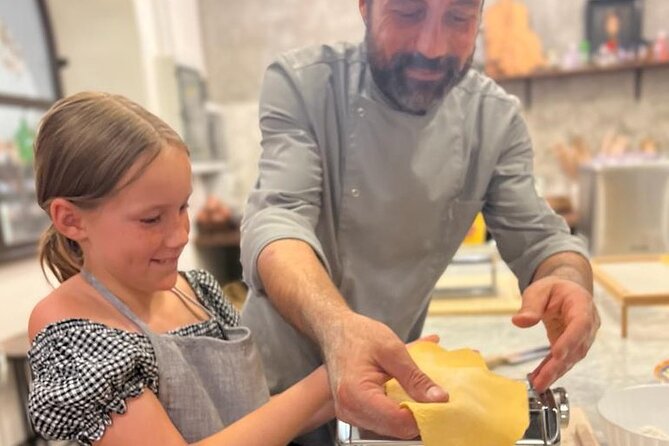
Rome can be loud, busy, and heaty. This class is different. It happens indoors, in a cozy room, so you get a calmer pocket of the city for about 2.5 hours. Plus, it’s close enough to the Vatican area that it works nicely as either a pre-dinner plan or a break from sightseeing.
The group is capped at 15 people. That number matters. In a class this size, you’re more likely to get help with the dough when it goes sticky or dry, and you’re less likely to feel like a spectator. One of the best parts is that the hosts keep things moving, with interaction happening throughout instead of one long lecture.
Language is also covered. The class is offered in English, and the teaching style is meant to be friendly and approachable. If you’re traveling with kids, this is one of those experiences where the room feels like it can handle a mix of ages. Several people mention their children genuinely enjoying the cooking, not just the free food part.
If you’re the type who likes to eat well but also learn something you can repeat at home, this setup is a good match.
You can also read our reviews of more food & drink experiences in Rome
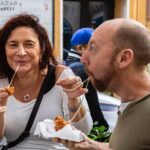
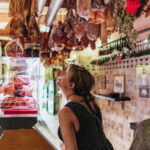
What You’ll Make: Bruschetta, Handmade Pasta, and Seasonal Tomato Sauce
The menu is straightforward and very Roman in spirit: starter, main, dessert. You’ll do the hands-on work for the whole meal, not just one component.
Bruschetta as the easy entry point
You start with bruschetta. Even if you’ve had bruschetta a hundred times in restaurants, the in-class version is useful because it teaches you the rhythm of Italian antipasti: fresh flavors, simple components, and smart timing. It’s also a good warm-up. You get comfortable in the workspace before you start stretching and rolling dough.
Handmade pasta: your hands, your rolling pin
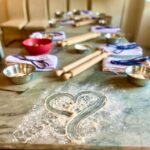
Then comes the main event: handmade pasta. The core lesson is making pasta from scratch, using hands and a rolling pin rather than relying on a machine (even if some kitchens use one, the emphasis here is on learning the basics you can repeat later). Rolling the dough and shaping it teaches you texture: when it’s elastic enough, when it needs a rest, and when flour is helping instead of turning into a dry mess.
A very practical tip that shows up in how people talk about the class: hand rolling can mean better control and usually less cleanup than equipment-based methods. More importantly, hand rolling helps you understand the dough. That’s what you want if you plan to cook this at home instead of just collecting a souvenir recipe.
Tomato base sauce, built around the season
For the pasta sauce, you’ll learn a tomato base approach. And it’s seasonal: depending on the season, the sauce shifts. That’s not just a nice detail. It’s how Italian home cooking actually works. Instead of memorizing one fixed flavor profile, you learn a method for building sauce in a way that adapts to what’s fresh.
This matters for value. Many cooking classes give you one version of a dish. Here, you’re learning an idea: how to make tomato sauce and how to pair it correctly with pasta you made yourself.
You can also read our reviews of more wine tours in Rome
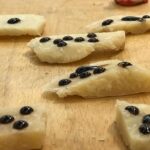
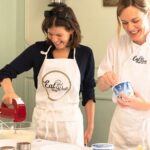
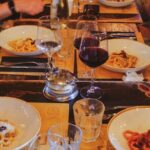
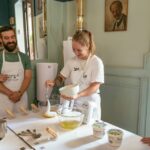
Gelato Class Finish: Turning Simple Steps into a Real Dessert
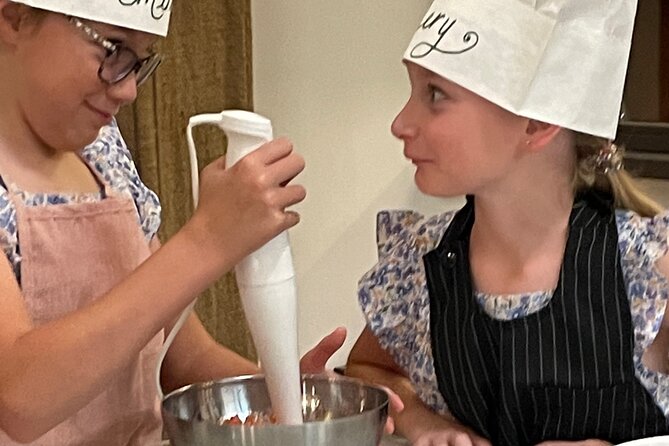
The dessert is gelato, and it’s one of the reasons this class feels more complete than many pasta-only workshops. You don’t just end with a sweet that someone else makes. You make the gelato and learn the process.
What I’d look for in a gelato lesson is not fancy talk. It should be about technique you can repeat: ingredient handling, how to get the right consistency, and what to watch during the process so the result tastes like gelato and not like a sweet frozen mess.
In the way the class is described, the gelato part is interactive and structured so you don’t get lost. People especially enjoy this when traveling as a family, because kids often find gelato-making the most fun part. The class style helps, too: instructors keep it lively while still teaching.
Also, if you’re someone who likes to bring Rome flavors home, gelato is a great “doable at home” win. Even if you don’t make it every week, you’ll know how to approach it.
Wine and Oil Tasting: Local Taste While You Cook
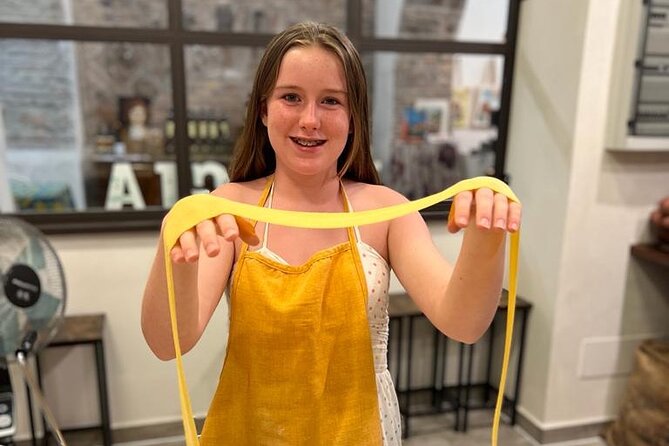
This experience isn’t just cooking. It includes Wine + Oil Tasting, and you’ll also be able to sip on drinks like beer, wine, water, or soft drinks. That makes the whole class feel like an evening with a purpose, not a school assignment.
The wine and oil element changes the way you cook. When you taste oils and learn how flavor works before you build your meal, you become more aware of balance. It’s easier to understand why a sauce tastes the way it does, and it’s more fun to connect your final dish to what you sampled earlier.
One thing to keep in mind: you’ll still be doing hands-on cooking. So treat the wine as part of the experience, not a reason to forget you’re rolling dough. Plan to drink at a relaxed pace. You’ll get more enjoyment that way and you’ll keep your focus during the dough steps.
Who’s Teaching: Chef Massimo and the Hands-On Team Energy
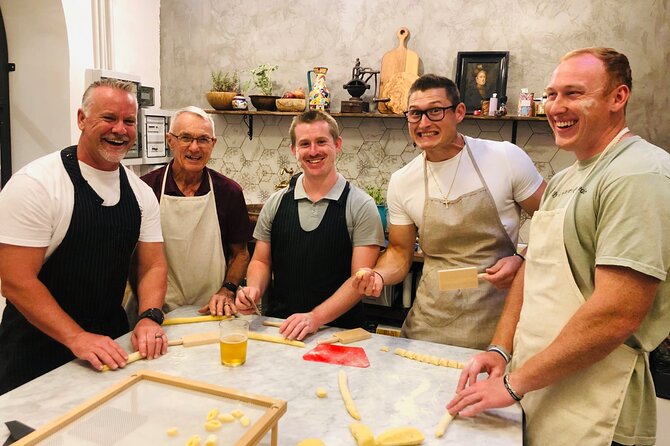
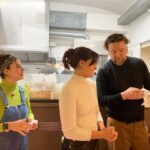
A lot of the success here comes from the instructors, especially Chef Massimo, who comes up repeatedly as warm, patient, and engaging. That’s huge. Pasta dough can be forgiving, but it can also be stubborn if it’s too dry or not worked enough. A good teacher helps you fix it without making you feel embarrassed.
What I like about how this class is presented is that it’s interactive. You’re not just following a recipe. You’re learning technique, getting tips while you’re working, and getting explanations that turn into habits. Several people mention the teaching feels personal, like you’re getting attention as needed, even in a group.
Another nice touch is the humor. People note that the host pokes fun and keeps the vibe light while still being informative. That balance is what makes cooking classes work well as travel experiences.
Practical Flow: How the 2.5 Hours Usually Moves
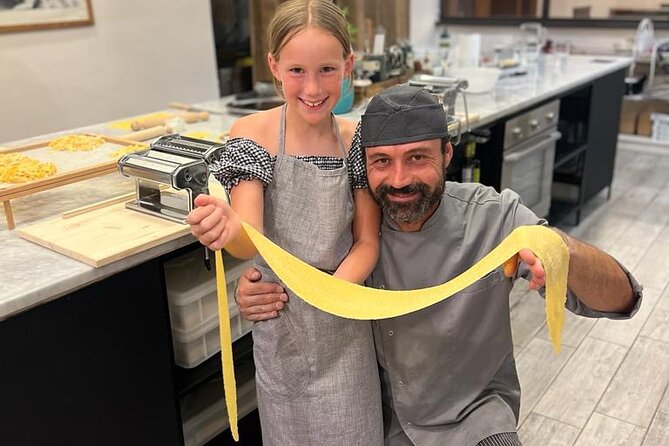
You’re looking at about 2 hours 30 minutes total. With classes like this, timing is everything. You want enough time to learn without feeling rushed, and you want enough structure to eat what you made while it’s still at its best.
Here’s the practical flow you can expect:
- You meet at the assigned address in the Vatican-side area.
- You get instructions and start with the starter.
- Then the main dough work: mixing, rolling, shaping, and pairing with sauce.
- After the cooking steps, you handle dessert, turning the gelato lesson into something you can taste as you go.
- Finally, you sit down to enjoy what you made as a meal.
The class ends back at the meeting point.
Because it’s a meal-based class, you’re not just “doing an activity.” You’re filling your stomach with food you made with your own hands. That makes it a strong choice for a night when you don’t want to spend extra money (and time) tracking down dinner.
Price and Value in Rome: Is $85.26 Worth It?
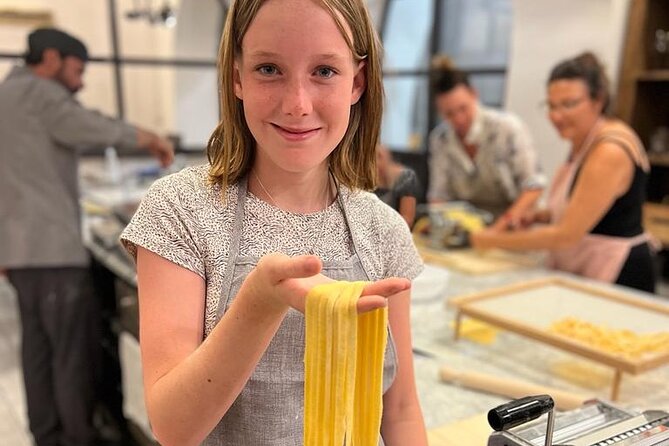
At $85.26 per person, this isn’t a budget snack class. It’s priced like a real workshop. The value is in three big buckets.
First, you’re learning a skill set: handmade pasta technique plus gelato steps plus the sauce method. Skill-based classes hold value because you can repeat the result later.
Second, you’re eating a 3-part meal: bruschetta, pasta (with tomato base sauce depending on season), and gelato. That’s not just tasting crumbs. You make it, then you eat it.
Third, the class includes drinks, and the experience includes wine and oil tasting. That turns it into a “Rome night out” style plan, not only a class with a snack.
Also, small group size (15 max) supports the price. When the teaching is hands-on and the ratio is smaller, you get more correction and more learning per minute.
If you’ve done cooking classes in other countries, you may notice that the best ones feel like you’re eating what you cooked with confidence afterward. This one aims for that outcome.
Who Should Book This Pasta and Gelato Class
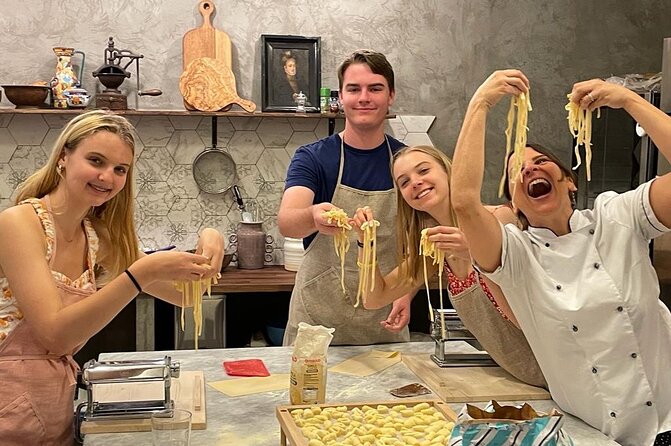
This class is a great fit if you:
- Want a hands-on cooking lesson in Rome that doesn’t feel overly formal.
- Like learning practical technique you can use later at home.
- Travel with kids or a mixed-age group and want everyone engaged.
- Prefer a small group over a crowded walking tour.
It may be less ideal if you:
- Want a quick photo-stop activity.
- Get stressed when you need to keep moving during cooking steps.
- Don’t like wine or alcohol tastings as part of the experience. You can choose drinks like water or soft drinks, but the tone of the class includes tasting.
If you’re planning your Rome day, I’d treat this as either a break between sightseeing blocks or your dinner anchor. It’s easier to plan the rest of the evening when you know you’ll be fed.
Practical Tips to Get the Best Experience
A few simple things can make your class smoother.
Arrive ready to work
This is a cooking class. Wear comfortable shoes and clothes you don’t mind getting a little flour dust on. Even when the room is clean and cool, dough work is dough work.
Bring curiosity, not perfection
The goal isn’t to produce restaurant-level pasta on your first try. The goal is to learn what makes dough behave the way it does and how sauce should taste. If your first roll isn’t perfect, that’s normal.
Ask about allergies ahead of time
One person describes having allergies handled well and being able to eat what they cooked. If you have food restrictions, it’s smart to ask before you arrive so the team can tell you what’s possible.
Use public transport if you’re nearby
It’s near public transportation, which helps in Rome. You can also plan on getting there by taxi or rideshare if needed.
Save the moment
You’ll take home the skill. But also take home the memory of eating the meal while it’s fresh and warm, made by you. That’s the part that sticks.
Should You Book It?
I think you should book this class if you want a fun, hands-on Rome experience that ends with a full meal you can actually be proud of. The mix of handmade pasta, gelato, plus wine and oil tasting makes it feel like more than just a recipe lesson.
If you’re worried about cooking anxiety or you’re a beginner, this is one of the better options because the instruction is meant for all skill levels and the group is kept small. The only real reason to skip is if you’d rather watch and wander than roll dough and taste as you go.
If your dates are flexible, book earlier when you can. This kind of small-group activity tends to sell out.
FAQ
How long is the Super Fun Pasta & Gelato Class?
It lasts about 2 hours 30 minutes.
Where is the meeting point in Rome?
You’ll meet at Via Simone de Saint Bon, 57, 00195 Roma RM, Italy, and the activity ends back at the same meeting point.
Is the class offered in English?
Yes, it is offered in English.
What is the group size limit?
The experience has a maximum of 15 travelers.
What do you make and eat during the class?
You’ll make a starter (bruschetta), handmade pasta with a tomato base sauce (seasonal), and dessert gelato, then savor your meal.
Are drinks included?
Yes. You can sip on beer, wine, water, or soft drinks, and the experience includes Wine + Oil Tasting.
When do I receive confirmation?
You receive confirmation at the time of booking.
What is the cancellation policy?
You can cancel for a full refund up to 24 hours in advance.
Is there a provider name I should know?
The provider is Holy Pizza.
Are service animals allowed?
Yes, service animals are allowed.