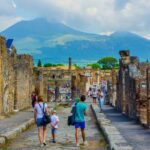
Your morning run turns into Rome’s highlight reel. You’ll cover iconic ancient sites as the city wakes up, moving from Colosseum-area streets to fountains and viewpoints before the big rush hits. It’s a simple idea with a great payoff: see Rome at street level and feel the place while you’re actually moving.
I love that the guide matches your pace. Reviews call out everything from running comfortably conversation-style to slower, more patient adjustments for newer runners. I also love the focus on specific photo moments and short, clear explanations at each stop, so you leave with context instead of just blur.
One thing to consider: this experience needs good weather, and you’re running for about 90 minutes. If you hate early starts or you’re not comfortable jogging for that long, you may want to think twice (or ask the guide to slow it right down).
In This Review
- Key things to know before you lace up
- A 90-Minute Rome Morning You Can Feel in Your Legs
- Where You Start: Viale Aventino and How Pickup Works
- The Route: Colosseum and Roman Forum at Sunrise Energy
- Palatine Hill and the “Past Emperors” Feeling
- Trevi Fountain: Famous, But Less Stressed
- Spanish Steps and the Walk-Off to Viewpoints
- Water Fountains, Orange Gardens, and the Little Stops That Make It Rome
- Guides, Pacing, and Why Speed Isn’t the Point
- Photos, Coffee, and the End-of-Run Reset
- Price and Value: $82.68 for a Small-Sightseeing Day
- Weather, Timing, and What to Bring
- Who This Running Tour Suits Best
- Should You Book This Running Tour?
- FAQ
- How long is the running tour in Rome?
- How much does it cost per person?
- Do you provide pickup?
- Where do you meet?
- Is the tour private?
- What language is the tour offered in?
- Do I get a mobile ticket?
- Is it suitable for most people?
- Does the tour run in bad weather?
- Are service animals allowed?
- What’s the cancellation policy?
Key things to know before you lace up
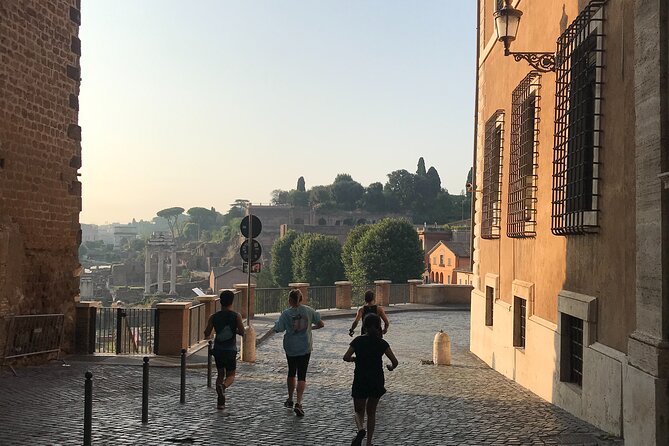
- Private and pace-adjusted: your group runs together with a guide who sets a comfortable rhythm
- Early morning timing: you hit big sights before traffic and tourist crowds take over
- Prime Roman landmarks: Colosseum, Roman Forum area, Trevi Fountain, and more
- Photo stops built into the run: you get time to stop and shoot, not just sprint past
- A real local route: guides often steer you to less-obvious angles and viewpoints
- Often ends with coffee and something sweet: a relaxed finish after your miles
A 90-Minute Rome Morning You Can Feel in Your Legs
A running tour in Rome is a funny little form of time travel. You’re not reading plaques from a sidewalk. You’re moving through the same neighborhoods and monument zones that shaped Roman life—then turning the pace down just enough to understand what you’re looking at.
This tour is built around a compact format: about 1 hour 30 minutes, with the guide steering the route and handling the stop points. That matters because Rome is big, roads can be twisty, and the best views are often a short walk off the main drag. With a guide, you trade stress for motion.
You’ll be running while the city is still warming up. That early timing shows up in the details: fewer buses, less traffic noise, and a calmer feel at famous landmarks. It also makes photos easier—less crowd clutter, more breathing room, and better light.
You can also read our reviews of more tours and experiences in Rome.



Where You Start: Viale Aventino and How Pickup Works
The meeting point is Viale Aventino, 3, 00153 Roma RM, Italy. For most people, that’s straightforward: you arrive, you meet your guide, and you get going.
Pickup is offered. In real life, that often means the guide tries to collect you closer to where you’re staying, and some guests report hotel meet-ups (especially when they were near the Colosseum area). If pickup isn’t possible, the instructions say you’ll meet at a nearby meeting point such as a metro station.
Why this matters: the tour is short. You don’t want to lose 30 minutes to figuring out trains or wandering for a rendezvous. If you’re planning a tight morning schedule, this kind of clear meet-up is a big plus.
The Route: Colosseum and Roman Forum at Sunrise Energy
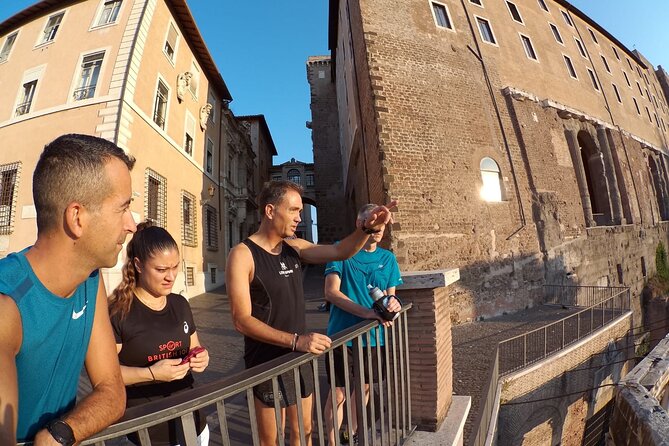
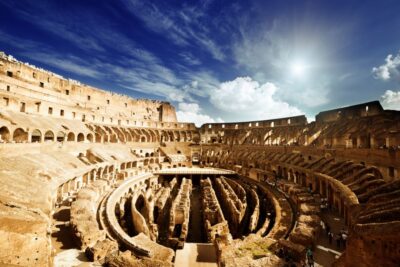
The Colosseum and the Roman Forum sit near the center of Rome’s “wow” factor, and this tour aims to deliver them at a better time of day. Multiple guides mention the feeling of running there before the crowds settle in, including sunrise over the Roman Forum, which is the kind of moment that turns a landmark into a memory.
Here’s what you can expect when you reach the Colosseum-area zone: you’ll slow down at key points so the guide can connect what you’re seeing with what it meant. That includes explaining the “why” behind locations rather than just reciting dates.
Also, you’ll likely get some of the best views from slightly off-center angles. In reviews, runners talk about guides who take them to spots they hadn’t found before. That matters for two reasons:
1) you see more variety than the same front-facing photo everyone posts, and
2) you learn small navigation tricks you can use later when you explore on your own.
One practical note: you’re running in the monument area, so expect cobbles and uneven ground. That’s normal for central Rome. If you can handle a mix of surfaces, you’ll be fine.
Palatine Hill and the “Past Emperors” Feeling
Your route doesn’t stop at one big icon. You’re guided through the wider ancient-courtyard mindset around the Palatine Hill area. In plain terms: this is where Rome feels less like a collection of buildings and more like a lived-in world—especially when you’re moving early and the streets are quiet.
People who love history tend to enjoy this part because the guide can point out how the sites connect. People who don’t care about long lectures still benefit, because it’s delivered in short bursts while you’re already there. It helps you turn a location into a picture in your head.
This is also where pace matters. If you’re a steady runner, you’ll keep momentum and still get meaningful stops. If you’re newer, you can slow into a jog-walk rhythm and still hear the story.
Trevi Fountain: Famous, But Less Stressed
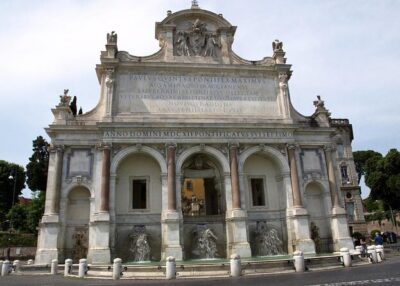
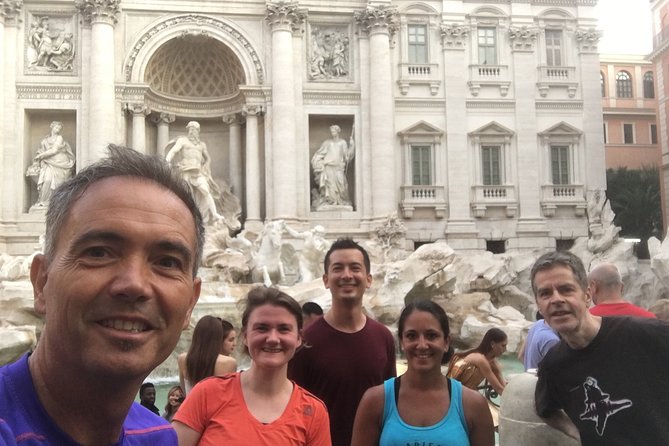
Trevi Fountain is famous for a reason, and this tour brings you there with an early-morning advantage. Instead of arriving when the square is packed, you’re there when the scene is lighter and the background looks cleaner.
What I like about seeing Trevi Fountain on foot (and in a run) is the way you experience it from a few angles. You’re not stuck behind the same crowd wall. You also get to blend the sight with the rhythm of the morning—one part exercise, one part wandering with purpose.
You’ll also hear explanations tied to what you’re seeing. Reviews mention guides answering questions along the way, which is great if you’re the type who likes to ask why something looks the way it does.
Just keep in mind: you’ll want to dress for the weather and the light. Early mornings can feel cool, then warm quickly. If you’re planning to stop for photos, a light layer that you can take off fast is handy.





Spanish Steps and the Walk-Off to Viewpoints
After the big hits around the ancient core, the route expands into other classic Rome neighborhoods. Spanish Steps often show up in the experience, plus extra photo-friendly stops that take you beyond only the headline monuments.
This is where you get a more complete taste of Rome’s “best hits” without turning your whole day into sightseeing. You’ll likely cover places like the Spanish Steps, plus nearby viewpoints and streets that feel more local than tour-guide checklist.
One small drawback: since the total time is about 90 minutes, you won’t have long “linger” time at each stop. That’s not a flaw, it’s the deal. The tour is designed for momentum and variety. If you want to spend an hour sitting at one fountain, you’ll need a separate plan for that.
Water Fountains, Orange Gardens, and the Little Stops That Make It Rome
Rome has a way of turning tiny moments into big ones. A running tour helps because you’re moving through the city’s everyday details while still hitting the famous monuments.
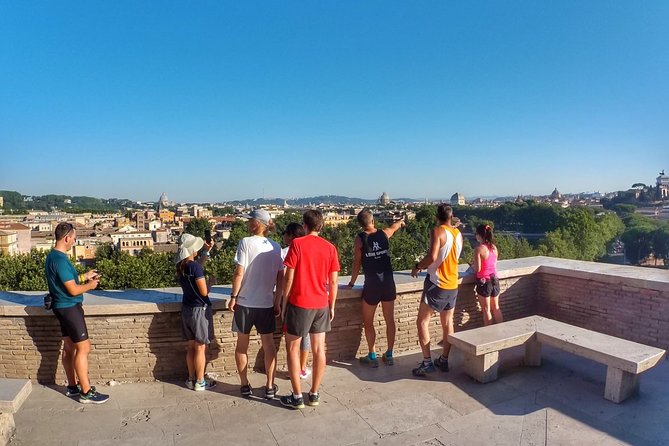
In reviews, guides mention getting runners to water fountains and spots like the garden of the oranges. Even if you only catch a slice of these places, you feel the city’s personality. It’s one thing to see Rome in photos. It’s another to pass through the kind of corners locals use for a quick pause.
These side stops are also where you get the best value from a guide. A local route means you’re less likely to waste time backtracking or searching for a good photo angle. You also learn what to come back to later, when you have more time.
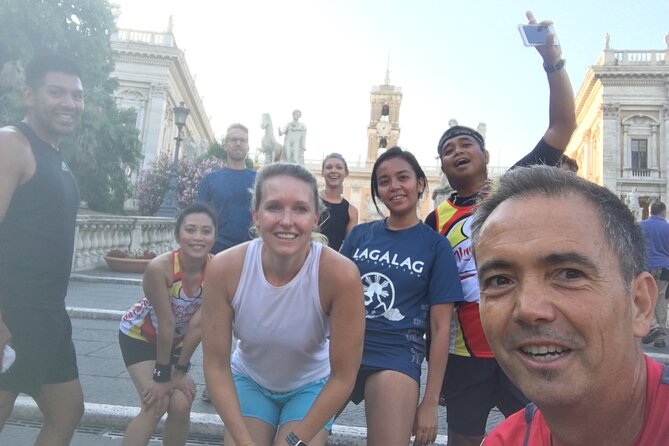
And yes, you’ll likely stop for photos. Guides are arranging picture breaks while you’re still in motion, so you don’t feel like the run turns into a long standing-around session.
Guides, Pacing, and Why Speed Isn’t the Point
The best part of this tour, for most people, is that it’s not built for one specific runner. You’re with a guide who adjusts to you.
Reviews include guides like Simone, Fabrizio, Claudia, Dario, and Giovanni. Different names, same theme: they tailor the tour to your speed, keep it conversational, and make sure everyone stays engaged. That’s especially important in a city like Rome where you can’t just run in a straight line and hope for the best.
If you’re a beginner runner, this can work well. One review notes a friend who had only started running recently, with the guide staying patient and adjusting the pace. If you’re more experienced, you can still enjoy it because the route planning and stop timing keep it interesting rather than repetitive.
In terms of pace, one runner described an average around 7 min/km, and another mentioned about 9 min/mile. That tells me the tour often lands in a comfortable jog zone rather than a race. You should still bring your own sense of effort, but you’re not expected to sprint.
Photos, Coffee, and the End-of-Run Reset
One of the smartest touches in a running tour is the emotional finish. You’ve spent 90 minutes moving through big sights; you want a relaxed landing, not another rush.
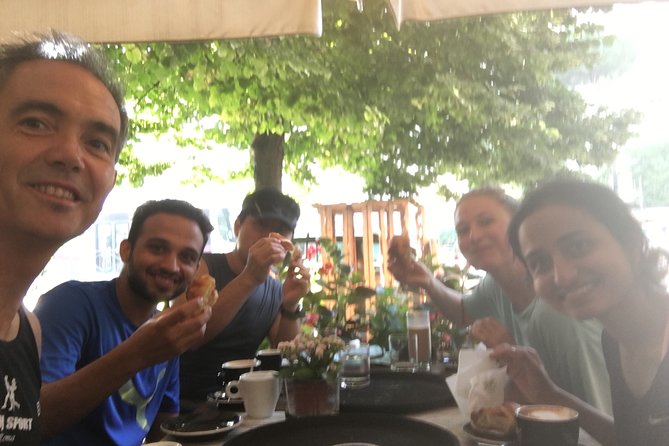
Many guides end with a coffee and pastry stop. Reviews mention things like a cornets-style treat and the general idea of a quick café finish. It’s not just about food. It’s about letting the run feel complete and giving you a break before you head into your next Rome plans.
Also, multiple reviews highlight photo opportunities. That’s a big deal because Rome’s landmarks are all around you, but people often struggle to get the right angle without dropping the group. A guide handles that and keeps you from losing time.
If you’re the type who tracks your runs (Strava fans, I see you), running through Rome’s core is a fun way to turn your training into a story you can share.
Price and Value: $82.68 for a Small-Sightseeing Day
At $82.68 per person, this is not a budget activity, but it isn’t priced like a full-day tour either. The value sits in four areas you can feel right away:
- Time efficiency: in about 90 minutes, you cover major monuments and key viewpoints
- Local routing: the guide picks paths that help you beat the crowd feel
- Stop control: you get photo breaks and explanations without having to plan them yourself
- Group tailoring: your pace is adjusted, so you don’t end up dragging or falling behind
If you’re already in Rome for only a day or two, or if you want an easy “first morning in town” orientation, this price can feel fair. You’re paying for guidance that saves you decision fatigue and helps you hit the good moments earlier than you could on your own.
If you’re in Rome for a long stay and you like wandering, you might decide to skip this and self-tour. But if you want a structured morning that feels different from walking tours, this is one of the more practical ways to do it.
Weather, Timing, and What to Bring
This experience requires good weather. That’s important for two reasons: (1) you’re running, and (2) you’re moving through outdoor monument areas where wind and rain can make everything less comfortable fast.
Timing is also part of the package. You’ll be out while Rome is waking up. That’s exactly why the tour works, but it can mean an early start that feels like a trade-off.
For what to bring, stick to runner common sense:
- comfortable running shoes that handle uneven surfaces
- a light layer you can adjust if the morning changes quickly
- water (even if you stop at fountains, you’ll want enough for a run)
- a small option for rain if the forecast is uncertain
If you’re coming straight from a hotel, check the pickup details ahead of time so you don’t stress at the start. The meeting point is clear, but early mornings are when small confusion can snowball.
Who This Running Tour Suits Best
This is a great match for:
- people who want Rome highlights fast
- runners of many levels who want a structured route with stops
- anyone who hates the loud peak-crowd feeling at famous sites
- first-time visitors who want an overview, plus hints on where to return
It’s also a smart pick if you’re traveling on a tighter schedule. One account describes the run as a strong fit even on a business trip because it turns a morning into both movement and sightseeing.
If you’re not much of a runner, you might still enjoy the experience if you’re willing to jog slowly or keep it easy. The tour is described as suitable for most travelers, but it’s still running-focused. You’ll get the best experience if you can handle a solid block of active time.
Should You Book This Running Tour?
I’d book it if you want Rome to feel vivid quickly. The combination of early access, a private pace-adjusted guide, and stops at headline monuments like the Colosseum and Trevi Fountain is exactly the kind of efficient sightseeing that actually feels fun, not frantic.
I wouldn’t book it if you’re hoping for a long, linger-at-every-stop day, or if you’re likely to skip activities when weather turns. Also, if you strongly dislike running (even easy running), you may find the format too active for your taste.
If you’re deciding between this and a standard walking tour, ask yourself one question: do you want a morning where your feet are part of the story? If yes, this is one of the best ways to get it—without spending the whole day in line, and without doing the navigation math.
FAQ
How long is the running tour in Rome?
It lasts about 1 hour 30 minutes.
How much does it cost per person?
The price is $82.68 per person.
Do you provide pickup?
Pickup is offered. If pickup isn’t possible, you’ll meet at a nearby meeting point such as a metro station.
Where do you meet?
The meeting point is Viale Aventino, 3, 00153 Roma RM, Italy.
Is the tour private?
Yes. It’s a private tour/activity, meaning only your group participates.
What language is the tour offered in?
The tour is offered in English.
Do I get a mobile ticket?
Yes. A mobile ticket is provided.
Is it suitable for most people?
Most travelers can participate.
Does the tour run in bad weather?
The experience requires good weather. If it’s canceled due to poor weather, you’ll be offered a different date or a full refund.
Are service animals allowed?
Yes, service animals are allowed.
What’s the cancellation policy?
You can cancel for free up to 24 hours in advance for a full refund. If you cancel less than 24 hours before, the amount paid is not refunded.