REVIEW · ROME
Rome: Vatican Museum & Sistine Chapel Skip-the-Line Tour
Book on GetYourGuide →Operated by art tour · Bookable on GetYourGuide
Skip-the-line changes everything at the Vatican. This guided tour strings together the Vatican Museums and the Sistine Chapel with a local guide so you spend more time looking and less time shuffling in queues.
I especially like the way the route keeps you moving between the big-ticket rooms without turning your visit into a full-day endurance test. Second, I really appreciate the focus on meaning, not just names, like how you’re guided to read Michelangelo’s ceiling scenes and understand why the museums’ artworks were collected and displayed.
One consideration: even with a smart pace, Vatican security can be strict and a bit pushy, and you may have limited moments to stop and stare as long as you want.
In This Review
- Key things to know before you go
- Paying for fewer lines in the Vatican Museums
- Meeting near the Vatican and how the 2.5 hours actually plays
- Vatican Museums: where the guide earns their fee
- Gallery of Maps and Gallery of Tapestries (and why they matter)
- Raphael, Bernini, and big-name art—explained in plain language
- Time reality check
- Sistine Chapel: look up with purpose, not panic
- What you’re likely to focus on
- A practical note about room flow
- Guide quality shows here
- St. Peter’s Basilica when it’s open: mosaics and the big sculptures
- What to do if you want more than a quick lap
- Pacing, crowds, and the real Vatican vibe
- What to bring and what rules to follow
- Who should book this tour, and who should skip it
- Should you book this Vatican and Sistine Chapel skip-the-line tour?
- FAQ
- How long is the Vatican Museum & Sistine Chapel skip-the-line tour?
- Do I get skip-the-line entry for both the Vatican Museums and St. Peter’s Basilica?
- Is hotel pickup included?
- What languages is the live guide available in?
- What ID do I need to bring?
- Is the tour wheelchair accessible?
Key things to know before you go
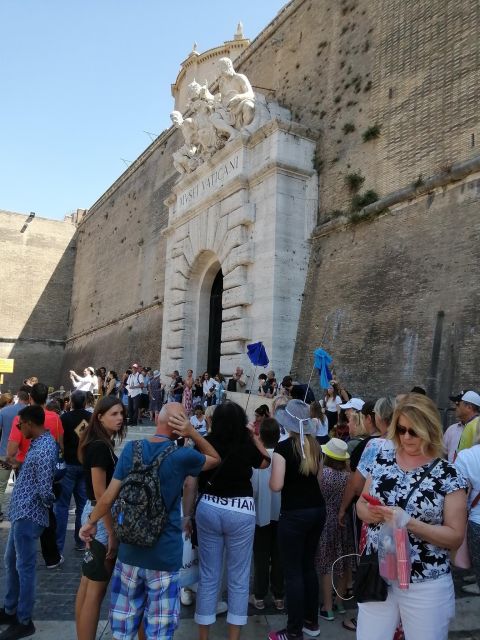
- Skip-the-line entry through a separate entrance to reduce waiting time.
- Michelangelo’s ceiling explained with clear, scene-by-scene context in the Sistine Chapel.
- Vatican Museums highlights like the Gallery of Maps and the Gallery of Tapestries.
- Good, guided pacing that helps you see more in about 2.5 hours.
- St. Peter’s Basilica entry if open, but your guide does not stay for that final part.
Paying for fewer lines in the Vatican Museums
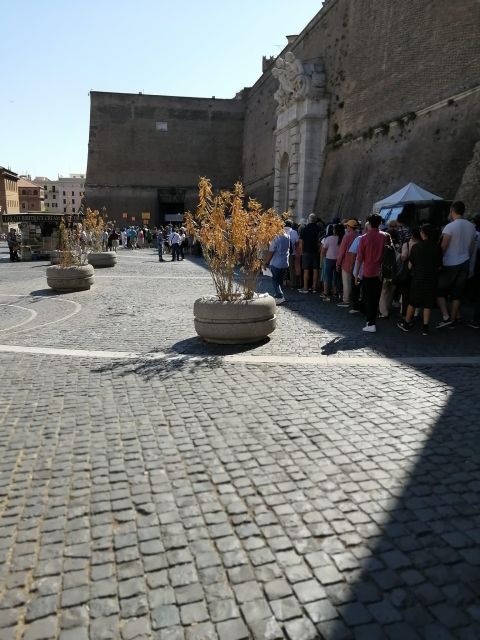
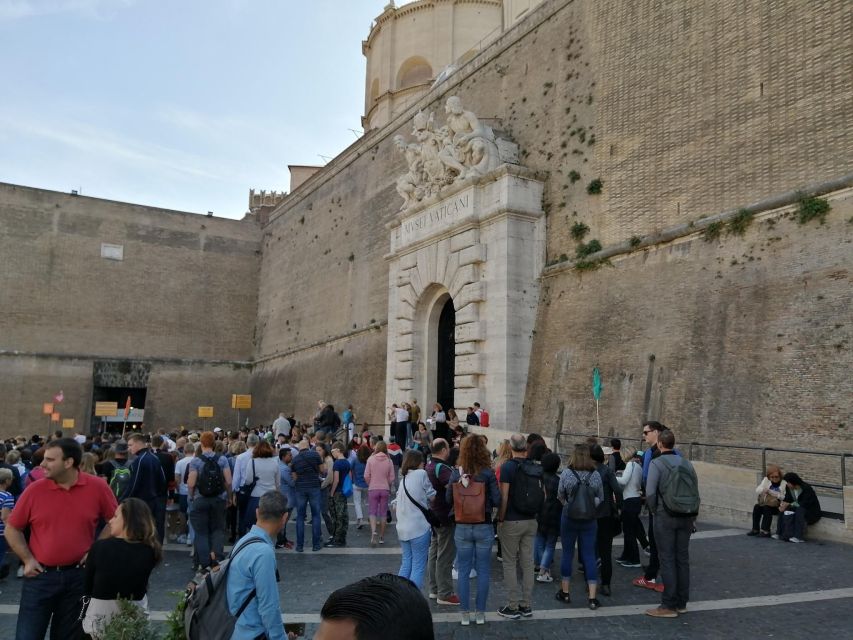
At the Vatican, time is not your friend. Lines can be long, and once you’re in, crowds and security rules can make it hard to linger. That’s why I think the biggest value here is skip-the-line entry. You’re paying for time savings and for a guided flow that takes advantage of those saved minutes.
Is it “cheap”? No. But $130.28 per person for a 2.5-hour, guided visit is not just a ticket price. You’re buying:
- a local guide who helps you notice what matters,
- a planned route through the Vatican Museums,
- and extra access time inside the spaces you actually came for.
If you’re a first-timer, that combination matters. Even if you love art, you’ll still want someone to point out what you might otherwise miss when you’re surrounded by people and guards moving things along.
You can also read our reviews of more museum experiences in Rome



Meeting near the Vatican and how the 2.5 hours actually plays
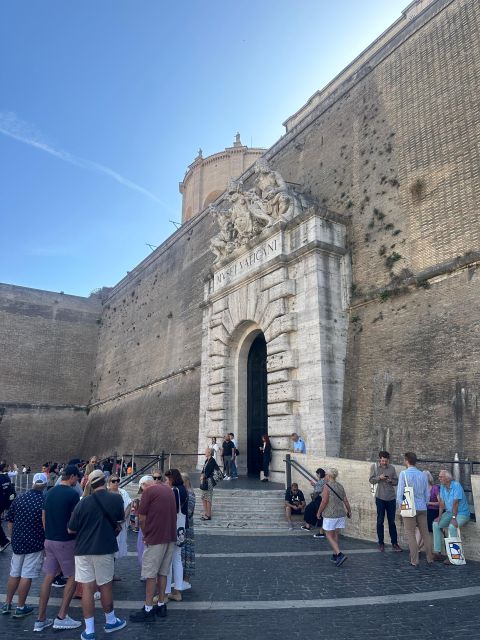
You meet at Via Sebastiano Veniero, 15. Expect the tour to feel efficient, not slow. The total duration is listed at 2.5 hours, and that’s pretty accurate in how the experience is paced.
From there, your group heads into:
1) the Vatican Museums (a guided block of about 2 hours),
2) then the Sistine Chapel (guided with time to look, plus some pass-by movement),
3) and finally St. Peter’s Basilica only if it’s open that day.
A key detail: the tour includes skip-the-line entry for St. Peter’s Basilica, but the guide does not join you for that segment. So you’ll go in, but you’ll be on your own once inside the basilica.
Vatican Museums: where the guide earns their fee
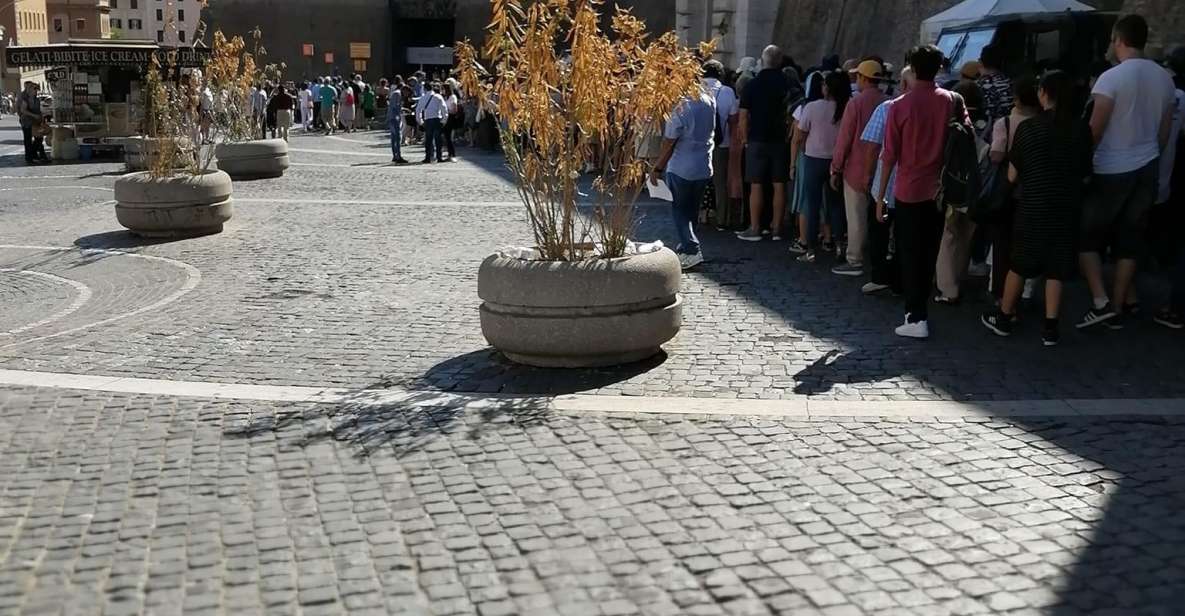
The Vatican Museums are not one room. They’re a whole machine made of galleries, corridors, and major works stacked into a layout that can overwhelm you fast. This tour keeps you from wandering by giving you a guided structure early on, when you’re freshest and still able to take it all in.
Gallery of Maps and Gallery of Tapestries (and why they matter)
I love that the tour specifically calls out the Gallery of Maps and the Gallery of Tapestries. These aren’t just pretty background walls. They help you understand how the Vatican thought about the world.
- The Gallery of Maps is a reminder that this was a place where geography, power, and curiosity all mixed together.
- The Gallery of Tapestries includes items such as Flemish tapestries, which gives you a feel for how prestigious and international the Vatican’s collecting world was.
If you’ve ever walked into a museum full of masterpieces and felt like you were just trying to keep your eyes from crossing, you’ll likely appreciate that the guide frames what you’re seeing so you can actually track it.
Raphael, Bernini, and big-name art—explained in plain language
The tour description also references art by Raphael and Bernini. The value isn’t only the famous names. It’s the way a local guide can tie together themes: patronage, artistic rivalry, and why these works ended up here.
In this kind of museum, it’s easy to miss the logic behind the display. A guide helps you connect dots fast, especially when you’re dealing with crowds and short sightlines.
You can also read our reviews of more tours and experiences in Rome
- Skip-the-Line Group Tour of the Vatican, Sistine Chapel & St. Peter’s Basilica
★ 4.5 · 12,779 reviews


Time reality check
You’re on a schedule here. The museum block is about 2 hours, and the pacing is designed to keep the group progressing. That’s usually good, because if you slow down too much, you’ll fall behind and start missing the best rooms.
But it also means you’ll need to pick your spots. Plan to enjoy the art first, take photos second, and save the long reading for any written placards you can access quickly without stopping the group.
Sistine Chapel: look up with purpose, not panic
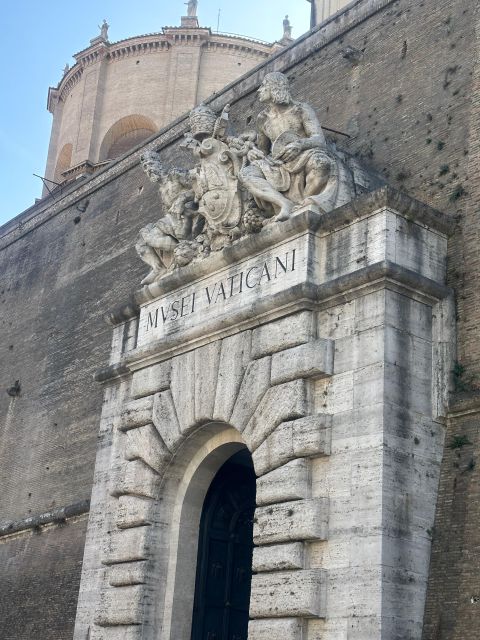
Then comes the main event: the Sistine Chapel. The tour is built around helping you see Michelangelo’s work with better context. You’re not just walking into a famous room and hoping your brain connects the dots.
What you’re likely to focus on
You’ll be guided to the world-famous ceiling painting, with emphasis on scenes such as Adam, God, and the saints. The Sistine Chapel is famous for a reason, but it’s also easy to misread at first glance—especially when you’re standing among other people and your eyes can’t quite settle.
A good guide helps you slow your attention even if your feet are still moving. You’ll likely be encouraged to look at:
- figure gestures and expressions (why they feel so alive),
- how stories are laid out across the ceiling,
- and how the overall composition turns into a kind of visual argument.
A practical note about room flow
One of the most important realities at the Vatican is that you’re not in a quiet studio. Security can move crowds through in a way that keeps you from lingering like you might in a smaller church. You might find yourself with short windows for close viewing, and you may need to look up and around while the room moves.
That’s not a dealbreaker, but it helps to adjust expectations. Treat the guide’s explanations as your “time to understand,” because your physical time for slow looking may be limited.
Guide quality shows here
This is the kind of stop where a great guide really changes the experience. The people who sing praises for this tour tend to mention informative guidance and a good pace. That’s exactly what you want in the Sistine Chapel, where the room’s scale can make information feel overwhelming unless it’s delivered clearly.
If your guide happens to be Alex, that name shows up in the feedback for being especially interesting, which matters a lot when you’re listening while trying to keep your head tilted upward.
St. Peter’s Basilica when it’s open: mosaics and the big sculptures
If it’s open, the tour ends with a visit to St. Peter’s Basilica. This is included only as a final stop, and your guide will not accompany you inside. You’ll still benefit from skip-the-line entry, which helps you get through the basilica with less waiting.
Inside, the highlights mentioned include:
- incredible mosaics,
- Michelangelo’s Pietà,
- and Bernini’s Baldachin.
Even if you’ve seen photos, I think those specific works hit differently in person because they’re tied to scale and material. They’re also the kind of landmarks where, without guidance, you can wander a bit and miss the pieces that are easiest to find with a plan.
What to do if you want more than a quick lap
Because the guide doesn’t stay, you’ll need to make choices fast. Plan a short “top list” for yourself before you enter so you’re not reacting to every sight in the moment. The basilica is huge. A short list keeps you from losing the plot.
Pacing, crowds, and the real Vatican vibe
This tour is designed to squeeze high-value stops into about 2.5 hours. That means it’s not built for slow strolling or extended conversations in every room. You’ll move, you’ll listen, and you’ll look when the guide points you in the right direction.
Here’s the realistic part: security staff may keep things moving and the group can be rushed through sections. That can be frustrating if you want long pauses to absorb details. The upside is that your guide can still help you get meaning quickly, so you don’t feel like you’re only passing by history at speed.
Also, this tour format usually works well if you have questions. You’re encouraged to ask as many as you like during the guided parts, and that can turn the visit from sight-seeing into actual understanding.
What to bring and what rules to follow
Before you go, make sure you’re ready for security checks.
You should bring:
- an ID card (a copy is accepted)
And note what’s not allowed:
- pets
- alcohol and drugs
No surprises here, but it’s worth preparing. When you arrive late or without the right ID, you can lose the benefit of skip-the-line timing.
Who should book this tour, and who should skip it
I’d recommend this tour if:
- you want the Vatican Museums + Sistine Chapel combo without spending hours in lines,
- you like having a guide explain what you’re seeing (especially in the Sistine Chapel),
- you’re comfortable with a pace that’s efficient rather than leisurely.
I’d think twice if:
- you need wheelchair accessibility (this tour is not suitable for wheelchair users),
- you want a very slow, quiet, fully self-directed visit where you can linger for long stretches in every room.
If you’re traveling with family members who get restless easily, the structured pacing can actually be helpful. But if someone in your group has mobility limitations or needs long stops, you’ll want to choose a plan designed for that.
Should you book this Vatican and Sistine Chapel skip-the-line tour?
Book this tour if you value time saved and you want a guide to help you “read” the highlights—especially Michelangelo’s ceiling and the museum rooms like the Gallery of Maps and Gallery of Tapestries. At this price, the best justification is not the art alone. It’s the reduced waiting and the guided focus that helps you get more meaning out of a short window.
Skip it if your top priority is maximum freedom to wander slowly, or if accessibility needs change your options. In those cases, you’d likely be happier with a different format that matches your pace.
FAQ
How long is the Vatican Museum & Sistine Chapel skip-the-line tour?
The duration is listed as 2.5 hours, with starting times that depend on availability.
Do I get skip-the-line entry for both the Vatican Museums and St. Peter’s Basilica?
Yes. The tour includes skip-the-line entry, and St. Peter’s Basilica is included if it is open, with skip-the-line entry included for that part as well.
Is hotel pickup included?
No. Hotel pickup and drop-off are not included.
What languages is the live guide available in?
The live tour guide is available in English and Spanish.
What ID do I need to bring?
Bring an ID card. A copy is accepted.
Is the tour wheelchair accessible?
No, it is not suitable for wheelchair users.