REVIEW · ROME
Rome: Stadium of Domitian Entry and City of Rome Audioguide
Book on GetYourGuide →Operated by OPERA ROMANA PELLEGRINAGGI · Bookable on GetYourGuide
Stadium of Domitian feels wonderfully low-key. I like that you get guaranteed access by reservation (with smartphone entry) and that the Heart of Rome audioguide stitches together what’s around you with themes like martyrs, saints, and the art built into the streets. One thing to keep in mind: this is an audio-first visit, so if you’re expecting a live guide walking you through every moment, you’ll need to adjust your expectations.
I’m also a fan of the small-group setup, limited to 10 people, because it tends to make the whole experience feel less hectic. If you travel with a full day of timed tickets already on your plate, this combo can act like a more focused, self-paced add-on—especially if you like your Rome sights explained in your own rhythm.
In This Review
- The Stadium of Domitian Entry: what you’re really paying for
- Guaranteed access and the smartphone ticket: smoother than it sounds
- The Heart of Rome audioguide: how you’ll experience the city
- Languages matter: 6-language audio and an Italian/English host
- What the route highlights: Piazza Navona and the “faith + art” angle
- Price and value: is $17 a good deal?
- Practicalities: meeting point, what to bring, and what’s not allowed
- Timing and pacing: one day, but not a long day
- Small group energy: why 10 people changes the experience
- Should you book the Rome Stadium of Domitian + Heart of Rome audio?
- FAQ
- What’s included in the Stadium of Domitian and Heart of Rome combo?
- Where do I meet for the tour?
- How do I use my ticket?
- Do I need headphones?
- What app do I need for the audio guide?
- How many people are in the group?
- Is there audio in my language?
The Stadium of Domitian Entry: what you’re really paying for

You’re not just buying another timed ticket for Rome. The core value here is straightforward: your spot is reserved, and you can skip the ticket line using your phone. That matters in Rome, where a “quick stop” can turn into a slow start if you’re waiting around.
The entry also comes with an audio guide for the Stadium of Domitian itself. That’s a big deal if you don’t want to hunt for information on the ground. With audio in several languages, you can get context while you’re standing right where it matters—without needing a printed booklet.
One practical tip: bring your own headphones, and keep your smartphone charged. The tour is designed around phone-based presentation and audio, so a low battery can quickly turn a smooth plan into a scramble.
Guaranteed access and the smartphone ticket: smoother than it sounds
The logistics are part of the appeal. You show your ticket on your smartphone, and the reservation is meant to prevent the most annoying kind of “maybe we can fit you in” moment. In a city where timing can get unpredictable, that guarantee takes the edge off.
Group size also helps. This experience is limited to 10 participants, so it doesn’t feel like you’re herded into a crowd while you’re trying to listen and look. In at least one case, visitors noted there weren’t many people around early in the day, which fits the small-group promise.
Still, there’s one caution worth hearing. If your voucher details don’t match what the ticket office expects, you may need help to get admitted. One experience described a frustrating chain of ticket checks before staff ultimately solved it and let the person in. So before you walk away from the meeting point, confirm your reservation and keep a clear copy of your booking details.
You can also read our reviews of more city tours in Rome


The Heart of Rome audioguide: how you’ll experience the city
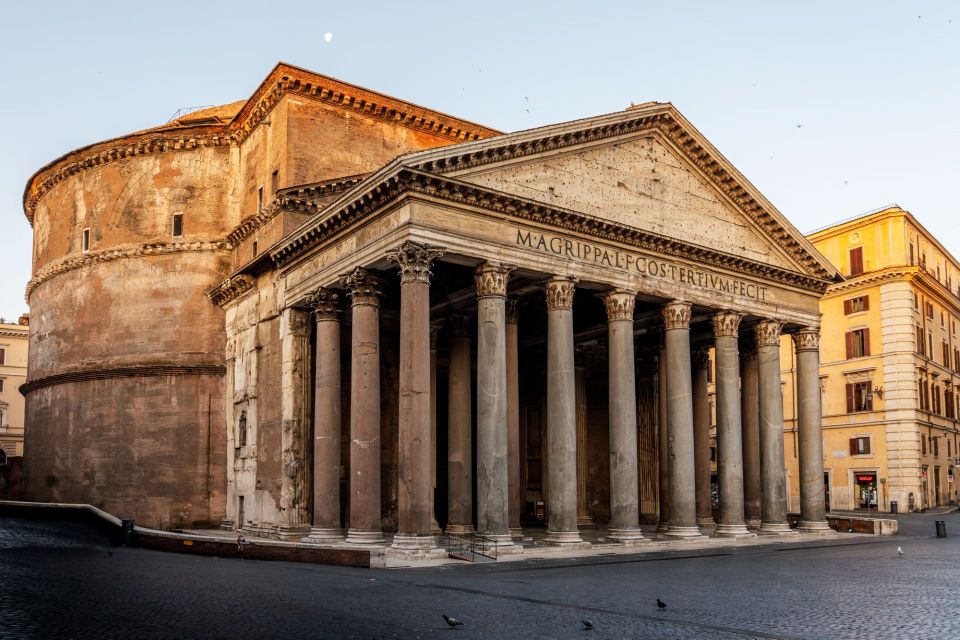
After the Stadium visit, you shift from “site ticket” mode to “city walk” mode. The Heart of Rome audio guide retraces symbolic sites across Rome, walking through the kind of landmarks that connect the Roman Empire with later Christian testimony.
Instead of random facts, the audio is built around themes:
- martyrs and saints
- spirituality across centuries
- architecture as scenography (how buildings and spaces create a stage for what you see)
What I like is that the audio format fits how most people actually see Rome. You’re looking at streets and squares anyway. With the guide, those views start to feel organized, like you’re following a thread rather than collecting isolated photos.
You’ll need to do one key thing up front: download the Vatican&Rome App. The tour instructions specifically point you to that app, and you’ll use it to listen to the audioguide.
Languages matter: 6-language audio and an Italian/English host
This combo is designed for international travelers. The Heart of Rome audio guide is available in Italian, English, French, Spanish, German, and Portuguese. That’s wide enough to cover most visitors without forcing everyone into one language for the sake of convenience.
There’s also host or greeter support in Italian and English. That’s useful if you need help locating the exact start point or getting your ticket recognized.
One small practical mindset shift: you’re not relying on a live guide to translate or adjust the pace. The audio does the job. So if you’re the type who wants to ask questions constantly, you might miss the flexibility of a traditional guided tour. If you prefer an easy flow with information on demand, it’s a good match.
What the route highlights: Piazza Navona and the “faith + art” angle
The audio doesn’t just label monuments. It leans into what the city’s spaces communicate over time: Roman-era symbolism on one side, and Christian stories, devotion, and sacred art on the other.
One review specifically mentioned that learning how Piazza Navona looked in the Roman-era period added real value. That’s a great example of the kind of payoff you get from a themed audio approach. Instead of only seeing what’s in front of you today, you start understanding how the same space can carry different layers.
You’ll also hear the kind of framing that links architecture to meaning. Even if you’re not an archaeology buff, that style helps you connect what you’re standing in to the bigger story you came to Rome for.
Price and value: is $17 a good deal?
$17 for the full combo (Stadium entry plus two audio components) is the kind of price that makes sense if you’re comfortable with self-guided listening. The cost isn’t just for the ticket—it’s also for the audio experience packaged with it.
Here’s how I judge value for a tour like this:
- If you would otherwise pay separately for entry and then spend extra time searching for context on your own, the audio can justify the price fast.
- If you already know you want a lighter day or a calm add-on after major sights, you’re buying convenience and structure.
The only time the price starts to feel off is if something doesn’t work—like missing audio access. One person reported the Stadium itself was great but they didn’t receive the Rome audio component, which made the ticket feel less worthwhile. That’s why it’s smart to test your audio right after you start, not at the end.
Also, if you’re considering added experiences, note that at least one review referenced a VR add-on available for about 5€ extra. If VR is your thing, that could be a nice upgrade. If it’s not, you’re still getting the guided themes through your own headphones.





Practicalities: meeting point, what to bring, and what’s not allowed
You’ll meet at Stadio di Domiziano on Via di Tor Sanguigna. If you want this to feel painless, I’d treat that meeting point like a real appointment: arrive with enough time to get your ticket loaded and your audio ready.
What to bring is simple and important:
- comfortable shoes
- headphones
- a charged smartphone
Not allowed items are also listed, including food and drinks, and baby carriages. If you’re traveling with kids or you were planning on snacking during the walk, you’ll need to adjust.
On top of that, this experience isn’t suitable for everyone. It’s not recommended for people with mobility impairments, wheelchair users, or claustrophobia. That’s the kind of detail that can’t be “figured out later,” so check your comfort level honestly before booking.
Timing and pacing: one day, but not a long day
The tour is sold as a 1-day experience, and you’ll see starting times based on availability. That structure matters because you can pair this with other Roman highlights without locking yourself into an all-day guided schedule.
At the Stadium, the audio-first format encourages you to slow down. Then, as you transition to the Heart of Rome walk, you’re moving through the city with audio context. The walking part is best if you don’t need a constant visual guide in someone’s hand. You’ll do more “watch and listen” and less “photo-stop management.”
One more pacing note from the review patterns: at least one visitor arrived early and found no line. If you’re the early type, you might get a smoother start. If you’re not, don’t panic—you still have reservations designed to reduce friction.
Small group energy: why 10 people changes the experience
Rome can feel like a big machine. This setup feels closer to a human scale. Limiting the group to 10 people helps your headspace when you’re listening through headphones. You’re less likely to feel pushed through.
It also helps with how audio walks usually work. When groups are too large, the leader’s pace and the audio pace fight each other. A smaller group makes it easier to keep your rhythm—pause, listen, look, move.
That doesn’t mean you’ll have total privacy. You’ll still be in public spaces. But it does mean you’re less likely to feel swallowed by the crowd.
Should you book the Rome Stadium of Domitian + Heart of Rome audio?
Book it if:
- you want reserved entry and a low-stress start
- you like learning as you walk, using a multi-language audio guide
- you’re comfortable handling audio yourself (app downloaded, headphones ready)
- you want a smaller-group add-on day that doesn’t feel like a marathon
Skip or reconsider if:
- you need a live guide to answer questions
- you can’t deal with an audio-first format
- you have mobility concerns or claustrophobia risk
- you’re likely to show up without charging your smartphone or verifying audio access
One last practical call: give yourself a moment at the beginning to confirm your audio is working. The tour is designed for phone-based listening, and a quick check saves time and frustration later. If it’s functioning, this combo is a smart way to connect the Stadium visit with a thoughtful look at the city’s spiritual and artistic layers.
If you want, tell me your travel dates and language preference, and I can suggest a best-fit time-of-day plan (morning calm vs. afternoon energy) using this tour’s 1-day, starting-time setup.
FAQ
What’s included in the Stadium of Domitian and Heart of Rome combo?
You get the Stadium of Domitian entry fee, the Stadium of Domitian audio guide, and the Heart of Rome audio guide. A live guide is not included.
Where do I meet for the tour?
Meet at Stadio di Domiziano on Via di Tor Sanguigna.
How do I use my ticket?
You show your ticket on your smartphone.
Do I need headphones?
Yes. The tour instructions list headphones as what to bring for the audio guide.
What app do I need for the audio guide?
To listen, you need to download the Vatican&Rome App from the App Store or Play Store.
How many people are in the group?
The group is limited to 10 participants.
Is there audio in my language?
The Heart of Rome audio guide is available in Italian, English, French, Spanish, German, and Portuguese. The host/greeter is listed for Italian and English.