REVIEW · ROME
Rome: Saint Paul Outside the Walls Tour
Book on GetYourGuide →Operated by Mykhailo Hevko · Bookable on GetYourGuide
A doorway into Saint Paul’s Rome magic. This San Paolo Fuori le Mura tour is a focused walk through one of Rome’s four major Papal Basilicas, with special Holy Door access during the Jubilee Year and standout golden mosaics once you step inside. I love how the guide connects art to what it meant to believers, and I really enjoy the calm, spacious feel of the basilica compared with Rome’s usual rush. One possible drawback: the core tour runs about 0.5 to 1 hour, so if you like to linger, you may feel the pace unless you add the optional cloister visit.
With a small group (limited to 6) and a live guide named Mykhailo Hevko, you get room for questions and slower, clearer explanations. The meeting point is easy: Parco Schuster park near the basilica, and you’ll get instructions on recognizing him. Just plan your outfit in advance—shoulders and knees must be covered for this sacred stop.
In This Review
- Key highlights that make this tour worth your time
- Saint Paul Outside the Walls: what you’re really stepping into
- Meeting at Parco Schuster: quick logistics, low stress
- Entering the Jubilee Holy Door: the moment that changes the visit
- Inside the basilica: what to look for (and why)
- The golden mosaics you’ll notice first
- The triumphal arch: the structure that directs your focus
- Papal medallions: a timeline of Rome’s church leadership
- The main altar area: where prayer meets history
- Cloister and Benedictine Abbey: optional, quieter, and worth considering
- The guide matters: Mykhailo Hevko and a Q&A-friendly pace
- Practical stuff you should know before you go
- Dress code: shoulders and knees covered
- What not to bring
- Language options
- Value check: is $28.47 a fair deal for 1 hour?
- Who should book this tour (and who might skip it)
- Should you book Saint Paul Outside the Walls?
- FAQ
- What is the duration of the Saint Paul Outside the Walls tour?
- Is the cloister visit included?
- What languages are available for the guided tour?
- Where do I meet the guide?
- What should I wear?
- Is the tour wheelchair accessible?
Key highlights that make this tour worth your time
- Jubilee Holy Door entry gives you a rare, ceremonial way to enter the basilica
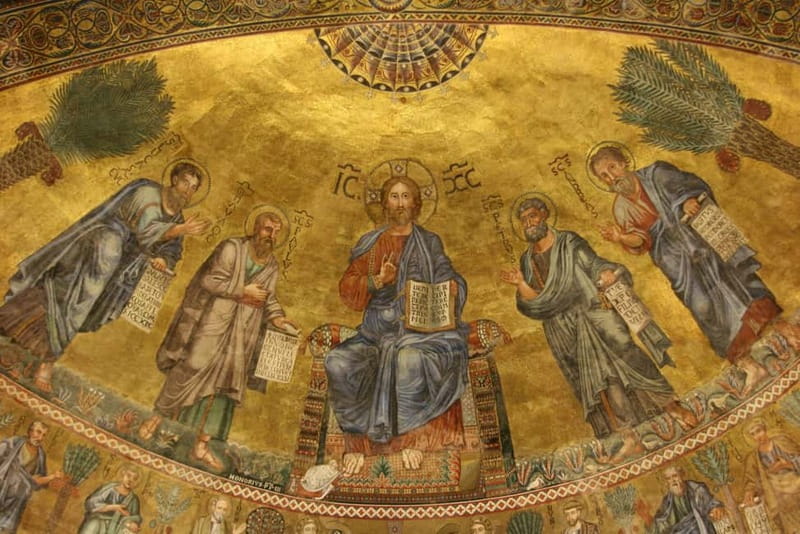
- Golden mosaics and the triumphal arch set the tone fast, with visual power you can actually appreciate
- Tomb of Saint Paul under the main altar turns history into a place to pray and reflect
- Papal medallions from Saint Peter to today help you “read” the church across time
- Optional cloister visit adds a quieter medieval art break for a small add-on fee
Saint Paul Outside the Walls: what you’re really stepping into
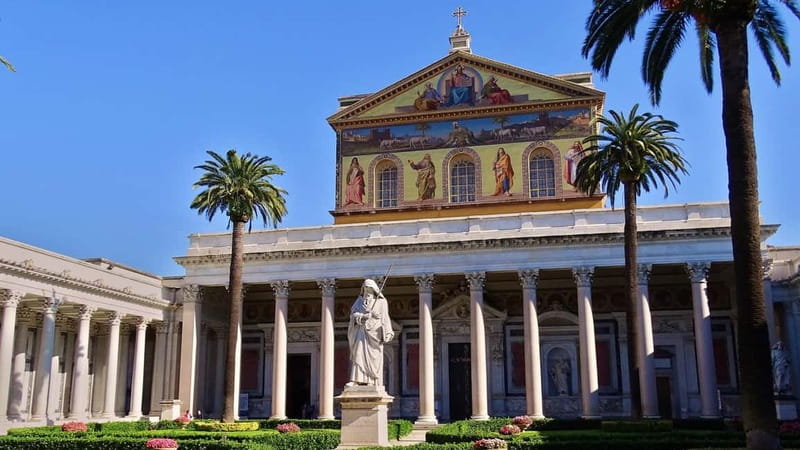
San Paolo Fuori le Mura sits in Rome with a quiet confidence. It’s not trying to outshine the Colosseum. Instead, it invites you to slow down and look closely. That’s exactly why I like doing it with a guide: you notice more, and the place stops being just impressive scenery.
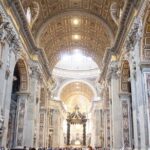
This tour takes you to San Paolo Fuori le Mura, built over the burial site of Saint Paul the Apostle and later magnificently rebuilt after a devastating fire in the 19th century. That rebuilding detail matters. It explains why the basilica feels both monumental and carefully designed, not like a random collection of older parts.
You’ll also enter through the Holy Doors of the Jubilee, which makes this more than a standard church visit. Jubilee Holy Doors are about grace and renewal, so the entry itself carries meaning before you even reach the mosaics and altars.
You can also read our reviews of more tours and experiences in Rome.



Meeting at Parco Schuster: quick logistics, low stress
Your tour starts at Parco Schuster park near the basilica. You’ll want to arrive 10 to 15 minutes early so you’re not rushing when you spot the group. The organizer mentions you’ll receive instructions on how to find and recognize the guide—use that instead of trying to guess based on appearances.
This matters because the basilica area can feel like a web of streets and approach routes. A clear meeting point saves time, and time matters because the tour duration is short enough that you don’t want to lose even 10 minutes.
Small group also helps here. With only up to 6 participants, the guide can keep everyone together without constant regrouping.
Entering the Jubilee Holy Door: the moment that changes the visit
One of the best parts is simply walking through the Holy Door during the Jubilee Year. The tour focuses on why this door matters, not just where it is. You’ll learn that the Jubilee Holy Door is a powerful symbol—connected to grace and renewal—and you’ll feel that symbolism as you move from the outside world into the basilica’s calm interior.
For practical reasons, don’t treat this as a casual photo stop. Think of it as a ceremony. That mindset helps you appreciate the architecture and the art that follow.
Also, plan your body language. This is a sacred site visit. You’re being asked to dress appropriately, and that same respect should show up in how you enter, pause, and listen.
Inside the basilica: what to look for (and why)
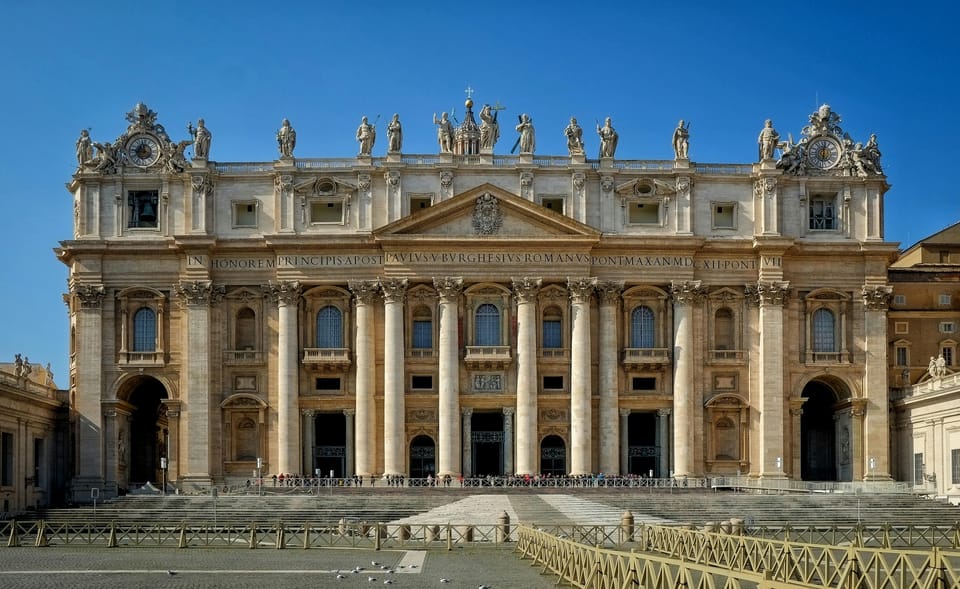
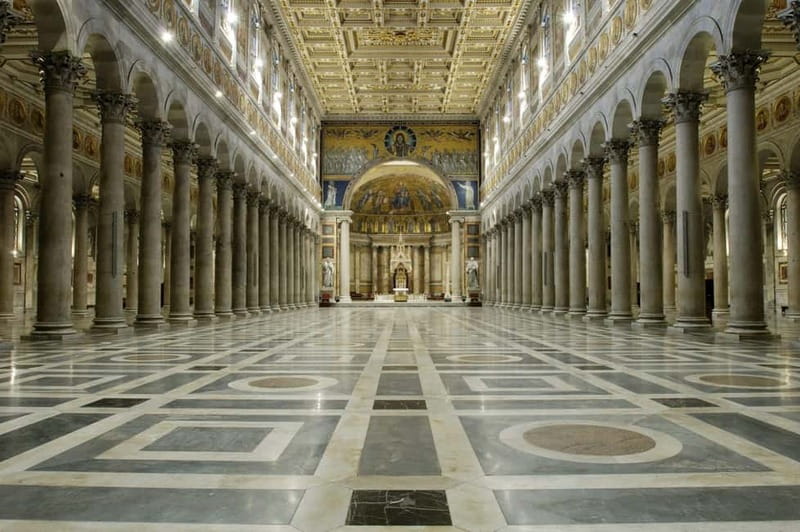
Once you’re inside, the guide steers your attention to the big visual statements—so you know what you’re looking at.
The golden mosaics you’ll notice first
The basilica is known for luminous golden mosaics, and they’re the kind of feature you can’t really “accidentally” miss. The guide’s job is to help you read them—what they represent, and how they connect to the spiritual life of the church.
I like this approach because mosaics can feel decorative if nobody explains the purpose. With a guide, you start seeing them as storytelling across belief, art, and community memory.




The triumphal arch: the structure that directs your focus
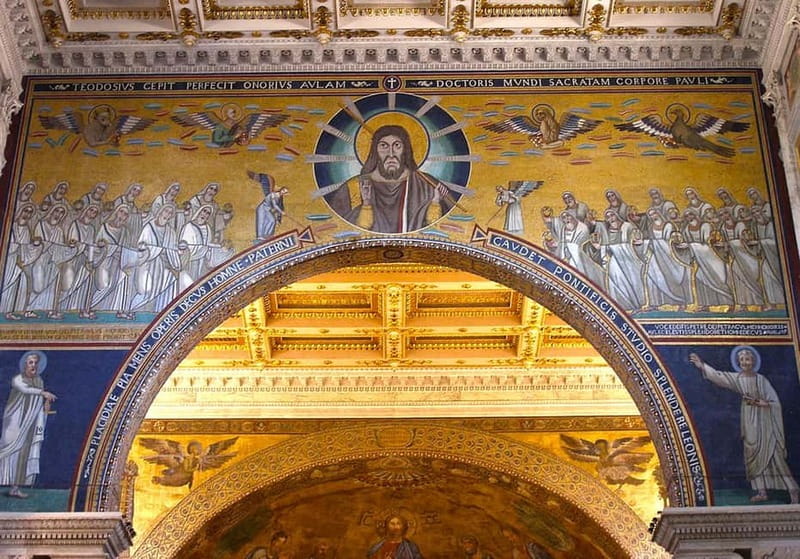
You’ll also look at the imposing triumphal arch. In churches like this, arches aren’t just impressive shapes. They frame attention, guiding your sightline toward what the basilica wants you to contemplate.
The tour keeps this practical: you won’t just stand under it and guess. You’ll understand why it’s positioned where it is and what it communicates.
Papal medallions: a timeline of Rome’s church leadership
One of the most specific details you’ll encounter is a long line of medallions depicting Popes from Saint Peter to the present day. That list turns the basilica into a kind of visual timeline.
For you, that means less confusion and more “aha.” You can connect names and eras to the idea of continuity—how one community keeps shaping its spiritual center over centuries.
The main altar area: where prayer meets history
The tour takes you to the tomb of Saint Paul beneath the main altar. The basilica makes the connection obvious: Saint Paul’s resting place becomes the heart of the visit.
Pilgrims come here to pray and reflect, and the guided portion helps you approach this area with the right attitude. You’re not being pushed into a performance. You’re being invited to pause and consider what it means when a site is both historical and devotional.
Even if you’re not religious in the day-to-day sense, there’s something human about it. People aren’t just looking; they’re gathering their thoughts. That’s the kind of atmosphere I value in Rome—less “checklist sightseeing,” more meaningful presence.
Cloister and Benedictine Abbey: optional, quieter, and worth considering
The core tour includes the guided visit inside the basilica. A visit to the cloister (and the Benedictine Abbey) is optional, with an additional entrance fee of 4€.
If you choose to add it, you’ll get a peaceful oasis of medieval art. This is a nice balance to the main church experience. The basilica is broad, luminous, and ceremonial. The cloister tends to feel like a breath between chapters—still artful, but slower and more contemplative.
The only thing to keep in mind is time. The duration can run from about 0.5 to 1 hour, and it may get longer with the cloister addition. If you’ve got another appointment nearby, decide early whether you want that extra quiet.
The guide matters: Mykhailo Hevko and a Q&A-friendly pace
The experience is led by Mykhailo Hevko, and the focus stays on clear explanations, not a lecture voice that washes over you.
In particular, people emphasize that he’s strong at connecting artistic and religious context—so you don’t just learn facts, you learn meaning. You’ll also get welcome energy for questions. That matters a lot in a place like this, because you might see a mosaic and wonder what it’s showing. The guide can help you interpret what you’re seeing right then.
There’s also mention of special consideration for mobility needs. That doesn’t mean the tour is custom-built for everyone, but it does tell you the guide is paying attention to individual situations instead of treating the group like one uniform shape.
Practical stuff you should know before you go
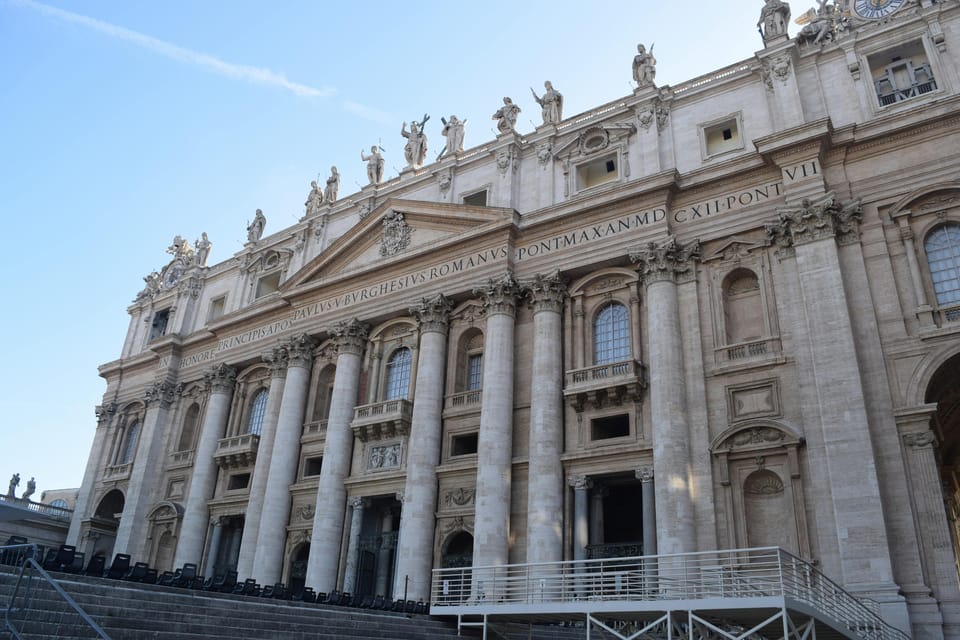
This is the kind of tour where preparation makes the experience smoother.
Dress code: shoulders and knees covered
You’ll need to cover shoulders and knees. That affects what you wear in Rome heat and also what you pack. If you’re coming straight from sightseeing, consider bringing a light layer you can use quickly.
What not to bring
The tour doesn’t allow weapons or sharp objects. You also shouldn’t bring alcohol or drugs. Glass objects aren’t allowed either. These rules are about keeping the church space respectful and safe—so keep your bag simple.
Language options
You can join in English, Italian, or Ukrainian. If you’re choosing between languages, pick what lets you ask questions comfortably. The small group size makes your language choice feel more important.
Value check: is $28.47 a fair deal for 1 hour?
$28.47 might sound like “just a church tour” at first glance, but the value is better than that.
You’re paying for:
- entry through the Jubilee Holy Door (a special ceremonial factor)
- a live guide experience in multiple languages
- a tight, structured route inside one of Rome’s major Papal Basilicas
- time spent learning how to interpret art like mosaics, the triumphal arch, and papal medallions
Also, the group limit (up to 6) is a real quality lever. In a small group, you usually get more interaction and less waiting around.
The only additional cost to consider is the optional cloister/Benedictine Abbey entrance fee of 4€. If you’re someone who likes quieter spaces and medieval art, that add-on can be a smart use of time.
Who should book this tour (and who might skip it)
This fits best if you:
- want a guided, structured church visit instead of wandering
- enjoy art and want help understanding what you’re seeing
- like spiritual sites where the atmosphere is part of the experience
- appreciate small groups and Q&A time
You might consider skipping or choosing another option if you:
- need long, unhurried time in a place (because the core duration is about 0.5 to 1 hour)
- don’t want to follow a dress code for sacred spaces
Should you book Saint Paul Outside the Walls?
Yes, if you’re in Rome and want a more meaningful church experience than “look and move on.” The Jubilee Holy Door entry adds a rare ceremonial moment, and the guide’s focus on art and spiritual meaning helps you understand the basilica instead of just passing through it.
If you’re tight on time, do the main basilica portion and skip the cloister. If you have breathing room and you like medieval detail, the optional cloister/Benedine Abbey add-on is a good way to extend the calm.
In short: this is a high-payoff visit—quiet, organized, and respectful—without the stress of big tour groups.
FAQ
What is the duration of the Saint Paul Outside the Walls tour?
The tour duration is listed as about 0.5 to 1 hour, and it may run longer if you choose to add the cloister visit.
Is the cloister visit included?
The main guided tour is included. The cloister and Benedictine Abbey visit has an additional entrance fee of 4€.
What languages are available for the guided tour?
The tour is available in English, Italian, and Ukrainian.
Where do I meet the guide?
Meet at Parco Schuster park near the basilica. You’ll be asked to arrive about 10 to 15 minutes early, and you’ll receive instructions on how to find and recognize the guide.
What should I wear?
Dress appropriately for a sacred place. Your shoulders and knees must be covered.
Is the tour wheelchair accessible?
Yes, the tour is wheelchair accessible.