REVIEW · ROME
Rome Private Food Tour with 6 or 10 Tastings
Book on Viator →Operated by Withlocals · Bookable on Viator
Your Rome dinner starts with a market square. This private food tour strings together a few of the city’s most famous neighborhoods while a local foodie fills the gaps with dish stories and street-level Rome context. I love the built-in chance to try classic buffalo mozzarella and gelato, and I also like how you choose between 6 or 10 tastings for the pace and appetite you want.
The main thing to consider is that this is a walking tasting route, not a sit-down feast. If you want big portions or lots of alcohol, the experience may feel lighter than you hope, and the exact balance can depend on your guide’s style.
In This Review
- Quick hits: what makes this Rome food tour worth your time
- Campo de’ Fiori start: meet the city where the market lives
- Ponte Sisto tasting walk: where the guide’s pick list matters
- Trastevere classics: buffalo mozzarella and gelato, done the Roman way
- 6 vs 10 tastings: how to choose based on hunger, not hype
- Guide quality: the biggest variable, and also the best part
- What you actually eat: classic Roman targets, plus variety
- Walking logistics: plan for 3 hours on Rome’s surfaces
- Value and price: what $140.28 buys you in the real world
- When to book and who should do it
- Should you book this Rome private food tour?
- FAQ
- FAQ
- How long is the Rome private food tour?
- Is this tour private or group-based?
- What tasting options are available?
- What language is the tour offered in?
- Where does the tour start?
- Is hotel pickup included?
- Are vegetarian options available?
- Do I need to pay admission fees at the stops?
- Is the experience environmentally focused?
- What is the cancellation policy?
Quick hits: what makes this Rome food tour worth your time
- Choose 6 or 10 tastings at booking, so you can match the tour to your hunger
- Private one-on-one guiding, with a local foodie who can tailor the walk
- Stops that connect food to place, from Campo de’ Fiori to Trastevere
- Classic Roman targets like buffalo mozzarella and authentic Italian gelato
- Comfort-food variety, including savory bites and a final espresso stop in many routes
- A sustainable, carbon-neutral approach flagged as B-Corp
Campo de’ Fiori start: meet the city where the market lives
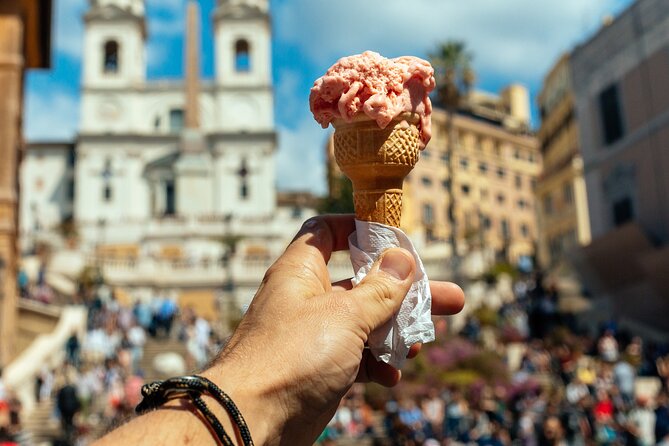
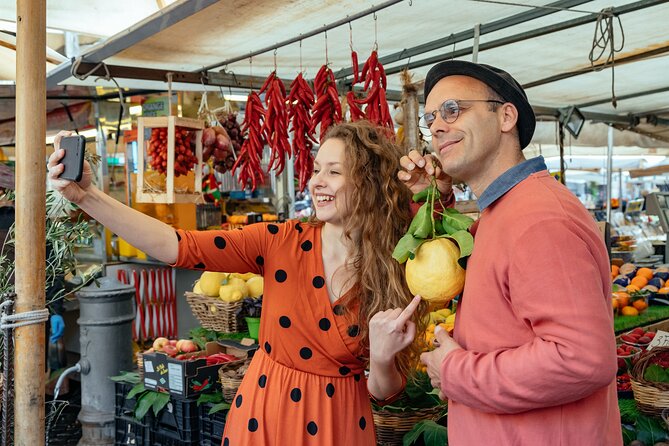
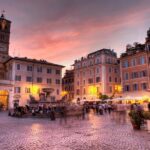
The tour kicks off in Campo de’ Fiori, one of those Rome squares that feels like it has always been there. You meet near the Giordano Bruno statue, then you get that quick sense of the place: even the name has a simple literal meaning tied to flowers, but the day-to-day vibe is pure market energy.
This first stop is a smart setup because it’s not “food first, explanation later.” Instead, you get a small dose of how Rome’s public squares work, then you start tasting in that same spirit. If you’re the type who likes to understand why people eat somewhere, this gives you a fast runway.
A small practical tip: wear comfy shoes. Campo de’ Fiori is walkable, but it’s still Rome. Cobblestones are the real boss fight.
You can also read our reviews of more food & drink experiences in Rome
Ponte Sisto tasting walk: where the guide’s pick list matters
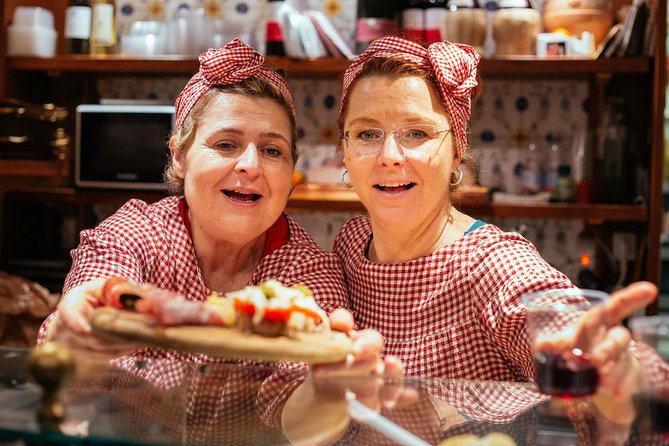
Ponte Sisto is the second stop, and this is where the tour’s “food tour” identity really shows up. The experience is built around multiple tastings chosen by your local host, and the structure is designed to feel like a plan—not random snack hopping.
When you book the 10-tasting option, expect a longer run of bites here. The point is variety: you’re moving from one flavor mode to the next without feeling like you’re stuck with one theme. In past versions of this tour style, people have sampled things like unique Roman pizza, fried stuffed olives, fried artichokes, and various small pastries, plus gelato and espresso later on in the route.
Is it perfect for everyone? Not always. One of the most consistent “make or break” themes from guide-led food tours is pacing and portion expectations. If your guide leans toward many small bites and fewer larger items, the tour can still be delicious, but it may not feel like a full meal.
Trastevere classics: buffalo mozzarella and gelato, done the Roman way
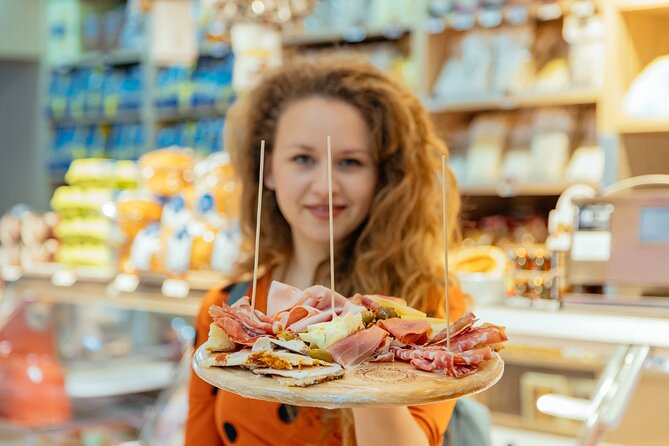
No Rome food tour feels complete without Trastevere, and this one places it as the final tasting anchor. Here you’re not just sampling food—you’re sampling Roman comfort classics, including buffalo mozzarella and authentic Italian gelato.
This stop works for two reasons. First, mozzarella and gelato are easy wins in terms of quality and local identity. Second, Trastevere gives you a “Rome in motion” walk after the earlier market-and-bridge sections, so the tour doesn’t feel like a straight line.
You may also notice that some guides add extra local sights on the way. In similar private tours, people have mentioned detours to landmarks like churches or big story spots when the route allows. The private format helps here: if you have a question or you’re curious about something you see, your guide can often steer the walk.
Food-wise, this is where you should slow down mentally. Take the time to taste, not just collect bites. Gelato in particular is best when you actually pause.
6 vs 10 tastings: how to choose based on hunger, not hype
The booking choice is simple: you pick a 6-tasting or 10-tasting option. The practical choice is not which option sounds fancier; it’s how you want your day to feel afterward.
For many people, 6 tastings is the sweet spot for a half-day activity. It’s enough to feel like a real food experience, and it leaves room for dinner plans later. If you’re also doing other major sights (Colosseum, Vatican area, old churches), 6 gives you variety without stealing your whole evening.
The 10-tasting option is better if you want to snack your way through Rome’s “greatest hits.” You’ll likely get more stops and more total variety, which can be a win on a first trip when you want more coverage. One downside: if the tastings are small and spread out, the tour can still leave you thinking you ate well but didn’t “feel full.” That’s not a bad sign; it’s just the nature of a tasting format.
If you’re unsure, choose based on dinner timing. If you plan an early dinner, go with 6. If you want a later, lighter dinner—or you don’t mind paying for one more thing afterward—go with 10.
Guide quality: the biggest variable, and also the best part
A private tour lives and dies by the guide, and this one gives your guide a lot of power. That’s why the best reviews you’ll see for this experience tend to describe one common theme: the guide makes the walk feel personal.
In examples from this tour’s guide roster, names like Emanuelle, Frederica, Roberto, Paola, Simone, Romain, Matteo, Vanna, Gabriele, Tina, and Daniele have shown up, and the praise often hits the same notes. People liked guides who combine food with neighborhood context, and who keep the pace relaxed rather than rushed.
Flexibility is another big strength. One highlight-style story included a route change for someone interested in seeing the old Jewish ghetto area. Another described a pregnant guest who needed breaks, with the guide working around it. That’s exactly the kind of benefit you’re paying for with a private format.
The caution: communication matters. A few unhappy experiences point to language gaps or planning issues that can turn a food tour into a confusing walk. You can’t control that 100%, but you can reduce the risk by booking the option that best matches your preferences and being clear about dietary needs ahead of time.
You can also read our reviews of more tours and experiences in Rome


What you actually eat: classic Roman targets, plus variety
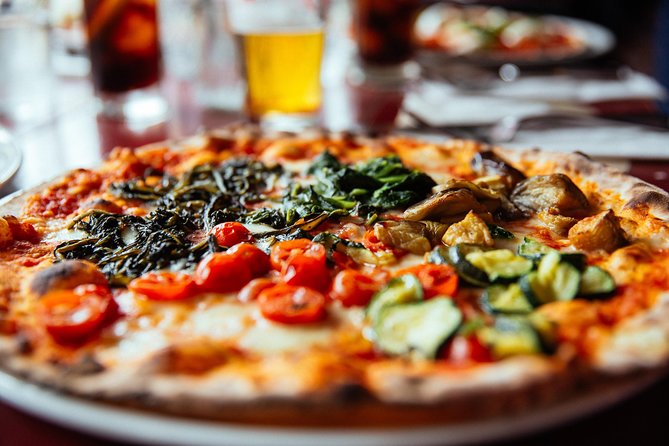
This tour is built around specific Roman dishes, and the list you should expect includes at least some version of the classics mentioned in the tour description. Buffalo mozzarella and Italian gelato are explicit, and those two alone are enough to anchor the experience.
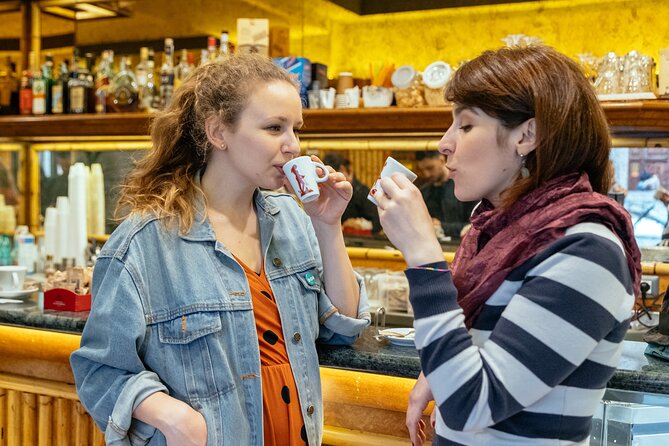
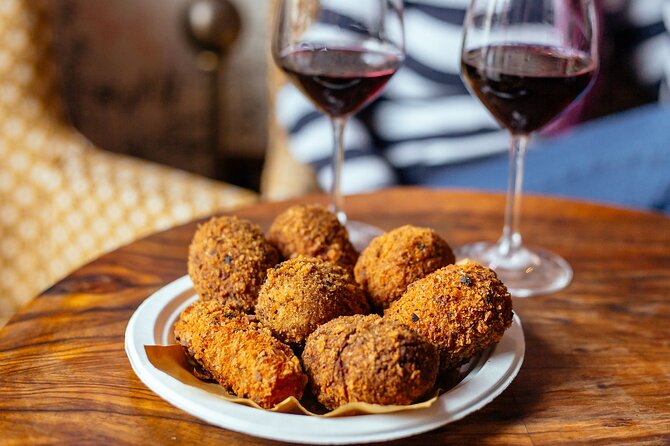
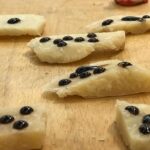
Beyond those anchor items, you might find a mix of savory and sweet bites. In examples of guides’ route choices, people have mentioned Roman pizza, supplì (fried rice balls), fried stuffed olives, fried artichokes, pastries, and a final espresso stop. That kind of spread matters because it helps you understand Rome’s food logic: one bite is a comfort food, the next is a snack you’d grab while walking, and then you end with caffeine to keep the day rolling.
If you’re vegetarian, you’re covered. Vegetarian alternatives are included, but you should message your host about dietary requirements. Don’t wait until you’re standing on the street.
Walking logistics: plan for 3 hours on Rome’s surfaces
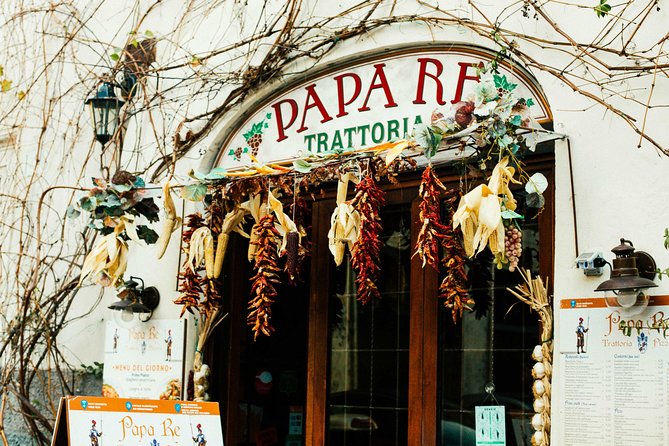
The duration is about 3 hours. That’s long enough to cover several neighborhoods and enough time for multiple tastings without feeling like a sprint.
But you are walking between stops. One reason this tour works is that the route is designed to be “walk and learn,” not “sit and taste.” So your comfort matters. Wear shoes you trust on uneven ground, and bring a water plan if you tend to get thirsty.
Also, come hungry. Even if tastings are small, the point is to leave satisfied and ready to continue your day.
Value and price: what $140.28 buys you in the real world
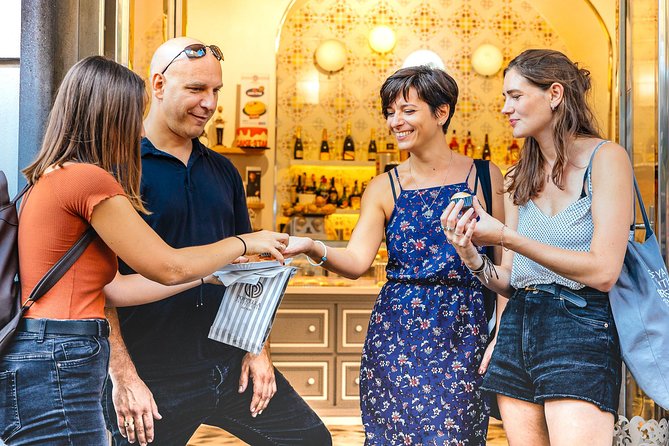
The price is $140.28 per person, and that sounds like a lot until you break down what you’re actually getting. You’re paying for a private guide for about 3 hours, plus 6 or 10 tastings using local products.
Then there’s the extra layer: the tour is described as a sustainable, carbon-neutral experience and flagged as B-Corp. That doesn’t replace good food, but it signals a host who thinks about impact, not just profit.
Value depends on your expectations. If you treat this as a snack tour with neighborhood context, it often lands well. If you expect a heavy restaurant-style meal or a big wine program, you might feel surprised—especially if you’re the type who wants lots of alcoholic pours.
One useful way to decide is to do a mental “cost per tasting.” Even without exact portion weights, the 10-tasting option gives you more bites for the same general tour concept, so it’s usually the better deal if you’re truly hungry.
When to book and who should do it
This is a strong fit for first-time visitors who want a guided way to understand Roman food without spending the entire day searching menus. It’s also great for food lovers who like learning what to order, where to get it, and why that dish matters in that specific neighborhood.
If you’re traveling as a couple, the private format can feel especially good because you’re not stuck waiting on a big group. And if you have a sensitive schedule or dietary needs, private guiding is the easiest way to get adjustments.
If you hate walking, don’t pretend you’re fine. This tour is built around movement, and the tastings are part of that walking rhythm.
Should you book this Rome private food tour?
If you want a relaxed, private food walk with classic Roman tastings—especially buffalo mozzarella and gelato—this tour is a solid choice. The best version of the experience is when your guide connects the dots between dish and place, and keeps the pace easy.
I’d skip it if your top goal is a sit-down meal with lots of alcohol or if you’re extremely sensitive to portion size. Also, if language is a concern for you, consider asking about guide language support when you book and be ready to communicate clearly about dietary needs.
Otherwise, book it and come hungry. This is one of those Rome activities where you’ll remember the flavors and the streets together, not just a list of dishes.
FAQ
FAQ
How long is the Rome private food tour?
It runs about 3 hours.
Is this tour private or group-based?
It’s a private tour. Only you and your local guide participate.
What tasting options are available?
You can choose a tour with either 6 or 10 food and drink tastings at the time of booking.
What language is the tour offered in?
It’s offered in English.
Where does the tour start?
The first stop is Campo de’ Fiori, and you meet your local guide at the Giordano Bruno statue.
Is hotel pickup included?
No. Hotel pickup and drop-off are not included.
Are vegetarian options available?
Yes. Vegetarian alternatives are included, and you should message your host with your dietary requirements.
Do I need to pay admission fees at the stops?
Admission tickets listed for the stops are free.
Is the experience environmentally focused?
Yes. It’s described as a sustainable carbon neutral experience (B-Corp).
What is the cancellation policy?
You can cancel for a full refund up to 24 hours in advance. If you cancel less than 24 hours before the start time, there’s no refund.