REVIEW · ROME
Rome: Gelato Masterclass with Live Chief and Tastings
Book on GetYourGuide →Operated by Do Eat Better Experience · Bookable on GetYourGuide
Making gelato in Rome beats a basic scoop.
I like how this small-group class (up to 6) stays hands-on, with measuring and doing the steps yourself. I also love the tastings, especially the structured way you sample fiordilatte, stracciatella, and fruit ice cream instead of just eating whatever shows up. One thing to keep in mind: a few people felt the price is high for a 1-hour experience, even though the chef is fun and the gelato is genuinely good.
This is a workshop-style hour with a live chief/chef, step-by-step instructions, and a quick education on quality ingredients. You also get practical pointers for spotting good gelato on your trip, which is the part that keeps paying off after the class ends.
In This Review
- Key Points at a Glance
- Why This Rome Gelato Masterclass Feels Different From a Typical Tasting
- Finding the Class at Verde Pistacchio (And What to Look For)
- The Step-by-Step Gelato Workshop: What You’ll Actually Do
- Fiordilatte: The Simple Base That Explains Everything
- Stracciatella: Creamy Meets Crunchy Chocolate
- Fruit Ice Cream: Fresh Pieces, Same Base Logic
- Hands-On Measuring and the Science of Texture
- After the Workshop: Taste Your Own Gelato, Then Understand It
- Small Group Size (6 People) and Why It Changes Everything
- Price and Value: When a 1-Hour Class Is Worth It
- Who This Class Best Suits (And Who Might Skip It)
- Quick Practical Tips Before You Go
- Should You Book This Rome Gelato Masterclass?
- FAQ
- How long is the Rome gelato masterclass?
- Is the class held in bad weather?
- What’s the group size?
- What languages does the chef/guide speak?
- What gelato flavors are included?
- Do you make gelato during the class or only taste it?
- Where do you meet for the class?
- Are pets allowed?
- What’s the cancellation policy?
Key Points at a Glance
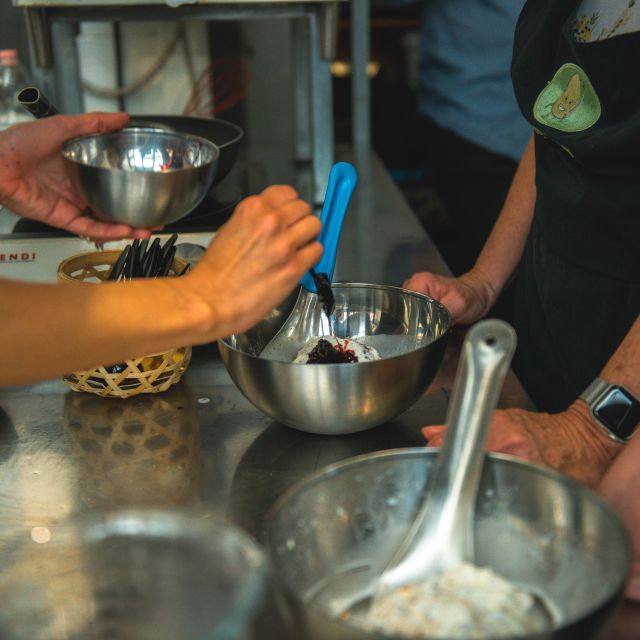
- Small group of 6 means more time for questions and hands-on attention
- Live chef-led lesson teaches how to prepare gelato with easy steps
- Tastings include fiordilatte, stracciatella, and fruit ice cream
- Hands-on measuring and mixing so you learn by doing, not watching
- Ingredient quality tips help you choose better gelato shops later
- Rain-or-shine workshop so you can plan without panic
Why This Rome Gelato Masterclass Feels Different From a Typical Tasting
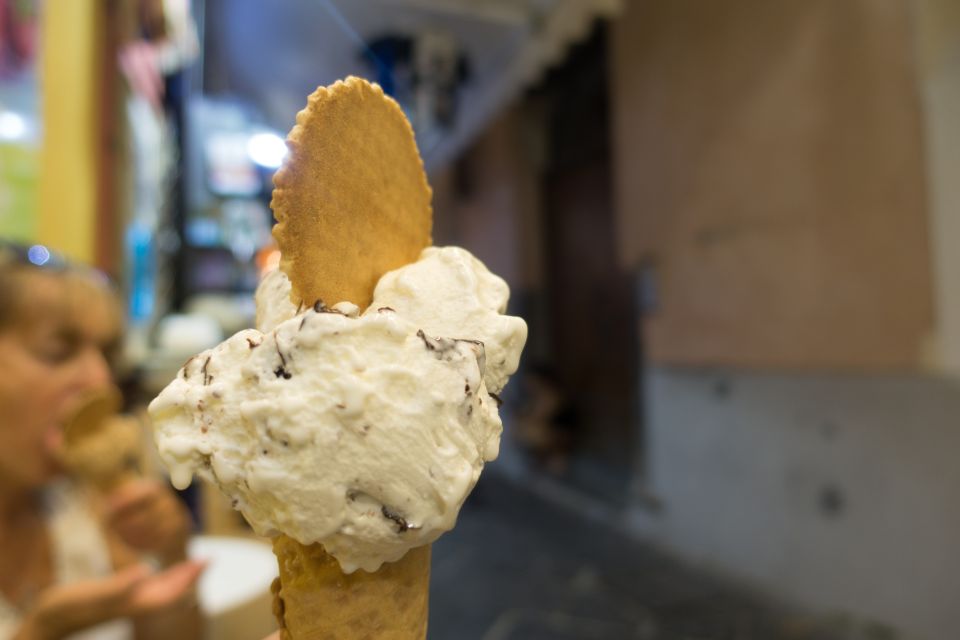
If your Rome food plan is mostly walking, eating, and repeating, this class adds something valuable: technique. You’re not just tasting gelato. You’re learning how gelato gets its texture, how a base changes when you add flavor, and what makes ingredients matter.
The class is also built around the way Italians think about dessert: simple foundations first, then flavor. You start with fiordilatte, then you move into stracciatella (with chocolate pieces), and finally you make a fruit ice cream by building on the same base approach. That structure is great for learning, because your brain can compare flavors in a clean, logical way.
One practical bonus I appreciate: you’re given tools and ingredients, so you’re not hunting for specialty items just to practice at home. And because it’s a short, 1-hour format, it works well when your schedule is packed with museums and ruins.
You can also read our reviews of more tours and experiences in Rome.



Finding the Class at Verde Pistacchio (And What to Look For)
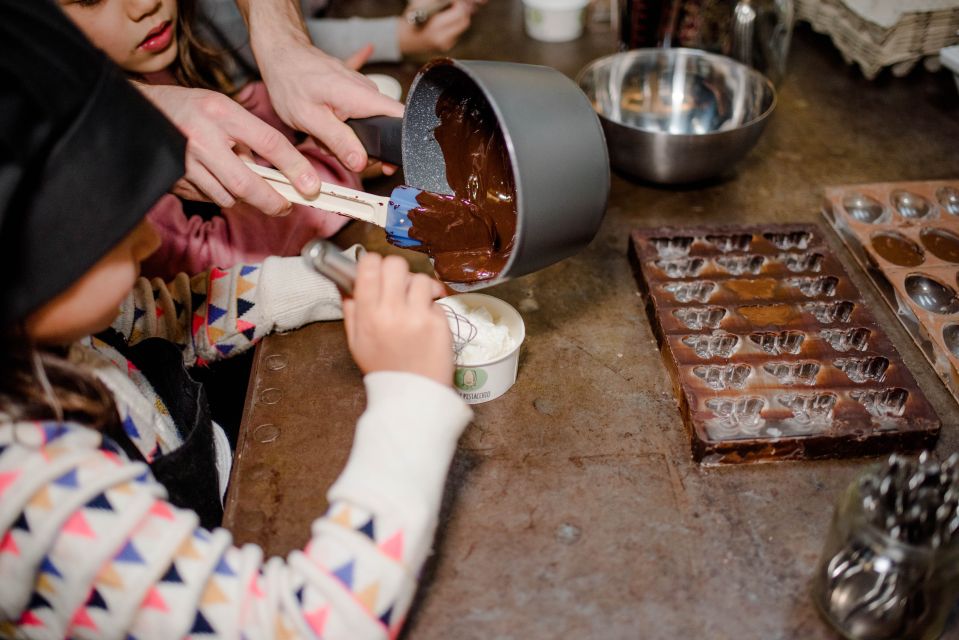
The meeting point is outside Verde Pistacchio, across the road from a church. You can plug in these coordinates if you’re using a map app: 41.901363372802734, 12.493927955627441.
Why that matters: gelato classes often meet in places that are hard to find, especially when you’re already juggling subway stops, walking routes, and gelato cravings. Here, the pin is clear and the landmark is specific.
When you arrive, you’ll meet the chef and get set up for the step-by-step lesson. The class runs rain or shine, so you should bring a normal Rome-ready layer—comfortable shoes, and something light for wet weather.
The Step-by-Step Gelato Workshop: What You’ll Actually Do
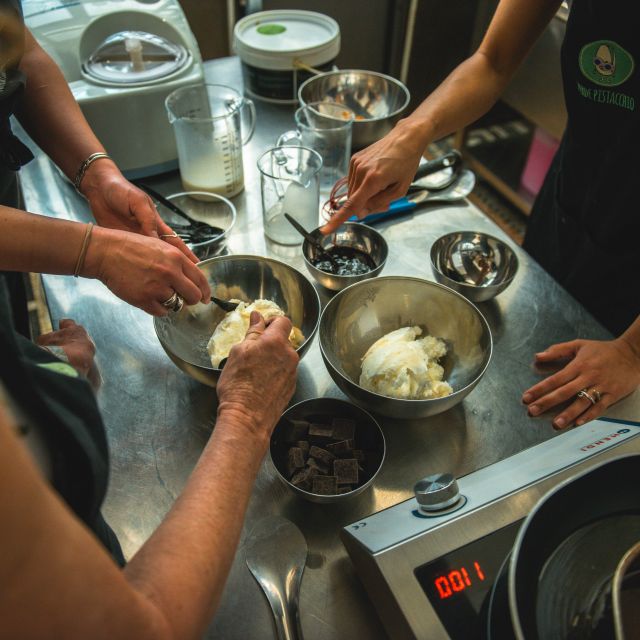
The whole experience is built around a guided lesson. You’ll:
- Learn how to prepare Italian ice cream step-by-step
- Follow instructions on ingredients and process
- Get help choosing better ingredients (so you understand what you’re tasting)
- Finish with tastings, including the flavors outlined below
The hands-on part is a big reason this class earns strong marks. Several people highlight measuring their own gelato, and that hands-on act helps the lesson stick. It’s one thing to hear about sweetness or texture. It’s another to measure and see how the mix behaves when you follow the process.
Also, the class includes a live guide/chef who can speak English and Italian. Even if they use both languages during explanations, the format is practical: you’re doing tasks, tasting results, and asking questions as you go.
Fiordilatte: The Simple Base That Explains Everything
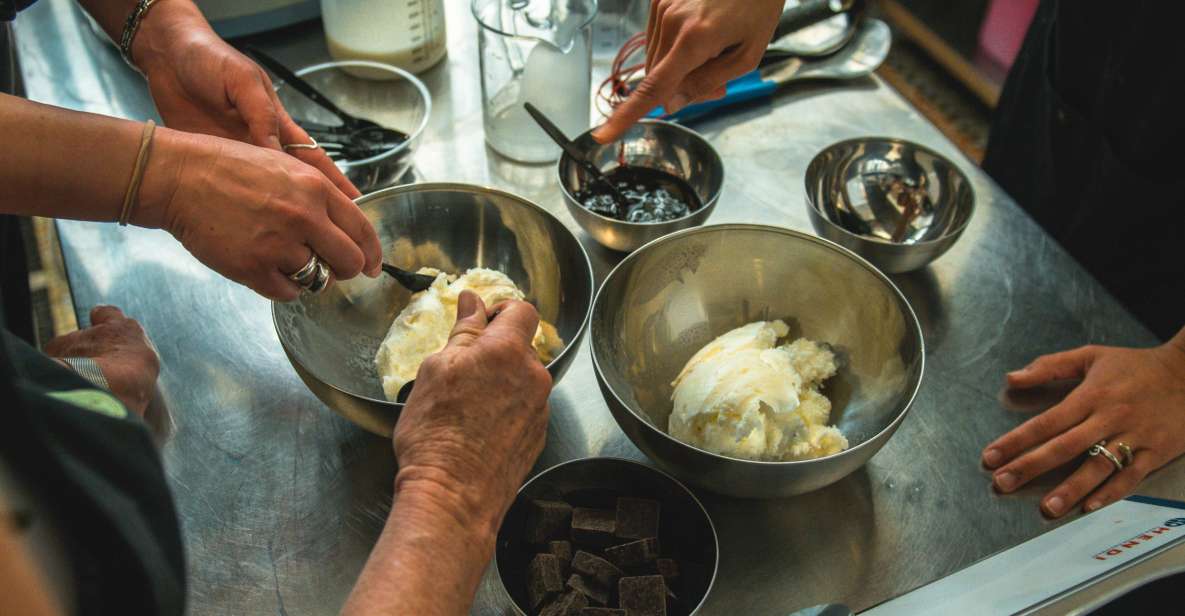
Your first tasting and foundational lesson centers on Fiordilatte. This is a classic approach: it’s built on dairy—sugar, milk, and cream—with a flavor that’s as straightforward as it is important.
Why this base matters: once you understand fiordilatte, it becomes easier to judge everything else you eat in Rome. A lot of lower-quality gelato tastes overly sweet or strangely flat. Fiordilatte helps you train your palate to notice what real dairy richness tastes like and how a clean base supports other add-ins.
In the class, you’re tasting and learning in parallel. That’s the ideal way to learn dessert: you taste the result while you’re still fresh on what the ingredients and method are doing.
Stracciatella: Creamy Meets Crunchy Chocolate
Next up is Stracciatella ice cream. The idea here is a creamy base—made from cream or fiordilatte—plus chocolate pieces.
What makes stracciatella interesting is texture. Creamy gelato can be lovely, but stracciatella adds a second identity: crunch. In class, that contrast is part of the education. You’re not only learning flavor; you’re learning structure—how add-ins change the eating experience.
If you’re the type who always orders the same flavor at gelaterias, this is a chance to broaden your order instincts. You can compare how the class’s chocolate balance feels against the sweetness of the base.






Fruit Ice Cream: Fresh Pieces, Same Base Logic
Then you move to fruit ice cream, which starts from a fiordilatte base and adds fruit pieces. The goal is that fresh, clean taste that many people want when they don’t want dairy to dominate every bite.
This flavor matters because it shows you a different use of the same foundation. Instead of changing the base into something totally new, fruit ice cream keeps the underlying logic and changes what you mix in.
If you’re traveling with kids or someone who doesn’t love very rich flavors, fruit is often the easiest bridge. A couple of the class experiences specifically note that children enjoyed the lesson and the final product, which fits the idea that fruit flavors feel approachable and bright.
Hands-On Measuring and the Science of Texture
One of the most praised parts of the experience is the sense that you’re learning the science behind making gelato. That shows up in two concrete ways you’ll notice during the workshop:
- You do measurements yourself (not just watching)
- You learn why quality ingredients and correct steps affect texture
Even in a short session, those small steps add up. Measuring teaches consistency. Consistency teaches control. And control is what turns gelato from a lucky dessert to a reliable one you can repeat.
You’ll also be guided on how to pick ingredients. That’s not just “use good stuff.” It’s more useful than that. The class aims to show you what you can taste and how to tell the difference when you’re standing in front of a gelato display later.
After the Workshop: Taste Your Own Gelato, Then Understand It
When the workshop is complete, you’ll try what you made. That’s the payoff: you can connect the steps you followed to the flavor and texture in your bowl.
Even more helpful: the class also focuses on how to create your own gelato at home. No, it won’t turn your kitchen into a full Italian gelateria overnight. But it gives you a foundation. And once you have a foundation, you can adjust flavors without guessing.
One reason this matters for Rome travel: your gelato experience doesn’t end when you leave the class. You’ll likely start buying gelato more thoughtfully during the rest of your trip, using what you learned to judge quality.
Small Group Size (6 People) and Why It Changes Everything
This class is limited to 6 participants, and that detail isn’t just a comfort perk. It affects how the hour feels.
In a larger group, you can end up waiting your turn and watching more than participating. Here, the smaller size supports real interaction—asking questions, getting feedback, and following along without losing the thread of the lesson.
This is also a good setup if you’re traveling as a couple. Some people arrive expecting a group experience but find it’s just them, which can make the chef’s attention feel even more personal.
Price and Value: When a 1-Hour Class Is Worth It
Let’s talk value honestly. One review-style sentiment points out that it can feel overpriced for a 1-hour workshop, even if the chef is engaging and the gelato is good.
Here’s how I’d decide if it’s worth it for you:
- If you want a quick bite of gelato, this isn’t the cheapest route. You could simply buy cones and move on.
- If you want technique, tastings, and a chance to practice, the value feels more reasonable. You’re getting a structured base-to-flavor progression (fiordilatte to stracciatella to fruit), plus hands-on measuring and ingredient tips.
- If you’re the kind of traveler who likes learning something practical during a trip, the payoff extends beyond the hour because you’ll understand what to look for at gelaterias afterward.
In short: this class is best for people who treat food as more than a snack. It’s a learning experience, not just a dessert stop.
Who This Class Best Suits (And Who Might Skip It)
I think this works especially well for:
- Couples and small groups who want a guided, social activity
- Food lovers who like learning why something tastes the way it does
- Families, since the workshop format and multiple flavors tend to land well with kids who like to participate
It may be less satisfying if:
- You only want a casual gelato tasting with zero effort
- You’re trying to keep costs extremely tight
- You’re hoping for a long, full-day cooking immersion (this is a focused 1-hour lesson)
Because it’s 1 hour and rain-or-shine, it’s also a smart plan for a Rome day that’s already booked with other sights.
Quick Practical Tips Before You Go
Here’s what helps you get more out of the session without overthinking it:
- Go in with an appetite but don’t show up starving. You’ll taste multiple gelatos.
- Ask questions about ingredient quality while you’re there, not after. That’s when the chef’s explanations make the most sense.
- Wear comfortable shoes. You’ll be on your feet around the meeting spot and shop area before the mixing and tasting.
Should You Book This Rome Gelato Masterclass?
I’d book it if you want a guided food experience that teaches real technique and gives you multiple gelato flavors in a short time. The hands-on measuring, the structured tastings (fiordilatte, stracciatella, fruit), and the emphasis on choosing quality ingredients are the strongest reasons to do it.
I’d pause if you’re purely chasing the cheapest gelato or you hate anything that feels like a lesson. If you’re the kind of traveler who just wants to stroll and eat, a self-guided gelato crawl may satisfy you better.
If you’re on the fence, the tipping point is simple: do you want to learn how to make gelato at home with clear steps, or do you just want a tasty stop? This class leans firmly toward the first option.
FAQ
How long is the Rome gelato masterclass?
It lasts 1 hour.
Is the class held in bad weather?
Yes, it takes place rain or shine.
What’s the group size?
The experience is a small group limited to 6 participants.
What languages does the chef/guide speak?
The guide speaks English and Italian.
What gelato flavors are included?
You’ll taste fiordilatte, stracciatella, and fruit ice cream.
Do you make gelato during the class or only taste it?
You take part in a step-by-step lesson on preparing Italian ice cream, and you’ll try the gelato you made.
Where do you meet for the class?
Meet outside Verde Pistacchio, across the road from the church (41.901363372802734, 12.493927955627441).
Are pets allowed?
No, pets are not allowed.
What’s the cancellation policy?
You can cancel up to 24 hours in advance for a full refund.