REVIEW · ROME
Rome: Food & Wine Tour of Campo de Fiori, Ghetto, Trastevere
Book on GetYourGuide →Operated by Gourmetaly - for food lovers only · Bookable on GetYourGuide
Rome’s best bites start in the open-air market. This food and wine walk links Campo de’ Fiori to the Jewish Ghetto and Trastevere, and it’s all about learning what makes Roman street food and market flavors tick. I love the lineup of classic stops like pizza bianca with mortadella paired with gelato, and I love the practical lessons on what separates top Roman pasta from the rest. One catch: the afternoon option skips the market visit, swapping it for a grocery store plus an aperitif.
The tour runs 2 to 3.5 hours and keeps groups to a maximum of 15, so the guide can actually explain what you’re tasting without you getting herded like mozzarella at peak hour. It’s a walking day, so comfy shoes matter, and you’ll be moving through lively plazas and side streets.
You’ll sample a mix of markets, bakeries, gelaterias, and family-run restaurants, with tastings that go beyond sweets. Just know it’s not suitable for wheelchair users, people with food allergies, or vegans, and you can’t bring luggage or large bags.
In This Review
- Key things you’ll love on this Campo de’ Fiori, Ghetto, Trastevere tour
- Why this Rome food walk hits the sweet spot
- Campo de’ Fiori Market: fruit color, market smells, and pizza bianca
- The food-nerd part: what makes supplì and pasta feel unmistakably Roman
- Jewish Ghetto groceries: fried artichoke, codfish, and local street logic
- Trastevere: where gelato and pasta become a strategy
- Cheese and salumi stop: mozzarella plus Roman salami
- What the guide does for your experience (and why group size matters)
- Timing tip: don’t show up hungry-hungry
- Price and value: what $81 buys in Rome terms
- How much walking is this, really?
- Who should book this tour, and who should skip it
- Should you book? My straight answer
- FAQ
- How long is the tour?
- Is the tour a walking tour?
- What’s the group size?
- What does the tour cost?
- Is the tour in English?
- Does the tour include the Campo de’ Fiori market?
- What foods are included?
- Do I need to eat breakfast before the tour?
- Are hotel pickup and drop-off included?
- Who is this tour not suitable for?
- What should I bring, and what is not allowed?
Key things you’ll love on this Campo de’ Fiori, Ghetto, Trastevere tour
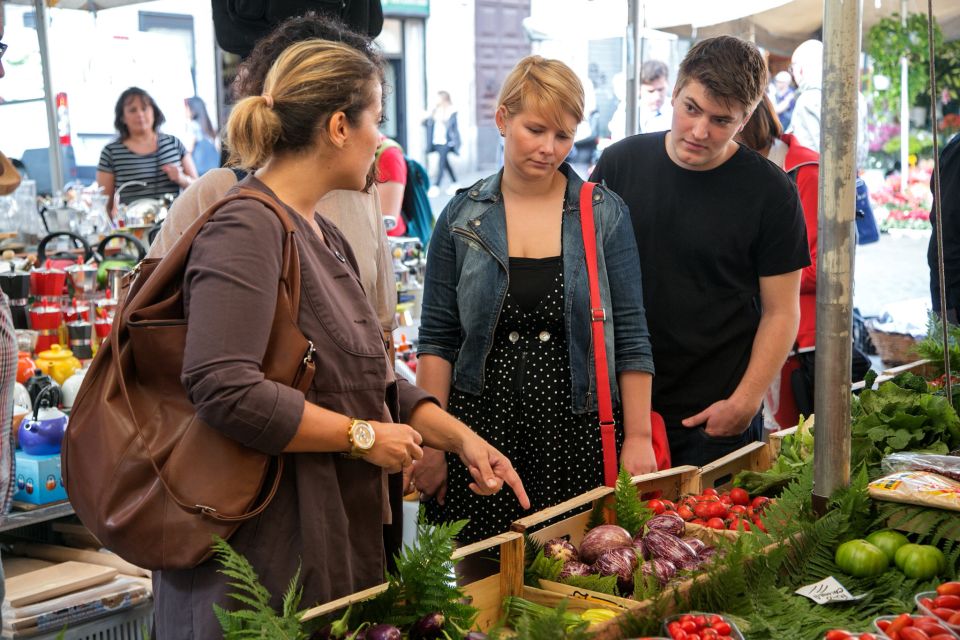
- Small group (max 15) for better pacing and more time to ask questions.
- Pizza bianca with mortadella plus gelato, a very Roman mid-day snack move.
- Supplì with mozzarella (that crispy, tomato-rice ball you’ll understand after the first bite).
- Jewish Ghetto foods like fried artichoke and fried codfish, plus classic street-style tastes.
- Trastevere pasta tasting and gelato that turns you from tourist-orderer into Roman-ordering pro.
- Guides with neighborhood stories that connect food to what happened where.
Why this Rome food walk hits the sweet spot
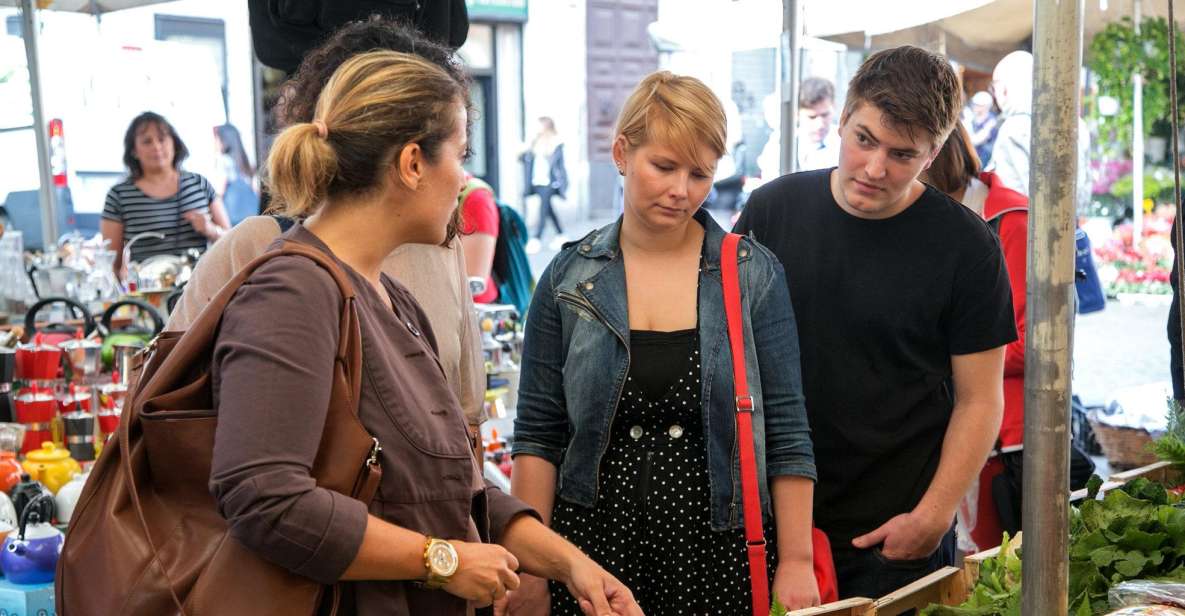
This tour works because it ties three neighborhoods to the foods you already associate with Rome. You’re not just eating random samples. You’re building a mental map of how Romans shop, snack, and sit down to meals.
I like that it balances “shop-and-bite” moments with proper sit-down tasting. You start in the market atmosphere of Campo de’ Fiori, then shift into specialty food and neighborhood food culture in the Jewish Ghetto and Trastevere. That structure matters because Rome’s food isn’t one thing. It’s a bunch of local traditions that overlap—by block, by street, by family.
Also: the price point is realistic for what you get. At about $81 per person for 2 to 3.5 hours, you’re paying for a guide, walking time, and a series of included tastings (not just one token bite). In a city where a couple of “just one more snack” stops can quietly add up, this format tends to feel like control, not chaos.
You can also read our reviews of more food & drink experiences in Rome
Campo de’ Fiori Market: fruit color, market smells, and pizza bianca
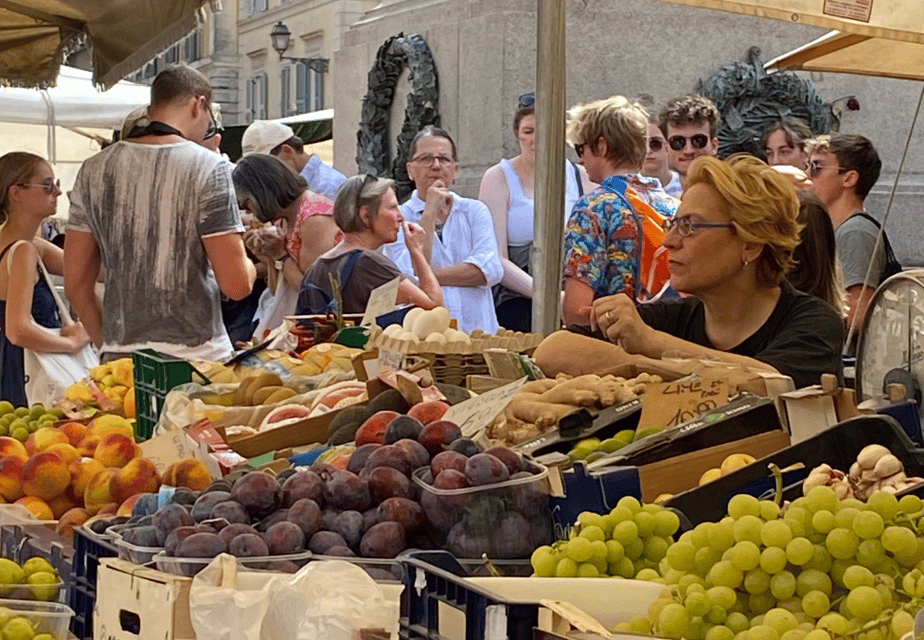
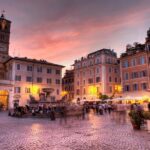
Campo de’ Fiori is where Rome starts showing off. The tour’s morning option includes a visit to the market itself, which means you get the full sensory hit: bright produce on display, market talk in the air, and that feeling that locals come here for real shopping, not photo ops.
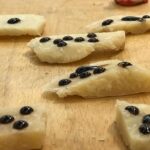
Then comes the mid-morning classic: pizza bianca with mortadella. This isn’t fancy in a costume-party way. It’s simple, Roman, and satisfying—soft pizza bianca topped with thin slices of savory mortadella. You’ll also get gelato as part of this early tasting rhythm, which is exactly how you want to do Rome’s snack phase: start flavorful, then cool it down.
Here’s what I’d tell you to watch for during this stop: the pacing. This tour doesn’t throw everything at you at once, and that matters because you’ll keep eating later. If you’re doing the afternoon tour, you should expect a different flow: the market visit isn’t included, replaced by a typical grocery store plus an aperitif due to opening hours. Same neighborhood vibe. Just a different kind of “food first” start.
The food-nerd part: what makes supplì and pasta feel unmistakably Roman
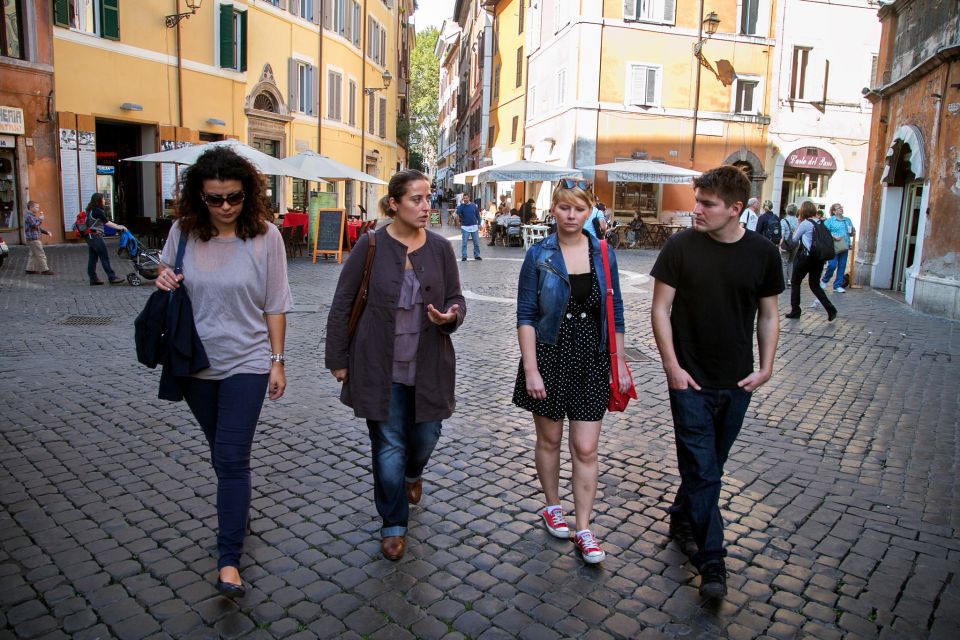
Two tastings do a lot of heavy lifting on this tour: supplì and pasta.
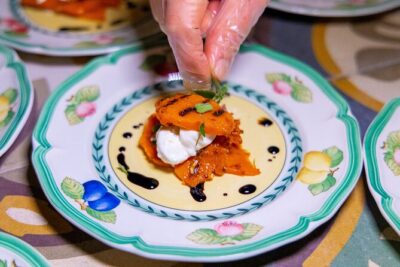
Supplì is Rome’s beloved fried rice ball, and the tour leans into the signature version: mozzarella-stuffed and expertly browned. That matters because supplì is one of those foods where the texture is the whole story—crisp outside, creamy interior, tomato-rice flavor that tastes like it belongs on the street. Once you understand what you’re looking for, you’ll spot better supplì from worse in other places, too.
Then there’s pasta in Trastevere. You’re not just eating pasta. You’re getting the key idea of how to separate the best pasta from the rest, which is useful because Roman pasta quality can be subtle. Think about the basics—how it’s cooked, what sauce style fits the shape, and how the dish balances richness and salt. Even if you’re not a “food science” person, a little guidance turns restaurant choices into confidence.
If you tend to over-order when you see pasta on a menu, this tour can fix that. By the time you reach dinner later in your trip, you’ll know what to look for and what to skip.
Jewish Ghetto groceries: fried artichoke, codfish, and local street logic
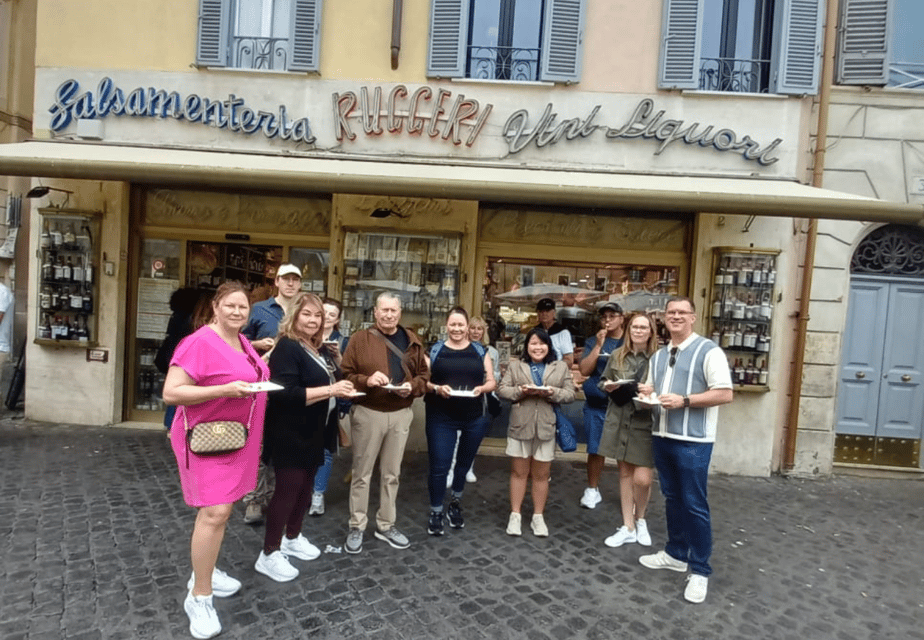
The Jewish Ghetto stop adds depth fast, mostly because the food reflects real local history and everyday eating. You’ll get groceries and a tasting of typical Roman food, including fried artichoke and supplì again in this context, plus fried codfish.
Fried codfish is one of those dishes that can surprise people. It’s not just salty comfort food—it’s part of Roman culinary practice: batter, crisp edges, and a flavor profile that feels both traditional and portable. Add the fried artichoke, and suddenly you understand why “something fried” can still taste refined when the ingredients are right and the crust is done well.
One more thing: you’ll be walking through historic neighborhood streets while eating. That combination is valuable because it keeps the context alive. Food isn’t a standalone plate; it’s connected to where people lived, what they bought, and what they made work with what was available.
Trastevere: where gelato and pasta become a strategy
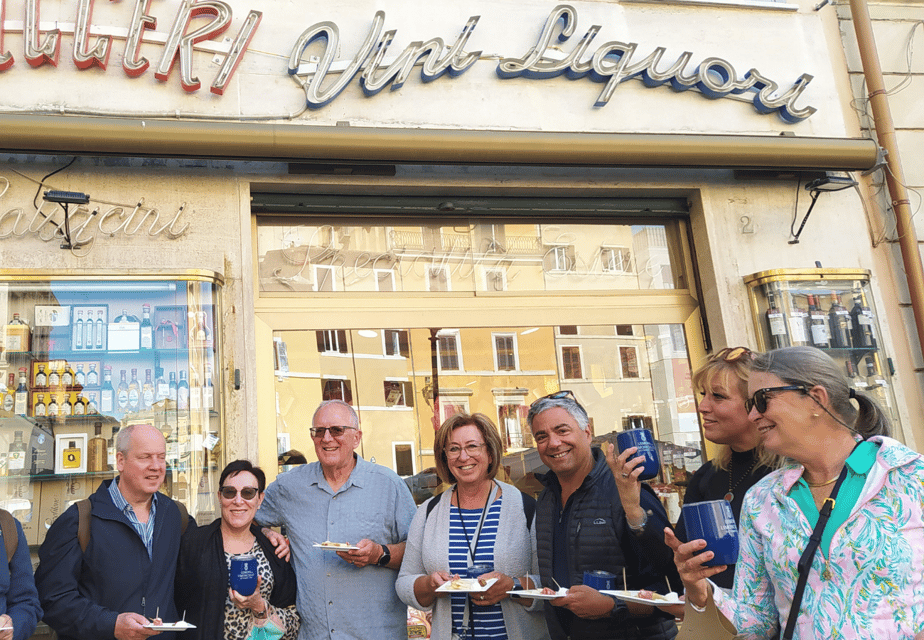
Trastevere is the payoff neighborhood, and it shows up in two main ways here: pasta tasting and gourmet gelato.
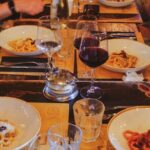
You start with pasta. The tour brings you through that Trastevere food culture so you can compare what you taste with what you’ll see later on your own. This is where you learn the kinds of ordering decisions that make Rome feel easy. If you’ve ever sat at an Italian restaurant and thought, I just hope I picked right, you’ll appreciate this part.
Then there’s gelato. You’ll stop for gourmet gelato in Trastevere, which is exactly the right timing. After you’ve had savory foods, the gelato isn’t just dessert. It’s a palate reset. It also gives you a chance to practice your “walk-and-snack” rhythm: one small treat, then keep moving.
If you’re a gelato lover, pay attention to texture and temperature—great gelato tastes creamy without being heavy. The tour’s included tasting is the kind of sample that helps you calibrate what you’ll want again on your own later.
You can also read our reviews of more tours and experiences in Rome


Cheese and salumi stop: mozzarella plus Roman salami
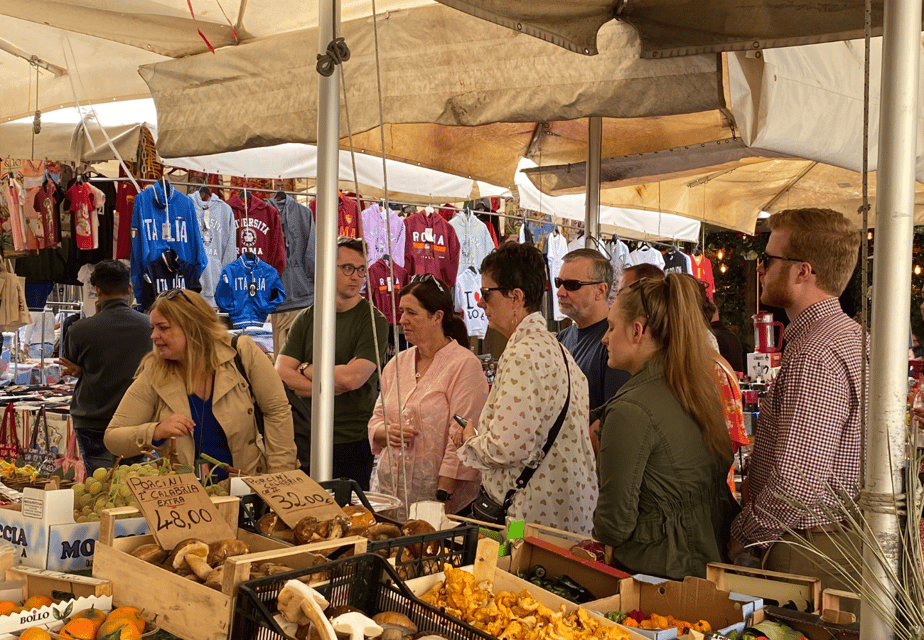
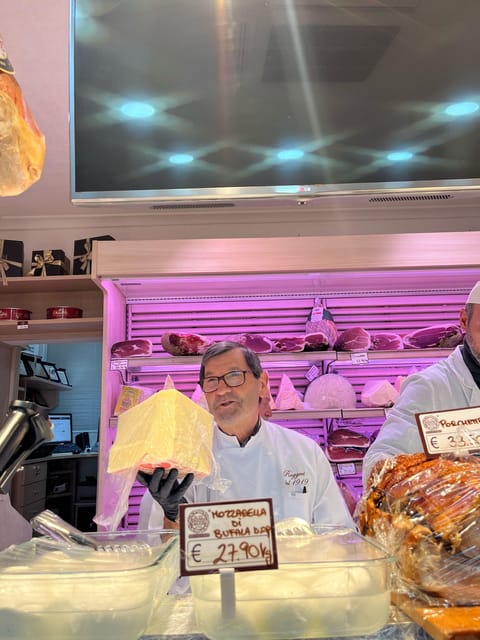
Not every food tour gives you the dairy moment. This one does, with a mozzarella cheese tasting alongside Roman salami.
That pairing is smart because mozzarella alone can be one-note if you don’t anchor it to a contrasting saltier flavor. Adding Roman salami helps you learn the balance that locals rely on: creamy, then savory, then done. It’s also a practical lesson for picking cheese in shops later—if you know the flavor contrast you liked here, you’ll make better choices.
I also like that this isn’t all about fried food. It gives you a calmer taste break in the middle of the walking.
What the guide does for your experience (and why group size matters)
A big reason this tour scores high is the people leading it. Guides like Lisa, Natasha, Luca, Gloria, Mariel, Valeria, Chiara, Federica, Alessandra, and Giorga show up in the guide lineup, and the consistent theme is pacing plus clear neighborhood context.
Even if you don’t care about history facts for their own sake, you’ll care because the explanations make food taste more intentional. You’ll hear how each neighborhood food identity formed and how Romans actually use markets and specialty shops. It’s not just “here’s food.” It’s “here’s why this food fits here.”
And because groups are capped at 15, you don’t feel trapped in a line of strangers. People can ask questions. You can slow down for a photo without the guide sprinting to catch up. That small-group structure also helps on a walking tour where your feet need a little dignity.
Timing tip: don’t show up hungry-hungry
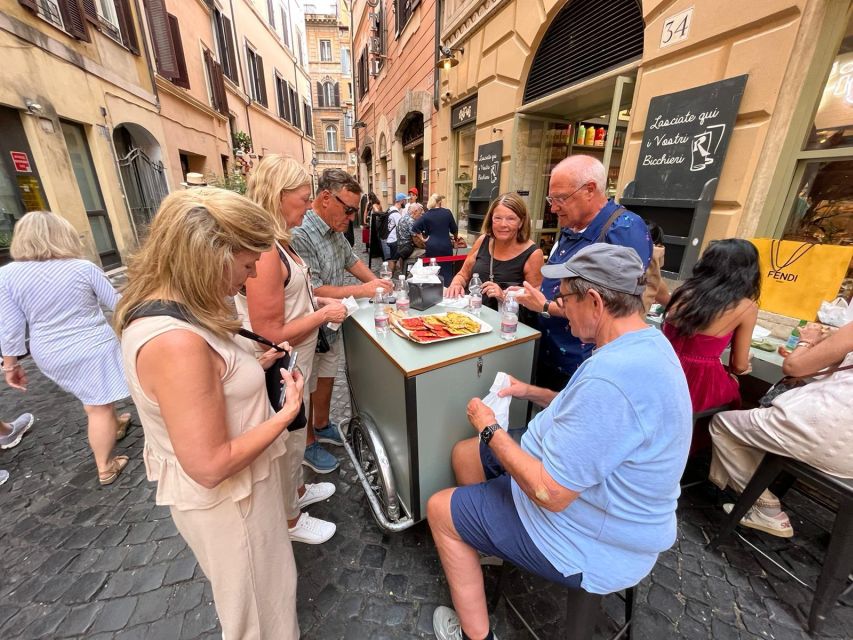
This tour can stuff you in the best way. Multiple people recommend not eating breakfast right before, especially for morning options. Even without being an expert on appetite math, it makes sense: you’re stacking multiple tastings across market food, fried snacks, cheese, pasta, and gelato in a single walking loop.
If you arrive with a full breakfast, you may end up forcing bites later. If you arrive a little hungry, you’ll enjoy each stop instead of racing toward the next one.
Also: plan your hydration. Rome heat can make “just a 2–3.5 hour walk” feel like a longer event. Wear breathable layers and bring water if you can. The tour operates in all weather conditions, so expect sun or rain and dress accordingly.
Price and value: what $81 buys in Rome terms
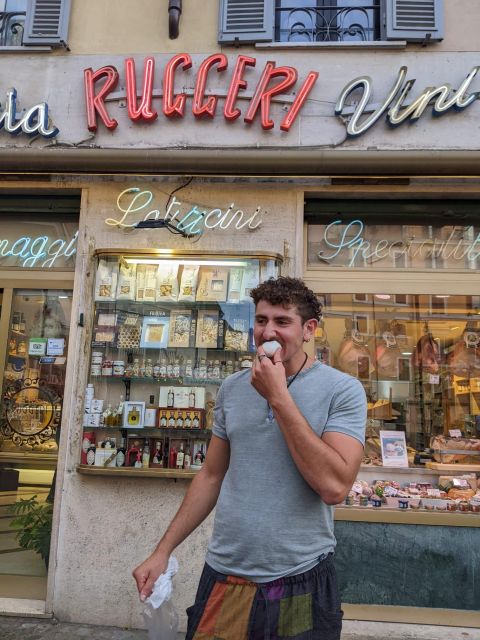
Let’s be practical about the money. At around $81, you’re not buying one restaurant meal. You’re buying guided time plus a sequence of included tastings: pizza bianca with mortadella, mozzarella with Roman salami, market/grocery bites and typical Jewish Ghetto foods (including fried artichoke, supplì, and codfish), pasta tasting in Trastevere, and gelato.
That’s a lot for one guided afternoon. In Rome, even casual snacks plus a drink can add up quickly. When those tastings come as part of a planned route, you get two kinds of value:
- You get variety without decision fatigue.
- You get guidance on what to repeat later, because you’ll learn what you actually enjoyed and why.
If you like eating your way through a city on day one (or early in the trip), this format also helps you decide where to go next. The tastings act like a sampler you can translate into real meal plans.
How much walking is this, really?
It’s a walking tour, and it’s designed for people who can handle city streets for 2 to 3.5 hours. You’ll move between the market area, the Jewish Ghetto, and Trastevere, with stops built around tastings at different types of places.
You also want to dress for walking and comfort. Bring comfortable shoes, sunglasses, sun hat, sunscreen, and an umbrella. Large bags and luggage aren’t allowed, so travel light. The meeting point can vary depending on the option you book.
If you’re thinking about wheelchairs or mobility aids: this tour isn’t set up for wheelchair users, based on the tour’s suitability details.
Who should book this tour, and who should skip it
This is a great fit if you want:
- A Roman-focused food route through Campo de’ Fiori, Jewish Ghetto, and Trastevere.
- Included tastings that cover street snacks, market flavor, cheese, pasta, and gelato.
- A guide who can explain what you’re eating in plain terms, with neighborhood context you can use later.
Skip it if:
- You have food allergies (it’s not suitable for people with allergies, and accommodations aren’t guaranteed for special restrictions).
- You’re vegan (it’s not suitable for vegans).
- You use a wheelchair or need accessibility support not listed for this tour.
Also, if you hate crowds and constant movement, consider whether a walking food day fits your style. The small group helps, but it’s still a shared experience in crowded neighborhoods.
Should you book? My straight answer
If you’re the kind of person who wants Rome to feel like more than monuments, book this. You’ll get a real slice of Roman everyday food logic—market shopping energy in Campo de’ Fiori, classic Roman fried and comfort bites in the Jewish Ghetto, and Trastevere pasta plus gelato that gives you a souvenir you can actually taste again.
Two final decision helpers:
- If you can, pick a morning option so you get the Campo de’ Fiori market visit. The afternoon version swaps that out.
- If you’re prone to over-snacking, go with an empty stomach (or close). You’ll thank yourself before the gelato.
With a 4.8 rating from 413 people, this one has staying power. It’s a smart way to eat like you live here for a few hours.
FAQ
How long is the tour?
The duration is 2 to 3.5 hours, depending on the option booked.
Is the tour a walking tour?
Yes. It includes a walking route through Campo de’ Fiori, the Jewish Ghetto, and Trastevere.
What’s the group size?
The walking group is kept to a maximum of 15 people.
What does the tour cost?
The price is listed as $81 per person.
Is the tour in English?
Yes, it runs with an English live tour guide.
Does the tour include the Campo de’ Fiori market?
For the morning option, yes. For the afternoon option, the market visit is not included due to opening hours, and it’s substituted with a typical grocery store and an aperitif.
What foods are included?
Included tastings include pizza bianca with mortadella, mozzarella cheese tasting with Roman salami, and Jewish Ghetto tastings such as fried artichoke, supplì, and codfish. You’ll also have a pasta tasting in Trastevere and gourmet gelato in Trastevere.
Do I need to eat breakfast before the tour?
It’s not required information, but the tour is designed to include multiple tastings, so going without a full breakfast can help you enjoy everything.
Are hotel pickup and drop-off included?
No, hotel pickup and drop-off are not included.
Who is this tour not suitable for?
It’s not suitable for wheelchair users, people with food allergies, or vegans.
What should I bring, and what is not allowed?
Bring comfortable shoes, sunglasses, sun hat, sunscreen, and an umbrella. Luggage or large bags are not allowed.