REVIEW · ROME
Complete Vatican: Museums, Sistine Chapel & St Peters Basilica
Book on Viator →Operated by Walks - Italy & Spain · Bookable on Viator
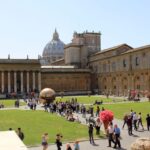
St. Peter’s to Sistine in one go. This small-group Vatican tour strings together the Vatican Museums, Sistine Chapel, and St. Peter’s Basilica with skip-the-line entry that saves serious time in Rome’s busiest religious complex. I especially like the route that mixes the famous must-sees with quieter stops, like the Pinecone Courtyard and its bronze symbol of a new world by Arnaldo Pomodoro.
I also like the way the guide preps you for what matters most—so you’re not just looking at art, you’re looking the right way. One consideration: Vatican access can change fast during papal events, and that can affect whether you reach St. Peter’s (or how you get there from the Sistine Chapel) on certain days.
In This Review
- Key takeaways
- Skip-the-line timing at St. Peter’s Basilica (and why it matters)
- Vatican Museums: Pinecone Courtyard, Belvedere stars, and the galleries that guide your eyes
- Pinecone Courtyard and Arnaldo Pomodoro’s bronze symbol
- Cortile della Pigna and the museum’s crowd-control strategy
- The Gallery stops: candelabra, maps, and views of St. Peter’s
- Raphael Rooms (Stanze di Raffaello): where fresco becomes a room-filling argument
- Sistine Chapel: briefing first, then silence (what to look for)
- How to make those 45 minutes feel longer
- St. Peter’s Basilica: early access, the 120-year story, and real scale
- A real-world warning: papal events can change access
- Price and value: what you’re really paying for at $71.38
- Who this tour suits best (and who should plan differently)
- Practical tips for a smoother Vatican day
- Should you book the Complete Vatican tour?
- FAQ
- How long is the Complete Vatican tour?
- Is the tour offered in English?
- What does the skip-the-line access include?
- Does the tour include admission to the Sistine Chapel?
- Does it include St. Peter’s Basilica entry?
- How large is the group?
- Where do we meet for the tour?
- Do all guests need to bring ID?
- Is the connection between the Sistine Chapel and St. Peter’s Basilica always available?
- Will the Last Judgement be visible in early 2026?
Key takeaways
- Skip-the-line entry to the Vatican Museums and Sistine Chapel, plus early access to St. Peter’s Basilica for this Complete option
- Max 18 people, which makes it easier to ask questions and move through tight spaces
- A smart highlights route, including Pinecone Courtyard, Raphael Rooms, and standout galleries in one planned flow
- Sistine Chapel briefing before silence, so you know what to look for even when the guide can’t speak
- Closure-aware planning, especially around Wednesdays and Saturdays when the special passage can be shut
Skip-the-line timing at St. Peter’s Basilica (and why it matters)
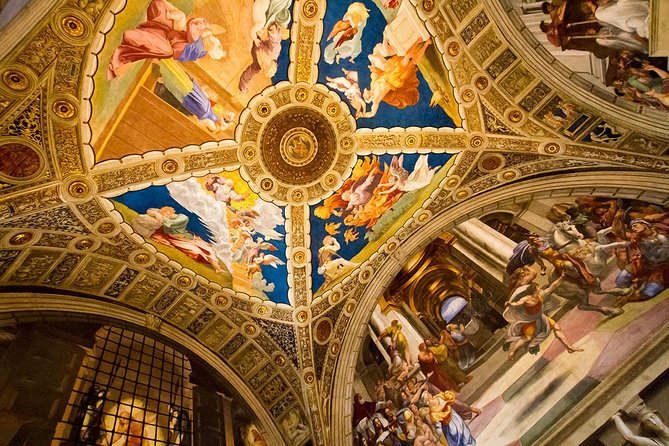
You meet right at St. Peter’s Basilica, in Piazza San Pietro. That’s a good starting point because it puts you where the final payoff is, and it helps you avoid a day-long maze of backtracking. The tour runs about 3 to 4 hours, so it’s long enough to do meaningful galleries and still short enough to keep you from getting mentally fried.
The big value here is the skip-the-line setup. The Vatican can eat hours on standard queues, and even when you finally move, you’re often packed shoulder-to-shoulder. This tour is designed to use group timing to keep you moving and to get you into the key rooms with less waiting.
One more practical detail: this tour is offered in English, and it’s limited to 18 travelers. That size is not tiny, but it’s small enough that your guide can manage pacing instead of treating you like luggage in a conveyor belt.
You can also read our reviews of more museum experiences in Rome



Vatican Museums: Pinecone Courtyard, Belvedere stars, and the galleries that guide your eyes
The day starts in the Vatican Museums with a specially planned route. The idea is simple: you don’t just wander from room to room. You get a sequence that teaches you how to read the Vatican like a collection, not a checklist.
Pinecone Courtyard and Arnaldo Pomodoro’s bronze symbol
A highlight early on is the Pinecone Courtyard. You pass a bronze statue created by Italian artist Arnaldo Pomodoro—a striking piece meant to symbolize the emergence of the new world from the old. Even if you’re not an art historian, the point is easy to grasp: the Vatican Museums are not only about beauty, they’re also about how power, myth, and worldviews were packaged into objects.
It’s also a nice breather. The courtyard is calmer than some of the later museum corridors, so it helps your group reset before the bigger galleries.
Cortile della Pigna and the museum’s crowd-control strategy
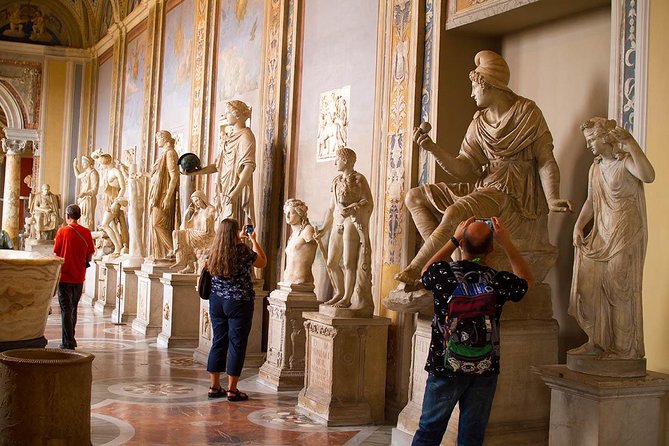
From there, you hit the Belvedere Courtyard and the related spaces that pack the most famous sculpture into a manageable visit. In this segment, you’re guided past big names like Apollo Belvedere and Laocoön and His Sons.
This is where a guide matters. Without direction, it’s easy to see impressive statues and still feel like you’ve learned nothing. With guidance, you notice scale, posture, and why certain sculptures were treated like “showpieces” rather than just decoration. It also helps you get to the rooms that connect visually to St. Peter’s—so you start building the day’s bigger picture.
The Gallery stops: candelabra, maps, and views of St. Peter’s
Your planned route continues through rooms like the Gallery of the Candelabra and the Gallery of the Maps. These galleries can feel odd at first glance—why would a museum tour include maps in a Vatican day? The answer is that the Vatican collected information visually, not just spiritually. Maps here aren’t random; they’re part of how the world was pictured, measured, and framed.
You also get views of St. Peter’s Basilica from within the museum complex. That’s a helpful moment because it makes St. Peter’s feel less like a separate destination and more like the climax of the museum story.




Raphael Rooms (Stanze di Raffaello): where fresco becomes a room-filling argument
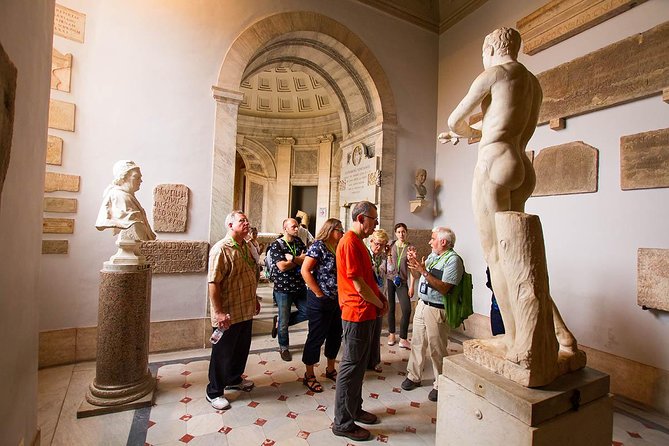
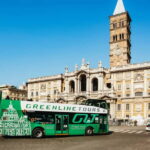
Next up are the Raphael Rooms, or Stanze di Raffaello. These are among the most beautifully frescoed interiors you’ll ever see, and they also teach you an important Vatican lesson: art here was meant to persuade.
You spend about 30 minutes in this section, which is just enough time to stop staring long enough to understand what you’re actually looking at. If you’ve ever walked into a painted room and thought, I know it’s great, but I can’t focus—this is the part where a good guide helps you slow down and pick up the key details.
If you’re traveling with anyone who gets restless in museums, this is a good compromise room: the walls fill your field of view, and the visuals do the work even when you’re tired.
Sistine Chapel: briefing first, then silence (what to look for)
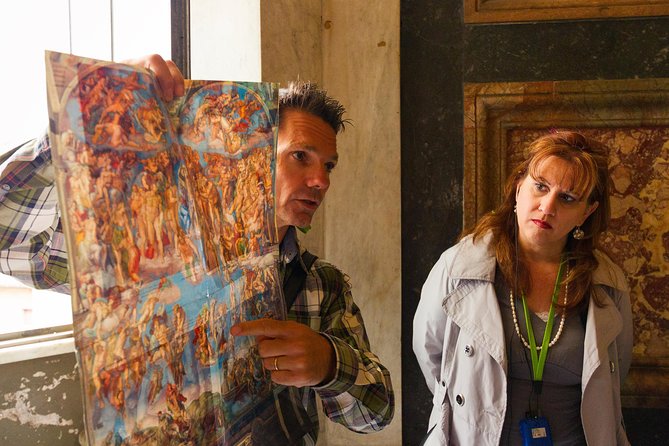
Now for the main event. The tour goes into the Sistine Chapel for about 45 minutes. Here’s the deal that many people miss: once you’re inside, the guide can’t speak. The value is that your guide gives you a briefing before you enter, so you arrive ready.
You’ll hear what to look for, including details like Michelangelo’s self-portrait and the sharper, surprising story behind the famed imagery. The tour also calls out “hidden insults” in the Last Judgement, which is exactly the kind of comment that changes the way you see the fresco.
How to make those 45 minutes feel longer
Because you can’t rely on narration inside, you’ll want to slow your eyes. Pick one corner and one ceiling panel, then scan. If you’re bouncing between spots, you’ll miss the layered storytelling.
Also, wear comfortable shoes. Even if you’re moving efficiently, the Chapel visit comes during peak building congestion. A smooth start helps, but your feet still remember the day.
St. Peter’s Basilica: early access, the 120-year story, and real scale
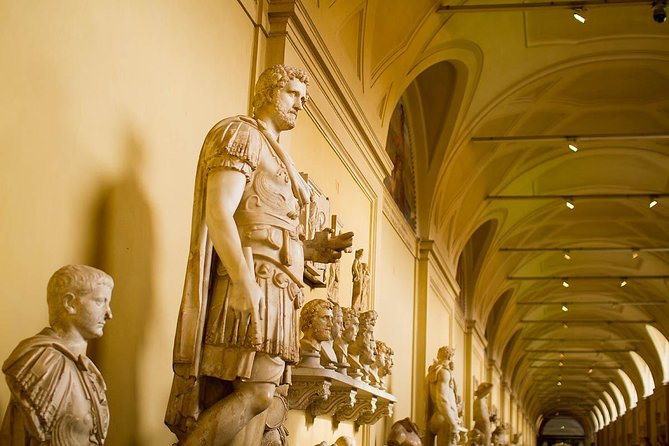
The tour includes skip-the-line access to St. Peter’s Basilica for this Complete Vatican option. It’s not just a time-saver; it also helps you avoid the typical frustration of arriving at the entry crowd without a plan.
You enter using a special group-only door, and the guide explains the story behind the church’s 120-year construction. That matters because St. Peter’s is so visually overwhelming that many people walk in and only feel awe, not understanding. With context, you start connecting the design and the artwork to the bigger narrative of the Church’s ambitions.
Inside, you’re guided through the precious art and treasures of the basilica. You’ll also get enough time to actually look, not only move through.
A real-world warning: papal events can change access
Vatican access is not fully predictable. The tour info makes it clear that the special passage between the Sistine Chapel and St. Peter’s Basilica is closed on Wednesdays and Saturdays, and it can also be shut due to special celebrations, including Easter ceremonies. On those days, the tour offers a more in-depth Museums focus.
You’ll also see this pattern reflected in the practical reality of the site: papal ceremonies and elections can shorten or reshape routes. The tour can still be worthwhile, but your plan should include some flexibility.
Price and value: what you’re really paying for at $71.38
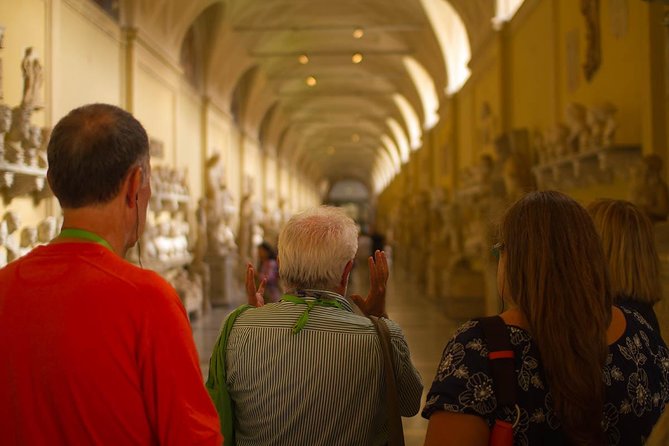
At $71.38 per person, the headline price looks simple. The value is not. You’re paying for a combination of:
- Skip-the-line tickets to the Vatican Museums and Sistine Chapel
- A skip-the-line ticket for St. Peter’s Basilica (early access, for Complete option)
- An expert local guide who directs attention to key works
- A small group cap of 18, which often means fewer pacing problems than huge coach tours
If you tried to do this day on your own, you’d still face timed entry planning, line variables, and the brain-tax of figuring out which rooms are worth the energy. Here, the guide handles the decision-making and the pacing, and you get a route that links the Museums to the Chapel to the Basilica.
If your biggest priority is pure independence, you might choose a self-guided plan. But if your priority is getting meaningful access with less friction, this price is not out of line for Rome’s most time-sensitive attraction.
Who this tour suits best (and who should plan differently)
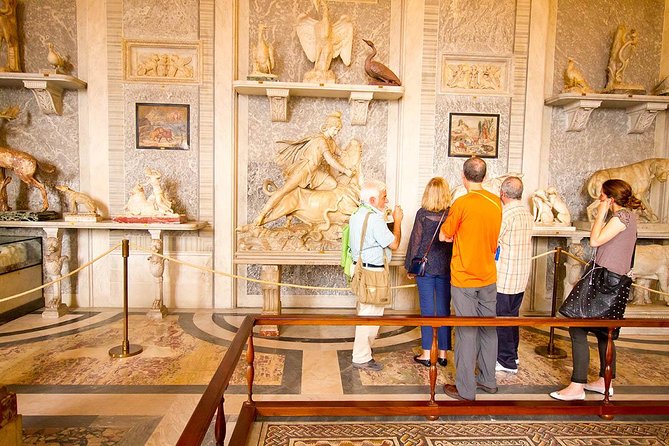
This is a great fit for you if you want:
- A guided route through the Vatican Museums and Raphael Rooms
- A structured Sistine Chapel experience with pre-visit direction
- Early handling of Basilica entry so you can spend time looking, not waiting
It may be a tougher fit if you have mobility limits. The Vatican involves a lot of walking, and the guidance notes that there are more steps than expected. If stairs are a problem, go in with eyes open.
Also, understand that the Vatican day is subject to closures. Some departures have been adjusted due to major Church activities, including election-related restrictions. That doesn’t mean the tour is bad; it means your expectations should include some flexibility.
Practical tips for a smoother Vatican day
A few things can make or break your comfort.
First: bring your ID. All guests, including children, must have ID on the tour day.
Second: dress for the reality of the location. You’ll be on your feet, and July-level heat can make the day feel longer. Wear breathable layers and shoes you trust.
Third: do the “slow down” strategy. In the Museums, move with purpose. In the Sistine Chapel, use the briefing cues and choose a few focal points instead of trying to absorb everything at once.
Finally: pick a realistic mindset about crowds. Even with skip-the-line entry, this is a globally important site. The goal isn’t to feel empty. The goal is to feel organized.
Should you book the Complete Vatican tour?
I think you should book this tour if you want the biggest Vatican highlights in one focused package and you care about time-saving entry. The small group size, the guided route through key museum stops, and the pre-briefing for the Sistine Chapel are the strongest reasons to choose it.
Don’t book it if you hate walking, or if you need absolute certainty that every last room and passage will be available every day. Vatican ceremonies can force changes, especially around Wednesdays and Saturdays. If you’re flexible and ready to pivot, it’s a smart way to get a clear, guided Vatican experience without spending your day in lines.
FAQ
How long is the Complete Vatican tour?
It lasts about 3 to 4 hours.
Is the tour offered in English?
Yes, the tour is offered in English.
What does the skip-the-line access include?
Skip-the-line tickets are included for the Vatican Museums and Sistine Chapel, and for St. Peter’s Basilica as part of the Complete Vatican options.
Does the tour include admission to the Sistine Chapel?
Yes. Entry to the Sistine Chapel is included.
Does it include St. Peter’s Basilica entry?
Yes. This Complete Vatican option includes a skip-the-line ticket for St. Peter’s Basilica.
How large is the group?
The tour is limited to a maximum of 18 travelers.
Where do we meet for the tour?
You meet at St. Peter’s Basilica, Piazza San Pietro, 00120 Città del Vaticano, Vatican City.
Do all guests need to bring ID?
Yes. All guests (including children) must bring ID on the day of the tour.
Is the connection between the Sistine Chapel and St. Peter’s Basilica always available?
No. The special access passage between them is closed on Wednesdays and Saturdays, and it can also be affected by unexpected closures during special celebrations.
Will the Last Judgement be visible in early 2026?
Between January 12 and March 31, 2026, the Vatican Museums will run a preservation project focused on Michelangelo’s Last Judgement. The Sistine Chapel remains open, but that specific artwork will be temporarily out of view during the restoration period.