REVIEW · ROME
Rome: City Highlights Golf Car Tour
Book on GetYourGuide →Operated by Love Cuore · Bookable on GetYourGuide
Rome can feel huge. This tour helps you cover the highlights without the nonstop walking. I like the electric tuk-tuk setup for rolling between major sights, and I also like that you get an audio guide with stories as you glide past the landmarks. One thing to keep in mind: your experience depends a lot on timing and your driver’s ability to explain what you’re seeing.
The best use of this tour is when you want big sights in a short window and you’re happy with photo stops plus brief visits, not long, ticketed time inside monuments. The main drawback I see is that the ride can get tightened if there’s a delay, and in at least one case the route didn’t match the originally chosen stops.
In This Review
- Key Points That Matter Before You Ride
- Getting Started at Via Francesco Crispi: Fast Meet, Easy Roll-Out
- How the Tour Actually Works: Audio Guide + Photo Stops + a Driver Who Sets the Pace
- Piazza della Repubblica: A Clean Start Before the Sights Stack Up
- Palazzo del Quirinale: Government Buildings, Big Views, No Waiting
- Trevi Fountain and Piazza Venezia: The Icon Stuff, Done the Efficient Way
- Via dei Fori Imperiali to Piazza del Colosseo: Ancient Rome, Framed by a Route
- Circus Maximus: Big Space, Big Scale
- Mouth of Truth and Piazza Navona: Quirky Rome Meets People-Watching
- Vatican City + Piazza del Popolo: Two Contrasting Stops in One Stretch
- Via Veneto to Piazza Barberini: The Ride Ends Where You’re Likely to Want to Continue
- Price and Value: Is $65 Worth It?
- Who This Tour Suits Best
- Weather, Comfort, and Practical Tips
- Should You Book This Rome Electric Tuk-Tuk Highlights Tour?
- FAQ
- How long is the Rome City Highlights Golf Car Tour?
- Where does the tour start and end?
- What major attractions are included on the route?
- Is an audio guide included?
- Are tickets included for museums or monuments?
- Can I get a refund if plans change?
Key Points That Matter Before You Ride
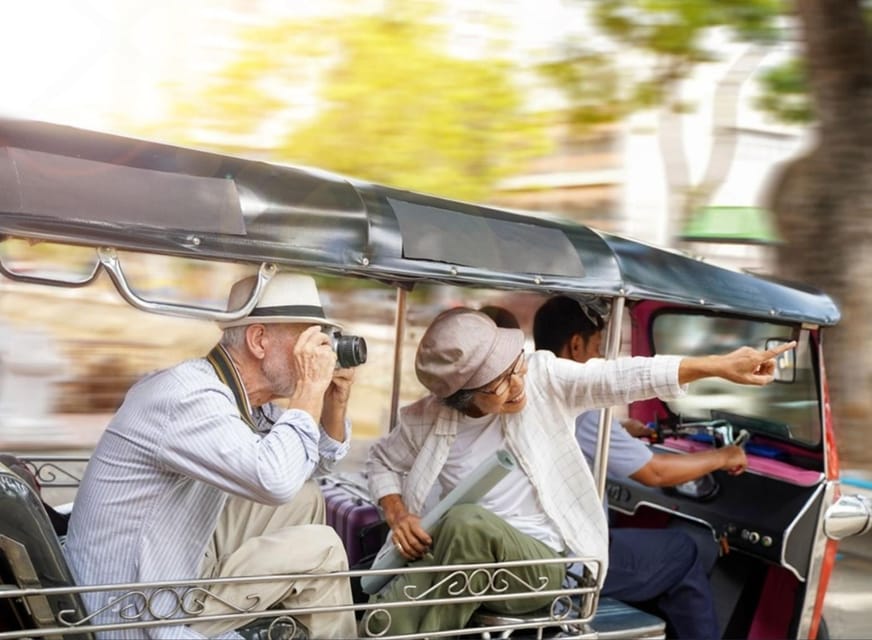
- Electric tuk-tuk convenience: Get between Rome’s top sights with less walking strain.
- Audio guide storytelling: You’ll hear facts and curiosities for each stop as you pass.
- Rain-ready vehicle: Side rain cover, and winter layers/blankets if it’s cold.
- Stops fit the time you book: One hour is for prominent points; longer is for more variety.
- Private group feel: You ride with your group and a private driver/guide rather than a big bus crush.
- Plan for photos, not long ticket lines: Tickets aren’t included, so expect exterior views and quick stops.
Getting Started at Via Francesco Crispi: Fast Meet, Easy Roll-Out
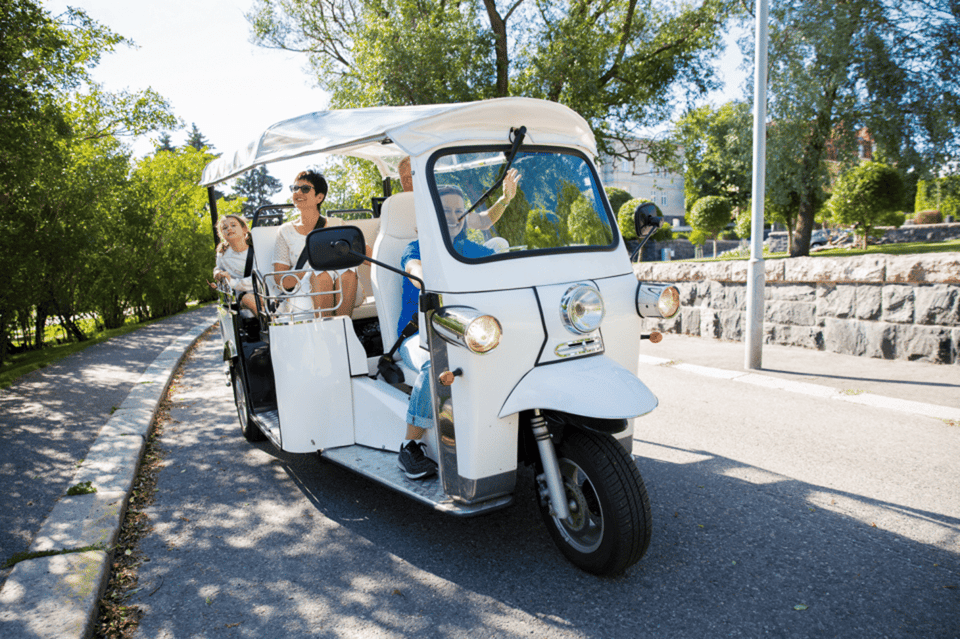
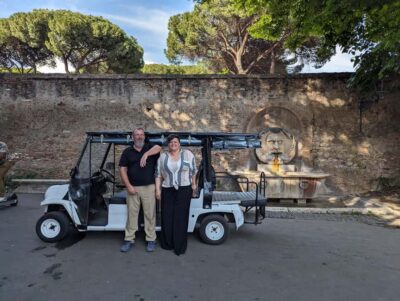
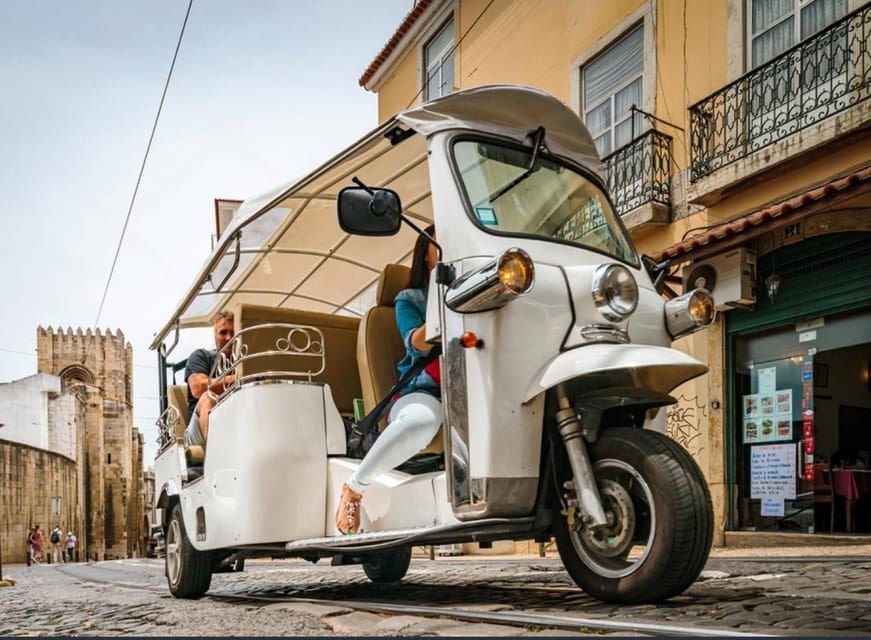
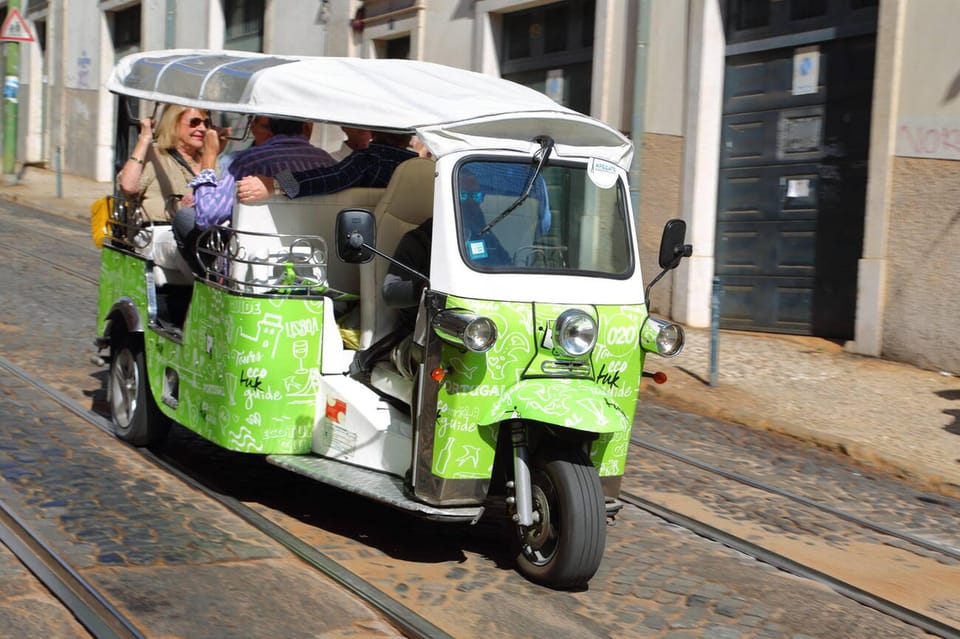
Your tour starts near Via Francesco Crispi 13. You’ll look for a shop there with lots of stickers for tours (hop-on hop-off, boats, and others), and that’s your meeting point. From there, you’ll board the electric tuk-tuk (a small, open vehicle), and your private driver takes care of moving you through traffic and around busy areas.
One practical note: these tuk-tuks don’t have a trunk. So if you’re traveling with suitcases or bulky packages, this isn’t the right format. Think small day bag only.
Also, your departure schedule is spread across the day (9:00 am, 12:00 pm, 3:00 pm, 6:00 pm, 9:00 pm). The operator mentions daily private departures from Piazza Barberini (22/24), and your on-the-ground meeting is at Via Francesco Crispi. In real life, that usually means you’ll be picked up or routed from the area—just be ready to follow the meeting instructions exactly so you don’t lose time.
You can also read our reviews of more city tours in Rome


How the Tour Actually Works: Audio Guide + Photo Stops + a Driver Who Sets the Pace
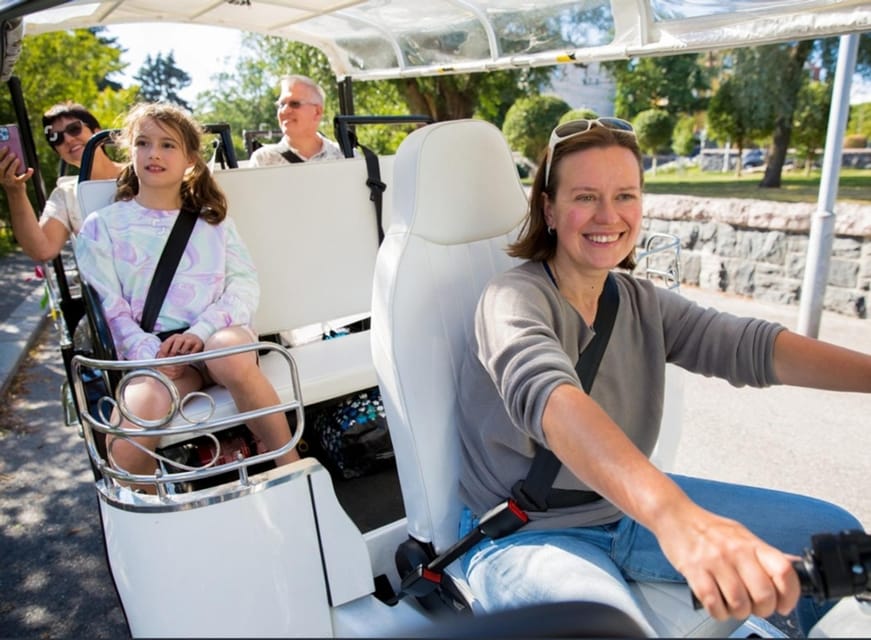
This is not a museum-depth walking tour. It’s more like a guided highlight route where the audio guide does a lot of the explanatory work while you get from A to B.
You’ll get:
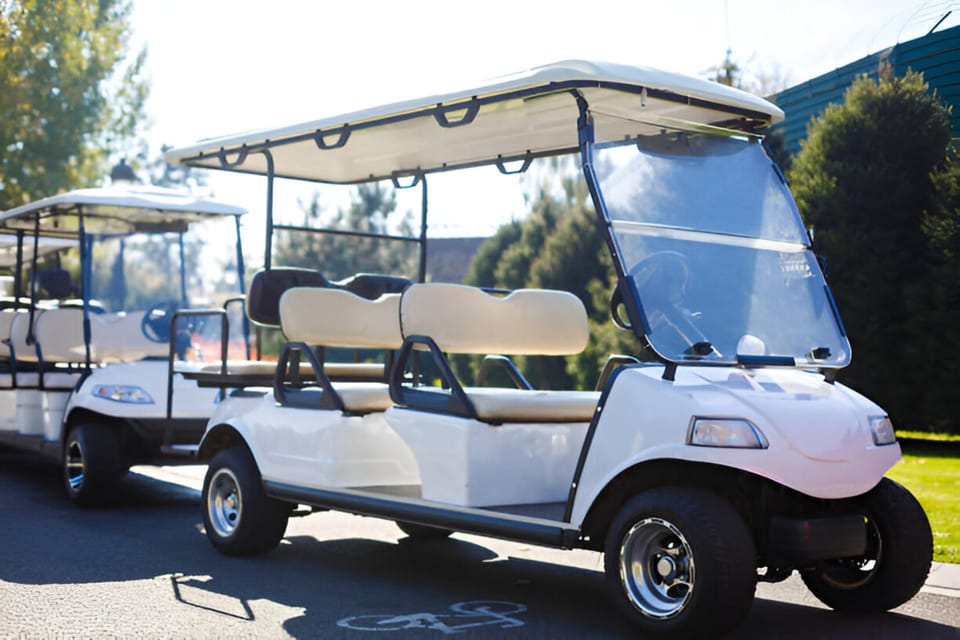
- An electric tuk-tuk
- A private driver
- History pills / tour guide elements
- An audio guide with stories and curiosities at the landmarks
A nice plus here is that the vehicles are designed for comfort in Roman conditions—especially the side rain cover. The tour runs rain or shine, and in winter you get extra protective layers and blankets to keep you warm.
My advice: if you care about specific stops (like Vatican City or a particular square), go in with a realistic expectation. The operator states that if you’re delayed, the activity can be reduced based on time lost, and if the delay goes beyond 15 minutes it can be canceled with no refund. That means punctuality isn’t a suggestion—it’s part of how you protect the itinerary.
Piazza della Repubblica: A Clean Start Before the Sights Stack Up

Your route kicks off at Piazza della Repubblica. It’s a good “warm-up” stop because it puts you into Rome’s city-center rhythm without immediately jumping into the most crowded pinch points.
You’ll typically get a brief visit here—enough time to orient yourself, take a photo, and get the audio guide running with context. If you’re arriving in Rome for the first time, this kind of opening stop helps you understand where the tour is headed next: toward classic landmarks and then into the ancient-stadium zone.
Downside: because the tour is meant to be efficient, you shouldn’t expect long lingering. If you want a slow café moment right away, you’ll want to plan that separately.
Palazzo del Quirinale: Government Buildings, Big Views, No Waiting
Next up is Palazzo del Quirinale. This is the kind of stop that looks impressive even when you’re just seeing the outside. It also acts like a transition between Rome’s formal spaces and the more iconic postcard sights that come later.
What you’ll like here is the contrast: the tour shifts from monumental architecture and official grounds into the more playful “see and photograph” phase. What you might not like is that this is mainly a look-and-learn moment rather than an entry-based experience.
Trevi Fountain and Piazza Venezia: The Icon Stuff, Done the Efficient Way
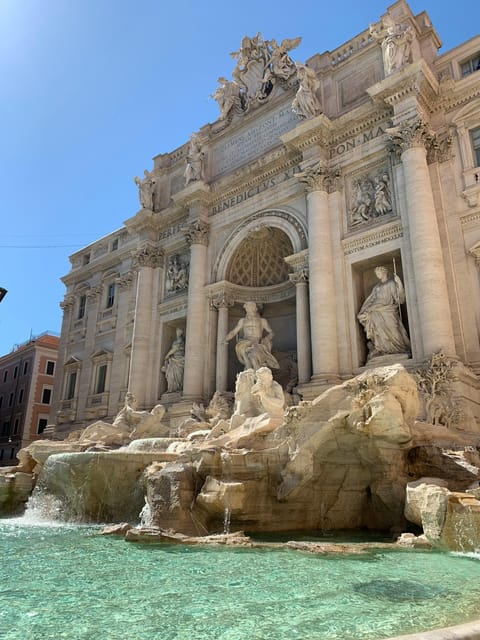
Then you hit Trevi Fountain. This is one of the most recognizable places in the world, and it’s also famous for being busy. The value of the tuk-tuk format is that you can get there without trying to coordinate buses, parking, and walking detours while crowds press in from every direction.
From there, you ride to Piazza Venezia. This square gives you a strong sense of Rome’s layered geography—monuments, views, and the feeling that the city is constantly shifting between eras.
Important expectation-set: tickets aren’t included, so this is about what you see from the route and where you can stop for quick photos. If you’re hoping to spend a long time inside a major site, you’ll still need separate tickets and time.




Via dei Fori Imperiali to Piazza del Colosseo: Ancient Rome, Framed by a Route
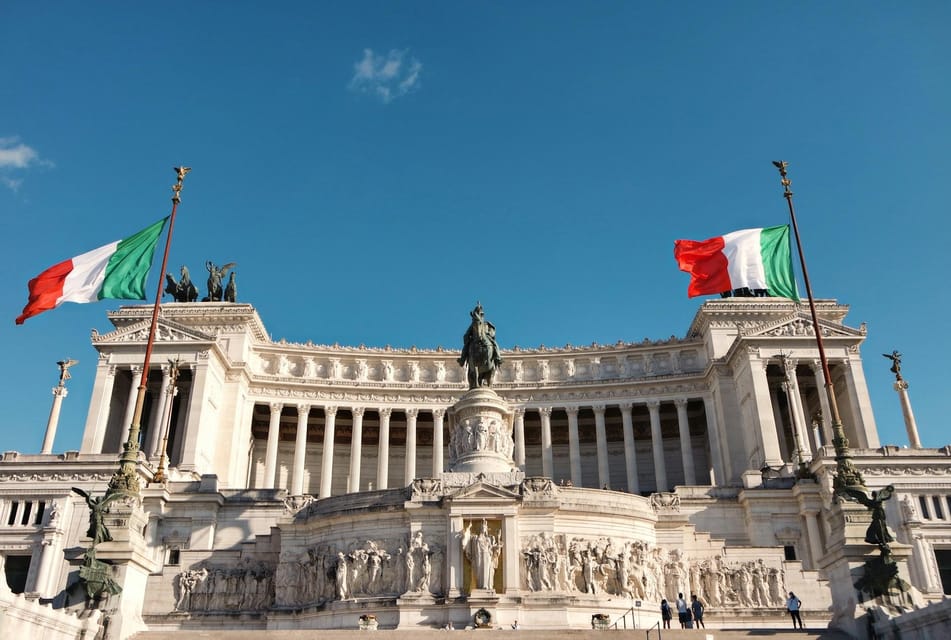
This is one of the tour’s biggest “wow per hour” stretches. You’ll travel along Via dei Fori Imperiali, which is a key approach area for ancient Rome sights. It’s not just a road; it functions like a corridor where you can sense how the city was built—then rebuilt—then shaped into what you recognize today.
After that, you stop at Piazza del Colosseo. This area is a central launch pad for the Colosseum zone, and it’s perfect for the tour’s style: you get the landmark moment, the audio guide context, and then you move on before you lose too much time in crowd bottlenecks.
My practical takeaway: if you’re short on time, this is a smart way to get a first visual hit of the Colosseum area and the surrounding ancient footprint. If you want the full inside experience (you probably know the drill: timed entry, lines, and all the planning that goes with it), you’ll need to pair this with a separate guided ticketed activity.
Circus Maximus: Big Space, Big Scale

Next is Circus Maximus. This stop feels different from the Colosseum zone because of the openness and scale. The audio guide’s stories help here, because you’re looking at remnants of an arena-like space that once hosted huge events.
This is also a strong location for photos that don’t feel cramped. On a bus or on foot in heavy crowds, it can be harder to get a clean angle. From the tuk-tuk route, you usually get the chance to grab a few images and move on.
Mouth of Truth and Piazza Navona: Quirky Rome Meets People-Watching
Then comes Mouth of Truth. It’s one of those places where the legend is part of the attraction. Even if you don’t plan a long visit, it’s the kind of stop that adds character to the tour and breaks up the heavy-hitter sightseeing.
After that, you reach Piazza Navona. This square is a favorite because it naturally draws people in—street-life, fountains, and that classic Rome “hang out here” feel. Again, you’re not doing a full meal stop as part of the tour, but it’s ideal for a short break, a couple of photos, and letting the audio guide connect the dots while you’re in the right setting.
Vatican City + Piazza del Popolo: Two Contrasting Stops in One Stretch
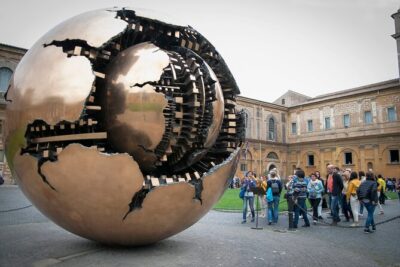
The tour then moves toward Vatican City. This is a major reason people book a highlight route like this—because it’s hard to fit everything in a single day if you’re relying only on walking and public transit.
You should know this: tickets aren’t included. So your Vatican time is best thought of as a guided exterior view and quick stops, not a full Vatican museums plan. If you want to go inside, add that separately.
After Vatican City, you continue to Piazza del Popolo. This is where the tour turns toward wider views and a different Roman vibe than the ancient core. It’s also one of the stops that can be most sensitive to time—if the schedule gets squeezed, this is the kind of place that may get cut to protect the “most prominent” list.
Then you’ll head toward Via Veneto, a famous avenue that’s all about the Rome-on-the-postcard feel.
Via Veneto to Piazza Barberini: The Ride Ends Where You’re Likely to Want to Continue
Finally, you reach Piazza Barberini, and then you return to Via Francesco Crispi 13.
This ending is practical. Piazza Barberini is a lively hub, and the tour finishing near your starting area means you’re not scrambling for your next plan. If you want gelato, a museum ticket for later, or a comfortable walk back to your hotel, you’re set up well.
One more point: the tour mentions that private tours depart daily from Piazza Barberini (22/24) and runs from one hour to three hours, with the route adjusted to match your booking length. That means a shorter ride will prioritize the headline stops, while a longer ride gives you more breathing room across the full list.
Price and Value: Is $65 Worth It?
At $65 per person, the value depends on what you’re trying to get done.
This tour earns its keep if:
- You want to see many big sights in a single stretch without tiring walks.
- You like guided context but don’t need museum-entry time.
- You’re traveling in a group and would rather pay for efficient transport than spend your day sorting logistics.
It may not be worth it if:
- You’re hoping for lots of ticketed interior time at major sites. Tickets aren’t included, and the format is built for exterior viewing and quick stops.
- You want a highly flexible itinerary. It’s designed as a set route, and delays can reduce time and change the route.
Also, here’s a real-world caution: one booking highlighted that the driver spoke very little English and skipped multiple scheduled locations like Vatican City and Piazza del Popolo, using no-time as the reason. That doesn’t mean it’s always like that—but it’s a reminder to confirm your expectations for English guidance and stops when you book.
Who This Tour Suits Best
This tour is a great match if you:
- Have limited time in Rome (especially for your first 1–2 days).
- Want the convenience of an electric vehicle with a narrated element.
- Prefer guided photo stops over long, self-paced wandering.
It’s less ideal if:
- You need wheelchair access. The tour states it isn’t suitable for wheelchair users.
- You’re traveling with a stroller. Baby strollers aren’t allowed.
- You’re bringing larger luggage. There’s no trunk space.
Weather, Comfort, and Practical Tips
Rome weather can change fast. The tour operates rain or shine, and the vehicles have a side rain cover. In winter, expect protective layers and blankets for warmth.
My practical advice is simple:
- Wear shoes you can stand in for short photo stops.
- Bring a small umbrella or pack a light rain layer anyway (rain covers help, but you’ll still be stepping in and out).
- Keep your bag compact since there’s limited storage.
Should You Book This Rome Electric Tuk-Tuk Highlights Tour?
Book it if you want a smart, efficient way to see Rome’s big names—Trevi Fountain, the Colosseum area, Circus Maximus, Mouth of Truth, Piazza Navona, and Vatican City—without spending the whole day walking. The audio guide element is a big part of why this works, especially if you like learning while you move.
Skip it or reconsider if you need lots of ticketed time inside sites, or if accessibility is a concern. Also, if English narration is a must, take a moment to confirm language expectations before you pay—because the quality of explanations can vary with the driver.
If you’re booking in a hurry, choose your tour length based on how many places you truly care about. One hour is for the strongest headline hits; three hours is better if you want the full sweep of the route without feeling rushed.
FAQ
How long is the Rome City Highlights Golf Car Tour?
The tour duration is 1 to 3 hours, depending on the time slot you choose.
Where does the tour start and end?
You meet at Via Francesco Crispi, 13 and return to the same place at the end of the tour.
What major attractions are included on the route?
Stops include Piazza della Repubblica, Palazzo del Quirinale, Trevi Fountain, Piazza Venezia, Via dei Fori Imperiali, Piazza del Colosseo, Circus Maximus, Mouth of Truth, Piazza Navona, Vatican City, Piazza del Popolo, Via Veneto, and Piazza Barberini.
Is an audio guide included?
Yes. The tour includes a detailed audio guide.
Are tickets included for museums or monuments?
No. Tickets are not included.
Can I get a refund if plans change?
Yes. Free cancellation is available up to 24 hours in advance for a full refund. Reserve now and pay later is also offered.