REVIEW · ROME
Rome: “Chopin & Italian Friends” Piano Concert
Book on GetYourGuide →Operated by Opera da Camera di Roma · Bookable on GetYourGuide
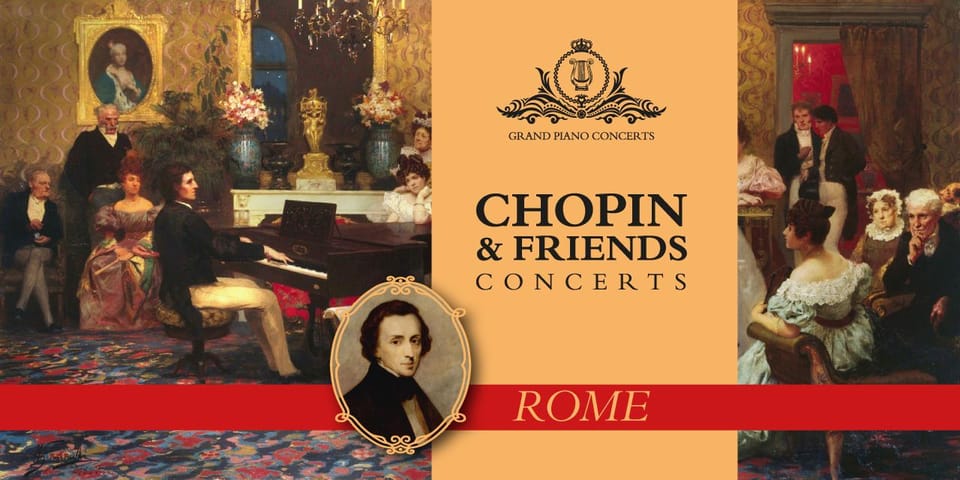
A church piano concert in Rome is a rare thing. This one, Chopin & Italian Friends, pairs Fryderyk Chopin with Italian composers on solo piano, performed in church spaces with acoustics made for long, singing notes. The result feels both classy and personal, like you’re borrowing a corner of 19th-century Europe for an hour.
What I like most is the clear theme: Chopin as the backbone, then Italian greats like Verdi, Mascagni, and Puccini woven in through piano arrangements. You also get a practical, well-paced night out: at 1 hour, it’s easy to fit around Roman sightseeing without turning your evening into a marathon.
One consideration: the outside world can intrude. In some venues, street noise can leak in enough to break the hush, so plan to sit where you’ll hear the piano more than the traffic.
In This Review
- Key highlights at a glance
- A church piano concert in Rome: what makes it different
- Where it happens: Waldensian vs Methodist churches
- The 1-hour program, piece by piece
- Solo piano and the art of translating opera into keys
- Price and value: is $35 fair for a 1-hour show?
- Practical tips so the concert goes smoothly
- Who should book Chopin & Italian Friends?
- Should you book Chopin & Italian Friends? My take
- FAQ
- How long is the Chopin & Italian Friends piano concert?
- What is the price per person?
- Where does the concert take place in Rome?
- Which composers are included in the programme?
- Is the performance for solo piano?
- Is entrance included in the ticket price?
- What languages can you expect for the host or greeter?
- Is the venue wheelchair accessible?
- Can I cancel and get a full refund?
- Is there an option to reserve now and pay later?
- Will I have the same meeting point every time?
Key highlights at a glance
- Chopin-focused set with a full spread of famous piano works
- Italian composer moments from Verdi, Mascagni, and Puccini
- Church acoustics that make a solo instrument feel huge
- Strictly solo piano (no orchestra needed to get the drama)
- English and Italian hosts to keep things straightforward
- Wheelchair accessible venue information included
A church piano concert in Rome: what makes it different
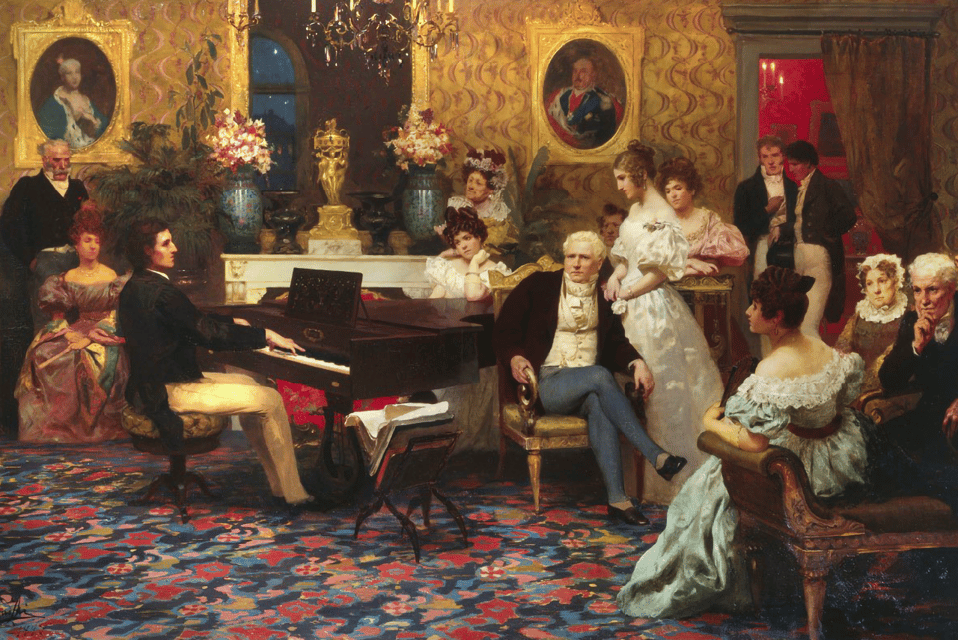
Rome does classical music in a lot of ways. You’ll find big halls, you’ll find tours that stop in for a quick performance, and you’ll find plenty of recordings “brought to life.” This is different because the setting is the star: a church.
Why that matters: churches are built to carry sound. Even when it’s just one piano, the space helps notes bloom, and the music hangs in the air longer than it would in a regular room. That’s exactly the kind of acoustics that makes Chopin’s quieter writing feel intimate, and makes the faster pieces snap with clarity.
Another reason I think you’ll enjoy it is the programming idea. The evening is built around Chopin, but it’s not a one-composer lecture. Italian composers show up in recognizable moods, and you hear how the same emotional ideas travel across national styles when everything is translated into solo piano.
You can also read our reviews of more tours and experiences in Rome

Where it happens: Waldensian vs Methodist churches
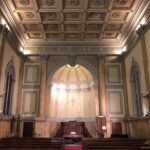
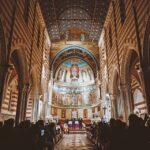
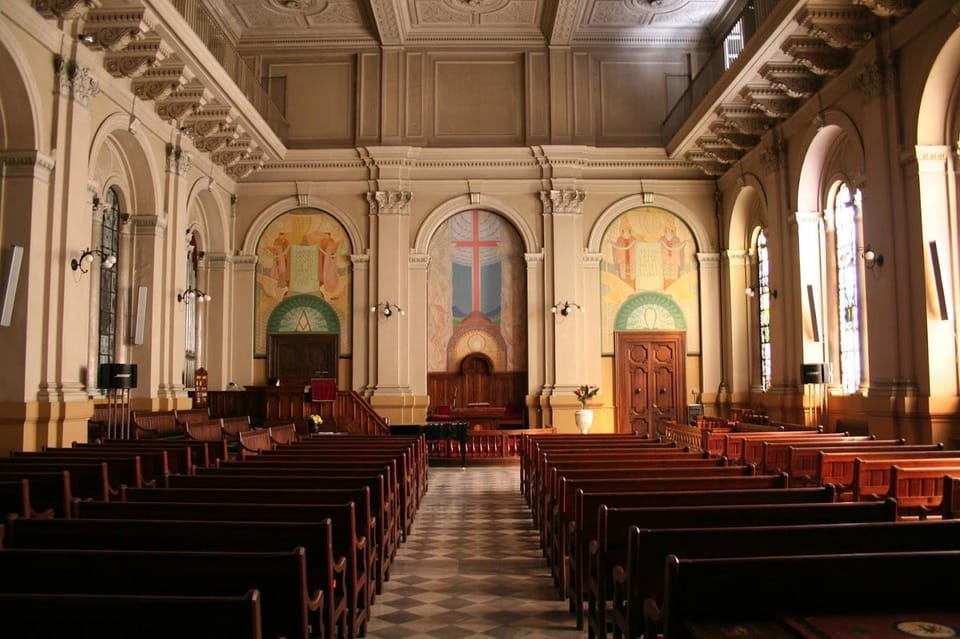
The venue depends on the day of the week. From Monday to Saturday, the concert is held at the Waldensian Church. On Sundays, it moves to the Methodist Church.
You don’t need to memorize church history to appreciate this. The practical value is that you’re guaranteed a church setting, and the acoustics tend to be consistent with that purpose-built design. It also helps you plan: if you’re trying to catch a concert on a specific day, the venue switch is already built in.
One practical note for your experience: if street noise is a concern for you, remember that church doors and nearby streets can affect what you hear. On some nights, outside noise can be loud enough to distract, so choose your seat mindfully when you arrive.
The 1-hour program, piece by piece
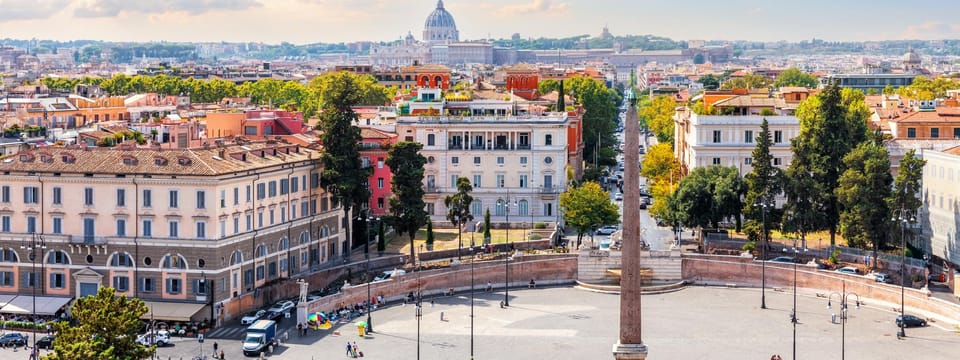
The concert runs about 1 hour, and the program flows through a mix of piano fireworks and lyric passages. It’s not just “famous pieces in a list.” The ordering creates a mood arc: dramatic openings, lyrical breathing space, then a second wave of intensity.
Here’s the programme as performed:
- G. Verdi – Preludio da Traviata
- F. Chopin – Etude op. 25 n. 1
- F. Chopin – Fantaisie Impromptu op. 66
- P. Mascagni – Intermezzo da Cavalleria
- G. Puccini – Intermezzo da Manon Lescaut
- F. Chopin – Prelude op. 28 n. 4
- G. Ponte – Tarantella
- F. Chopin – Ballade op. 23
- G. Puccini – Foglio d’album
- C. Debussy – Clair de lune
- G. Gershwin – Rhapsody in blue
- F. Chopin – Scherzo n. 2 op. 31
What to listen for as you go:
- Verdi at the start sets a theatrical tone fast. You get drama before you even settle into Chopin mode.
- The Chopin section takes over in full: an etude, then the famous Fantaisie Impromptu, then later a prelude that’s short but emotionally sharp.
- The Italian intermezzi (Mascagni and Puccini) give you that operatic “pause” feeling, translated for piano. Even as a solo performance, you can often hear how the composer implies voices and movement.
- Debussy’s Clair de lune is the kind of piece that works beautifully in church acoustics: soft dynamics, long resonance, and a sense of calm.
- Then Gershwin’s Rhapsody in blue changes the world a little. It’s a reminder that piano can handle more than classical tradition, even when the whole evening is built around Chopin.
- The close with Chopin Scherzo op. 31 gives you a final hit of energy and agility, perfect for leaving with your ears still ringing.
Small live-performance reality check: even when the programme is planned, performances can have small deviations. If there’s a specific piece you’re counting on, come in excited for the overall arc, not only one title.
Solo piano and the art of translating opera into keys
The concept here is simple: you’re hearing Italian composer material and Polish composer classics arranged for solo piano.
That’s not a “lesser” version of orchestral music. In a church, a solo piano can feel more direct. There’s less distance between the performer and you, and you focus on the details: how the rhythm is shaped, how chords are held, how the pianist uses pedaling to create color.
For Italian composers, this matters even more. Verdi, Mascagni, and Puccini wrote with singers and orchestras in mind. When their melodies arrive through piano, the pianist becomes the orchestra and the voice at the same time. That’s when you’ll notice why this format is popular: you get the emotional headline without needing to follow a full staged production.
You also get a nice training effect for your own listening. By the end, you’ll be able to separate what you’re hearing as melody, what you’re hearing as harmony, and what’s happening rhythmically. That makes the whole evening feel like more than just a concert ticket.
Price and value: is $35 fair for a 1-hour show?
At $35 per person for 1 hour, the price is reasonable if your priority is quality music in a rare setting. You’re not paying for a long production or a staged spectacle. You’re paying for:
- a curated Chopin-led programme
- Italian composer pieces arranged for the solo piano format
- a church venue with acoustics that amplify the sound
- a small, atmospheric environment rather than a huge hall
If you’re comparing this to big concert venues, think of it as a different kind of value. Here, the payoff is intimacy and listening focus. One review noted a small audience size, and that lines up with why this kind of concert works: you’re more likely to feel connected to the performer and the music.
If you’re looking for spectacle, this isn’t that. But if you want to hear classic pieces performed well in a real Roman church atmosphere, the cost-to-experience ratio feels fair.






Practical tips so the concert goes smoothly
A few small choices can make a big difference with this format.
1) Bring flexible expectations.
It’s a live performance. There can be nights when the pianist doesn’t play every planned piece exactly as expected. Still, the overall musical identity stays clear: Chopin plus Italian composers in a single solo-piano evening.
2) Plan your seat for sound, not views.
If street noise bothers you, your seat matters. Try to position yourself so the piano dominates what you hear. In church spaces, sound direction can be tricky, and doors and openings can affect how outside noise carries in.
3) Go with the time window.
The concert is about 1 hour. Don’t schedule a long gelato line or a museum visit right after unless you’re okay with possibly arriving late to one of them. Give yourself enough buffer so the music stays the main event.
4) Confirm the meeting point once you book.
The meeting point may vary depending on the option booked. That’s normal, but it does mean you should check your specific instructions instead of assuming it’s the same spot every time.
5) Languages are handled.
You’ll have English and Italian support from the host or greeter. That helps with any questions about entry or seating.
6) Accessibility is included.
The venue is listed as wheelchair accessible. If you use a chair, plan to arrive with enough time to get settled comfortably.
Who should book Chopin & Italian Friends?
I’d book this if you fit one or more of these boxes:
- You love Chopin and want to hear him in a focused setting, not scattered across a long programme.
- You’re curious about Italian composers but prefer hearing them through a piano lens rather than a full opera night.
- You want a classic evening that doesn’t require a half-day commitment.
- You like quieter, listening-centered activities while in Rome, especially if you’re already doing your share of museums and big sights.
This is less ideal if:
- you hate any outside noise and need absolute silence
- you want something that feels like a full concert hall production with a large crowd and big staging
- you’re only interested in one specific piece and would feel disappointed if it doesn’t happen that night
Should you book Chopin & Italian Friends? My take
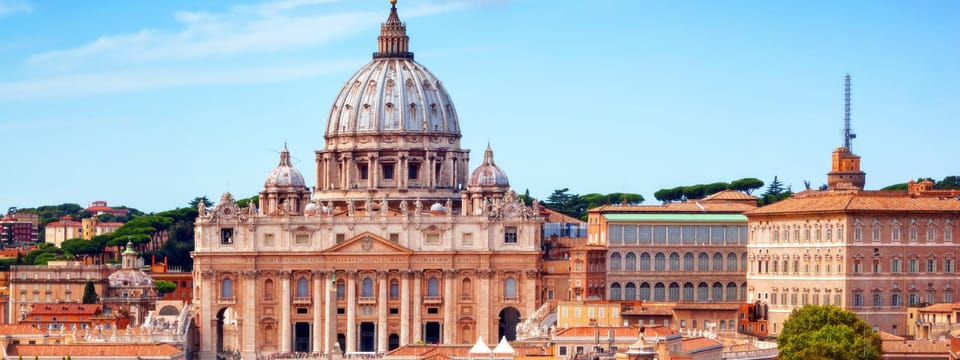
If your goal is to spend an hour in Rome listening to solo piano with Chopin at the center, in a church with strong acoustics, then yes, it’s worth booking. The price is in the zone for this kind of intimate classical experience, and the mix of Verdi, Mascagni, and Puccini gives you variety without losing the evening’s theme.
My only “pause” is the noise factor. If you’re extremely sensitive to street sounds, do your best to choose a quieter spot inside. Also, keep your mindset on the whole musical journey rather than treating it like a guaranteed checklist.
If you’re the type who loves the feeling of hearing great music in a real room made for resonance, this is exactly your kind of evening.
FAQ
How long is the Chopin & Italian Friends piano concert?
The concert lasts 1 hour.
What is the price per person?
The price is $35 per person.
Where does the concert take place in Rome?
It’s held in Lazio, Italy, in church venues with performance days split between Waldensian Church (Monday to Saturday) and Methodist Church (Sundays).
Which composers are included in the programme?
The programme includes music by Fryderyk Chopin, Giuseppe Verdi, Pietro Mascagni, Giacomo Puccini, along with pieces by Giuseppe Ponte, Claude Debussy, and George Gershwin.
Is the performance for solo piano?
Yes. The concert features solo piano arrangements.
Is entrance included in the ticket price?
Yes, the ticket includes entrance to the piano concert.
What languages can you expect for the host or greeter?
The host or greeter is available in English and Italian.
Is the venue wheelchair accessible?
Yes, the venue is wheelchair accessible.
Can I cancel and get a full refund?
Yes, you can cancel up to 24 hours in advance for a full refund.
Is there an option to reserve now and pay later?
Yes, you can reserve now and pay later.
Will I have the same meeting point every time?
The meeting point may vary depending on the option booked.