REVIEW · ROME
Rome: Catacombs and Basilicas with Holy Stairs Tour
Book on GetYourGuide →Operated by Brastours · Bookable on GetYourGuide
Rome has a way of pulling faith, history, and street life into the same small radius. This tour packs two major basilicas, the Scala Sancta (Holy Stairs), and the underground catacombs into one smooth 4-hour loop with minivan help.
I like that you’re not just looking from the outside. You get skip-the-line entry where time matters most, plus headsets so you can actually follow what the guide is pointing out.
One drawback to plan around: this is not a fit if you have mobility issues or claustrophobia, since part of the experience is underground and the rules are strict about clothing and what you can bring.
In This Review
- Key reasons this tour works well
- The “4 hours” sweet spot for big Rome faith sights
- Meeting point: plan to start on time at Mecenate Palace Hotel
- Basilica Papale di Santa Maria Maggiore: best preserved, big meaning
- Basilica di San Giovanni in Laterano: Rome’s real cathedral
- Scala Sancta (Holy Stairs): short stop, powerful focus
- Appian Way transfer: a Roman Empire road on the way down
- Catacombs of Rome: underground Christian cemeteries with a Vatican guide
- Skip-the-line, headsets, and a small group pace
- Getting the dress code right: long sleeves, long pants, no metals
- Price and value: what $147.27 buys you in Rome
- Who this tour fits best (and who should skip it)
- Should you book the Rome Catacombs and Basilicas with Holy Stairs tour?
- FAQ
- Where does the tour meet?
- How long is the tour?
- Is there skip-the-line entry?
- What sites are included in the tour?
- Do I need to wear specific clothing?
- How big is the group?
- What languages is the tour offered in?
Key reasons this tour works well
- Small group (max 7) keeps the pace calm and questions easy
- Skip-the-line entry at Santa Maria Maggiore, San Giovanni in Laterano, and the Catacombs
- Holy Stairs + basilicas in one circuit so you see the story in order
- Official Vatican guide in the Catacombs for a more focused underground visit
- Headsets help you hear explanations in large, echoing churches
- Minivan transportation reduces the walking load across central Rome
The “4 hours” sweet spot for big Rome faith sights
If you only have one half-day, you’ll appreciate how this route is built for efficiency. You’re hitting two of Rome’s most important church stops (both Papal Basilicas), then moving into the underground world of the Roman Catacombs, with the Holy Stairs placed right in the middle. The order matters: it helps you connect the sacred landmarks above ground with the Christian burial traditions below.
The tour also avoids the usual Rome chaos. Instead of juggling tickets and entrances on your own, you get guided entry and timed segments with short walks between stops. That means you can spend your energy paying attention, not figuring out where to stand.
And yes, it’s structured, not rushed. Most of the walking chunks are built-in (around 45 minutes at each basilica, a brief Holy Stairs stop, and about an hour in the Catacombs). You’ll still want comfortable shoes, but you won’t feel like you’re doing an all-day gym session.
You can also read our reviews of more tours and experiences in Rome.



Meeting point: plan to start on time at Mecenate Palace Hotel
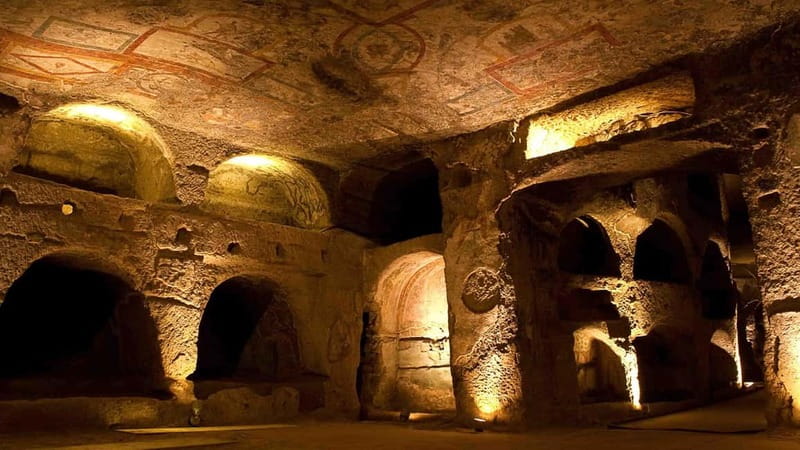
Your morning begins right where a lot of tours start to get messy—right at a clear landmark. Meet your guide in front of the Mecenate Palace Hotel entrance. Waiting there is the key. If you miss the start time, the tour rules say there are no refunds for late arrivals who miss the tour, so don’t treat the meeting point like a suggestion.
Once you link up with your guide, the group stays together. You’ll be routed through entrances and guided segments with skip-the-line access, which is exactly what you want in Rome’s busiest church areas.
Also, keep your bag situation simple. The tour info says no large bags or luggage. If you typically carry a big daypack, consider storing some extras before you go so you don’t end up scrambling at the start.
Basilica Papale di Santa Maria Maggiore: best preserved, big meaning
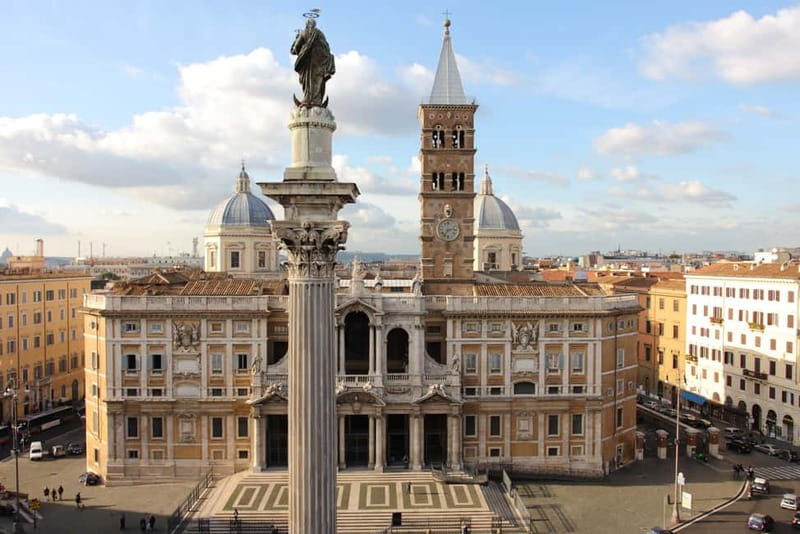
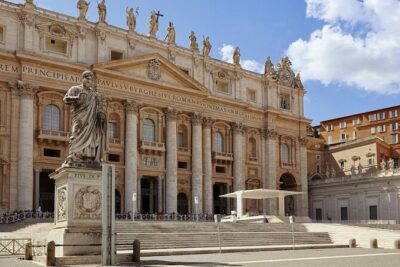
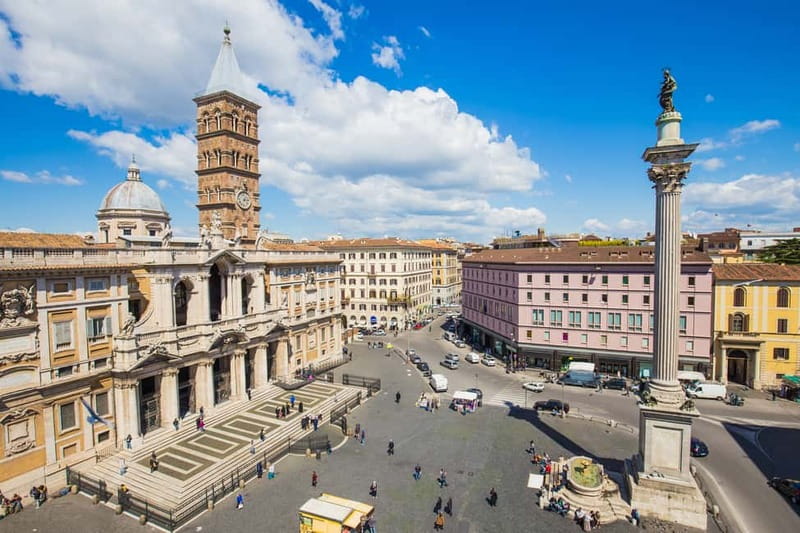
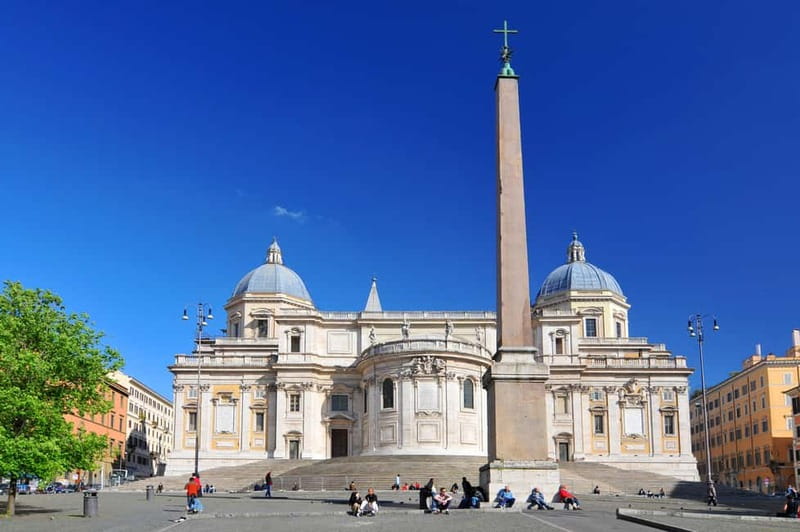
Santa Maria Maggiore is often the stop people feel most impressed by fast. It’s described as the most important and best preserved of the Roman churches on this route, dedicated to the Virgin Mary. That matters because you’re not just seeing another church—you’re stepping into a site that’s framed as a standout in Rome’s Christian landscape.
Expect a guided visit with a walk segment of about 45 minutes. This is usually enough time to get oriented, understand what you’re seeing, and still have a moment to slow down. If you like learning the “why” behind what you’re looking at, this portion is where the tour does a good job of giving you context before you move on.
One practical detail you can hold onto while there: the basilica houses the tomb of Pope Francis. That’s a concrete anchor for your attention—rather than drifting through artwork and arches, you’ll have a focal point tied to a real modern figure in papal history.
Basilica di San Giovanni in Laterano: Rome’s real cathedral
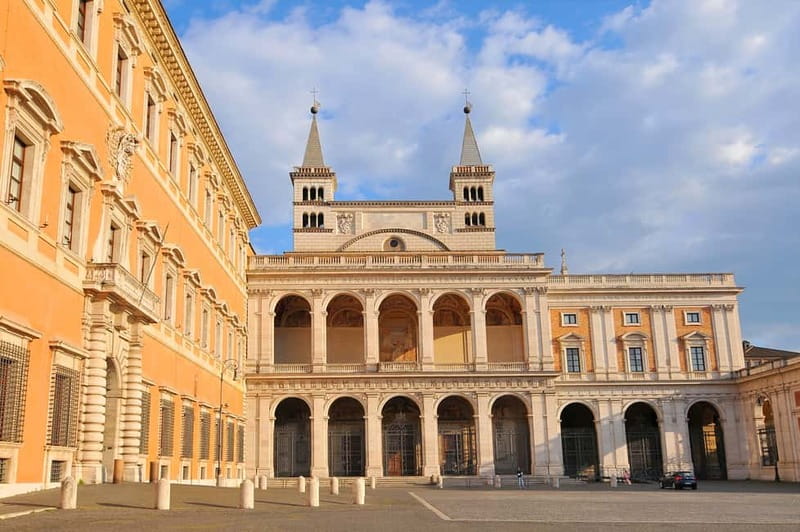
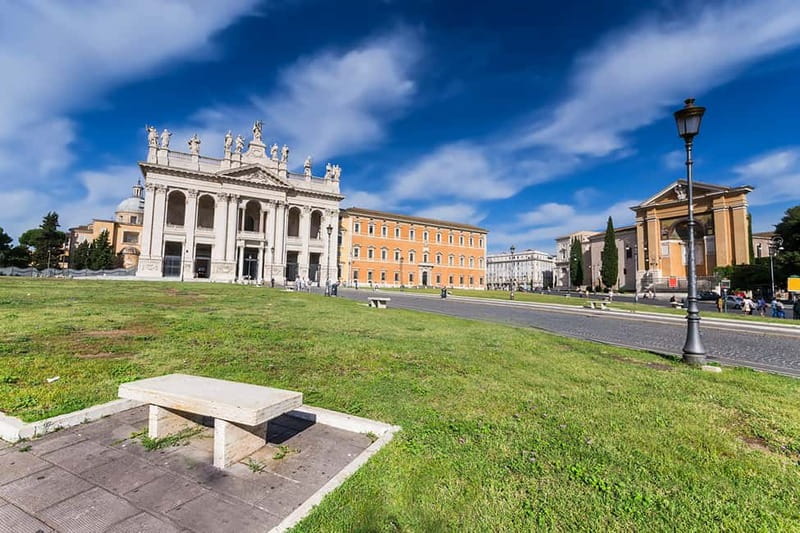
Next comes San Giovanni in Laterano, and the framing here is very clear. It’s considered the real Cathedral of Rome, and it was also the first papal residence. So while you’re in a beautiful church, you’re also in a place connected to where the papacy lived and functioned.
You’ll have another guided visit with about 45 minutes of walking time. I like this because it prevents the classic Rome problem: arriving at a major sight and spending most of your time just trying to understand the basics. Here, the guide segment helps you connect the cathedral role to what you’re seeing in front of you.
This stop is also a good checkpoint for your energy. By this point, you’ve already had time above ground with Santa Maria Maggiore, and then you transition into the next spiritual landmark—Scala Sancta—without getting lost in between.
Scala Sancta (Holy Stairs): short stop, powerful focus
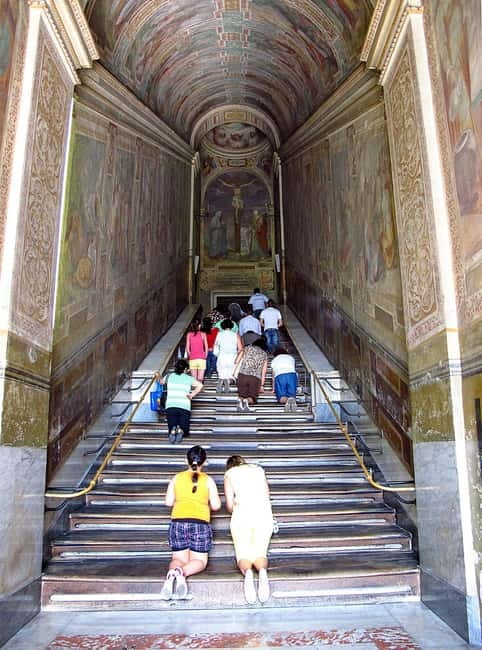
Scala Sancta is the most “story-forward” stop on the tour. You’ll visit the Holy Stairs, which are described as the stairs on which Jesus Christ climbed during his passion. Even if you’re not coming from a faith background, you’ll probably feel how much meaning people attach to this place.
The guided time here is brief—about 15 minutes with walking. That short duration is actually useful. It keeps the experience from turning into a long stop where you lose the thread. Instead, you get enough time to understand what these stairs represent and to see them without the pressure of an extended wait.
Dress matters more here than you might expect. The tour rules require long sleeves and long pants, and shorts or uncovered shoulders are not allowed. If you’re arriving from sightseeing outside the church districts, make sure you can adjust your clothing before you reach the line.






Appian Way transfer: a Roman Empire road on the way down
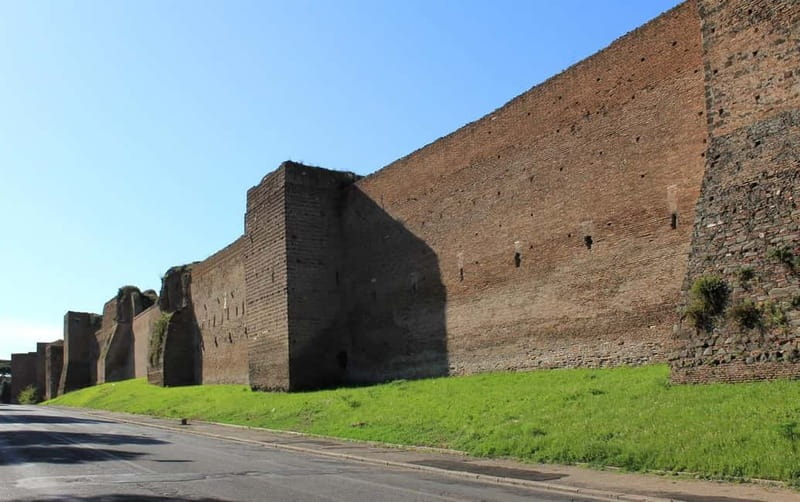
After the Holy Stairs, the tour continues toward the Catacombs via the ancient Appian Way. It’s described as the most important road of the Roman Empire. The bus/minivan segment plus the guided route gives you a quick taste of Rome’s infrastructure era, without turning your day into a history lecture you didn’t ask for.
I find this kind of connector stop valuable. You’re not only moving between “religious sites.” You’re also getting reminded that Rome’s early Christian story unfolded inside the broader fabric of the empire—roads, movement, and communities.
This is also part of why the tour works even if you’re tired. The transfer helps you stay fresh for what’s coming next: the underground catacombs, where the pace shifts from bright basilica light to tight passageways and careful viewing.
Catacombs of Rome: underground Christian cemeteries with a Vatican guide
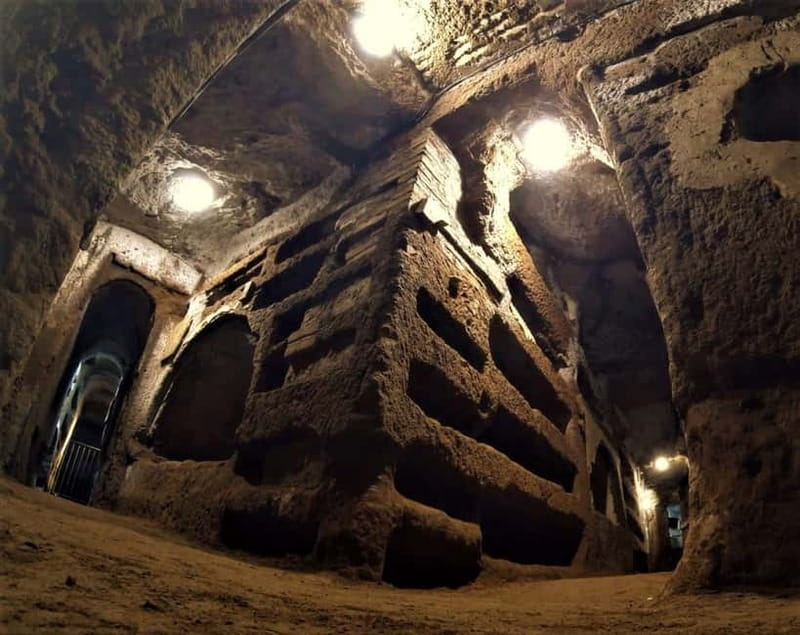
Now for the heart of the day: exploring the Catacombs of Rome. This is where the tour description gets specific about what you’re doing underground: you’ll walk an ancient underground labyrinth of Christian cemeteries with an official Vatican guide.
You’ll spend about an hour here, which is long enough to make sense of the space but not so long that you start feeling lost or just tired. The official guide angle is important for me. Catacomb experiences can turn into a “we’ll show you a room and move on” routine if the guidance is weak. Having a Vatican guide for this segment signals that you’ll get a structured explanation of what you’re seeing.
A key consideration: this tour is not suitable for people with claustrophobia. Even if you think you might be okay, take that warning seriously. Underground areas can feel tighter than your imagination suggests, and the rules tell you this is not a match for that concern.
If you’re going, plan for steady attention. Bring your curiosity, but also bring patience—catacombs are not designed for fast photo-and-go sightseeing. You’ll get better value if you focus on the guide’s explanation and the way the space is organized.
Skip-the-line, headsets, and a small group pace
A lot of Rome tours promise the right sights. Fewer actually handle the friction. Here, skip-the-line entry is included for Santa Maria Maggiore, San Giovanni in Laterano, and the Catacombs. That’s a big value lever in Rome, because your time window can evaporate if you’re stuck in ticket lines.
Headsets are another underrated inclusion. Churches can be noisy in the crowd sense and echoing in the acoustics sense. With headsets, you’ll hear the guide without having to crane your neck and strain. This matters most when you’re trying to follow the story behind details like tomb locations and how these sites are framed.
The group size is limited to 7 participants, which changes the feel. In a smaller group, you’re more likely to get your questions answered without the guide feeling rushed. The pace also tends to be more manageable, especially when you’re moving between multiple high-demand sites in central Rome.
Getting the dress code right: long sleeves, long pants, no metals
This is one place where I’d follow the rules exactly. The tour requires long-sleeved shirts and long pants. Short skirts, sleeveless shirts, and shorts are not allowed.
It also restricts what you bring:
- no weapons or sharp objects
- no luggage or large bags
- forbidden metal objects (yes, that includes things like bulky metal items)
- no pets (assistance dogs allowed)
If you’re the type who travels with a small crossbody plus a few metal items in your pocket, do a quick check before you meet the guide. A common frustration in Rome is arriving confident and then realizing something small doesn’t fit the rule. The tour is set up to run smoothly, so it’s worth doing your part up front.
Price and value: what $147.27 buys you in Rome
At $147.27 per person for a 4-hour tour, the price isn’t the “cheapest ticket in town” kind of deal. But it’s not random either. You’re paying for a guided plan that includes:
- skip-the-line entry at three major sites
- professional licensed guiding
- headsets for the full experience
- minivan transportation to keep the pace reasonable
- small group format (max 7)
- Catacombs exploration with an official Vatican guide segment
Here’s how I think about value: you’re buying time savings plus better context. Catacombs and major basilicas are the kind of places where a guide can turn a confusing walk into something you actually remember. And skip-the-line access helps you avoid losing your half-day to paperwork and waits.
If your plan is to hit all these sites solo, you’d likely spend time managing tickets and entrances while also doing guesswork about what to look for. For a first-time Rome visitor, paying for the structure is usually the smart move.
Who this tour fits best (and who should skip it)
This tour makes sense if you want a guided, story-led route through key Christian sites in Rome without spending your whole day coordinating logistics. The small group and headsets are especially helpful if you prefer a calmer experience rather than weaving through crowds on your own.
You should also consider it if you like a clear sequence: major basilicas above ground, the Holy Stairs as a focal moment, then the Catacombs as the underground conclusion. It’s a tight arc.
On the other hand, don’t book if you have mobility impairments or wheelchair needs, or if you have claustrophobia. The tour explicitly says it’s not suitable for those situations, and the setting underground makes that warning real.
Also, if you’re traveling with kids or family members who won’t follow clothing rules (long sleeves and long pants), double-check before going.
Should you book the Rome Catacombs and Basilicas with Holy Stairs tour?
I’d book it if you want a focused half-day that hits the biggest Christian landmarks with minimal waiting and a guide who keeps the story coherent. The combination of Santa Maria Maggiore, San Giovanni in Laterano, Scala Sancta, and the Catacombs is a lot to pack into 4 hours, and the tour’s structure is what makes that feasible.
You should pass if any part of the underground experience is a concern for you, especially claustrophobia or mobility limits. And if you can’t meet the dress rules (no shorts, no uncovered shoulders), you’ll have a rougher time than it’s worth.
One more confidence boost: the tour has a strong overall rating of 4.8 based on 9 reviews, and a guide named Serena is highlighted as very informative and nice. That’s the kind of signal that the explanation part of the tour likely lands well.
If that sounds like you, book your slot and aim to arrive ready to follow the rules. This is the kind of Rome day where the guidance helps you see meaning in the details instead of just collecting stops.
FAQ
Where does the tour meet?
You meet in front of the Mecenate Palace Hotel entrance, and your guide will meet you there.
How long is the tour?
The tour duration is 4 hours.
Is there skip-the-line entry?
Yes. Skip-the-line entry is included for Santa Maria Maggiore, San Giovanni in Laterano, and the Catacombs.
What sites are included in the tour?
It includes Basilica Papale di Santa Maria Maggiore, Basilica di San Giovanni in Laterano, Scala Sancta (Holy Stairs), and the Catacombs of Rome.
Do I need to wear specific clothing?
Yes. Long sleeves and long pants are required. Shorts, short skirts, and sleeveless shirts are not allowed.
How big is the group?
The group is small, limited to 7 participants.
What languages is the tour offered in?
The tour is available in English and Spanish.