REVIEW · ROME
Rome: Capuchin Crypt experience with Panoramic transfer
Book on GetYourGuide →Operated by TICKETSTATION SRL · Bookable on GetYourGuide
The Capuchin Crypt hits you fast. This small, focused visit pairs a panoramic bus transfer with time in the Capuchin Crypt Museum, so you get orientation plus an eerie, meaningful stop right in central Rome. I especially liked how the museum explains the Capuchin friars through objects you can actually picture, from daily items to church vestments. And I found the approach feel-good-in-a-strange-way: simple, human, and not just shock value.
My second favorite part was the route itself. You start at Touristation Aracoeli in Piazza d’Aracoeli, then take a one-run panoramic bus to the Barberini area with an audio guide to set the scene before you ever walk inside. One possible drawback: the museum and crypt are in sacred spaces, and the crypt is also not for everyone if you’re sensitive to human remains or prone to feeling closed in.
In This Review
- Key highlights to look for
- Start at Piazza Ara Coeli: ticket pickup and a scenic launch
- Panoramic transfer to Barberini: arriving ready to notice details
- Inside the museum: 8 rooms that connect friars, objects, and mission
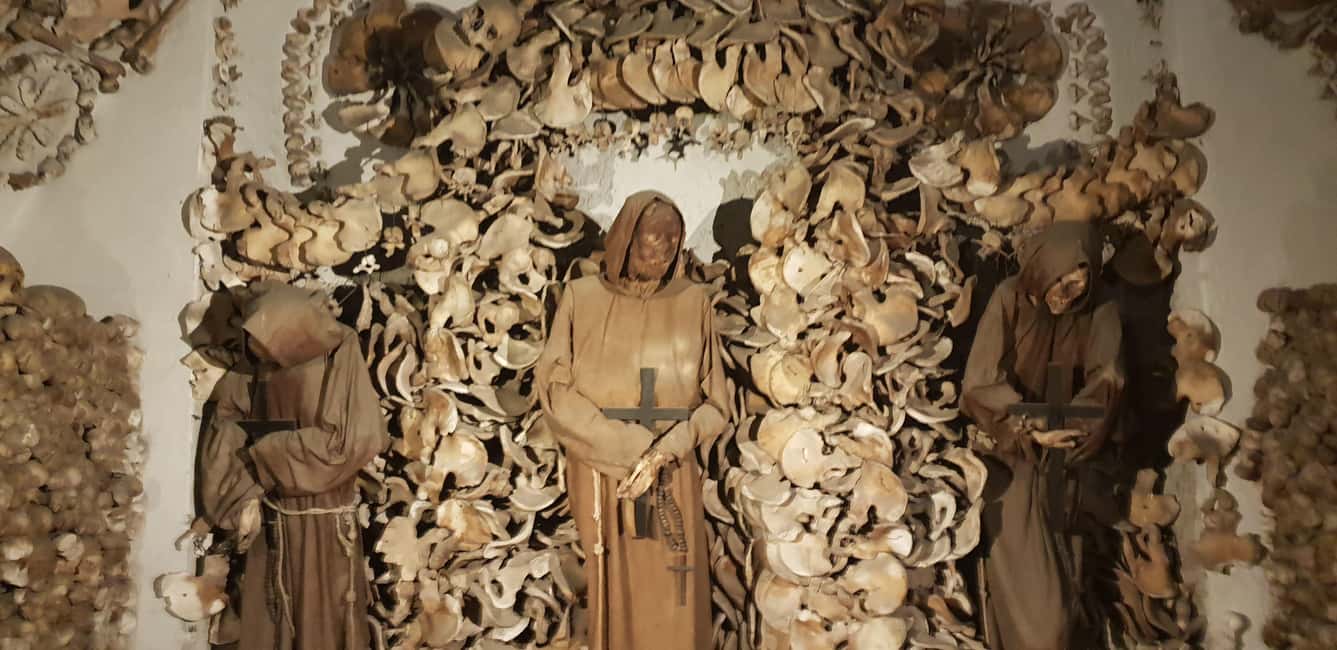
- The Crypt-Cemetery: evocative, sacred, and not for everyone
- What you’ll hear: audio guide and Rome app value
- Practicalities and do’s: make the timing and rules work for you
- Price and value: what $43.27 buys you
- Who should book this Capuchin Crypt experience?
- Should you book this Capuchin Crypt with panoramic transfer?
Key highlights to look for
- Panoramic bus + audio guide: city intro while you ride, then you’re dropped near Piazza Barberini.
- Museum with 8 distinct rooms: from the convent story to everyday objects and liturgical pieces.
- The Santa Maria della Concezione connection: the museum is attached to the baroque church.
- Vestments and ordinary artifacts: you’ll see how the order lived, not just what it preached.
- Saint Francis in meditation: a painting, possibly by Caravaggio, adds a big art moment.
- The Crypt-Cemetery: the emotional finish that closes the visit.
Start at Piazza Ara Coeli: ticket pickup and a scenic launch
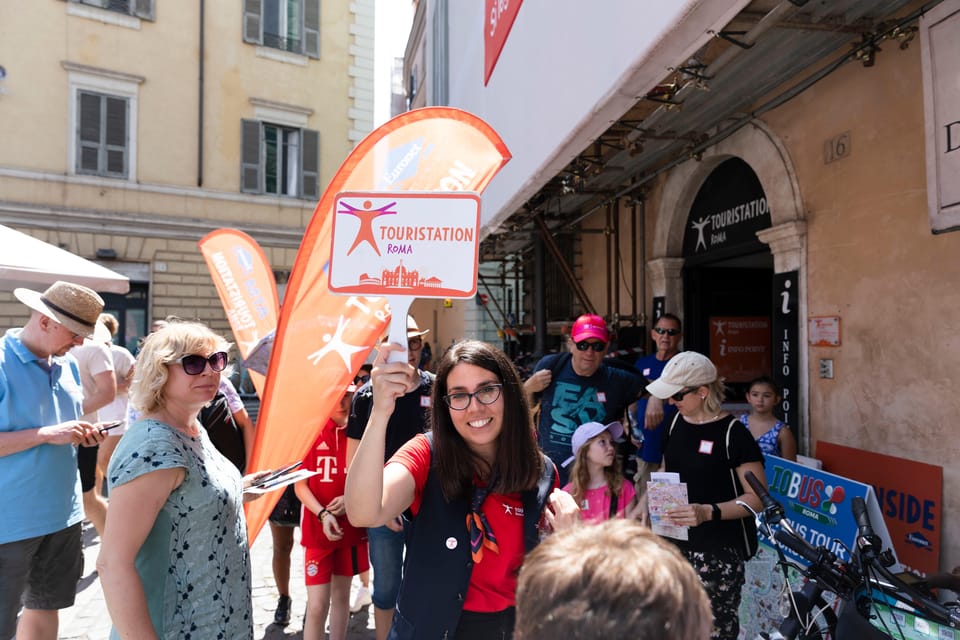
Your experience begins at Touristation Aracoeli, Piazza d’Aracoeli 16. Look for a fountain under restoration and the orange flags outside the office. Redeem your voucher there and you’ll receive what you need in one go, including the one-run panoramic bus ticket plus priority entry to the Capuchin Crypt.
I like this setup because it saves you time. Instead of juggling separate lines and hopping between offices, you get streamlined access early. And because you’re starting in the center, it’s easy to combine with other nearby sights the same day—just remember you’ll be walking when you arrive.
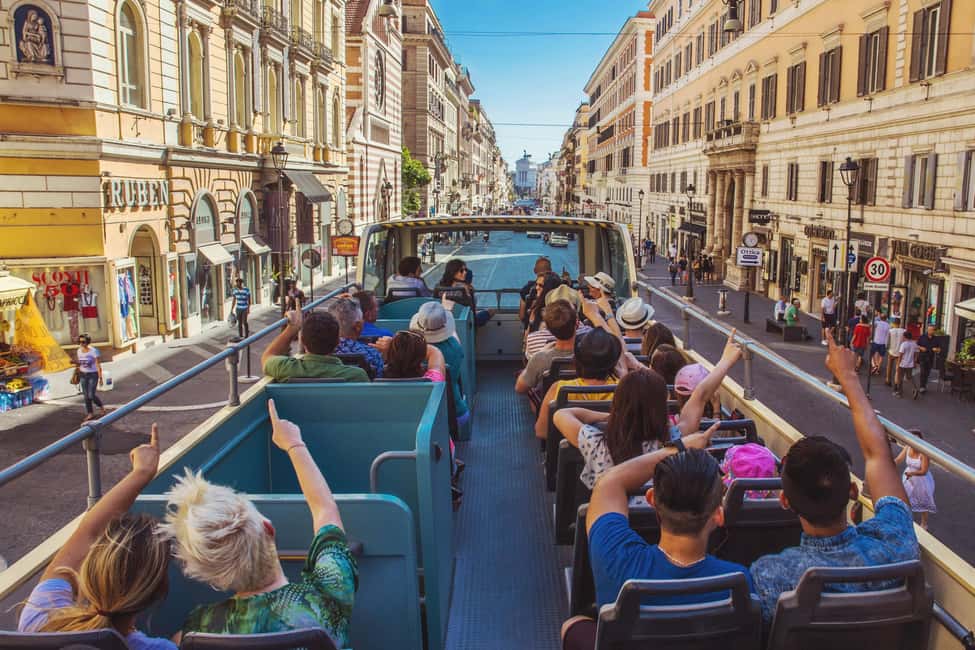
Then comes the simple part: you head to the panoramic bus right in front of the meeting point. The ride takes you directly to the Barberini stop, where the Capuchin Crypt is located. During the journey, you get an audio guide with main information about Rome. It’s not meant to replace a full guided tour, but it’s a solid way to get your bearings fast.
Also worth noting: this tour is about 2 hours, so you’ll want to treat it like a compact, high-impact cultural stop rather than a long museum day.
You can also read our reviews of more tours and experiences in Rome


Panoramic transfer to Barberini: arriving ready to notice details
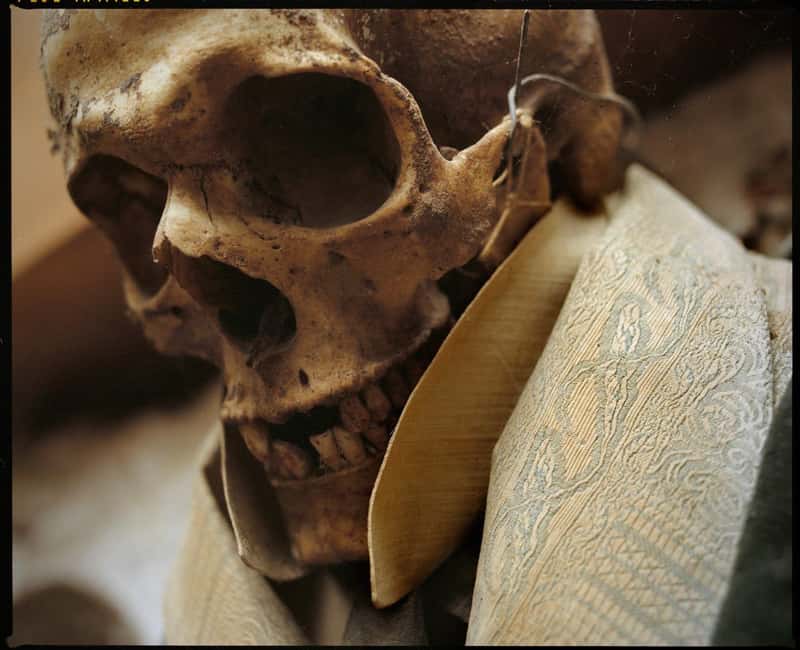
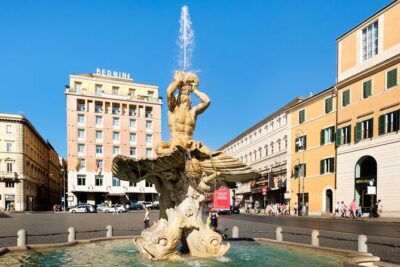
Once you drop at Barberini, you’re in walking distance of the Capuchin Crypt Museum, which sits on Via Veneto. It’s a few steps from Piazza Barberini, attached to the baroque church of Santa Maria della Concezione.
This location matters. You’re not heading into a random side street with no context—you’re moving from Rome’s street life into a place shaped by religion, art, and architecture. Even before the museum, the site’s atmosphere gives you clues about what you’re about to see: the Capuchins weren’t just a spiritual movement. They influenced how people thought about faith, charity, and art throughout Lazio.
One practical tip: bring comfortable shoes. You’ll be standing and walking through multiple rooms, then continuing into the final crypt area. If you’re planning to do other things afterward, keep that in mind—you may want a slower pace after this.
Inside the museum: 8 rooms that connect friars, objects, and mission
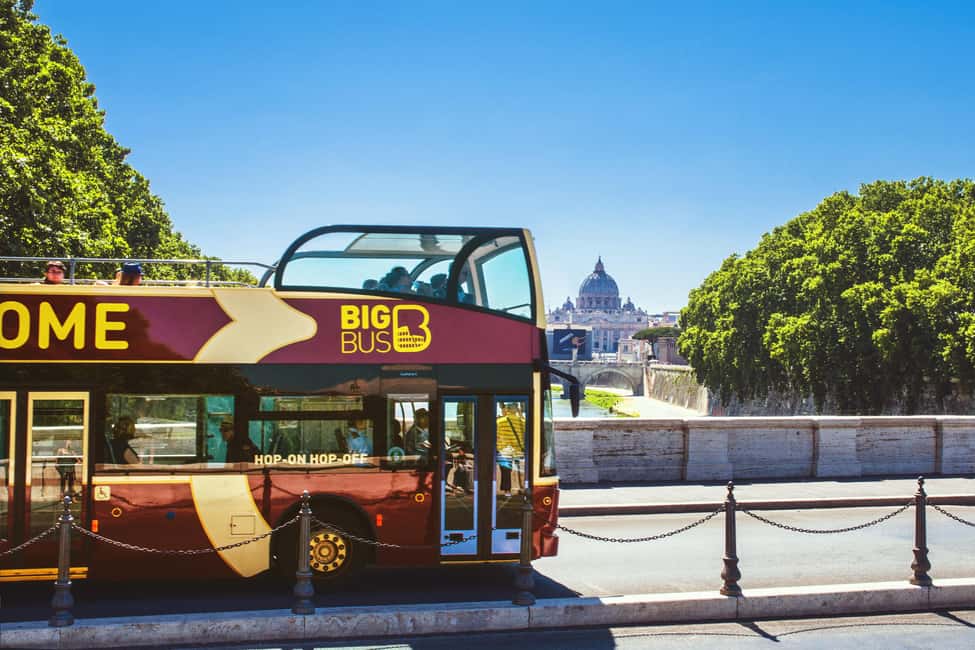
The museum visit is designed like a guided storyline. It starts with the convent and the order’s way of living, then moves through spirituality, art, and the Capuchins’ wider influence. Expect to explore multiple rooms, and then the visit transitions into the Crypt-Cemetery, which closes the experience.
Here’s what each major section is doing for you:
Convent beginnings (commissioned by the Barberini family)
The first section focuses on the convent commissioned by the Barberini family, completed in 1631. It was designed according to the work of Capuchin architect Fra Michele da Bergamo. This sets the timeline and explains how a religious community physically took root in the area. For me, this is a key “why it exists” moment before you’re shown the more personal material later.
Order and spirituality through saints’ stories
The next two sections use images and stories of saints to present Capuchin life and spirituality. This part helps you avoid the common mistake of treating the Capuchin Crypt as only an atmosphere. It’s also an attempt to explain the order’s beliefs—how they saw brotherhood, devotion, and their role in society.
Vestments, liturgical objects, and everyday items
The museum then shifts from ideas to things: vestments, objects of liturgical use, and artifacts of everyday use. I like this because you can look at these pieces and immediately understand what “simple lifestyle” means in real terms. This is where the experience becomes more human, less abstract.
Saint Francis in meditation (possibly Caravaggio)
One of the standout art moments is a painting depicting Saint Francis in meditation. The info you’re given says it may be made by Caravaggio specifically for the Capuchin convent. Even if that attribution is debated in broader art circles, the fact that this work is connected to the Capuchin setting is still powerful. It shows the order wasn’t isolated from major artistic currents—it commissioned and inspired serious art too.
20th-century spiritual, cultural, missionary, and artistic activity
The later sections connect the Capuchins’ work to the twentieth century and beyond, including missionary and artistic activity around the world. This is useful if you came in thinking the Capuchins only mattered centuries ago. You’ll leave with a sense of continuity, not just a historical snapshot.
The museum’s ending: the Crypt-Cemetery transition
The final section acts like a handoff. It sets you up for the Crypt-Cemetery—the place that seals the emotional tone of the entire visit.
The Crypt-Cemetery: evocative, sacred, and not for everyone
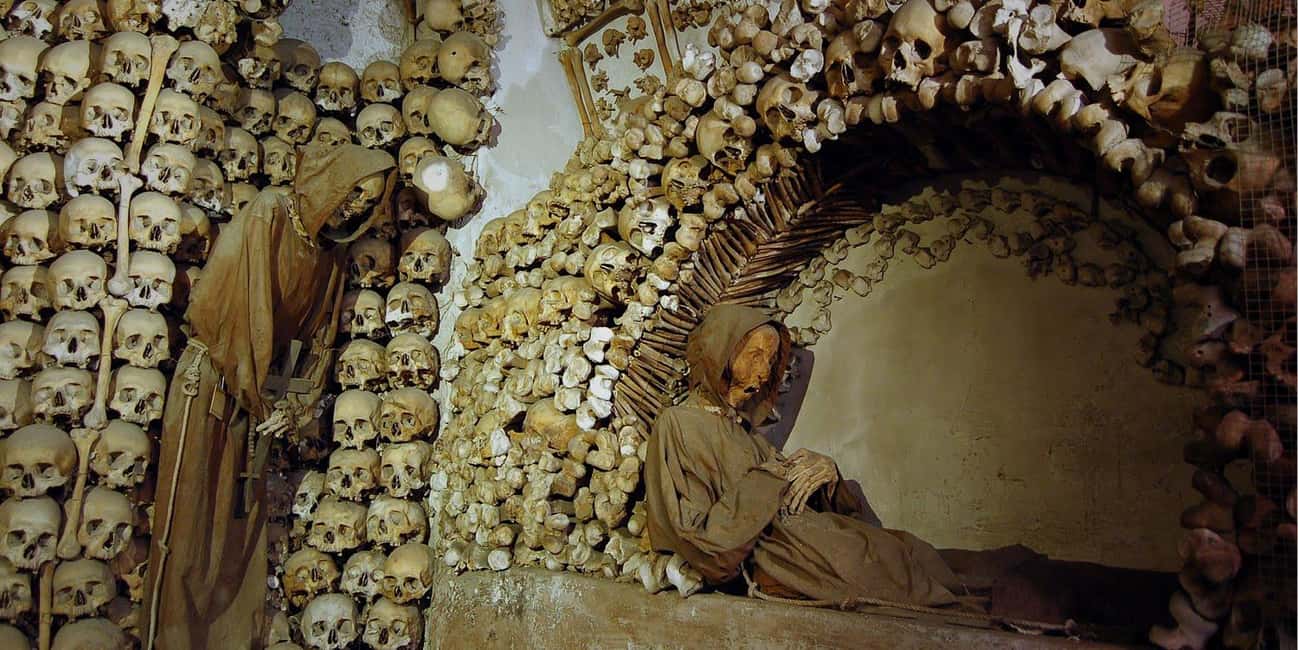
After the museum rooms, the visit closes at the Crypt-Cemetery. This is where the experience stops being a lesson and becomes a presence. The setting is described as highly evocative, and the tour format clearly treats it as the main event.
It’s also important to know the limits up front. The visit is not recommended if you’re claustrophobic or sensitive to human remains. If either of those applies, I’d rather you skip this than force it. You don’t need to “tough it out” to enjoy Rome. There are plenty of other meaningful sights that don’t ask this kind of emotional adjustment.
Photography rules matter here too. You’re not allowed to use flash photography, and photography is not allowed inside the crypt. If you love taking pictures, plan to enjoy this place with your eyes and your notes instead.
And because it’s a sacred place, you’ll want to dress appropriately. The guidance is simple: appropriate attire is required. Comfortable walking shoes help, but for the rest, aim for neat and respectful. Think church-smart rather than beach-ready.
What you’ll hear: audio guide and Rome app value
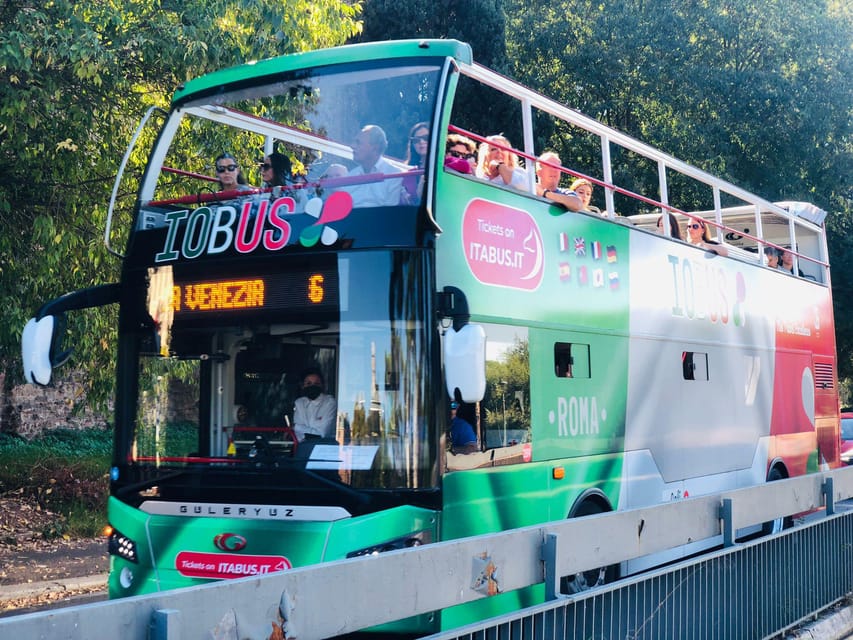
You’ll get audio as you go in two ways.
First, you’ll have an audio guide during the panoramic bus ride, with main information about the city of Rome. This helps you connect what you’re seeing in town right now—routes, neighborhoods, and broad context—so your time in the museum feels less like an isolated stop.
Second, you’ll have an audio guide for the Capuchin Crypt itself. That’s a big deal for this type of site. When you’re surrounded by symbolism and difficult subject matter, audio narration helps you understand what you’re looking at and why it was preserved.
Then there’s an added bonus: an audioguida app for Rome with more than 170 points of interest. I’d treat this as a money-saver for the rest of your day. You can use it to keep momentum after the crypt visit, especially if you’re trying to avoid switching between multiple apps.






Practicalities and do’s: make the timing and rules work for you
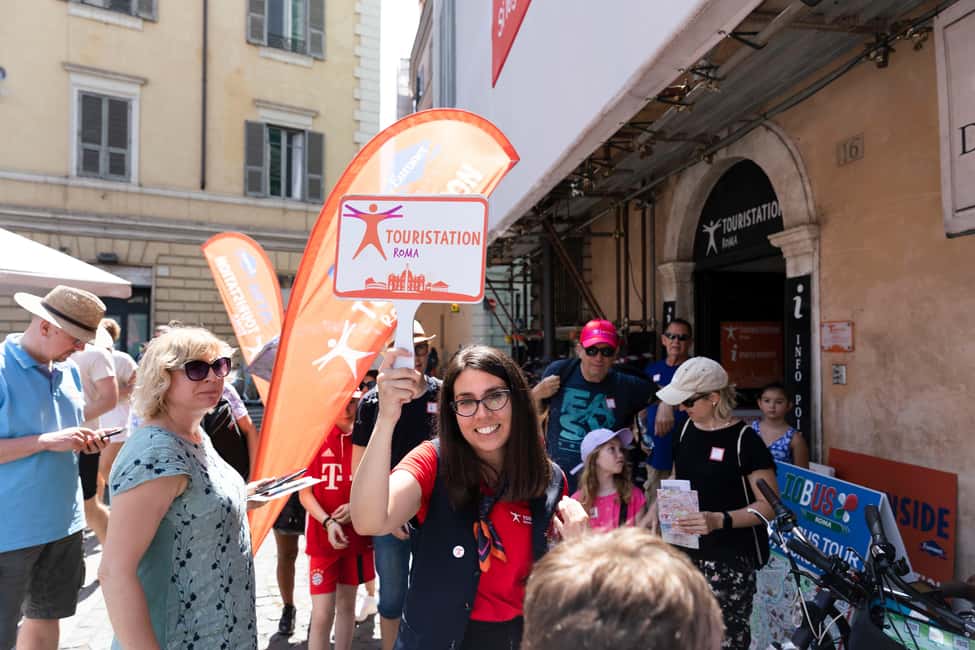
This experience is built to run smoothly in a tight window. It’s listed at about 2 hours, and the order of stops matters: bus transfer first, museum rooms next, crypt last. If you arrive late, you’ll probably feel rushed, so I’d give yourself a little buffer at the start to find the Touristation office and redeem your voucher.
Bring a camera, but be ready for limits: no flash, and no photography inside the crypt. If you want photos, plan them around the outside and museum areas where it’s allowed; then put the camera away before the crypt portion where restrictions are in effect.
Also, the tour notes say the Panoramico bus priority entry is included, and you’ll receive the bus ticket directly at the office. That’s the kind of detail that affects real-world friction. In Rome, saved steps are worth money, because lines and backtracking can add up fast.
One more practical note: this isn’t suitable for wheelchair users, so if mobility is an issue, plan for an alternative route or a different tour format.
Price and value: what $43.27 buys you
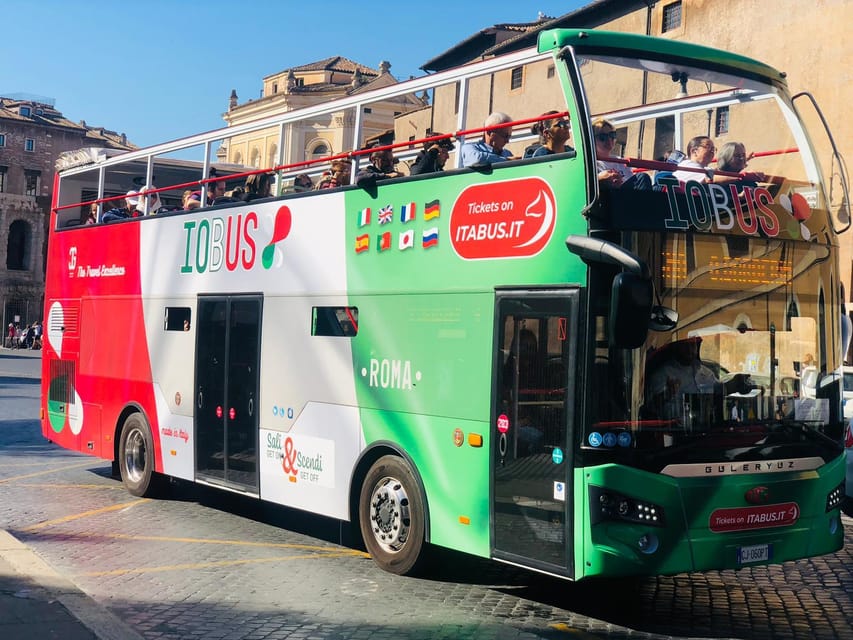
At $43.27 per person, this isn’t a bargain like a free church visit. But it also isn’t overpriced for what’s included.
Here’s what you get for that price:
- Entrance to the Capuchin Crypt
- An audioguide for the Capuchin Crypt
- A one-run ticket on the Panoramico panoramic bus
- An audio guide app for Rome with 170+ points of interest
- Priority entry and skip-the-ticket-line handling
That mix matters because it bundles transport + timed access + learning support. You’re not only paying to walk into a crypt; you’re paying to make the day easier and more informative. The panoramic bus component, while short, also gets you a Rome intro via audio, which helps you make sense of the city while you move.
If you’re already planning to spend time in central Rome around Piazza Barberini and Via Veneto, the value rises. You’re not buying a far-flung detour—you’re adding a focused cultural experience to a high-traffic area.
Who should book this Capuchin Crypt experience?
I think this works best if you want a compact visit with real context, not just a quick photo stop.
You’ll likely enjoy it if you:
- Like museum storytelling with objects, not only big-name monuments
- Want history tied to faith, daily life, and artistic connections
- Appreciate an audio-first approach that keeps you moving at your own pace
- Are comfortable with a moving, sacred final stop
You should skip or rethink it if you:
- Are claustrophobic or sensitive to human remains
- Rely on wheelchair access (the visit is not suitable)
- Need lots of free time to linger in each room for a long period (this is a tight, 2-hour-style experience)
Should you book this Capuchin Crypt with panoramic transfer?
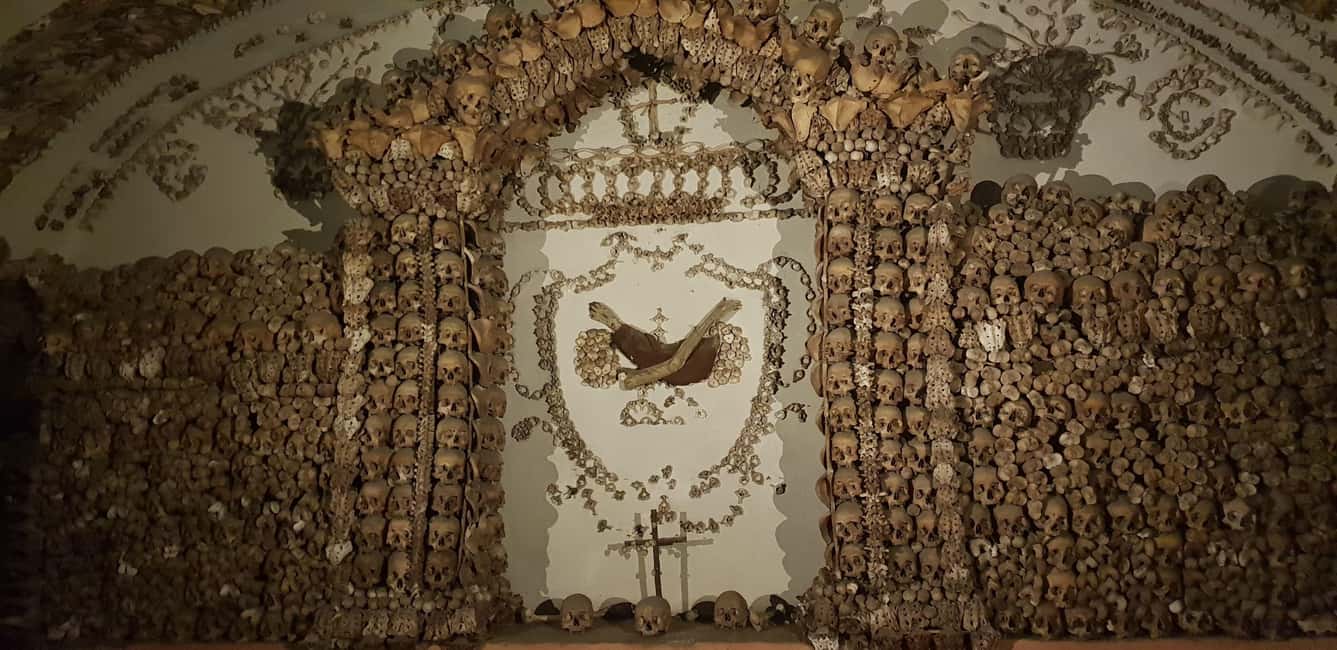
If you’re the kind of traveler who enjoys meaning more than spectacle, I’d book it. The combination of a panoramic transfer, a structured museum with 8 rooms, and the Crypt-Cemetery finish is exactly the right shape for a high-impact Roman stop that still feels respectful and educational.
Book it especially if you’ll use the audio app afterward—those extra Rome points of interest can help you keep planning simple after you leave Via Veneto. Just be honest with yourself about comfort level in the crypt area. If that part sounds like a stress, there’s no shame in choosing a different kind of Rome day.