REVIEW · ROME
Roma: Barocco, segreti e arte della città eterna
Book on GetYourGuide →Operated by Happy walks · Bookable on GetYourGuide
Rome’s big icons, explained fast.
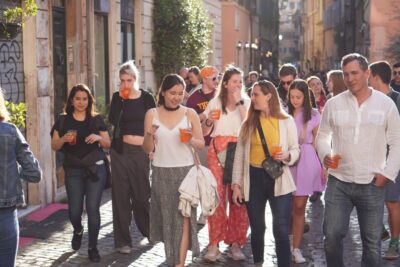
This small-group walk strings together Baroque art with the everyday drama of the streets. You start at Piazza Barberini, then move through Trevi, the Spanish Steps, Piazza Navona, and the Pantheon—each stop with a guide to give you the stories that make the sights click. I like that the group is limited to 10, so questions don’t get lost in the crowd.
Two things I really like are how the guide connects what you’re seeing to the myths and symbols behind it, and how the pacing keeps you moving without turning the whole trip into a sprint. The other big win is that you’re not just “looking.” You’re getting what to notice: coin toss tradition at Trevi, the Four Rivers fountain details at Navona, and the Pantheon’s light trick through the oculus.
One consideration: the tour includes the guided visit at the Pantheon, but the Pantheon entry ticket isn’t included, so you’ll want to plan for that ahead of time.
In This Review
- Key things to know before you go
- Starting in Piazza Barberini: where the walk actually begins
- Trevi Fountain: more than the biggest postcard in Rome
- Pantheon and that oculus glow: why the light matters
- Sant’Ignazio di Loyola: a quick stop that changes the mood
- Piazza Navona and the Four Rivers Fountain: where art meets performance
- Spanish Steps and Via Condotti: the view is the point
- Pacing and value: is $94 for 2.5 hours worth it?
- Who this walking tour suits best (and who should skip it)
- Should you book Roma: Barocco, segreti e arte della città eterna?
- FAQ
- How long is the tour?
- Where do we meet the guide?
- What’s included in the price?
- Is the Pantheon entry ticket included?
- What languages is the tour offered in?
- How big is the group?
- Is the tour wheelchair accessible?
- Which places are visited on this tour?
- Is there free cancellation?
- Is there a reserve now, pay later option?
Key things to know before you go
- Meet at Piazza Barberini next to the fountain, so you’re not hunting for a group that’s already moved on
- Trevi Fountain gets the story behind the myth-and-art mix, plus the coin toss tradition
- Pantheon focus: you’ll step through the bronze doors and look up at the ceiling opening (oculus)
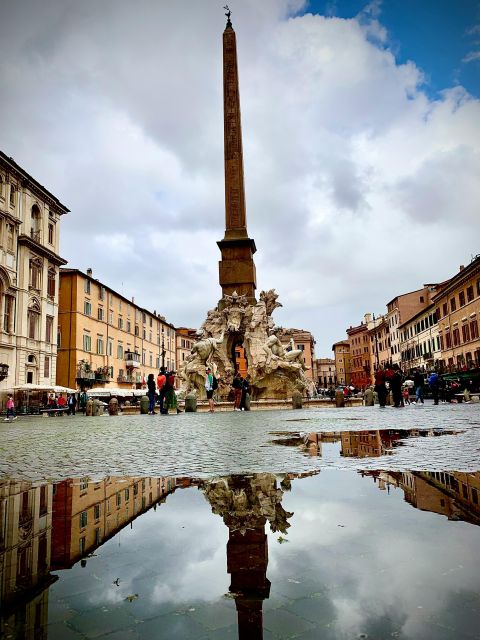
- Piazza Navona and the Four Rivers: three-fountain square energy with Bernini’s sculptural symbol of the continents
- Spanish Steps + Via Condotti: photo time, azaleas, and a viewpoint over Piazza di Spagna
Starting in Piazza Barberini: where the walk actually begins
You meet your guide at Piazza Barberini, right by the fountain in the square. It’s a solid way to start because the location is central enough that you’ll feel like you’re in Rome immediately, not 20 minutes into a transfer.
This is a 2.5-hour walking tour, capped at 10 participants, and it matters. With a small group, you’ll get more back-and-forth than on the giant bus-trailer tours. Also, the guide can pause when people have questions, instead of dragging everyone forward on a strict metronome.
Comfort tip: wear shoes you’re happy to walk in for a couple of hours on city pavement. You’ll have photo stops, but you’ll still be walking between them.
You can also read our reviews of more tours and experiences in Rome.



Trevi Fountain: more than the biggest postcard in Rome
Trevi Fountain is the star for a reason. It’s described here as the biggest fountain of Rome, and the guide explains the “concept” behind what you see rather than leaving you with just wow-this-is-pretty. Baroque art can feel like visual overload until someone points out the logic: mythological figures, sculpted drama, and the sense that the fountain is a stage.
You get a photo stop and a guided visit, so you can see it from a couple of angles and not just from one quick glance. Then comes the tradition: tossing a coin into the fountain’s waters. It’s a small act, but it’s one of those Rome rituals that helps you participate instead of only observe.
Practical angle: keep your coin ready. If you don’t want to buy one on the spot, bring a coin you can part with. It makes the moment feel intentional instead of last-minute.
Pantheon and that oculus glow: why the light matters
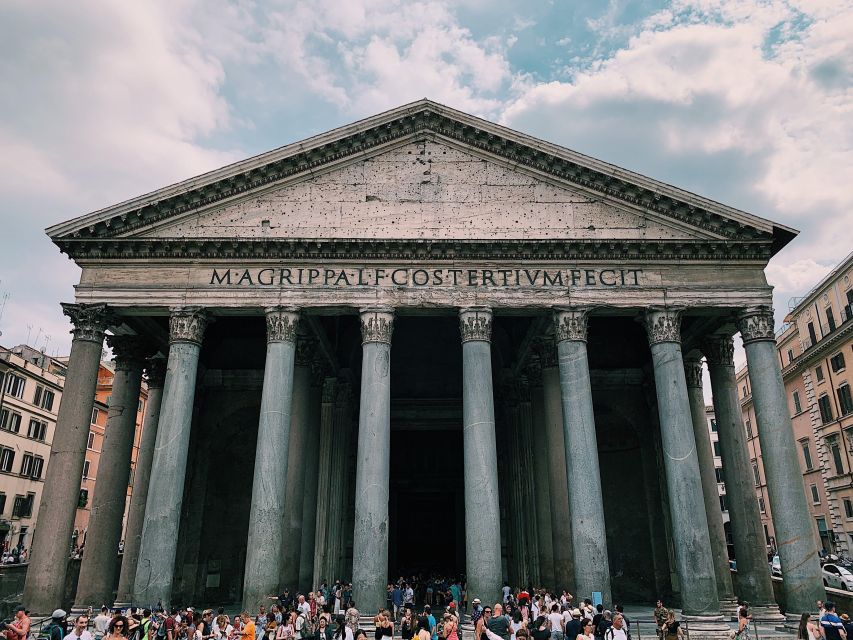
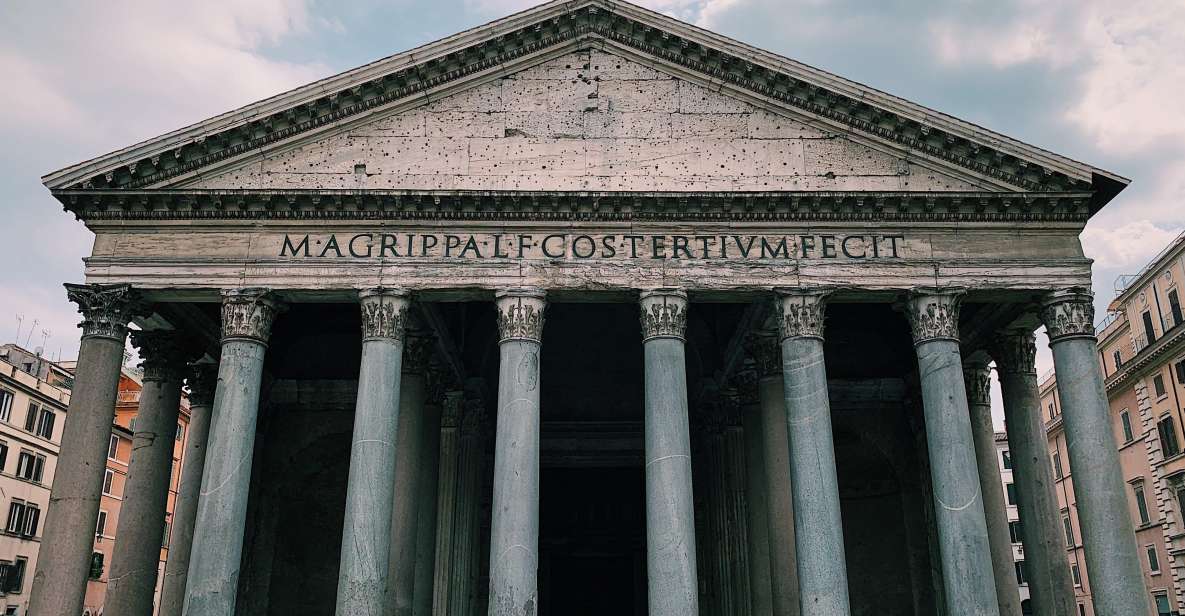
After Trevi, you head to the Pantheon with another photo stop and guided look. The Pantheon is framed here as a triumph of ancient Roman engineering and one of the best-preserved monuments of antiquity. That’s not just marketing language—it’s what you feel when you step inside.
The tour includes the guided time at the Pantheon, with a chance to see the bronze doors and walk into the rotunda. The key feature you’ll focus on is the celestial oculus, the opening that pours light down into the marble interior. The effect is simple but powerful: it turns the space into something you experience with your eyes, not just your camera.
You’ll also learn who’s connected to the building through interments, including Raphael. That kind of detail helps you understand why the Pantheon has stayed important long after the original era ended.
Important note: Pantheon entry tickets are not included. So when you’re planning your day, leave room for whatever ticket process you choose to use. The tour is set up to guide you through the experience, but you’ll still need to handle admission separately.
Sant’Ignazio di Loyola: a quick stop that changes the mood
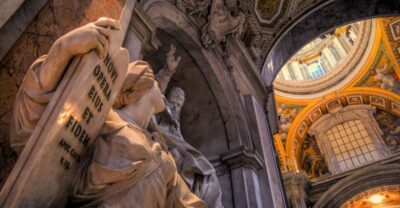
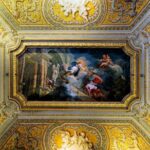
There’s a stop for the Church of Sant’Ignazio di Loyola, and it’s shorter—photo stop, guided tour, and scenic walking time. Even with limited time, this kind of pause can do something useful: it breaks the tour’s “only fountains and squares” rhythm and shifts your brain back into church-and-art mode.
What you’ll get here is the guide’s framing. Instead of treating it like a detour, the guided look helps you connect the Baroque setting across neighborhoods. This is also where small-group format helps—if you want to ask what you should be looking for in the architecture or artwork, you can.
If you’re someone who likes your Rome to have variety (not just the same postcard corners), this brief stop is a good reminder that the city’s power isn’t only out in the open air.
Piazza Navona and the Four Rivers Fountain: where art meets performance
Next up is Piazza Navona, one of Rome’s most photogenic squares. Here, the highlight is described as an architectural masterpiece with three magnificent fountains and surrounded by elegant palaces. You’ll get photo time, guided orientation, and time to take in the feel of the square.
One of the best practical parts of this stop is that it’s lively without needing you to plan anything. The square is described as having street artists and musicians who capture attention as you walk through. That means you can enjoy the space at multiple speeds: quick photos, a slow walk along the edges, or simply standing and watching.
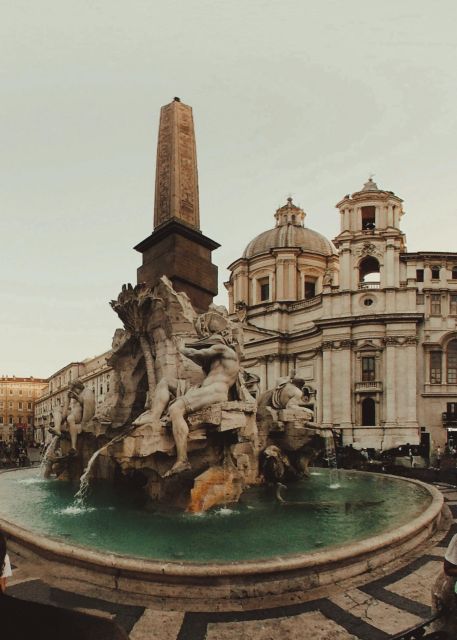
Then you focus on Bernini’s Fountain of the Four Rivers. The guide brings attention to it as a sculptural marvel symbolizing the continents of the world. That’s exactly the kind of detail that makes the fountain more interesting than a pretty sculpture: it becomes an intentional statement, not just a decorative centerpiece.
Small strategy: when you arrive, don’t rush to stand directly in the busiest camera lane. Take a minute to find a spot where you can see the whole fountain and still watch the square. You’ll get better photos and a more relaxed experience.





Spanish Steps and Via Condotti: the view is the point
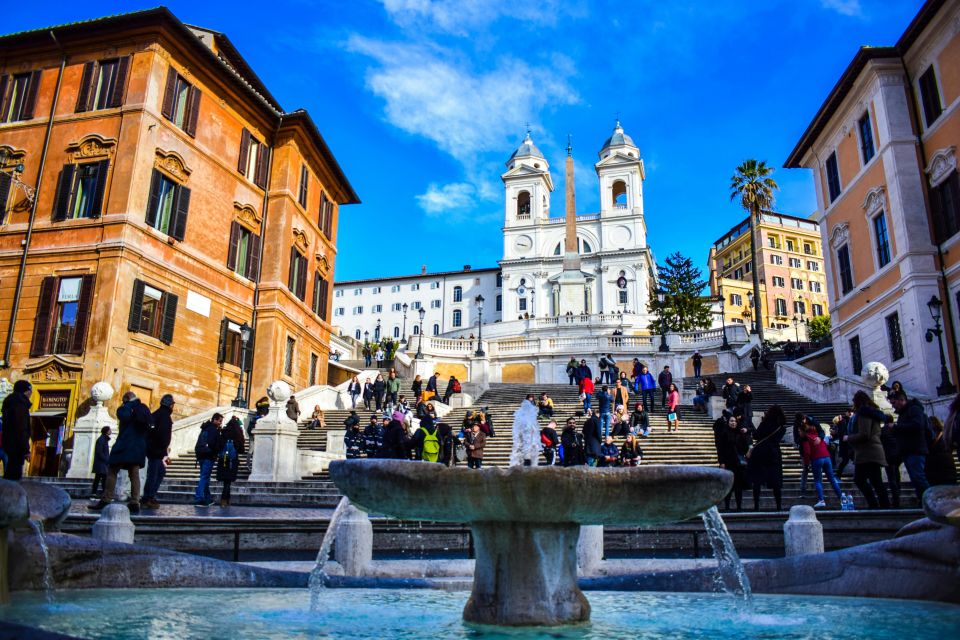
Then you head to Piazza di Spagna and the Spanish Steps, with a photo stop and guided time. The Spanish Steps are described here as iconic since the 18th century, plus an area connected to the famous Via Condotti.
The guide points you toward what to notice as you climb and look around—especially the bright azaleas that decorate the staircase. That’s a nice detail because it turns the climb into a visual event, not just a workout with steps.
At the top, you’ll get the view over Piazza di Spagna below. This is a great moment to pause and let Rome be Rome. If your day has been mostly “go-go-go,” this viewpoint is a reset button.
And because Rome is Rome, the experience also nudges you toward the human side of the city. You might indulge in coffee at nearby cafes, described as places frequented by artists, poets, and travelers throughout history. Even if you just take a short drink break, it makes the steps feel like a living neighborhood, not a museum.
Note: the Spanish Steps involve stairs. This tour is listed as wheelchair accessible, but if you personally prefer minimal stair walking, it’s smart to plan how you’ll approach that section with your guide’s help.
Pacing and value: is $94 for 2.5 hours worth it?
At $94 per person for 2.5 hours, you’re paying for a guide who connects the dots between major landmarks and the Baroque ideas behind them. You’re also getting a small group capped at 10 participants, which usually means more listening time and fewer rushed answers.
If you tried to do this on your own, you’d likely spend more time figuring out what you’re looking at—and you’d still be stopping at the same famous places. Here, the value comes from interpretation: the concept behind Trevi, the symbolism at Navona, and the Pantheon’s light and meaning inside.
The one “cost” you still need to manage yourself is Pantheon admission, since entry tickets aren’t included. But if you factor that in, the tour still feels like a good deal for what you see and how you understand it.
In short: if you want famous Rome without the guesswork, this tour is priced about right.
Who this walking tour suits best (and who should skip it)
This is a great fit if you:
- want a guided way to understand Trevi, Navona, and the Pantheon instead of just taking photos
- enjoy short, focused stops (photo stop, guided look, then moving on)
- like small groups where you can actually ask questions
You might want to think twice if you:
- don’t want to handle Pantheon tickets separately
- prefer long, unstructured time in one place rather than moving between several big landmarks
Should you book Roma: Barocco, segreti e arte della città eterna?
I’d book it if your ideal Rome day includes the heavy hitters—Trevi, Navona, Spanish Steps, and the Pantheon—with someone else handling the “what am I looking at?” part. The small group limit makes the experience feel more human, and the guide-led focus on symbolism and design helps you remember the sights after you leave.
If you’re the type who loves wandering solo and don’t care about stories, you might be fine without a guide. But if you want Rome that feels like it has meaning (and not just a collection of famous corners), this tour is a smart, efficient choice.
FAQ
How long is the tour?
The duration is 2.5 hours.
Where do we meet the guide?
You meet the guide next to the fountain in Piazza Barberini.
What’s included in the price?
The tour includes a live tour guide.
Is the Pantheon entry ticket included?
No. Entry ticket for the Pantheon is not included.
What languages is the tour offered in?
The tour is offered in English and Italian.
How big is the group?
It’s a small group limited to 10 participants.
Is the tour wheelchair accessible?
Yes, the tour is listed as wheelchair accessible.
Which places are visited on this tour?
You visit Trevi Fountain, the Pantheon, the Church of Sant’Ignazio di Loyola, Piazza Navona, the Fountain of the Four Rivers, and Piazza di Spagna.
Is there free cancellation?
Yes. Free cancellation is available up to 24 hours in advance for a full refund.
Is there a reserve now, pay later option?
Yes. You can reserve now & pay later, keeping plans flexible.