REVIEW · ROME
Pizza Cooking Class in Rome – Near Piazza Navona
Book on Viator →Operated by Eatalian Cooks · Bookable on Viator
Making pizza in Rome feels like a shortcut to local life. You’ll get a small-group, hands-on workshop focused on classic Roman-style pizza, from dough basics to toppings you choose yourself. I also love that it doesn’t end when the cooking starts: you sit down at Osteria Pasquino for bruschetta and a proper drinks-and-dinner finish. One possible drawback: it’s beginner-friendly and fairly short, so if you want advanced, from-scratch pizza science, your expectations may be bigger than the class time.
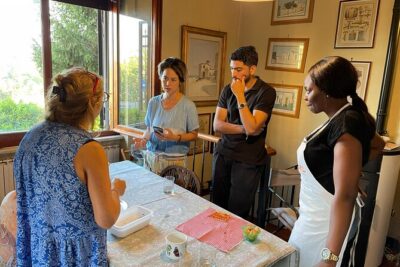
This is set up for an easy, social evening in the historic center—about 2 hours total, taught in English with a mobile ticket. The group size is capped at 10, which helps you actually get your hands on the dough and ask questions while you work.
In This Review
- Key Highlights Worth Booking For
- Osteria Pasquino: Your Base for Roman Pizza Making Near Piazza Navona
- What Actually Happens During the 2 Hours
- Roman Pizza Tricks You’ll Really Use (Even as a Beginner)
- Drinks, Bruschetta, and the Restaurant Finish That Makes It Worth More
- The Sight-Heavy Walk Through Rome’s Big Names
- Price and Logistics: Does $67.72 Feel Like a Deal?
- Dietary Needs and Comfort: What to Watch Before You Go
- Who This Pizza Class Is Best For (and Who Might Be Unhappy)
- Practical Tips Before You Arrive
- Should You Book This Pizza Cooking Class Near Piazza Navona?
- FAQ
- Where is the pizza cooking class meeting point?
- How long does the experience last?
- How many people are in the group?
- Is the class offered in English?
- What’s included with the pizza-making?
- Is there a welcome drink?
- Is the class suitable for people with gluten intolerance?
- What should lactose intolerance guests do?
- Can I get a refund if my plans change?
- Is this a good option for families?
Key Highlights Worth Booking For
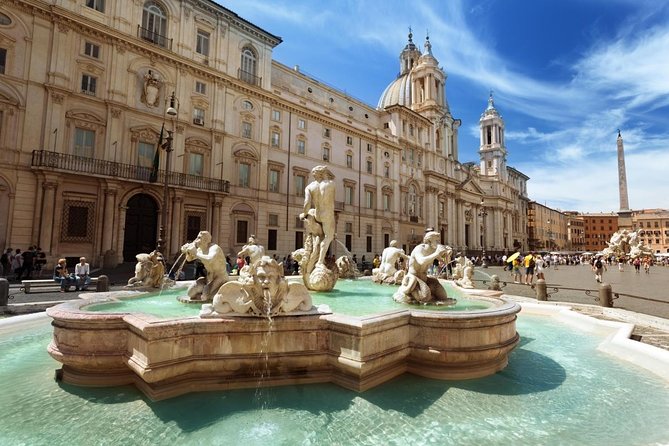
- Roman-style pizza focus: sauce and toppings taught with practical steps, not just watching
- Max 10 people: smaller than many Rome food tours, so the instructor can check your dough
- Osteria Pasquino setting: you don’t just make pizza—you eat it in the restaurant afterward
- Drinks + extras included: prosecco at the start, plus wine/beer/soda, bruschetta, and finish with limoncello or coffee
- Wood-fired baking is part of the payoff: your pie goes to a hot oven once you shape it
Osteria Pasquino: Your Base for Roman Pizza Making Near Piazza Navona
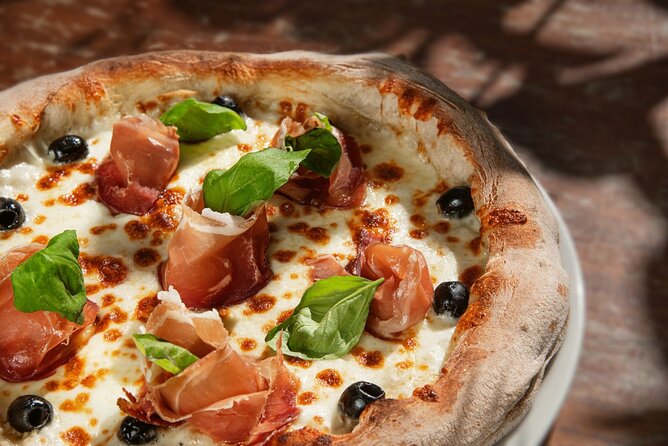
This class starts at Osteria Pasquino, right in Rome’s historic core on Piazza di Pasquino 1. That matters because you’re not heading to some faraway cooking school. You’re learning and eating where locals actually go for a meal—tight, lively, and right in the walking rhythm of central Rome.
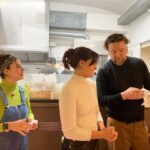
The vibe is part workshop, part neighborhood osteria. You’ll be in a space that’s set up for service, so the cooking feels grounded. It also explains why the session runs smoothly without turning into a long classroom lecture. The staff are part of the experience: you’ll get your drinks and food handled around the cooking flow.
And yes, the meeting point is very close to the action. Piazza Navona is nearby, and once you’re in this area you can keep your day flexible: before or after class, you’ll be in striking-distance of some of Rome’s most famous sights.
You can also read our reviews of more cooking classes in Rome

What Actually Happens During the 2 Hours
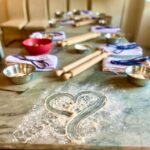
The structure is simple: learn just enough technique to make your own pizza, then get it baked and eat it with drinks.
Here’s the rhythm you should expect:
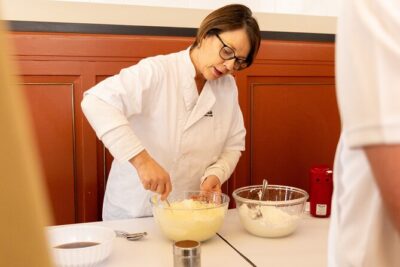
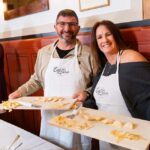
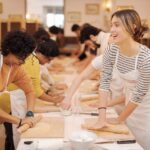
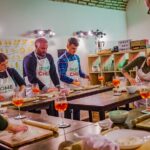
- You’ll get hands-on instruction on how to handle the dough and shape it.
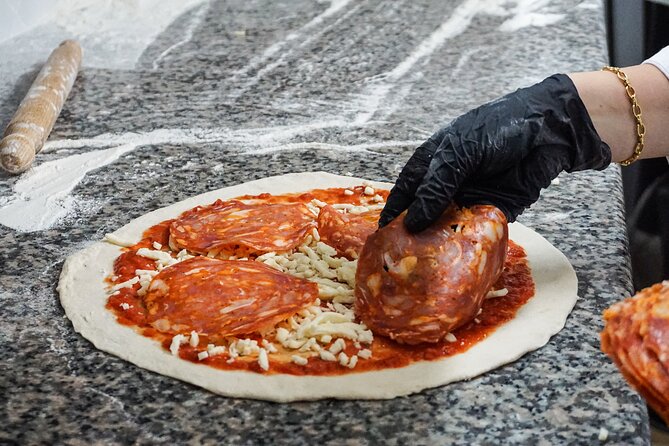
- You’ll add your toppings, using the classic Roman approach rather than a random build-your-own buffet.
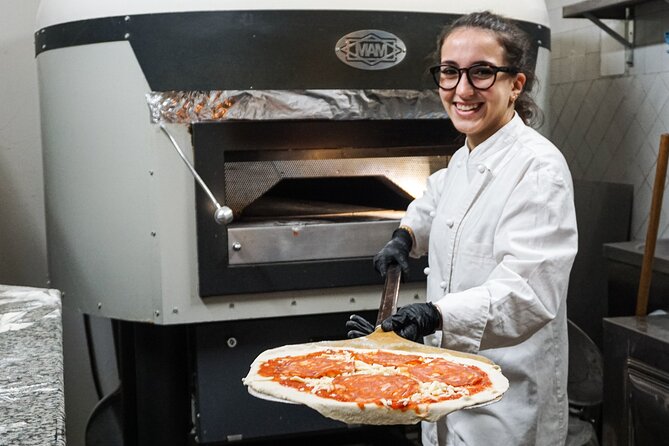
- Once your pizza is ready, it goes through the oven stage (one guest specifically noted a wood-fired oven as part of the process).
- Afterward, you’re not sent off with a packet—you’re seated at the osteria and served.
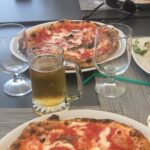
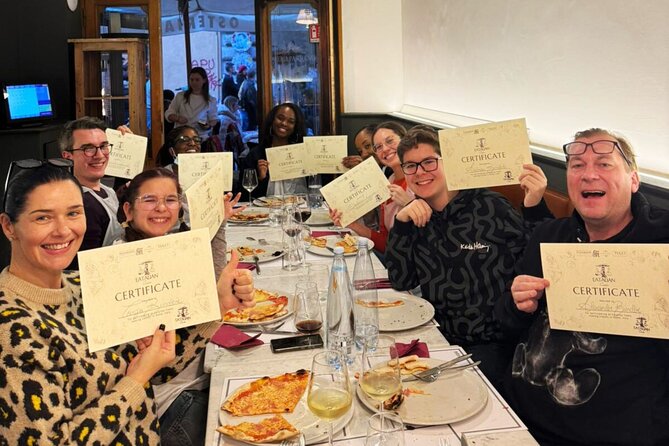
The class includes a full food-and-drink finish. You’ll receive complimentary prosecco when you arrive. During the meal portion, you’re served water plus a choice of wine, beer, or soda. You also get appetizers (bruschetta), and after you eat your pizza you get a final touch—limoncello or coffee.
It’s not a multi-course tasting. It’s a “make it, bake it, eat it” evening. That’s a plus if you want a break from museum lines, and it’s also the reason some people find it basic: it’s designed to be fun and doable, not a professional training program.
Roman Pizza Tricks You’ll Really Use (Even as a Beginner)
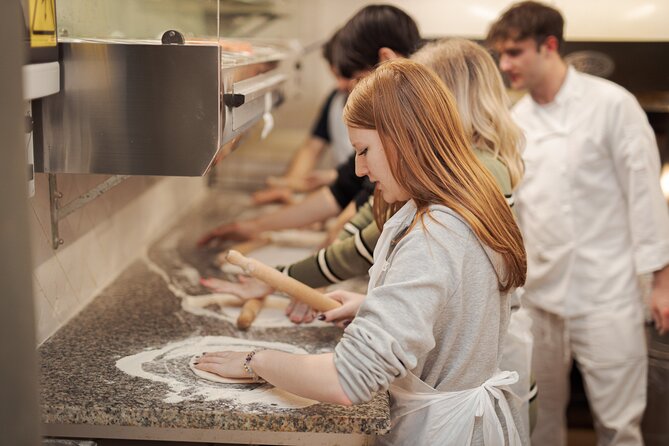
Roman pizza has a certain personality—thin crust style, toppings kept honest, and sauce/taste balance that matters. This class is built around the basics that actually affect the outcome.
The most useful part isn’t fancy jargon. It’s the step-by-step feel:
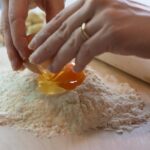
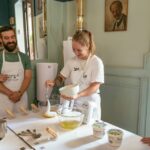
- Dough handling: you’ll mix or work dough by hand (not just watch it). Learning how to manage it is what makes this satisfying instead of purely instructional.
- Rolling/shaping basics: you’ll roll and shape your pizza so it bakes evenly.
- Toppings decision-making: you choose among classic Roman pizza options, which helps you practice how toppings affect flavor balance and bake-time.
You’ll also get instructor guidance in the moment. In small groups, that quick correction matters. In real terms, it’s the difference between a pizza that looks like a first try and one that looks like it belongs in a Roman kitchen.
If you’re the type who loves learning by doing—rather than sitting through theory—this is where it shines. Even if you’ve made pizza at home before, it can still be a good reset on Roman-style choices and technique, especially because you’re working with the real constraints of baking right there.
Drinks, Bruschetta, and the Restaurant Finish That Makes It Worth More
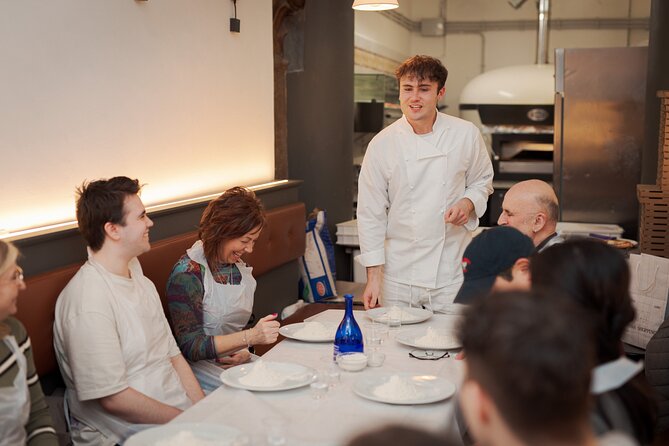
A lot of cooking classes end with your food leaving the building with you. This one keeps you in the room.
After the pizza-making portion, you sit down at the osteria and you’re served: water plus wine/beer/soda, bruschetta as an appetizer, and then your pizza—paired with what feels like a proper restaurant meal, not just a snack.
The welcome prosecco is also part of the pacing. It helps the class feel like an evening out. It’s not a rushed “hands dirty, eat standing up” experience.
Then there’s the finish: limoncello or coffee after the pizza. That last step gives the whole thing a rounded ending, like dessert at the end of a dinner. You leave with something that feels complete, not like you stopped halfway through.
One practical note: plan to be a little messy. Pizza dough and toppings are hands-on, and even with aprons it can get a bit floury.
The Sight-Heavy Walk Through Rome’s Big Names
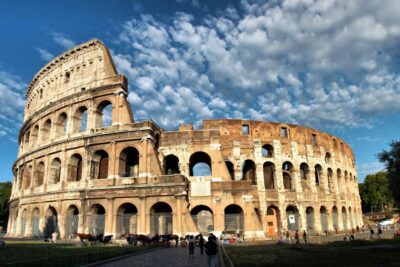
This experience takes place in the historic center, and you’ll be moving through an area packed with landmarks. The stops include:
- Piazza Navona
- Pantheon
- Vatican City
- Trevi Fountain
- Piazza Venezia
- Campo de’ Fiori
- Castel Sant’Angelo
What does that mean for you? It means the class is timed so you’re not stuck in one spot all evening. You get a sense of Rome’s geography while staying focused on the food mission.
A realistic expectation: this isn’t a slow, deep-dive sightseeing day. It’s a compact route, with the sights acting as context—big Rome moments while you’re already out in the center. If you want to spend hours at the Pantheon or linger at each fountain, you’ll still want separate time later. But as a way to connect your day to Rome’s layout, it works well.
Also, because the meeting point is in the central area, you can often pair the class with other plans without fighting transit.
You can also read our reviews of more tours and experiences in Rome

Price and Logistics: Does $67.72 Feel Like a Deal?
At $67.72 per person for about 2 hours, the value depends on what you want out of Rome that evening.
This class includes a lot that usually costs extra when you do things separately:
- A hands-on pizza-making component
- Bruschetta
- Multiple drink moments (complimentary prosecco, plus wine/beer/soda and water)
- Your own pizza
- A finish with limoncello or coffee
If you were otherwise planning to eat dinner in this area, the comparison shifts. You’re paying for a meal plus the activity and instruction. That’s why many people rate it highly: you’re not just paying for food, and you’re not just paying for a cooking demo.
Where it may feel pricey is if you want an advanced, technique-heavy course. The session is also explicitly not built for people who need gluten-free pizza. If that’s your situation, you may need to look for a different option.
A small-group cap (max 10) also supports the price. You’re less likely to be shuffled through and more likely to get help when you’re shaping dough and choosing toppings.
Bottom line: if you want an evening that mixes a social cooking moment with an actual restaurant dinner, the math tends to work out.
Dietary Needs and Comfort: What to Watch Before You Go
The class isn’t recommended for gluten intolerance. That’s the big one. If gluten is a dealbreaker, it’s best to skip this specific option.
For lactose intolerance, there’s practical guidance: keep the cheese away from your pizza. Since you’re assembling the pizza yourself, this is workable as long as you control the toppings portion.
Allergies are something the restaurant can sometimes handle. One guest specifically mentioned support for peanut/tree nut/soy allergies, including a thorough ingredients check. That’s a good sign, but the smart move is still to tell the organizers in advance so the restaurant staff can plan properly.
On comfort: because it happens inside a restaurant setting, room conditions can vary. If you’re traveling in peak heat, wear breathable clothing and bring water for before/after the class.
Who This Pizza Class Is Best For (and Who Might Be Unhappy)
I’d steer you toward this class if you want:
- A beginner-friendly hands-on activity
- A break from crowded sights
- A small group where you actually make something
- A meal included in the ticket price (not just a snack)
This also fits families well, based on how the class is described and the way it’s run. Kids can handle parts of the process, and the pace is designed to keep people engaged.
I’d think twice if you’re:
- Looking for a long, technical course (45 minutes of making plus baking time is a common pace)
- Expecting take-home materials with detailed recipes as part of the package
- Hoping for gluten-free accommodations (it’s not recommended)
The instructors seem to bring energy—names like Cleo, Sara, Elisa, Luca, Georgia, Simone, Alessandra, Paloma, and Anastasia show up as examples of who’s led classes. That variety also suggests you’re not stuck with one teaching style; you’re likely to find someone who can explain the steps clearly.
Practical Tips Before You Arrive
A few things will make the evening go smoother:
- Bring your phone with battery: some people noted that recipes can be handled via a QR code approach. If that’s part of your session, you’ll want your phone ready.
- Wear something you can get slightly messy in: dough is dough.
- Eat before you arrive only if you’re sure you want to: because bruschetta, pizza, drinks, and a finishing drink are included, you’ll be glad you have space later.
- Ask about ingredients if you have allergies: the restaurant side of the operation suggests staff can handle ingredient conversations when you tell them your needs up front.
- Book ahead: the average booking window is about 50 days, which hints these classes can fill up during busy Rome weeks.
Should You Book This Pizza Cooking Class Near Piazza Navona?
Book it if you want a fun, social Rome activity that results in something you made and then actually eat in a real osteria setting. The combination of hands-on Roman pizza, a small group, and included drinks/meal makes it feel like more than a class—it feels like an evening plan.
Skip it if gluten-free is required, if you’re chasing a deep advanced pizza course, or if you hate the idea of a beginner pace and a short technique window. Also skip (or at least prepare mentally) if you’re sensitive to room comfort, since it’s run inside a restaurant space.
If your goal is to learn enough to order well and cook better later, while getting a break from the big-city crowds, this is a strong pick.
FAQ
Where is the pizza cooking class meeting point?
It meets at Osteria Pasquino, Piazza di Pasquino 1, 00186 Roma RM, Italy.
How long does the experience last?
The duration is about 2 hours.
How many people are in the group?
The activity has a maximum of 10 travelers.
Is the class offered in English?
Yes, it is offered in English.
What’s included with the pizza-making?
You make your own pizza, and you’re served soft and alcoholic drinks. You also receive bruschetta, plus a limoncello or a coffee after your pizza.
Is there a welcome drink?
Yes. You’re welcomed with complimentary prosecco.
Is the class suitable for people with gluten intolerance?
It is not recommended for those with gluten intolerance.
What should lactose intolerance guests do?
The guidance is to keep the cheese away from your pizza.
Can I get a refund if my plans change?
You can cancel for a full refund if you cancel at least 24 hours in advance.
Is this a good option for families?
It’s beginner-friendly and works well for families, with a small-group setting that keeps the experience manageable for kids.