REVIEW · ROME
Palatine & Roman Forum guided Tour
Book on GetYourGuide →Operated by My city Tours · Bookable on GetYourGuide
Roman ruins have a way of pulling you in fast. This tour does it with guided context plus skip-the-line access to two of Rome’s biggest outdoor sites. I like the clear focus on the origin story of Rome, including the legend of Romulus and Remus, and I like that you get panoramic viewpoints that help you understand how everything connects. The one drawback to weigh is that this is only 1.5 hours and it stays exterior for the big sights, so if your guide experience is off—or if an area is closed—you can lose a lot of value quickly.
Pace-wise, expect a tight walk with a live English-speaking guide, using headsets and radios so you can actually hear the explanations over the crowd noise. You’ll cover the Palatine Hill and the Roman Forum, then continue with exterior sights around the Colosseum area, including the Via dei Fori Imperiali and stops tied to Trajan’s Column and the Markets. Go in knowing you’re not doing interior entry for the Colosseum or Trajan’s Market—this is more about seeing, orienting, and learning what you’re looking at.
In This Review
- Key things to notice before you go
- 1.5 Hours and Skip-the-Line: Is This Tour Worth $49?
- Meeting Point at Via Baccina 59C: How to Start Smoothly
- Palatine Hill: Getting the Legend of Rome to Make Sense
- Roman Forum: Turn Ruins Into a Working City
- Exterior Colosseum and What You Can Learn Without Going Inside
- Via dei Fori Imperiali, Trajan’s Column, and the Markets
- The Headsets Matter More Than You Think
- Weather, Crowds, and the 1.5-Hour Reality Check
- Who This Tour Suits Best
- My Honest Booking Advice: Should You Choose This Tour?
- FAQ
- What sites does this tour include?
- Does the tour enter the Colosseum or Trajan’s Market?
- How long is the tour?
- What language is the tour guide?
- Where do I meet the tour group?
- Is this tour refundable?
Key things to notice before you go
- Fast-track entrance to the Roman Forum and Palatine Hill so you spend more time walking than waiting
- Headsets and radios to keep the narration clear in a loud, crowded area
- Outdoor-orientation tour with guided time on the ruins and big viewpoints
- Rome’s founding myth coverage including Romulus and Remus, tied directly to the landscape
- Exterior-only look at the Colosseum and Trajan’s Market areas, no interior touring
1.5 Hours and Skip-the-Line: Is This Tour Worth $49?
At $49 per person for 1.5 hours, you’re not paying for a long, slow meander. You’re paying for speed and structure: access to Roman Forum + Palatine Hill with a guide who keeps the facts moving. That value makes sense in Rome because time is the real currency. The Forum and Palatine are exactly the kind of places where lines can steal your best energy.
The pricing also fits the shape of the tour. You’re getting admission to the Roman Forum and Palatine Hill, plus a guide with English live narration and audio headsets/radios. On top of that, you get exterior introductions to major landmarks in the Colosseum zone, and you’ll learn what you’re seeing without buying separate entry tickets for those exterior stops.
What this doesn’t cover is the immersive, inside-the-building experience you might want at the Colosseum or Trajan’s Market. The tour focuses on the big-picture meaning of the site, not the full museum-level deep dive. If your main goal is interior access, you’ll likely feel like you’re stopping just short—because that’s not what this ticket is designed to deliver.
You can also read our reviews of more guided tours in Rome



Meeting Point at Via Baccina 59C: How to Start Smoothly
This tour starts at the operator’s office on Via Baccina 59c, in front of the market. That detail matters. In the Forum area, a small delay can turn into a big scramble because you’re entering a high-traffic zone with limited “Plan B” time.
My practical advice: arrive early enough to do two things—find the exact spot and confirm you’re with the right group. Rome tours often start right on time, and the location is specific enough that guessing can cost you the first part of the walk. Also, keep your booking confirmation handy on your phone. Even if everything goes right, you’ll feel calmer when you’re holding the details.
One more thing: this tour runs rain or shine, so bring the right layer. If it’s wet, the ground can get slippery. Good footwear matters more here than it does on a museum day.
Palatine Hill: Getting the Legend of Rome to Make Sense
Palatine Hill is where people first start to feel the weight of Rome’s origin story. The guide experience is the main reason to do it with a group here, because you’re not just seeing ruins—you’re learning what Romans believed those ruins represented.
You’ll connect the story of Rome’s founding to the landscape, including the legend tied to Romulus and Remus. That matters because Palatine isn’t simply a scenic hillside. It’s a place where power, myth, and location overlap. When you hear the narrative while you’re standing among the remains, the hill stops being random stones and becomes part of a bigger story: where early Rome imagined itself beginning and why that mattered.
You can also expect panoramic views. Those viewpoints aren’t just a nice photo moment. They’re how you understand scale—how one hill and one forum can control the feel of the entire city center. If you’ve ever looked at an old map and struggled to translate it to what’s on the ground, this part of the tour helps you get your bearings fast.
Roman Forum: Turn Ruins Into a Working City
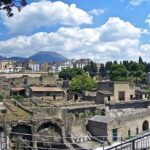
If Palatine gives you the origin story, the Roman Forum is where the idea becomes a lived place. This tour includes guided access to the Forum, and it’s designed to hit key themes rather than wander aimlessly through crowded paths.
The goal here is comprehension: you’ll learn what the Forum represented, how Romans organized public life around it, and what it means when you see the ruins in front of you. The best tours treat the Forum like a timeline you can walk through. This one is structured to do that within a short window.
One reason this works well for many people is the combination of movement and explanation. You aren’t stuck in one spot trying to interpret carvings without context. Instead, the guide keeps you moving between meaningful points and ties the stories to what you can actually see from your feet.
Also, the headsets/radios help a lot in this area. The Forum can be noisy, and if you can’t hear your guide clearly, the whole experience shrinks. Having audio support means you’re more likely to follow the narrative, even when the group gets close to other visitors.
Exterior Colosseum and What You Can Learn Without Going Inside
After the Forum and Palatine, the tour shifts to an exterior view of the Colosseum. This is important: you do not get Colosseum interior tickets as part of this experience. But you can still learn how to look at it.
From the outside, you can understand the scale and the engineering confidence it represented. The tour includes stories about the amphitheater and what it meant for emperors and crowds. You’ll also hear about Roman engineering—the kind of construction skill that makes these sites feel less like ruins and more like a feat that still impresses today.
Here’s what I think works best about an exterior approach: it’s less time-pressure. Inside the Colosseum, lines and interior crowding can slow your pace. An exterior stop can still teach you the big ideas—how events were staged and why this building became a symbol of public spectacle—without requiring the extra entry time and ticket cost.
If your heart is set on stepping into the Colosseum for the full experience, you’ll want a separate ticket. But if you want a smart orientation plus the stories that make the Colosseum understandable, this exterior portion does the job.





Via dei Fori Imperiali, Trajan’s Column, and the Markets
You’ll also cover the Via dei Fori Imperiali and learn about Trajan’s Column and the Markets. This is where the tour turns from individual landmarks into city structure—how imperial-era planning shaped the way people moved through Rome and how monuments lined up to communicate power.
Trajan’s Column is especially helpful for learning because it’s tied to a specific idea and a specific figure. Even without entering museums or restricted areas, the guide can help you connect what you see to why it was built there and what it was meant to communicate.
The Markets portion is another exterior-only piece: you’ll be shown the area and told what matters, but you’re not doing ticketed entry for it. That keeps the tour tight and keeps you from spending your limited time in separate lines.
If you’re a “show me how the pieces fit together” kind of traveler, you’ll likely like this section. It turns scattered stops into a coherent walk across the imperial forum landscape.
The Headsets Matter More Than You Think
One small item that makes a real difference: headsets and radios. In the Forum and near the Colosseum, noise can drown out even a great guide. With audio support, you’re more likely to stay engaged and less likely to miss half the explanation.
This also helps you move through the space as a group. When everyone can hear, you spend less time pausing because people are confused or lost. It’s a simple detail, but it often separates a frustrating tour from a smooth one.
Weather, Crowds, and the 1.5-Hour Reality Check
This tour happens rain or shine. Roman weather can switch fast, and crowds can be relentless. When the schedule is short, conditions can affect what you actually experience.
Here’s the key realism: if something disrupts the start (a missed meeting moment, a late guide handoff, or a site-area closure), you can lose a large chunk of your value because the tour window is only 1.5 hours. That’s not a reason to skip it—it just means you should protect your time.
Pack for comfort:
- sturdy shoes with grip
- a light rain layer (even if the forecast looks friendly)
- water or something small to sip during breaks
And come ready to walk. This is a walking tour, and the sights you want are spread out enough that the “short duration” is the point.
Who This Tour Suits Best
This tour is a good fit if:
- you want guided orientation fast in Rome
- you care about learning stories tied to what you see on the ground
- you like outdoor ruins but don’t want to manage navigation alone
- you’re okay with exterior views rather than interior entry for the Colosseum and Trajan’s Market
It may not be ideal if:
- you want a long, slow deep exploration with lots of interior time
- you’re counting on a very specific guide style and can’t handle a more compact format
- you prefer independent touring where you control every stop
One positive note from real guide experiences: there’s at least one guide named Tania associated with strong explanations and anecdotes. That’s the kind of person you hope you get—someone who can make the buildings and stories click quickly in a short time.
My Honest Booking Advice: Should You Choose This Tour?
I’d book it if your main goal is a smart, time-saving introduction to Palatine Hill and the Roman Forum with a guide who keeps you oriented. The inclusion of admission for those two sites and the skip-the-line approach usually makes the hour-and-a-half feel efficient rather than rushed.
But I would book with eyes open. Because the tour is compact and it stays exterior for the Colosseum and Trajan’s Market areas, it’s not the best choice if you want maximum access and maximum time inside the monuments. Also, verify your meeting point and plan to arrive early. Rome is crowded, and you don’t want your first 10 minutes to turn into a missed start.
If you’re the type who enjoys learning just enough to understand what you’re seeing, then walking on with a clear head afterward, this tour fits that style well.
FAQ
What sites does this tour include?
It includes a guided experience with admission/entry tickets to the Roman Forum and Palatine Hill, plus guided exterior views of the Colosseum and Trajan’s Market area.
Does the tour enter the Colosseum or Trajan’s Market?
No. This is an exterior-focused tour for the Colosseum and Trajan’s Market. Entry tickets for those are not included in this activity.
How long is the tour?
The duration is 1.5 hours.
What language is the tour guide?
The live tour guide offers English.
Where do I meet the tour group?
Meet at the operator’s office on Via Baccina 59c, in front of the market.
Is this tour refundable?
Yes. It offers free cancellation up to 24 hours in advance for a full refund.