REVIEW · ROME
Home Cooking in Testaccio: Cacio e Pepe, Amatriciana, Carbonara
Book on Viator →Operated by Curioseety SRLS · Bookable on Viator
Forget dinner plans; learn Roman pasta at home. In the Testaccio home kitchen, Andrea and Milvia teach you fresh dough and three classic sauces you make and eat, not just watch. The only catch: you find the address on your own, and this is a real household with dogs and cats, so serious allergies need care.
What makes it work is the pacing. In about 3 hours, you go from flour to finished tonnarelli, then sit down for a 3-course meal with unlimited local wine, coffee, and dessert, plus a recipes PDF to help you recreate it later.
In This Review
- Key Things You’ll Notice
- A Testaccio Apartment Lesson, Not a Factory Tour
- From Flour-to-Egg Ratios to Real Gluten Feel
- Three Roman Sauces You’ll Actually Understand
- Rolling, Cutting, and Eating: The Best Kind of Lunch
- Logistics That Matter: Meeting Point, Transit, and What to Wear
- Price and Value: What $95.54 Actually Covers
- Who This Class Fits Best (And Who Should Think Twice)
- Should You Book Home Cooking in Testaccio?
- FAQ
- How long is the pasta making class?
- Where is the meeting point?
- What dishes will I make?
- What’s included with the meal?
- Is wine included?
- What size is the group?
- Is it offered in English?
- Do they accommodate dietary requirements?
- Is hotel pickup or drop-off included?
Key Things You’ll Notice
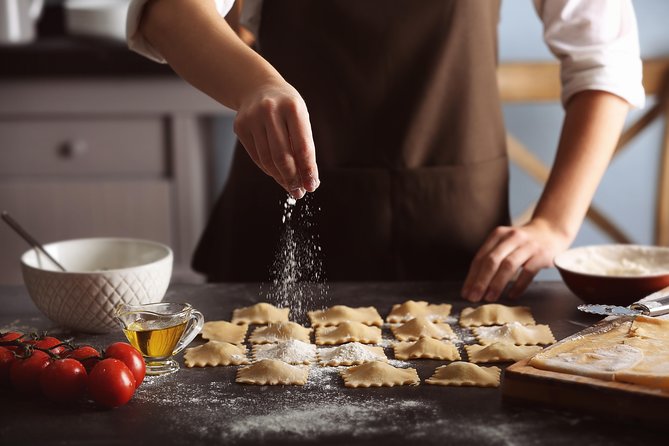
- Small group, hands-on pace: up to 6 travelers, so you get time to ask questions while your hands are sticky.
- Dough taught from ratios: you learn flour-to-egg ratios and what gluten and protein do for the texture.
- Two pasta formats: you roll and cut fettuccine by hand, then make tonnarelli with a traditional pasta machine.
- Three Roman sauces in one meal: cacio e pepe, amatriciana, and carbonara, taught step-by-step.
- You eat what you cook: 3 courses plus unlimited wine, coffee, and dessert—no leftover buffet vibes.
A Testaccio Apartment Lesson, Not a Factory Tour
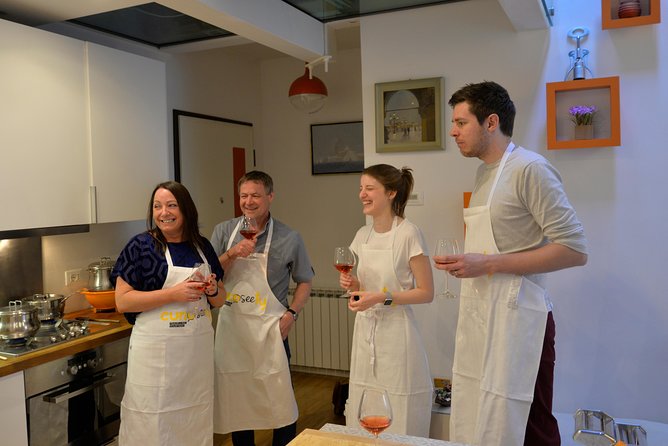
This class happens in a real home in Rome’s Testaccio neighborhood. That matters more than you might think. In a restaurant class, you often stand back and watch. Here, you’re at the counter, learning with your hands, then eating at the dining table like you’re part of the evening.
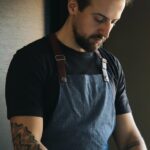
The group size caps at 6 people, which keeps things calm and focused. You’ll feel the difference fast: questions don’t get lost, and the hosts can slow down when your dough needs a little extra attention. Andrea and Milvia come across as warm and welcoming, and the teaching tone is practical—small fixes, clear steps, and plenty of patience.
One practical consideration: you’re going to their address (Via Galvani, 4, 00153 Roma). There’s no hotel pickup or drop-off, and the experience ends back at the meeting point. So plan your transit like a local—public transportation is nearby, but you’ll want a route that doesn’t depend on taxis showing up at the exact moment.
You can also read our reviews of more tours and experiences in Rome.



From Flour-to-Egg Ratios to Real Gluten Feel
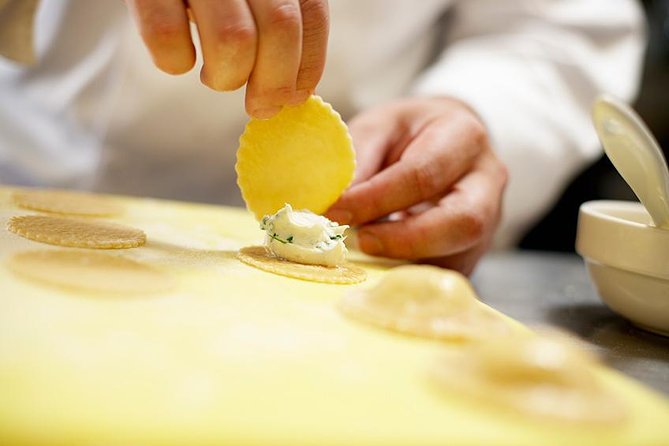
The pasta-making starts with dough basics, not shortcuts. You begin by preparing the dough from scratch, using the chef’s special formula for flour-to-egg ratios. That’s the kind of detail that changes your results later at home. If you’ve ever tried to wing pasta and wondered why it turned tough or broke easily, ratios are where the mystery disappears.
Then you connect the dough to the science you can actually taste. You’ll learn the role of gluten and protein in pasta-making—what those elements do for stretch, structure, and that tender bite when the pasta is cooked. Instead of memorizing a recipe, you’re understanding why the dough behaves the way it does.
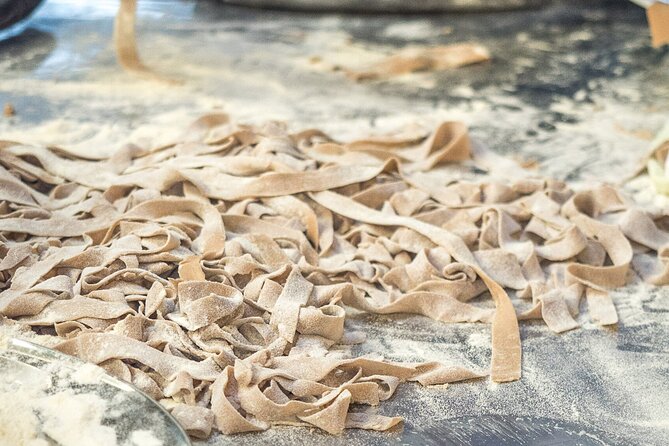
From there, it’s hands-on shaping. You make fettuccine by rolling and cutting, and you’ll learn the mechanics of turning dough sheets into noodles you can be proud of. After that, the experience shifts to tonnarelli. You’ll use a traditional pasta machine to create the tonnarelli shape, which gives you a chance to compare the textures and handling of handwork versus a machine step.
If you’re worried about mess: yes, your hands will get floury. Bring a sense of humor and don’t plan on doing delicate makeup touch-ups right after. One useful tip I’d follow: keep your phone secured, because sticky pasta hands and camera screens don’t mix well.
Three Roman Sauces You’ll Actually Understand
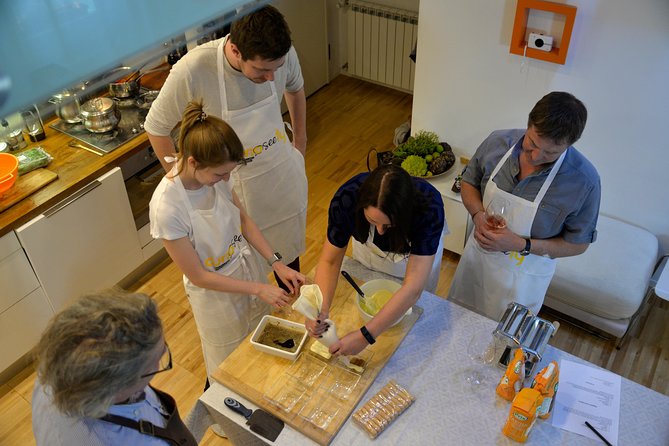
This is the part people remember most: you don’t just make pasta; you also learn three Roman sauces—cacio e pepe, carbonara, and amatriciana. The teaching approach is step-by-step, with attention to timing and technique. You’ll learn the flow of each sauce, then apply it while you’re cooking, so the method sticks.
Here’s why that matters. Roman pasta sauces often feel simple in name, but the difference is in how you treat the ingredients and how you manage heat and consistency. In class, the hosts guide you through what to watch for as the sauce forms. It’s not just a list of ingredients—it’s how to get the right texture and how to avoid the most common hiccups.
- Cacio e pepe: You’ll learn how to build that classic cheese-and-pepper character and keep it balanced while cooking.
- Carbonara: You’ll learn the signature method for carbonara, including how the sauce should come together when you follow the steps closely.
- Amatriciana: You’ll learn the amatriciana technique so your pasta tastes like it was made for that sauce, not like the sauce got dumped on top at the end.
What I like about this trio is variety. You get one sauce where pepper really shows up, one with a comforting, unmistakable Roman feel (carbonara), and one that brings a different attitude to the plate (amatriciana). By the time you sit down, you’re not eating a random set of dishes—you’re tasting three styles of Roman cooking you learned as a system.
Rolling, Cutting, and Eating: The Best Kind of Lunch
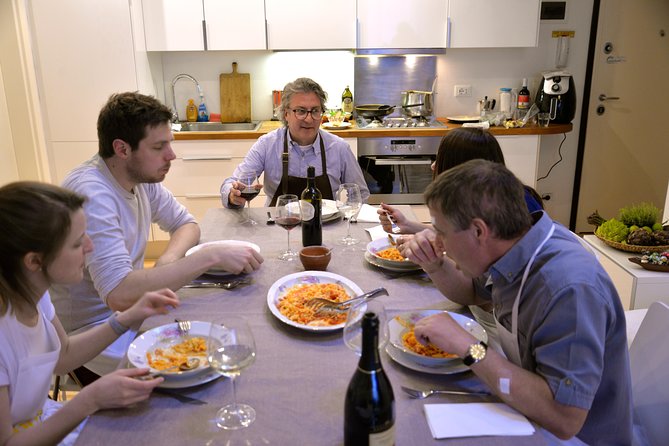
After the hands-on cooking, you sit down for a 3-course meal. This is where the experience earns its value. You taste your own work. And you’re not eating a sad portion on a small plate with no time to relax. The pace is leisurely enough to actually enjoy what you made.
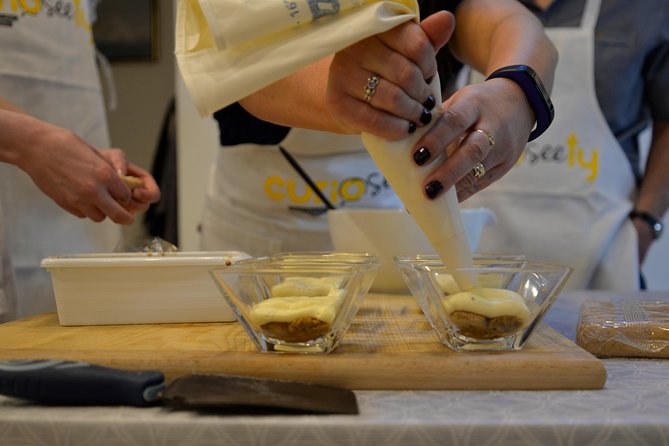
The meal comes with carefully selected local wines, and the big win here is unlimited wine included. You also get coffee, and the experience ends with homemade dessert. That full cycle—make, cook, eat, and finish—turns the class into a proper Roman meal rather than a snack-and-demo.
It’s also a smart timing choice. Many people choose the midday slot so they can walk off the meal afterward. If you plan your day with that in mind, the class becomes a highlight, not a detour from Rome’s sightseeing.
One small detail I appreciate: you receive recipes in a PDF format. That’s practical. Your best souvenir is being able to cook these sauces and shapes again, even if your kitchen doesn’t have the same equipment.
Logistics That Matter: Meeting Point, Transit, and What to Wear
Let’s keep this simple and useful. You meet at Via Galvani, 4, 00153 Roma and the experience ends back at the meeting point. There’s no hotel pickup or drop-off, so you’ll want to plan your route before you arrive. The area is described as near public transportation, which helps, but your best bet is a plan you can follow with basic confidence.
You’ll get a mobile ticket, and the tour is offered in English, so you’re not guessing what’s happening while your dough is changing in real time.
What to bring:
- Comfortable clothes you don’t mind getting flour on.
- Something to drink if you tend to get warm—one review notes it can be unusually hot, and bringing your own drink can make the class easier.
- A willingness to slow down. Pasta dough is picky. Rushing usually makes it worse.
Also consider your comfort with pets. Service animals are allowed, but the experience is not recommended if you have serious allergies to dogs and cats. That’s not a small point here since it’s a home kitchen.



Price and Value: What $95.54 Actually Covers
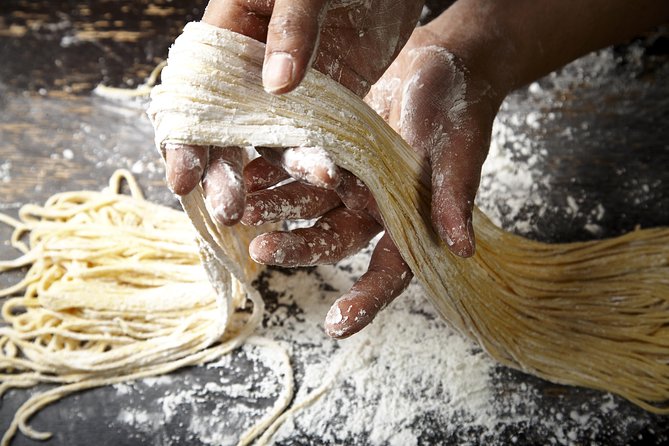
At $95.54 per person, the price looks pretty fair once you match it to what you receive. You’re paying for more than a meal. You’re paying for instruction to make fresh pasta dough, learn two pasta approaches (handcut fettuccine and machine-made tonnarelli), and master three Roman sauces. That’s hands-on coaching in a small group, plus the equipment steps and technique cues.
Then you add the food and drink package: a 3-course lunch with unlimited wine, plus dessert and coffee. Many cooking experiences stop at sampling. Here, you actually eat what you made, which makes the price feel less like a ticket and more like a full experience day.
The fact that the group is capped at 6 also affects value. You’re less likely to end up as a spectator with a flour packet.
If you like firm planning: it’s typically booked about 39 days in advance on average, so locking a slot earlier can help you match the class to your Rome schedule.
And one last value note: you leave with a recipes PDF, which turns a great afternoon into something you can repeat.
Who This Class Fits Best (And Who Should Think Twice)
This is a great match if:
- you enjoy cooking and want real technique, not just tasting,
- you like small groups and clear instruction,
- you want an authentic Roman meal experience tied to hands-on work,
- you like the idea of learning three classic dishes in one session: cacio e pepe, amatriciana, and carbonara.
It may be less ideal if:
- you have serious allergies to dogs and cats (the experience is not recommended for that),
- you strongly rely on hotel pickup and don’t want to travel to the meeting point on your own,
- you can’t tolerate food mess on your hands and clothes (it’s a pasta class; you’ll get flour).
Dietary needs can be discussed at booking. The instruction data says to advise dietary requirements when you book, and one vegetarian request was handled without a problem—so it’s worth messaging your needs early.
If you’re coming with friends, this class also works well. The small setting keeps it social, but it still stays focused on your work.
Should You Book Home Cooking in Testaccio?
If you want one Rome experience that feels like real local life, this is a strong choice. The headline is simple: you make the pasta and the sauces, then you sit down and eat a full meal with wine, coffee, and dessert. It’s not a big show. It’s a home kitchen rhythm.
Book it if you care about learning technique you can repeat, and if you’re fine handling dough and getting a bit floury. Skip or reconsider if pet allergies are an issue, or if you dislike self-arranged transit to a specific address.
FAQ
How long is the pasta making class?
It lasts about 3 hours.
Where is the meeting point?
The meeting point is Via Galvani, 4, 00153 Roma RM, Italy.
What dishes will I make?
You’ll make fresh pasta and learn three Roman sauces: cacio e pepe, amatriciana, and carbonara.
What’s included with the meal?
You get lunch with 3 courses of pasta, plus dessert, unlimited wine, and coffee. Recipes are provided as a PDF.
Is wine included?
Yes, wine is included and it’s listed as unlimited.
What size is the group?
The class is limited to a maximum of 6 travelers, and there must be a minimum of 2 people per booking.
Is it offered in English?
Yes, it’s offered in English.
Do they accommodate dietary requirements?
You can advise specific dietary requirements at booking. If you have strict needs, message the provider before you go.
Is hotel pickup or drop-off included?
No. Hotel pickup and drop-off are not included, and the activity ends back at the meeting point.