REVIEW · ROME
Fettuccine and Tiramisu Masterclass in the Heart of Rome
Book on Viator →Operated by Eat and Walk Italy · Bookable on Viator
Fresh pasta starts with your hands, not a package. This Rome masterclass mixes egg-pasta know-how with a made-from-scratch tiramisu, all in a real restaurant setting. You’ll learn the practical steps you can repeat later, then sit down to eat what you made with wine and Italian digestifs.
Two things I really love: first, the class is genuinely hands-on—you knead, roll, shape, and cut your own dough. Second, the payoff is immediate: you finish with fettuccine plus tiramisu, and the meal is built around classic Roman flavors. One drawback to keep in mind is that this is a short, 2.5-hour experience—so sauce-making isn’t the focus, and the chef handles the final cooking steps for you.
In This Review
- Key Points Worth Knowing Before You Go
- A Rome Cooking Class That Turns Dinner Into Skills
- Your First Hands-On Moment: Tiramisu From Scratch
- Rolling, Cutting, and Shaping Fresh Fettuccine
- Choosing Your Sauce: Amatriciana, Cacio e Pepe, Pomodoro e Basilico
- The Restaurant Meal Part: Wine, Limoncello, and Coffee
- Where the Class Fits in Rome (And Who Will Love It)
- Chef Personalities: Why the Teaching Style Matters
- Is It Worth $67.75? What You’re Really Paying For
- Booking Notes That Affect Your Day
- Should You Book This Fettuccine and Tiramisu Masterclass?
- FAQ
- What’s the duration of the fettuccine and tiramisu class in Rome?
- Is the class taught in English?
- What’s included in the meal after cooking?
- Do I make the sauce myself?
- How big is the group?
- What’s the cancellation policy?
Key Points Worth Knowing Before You Go

- Small group (max 14): enough hands-on time without feeling rushed.
- English instruction: you’ll get clear guidance throughout, even if you’re starting from zero.
- Two big wins: you’ll make both fettuccine and tiramisu from scratch.
- Sauce choices are real classics: Amatriciana, Cacio e Pepe, or Pomodoro e Basilico.
- Included drinks boost the meal: wine plus limoncello or hot coffee.
- Restaurant-based setting: you cook at the table, then eat what you made.
A Rome Cooking Class That Turns Dinner Into Skills
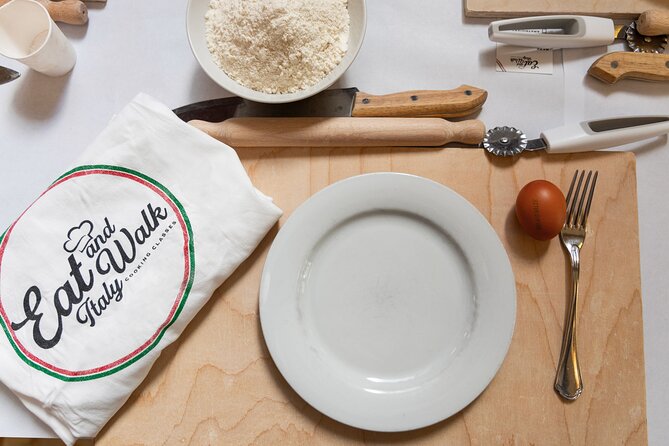
This is the kind of experience that makes Rome feel personal. Instead of just watching food happen, you do the steps: dough texture, rolling thickness, and the cut that turns “pasta dough” into actual fettuccine. It’s a fun contrast to walking around Rome all day—your feet keep moving outside, but your hands learn inside.
You’re also not stuck with a long lecture. The process is structured around what you’re making: tiramisu first, then pasta, then a sit-down meal. That flow matters because it keeps the class lively and keeps you from feeling like you’re waiting around for the best parts.
The other big plus is that you’re working with ingredients and flavors that Italians actually talk about at the table: mascarpone and eggs for tiramisu, and flour-and-egg pasta for fettuccine. You leave with a mental model for how these things come together, not just a finished plate.
You can also read our reviews of more cooking classes in Rome

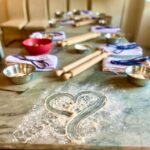
Your First Hands-On Moment: Tiramisu From Scratch
The class starts with tiramisu, and that’s smart. Dessert is forgiving, fast to learn, and it sets the tone right away: you’re not just learning technique—you’re making something you’ll eat soon.
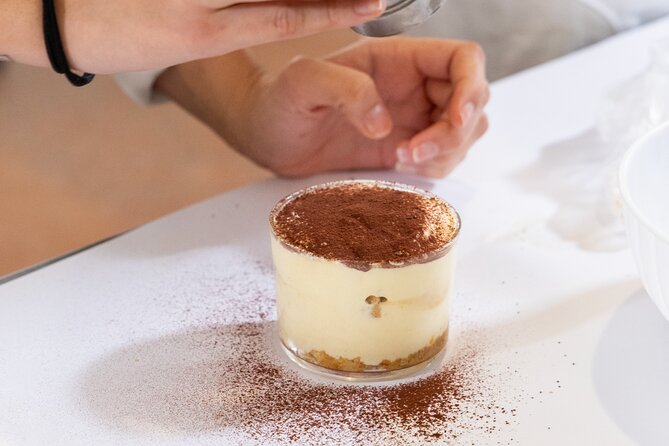
You’ll whip eggs and mascarpone into a creamy base, then layer it with biscuits and cocoa. Even if you’ve never touched tiramisu before, the steps are very teachable: mixing texture, spreading layers evenly, and keeping the structure intact so it slices nicely at the end.
This matters for value because you’re not waiting for hours to taste something. You get a visible “progress” moment early, and the class keeps momentum instead of slowing down.
Practical note: tiramisu is easier when you don’t overthink it. Follow the chef’s guidance, focus on consistency, and don’t worry about making it restaurant-perfect. The goal is learning the process you can repeat later.
Rolling, Cutting, and Shaping Fresh Fettuccine
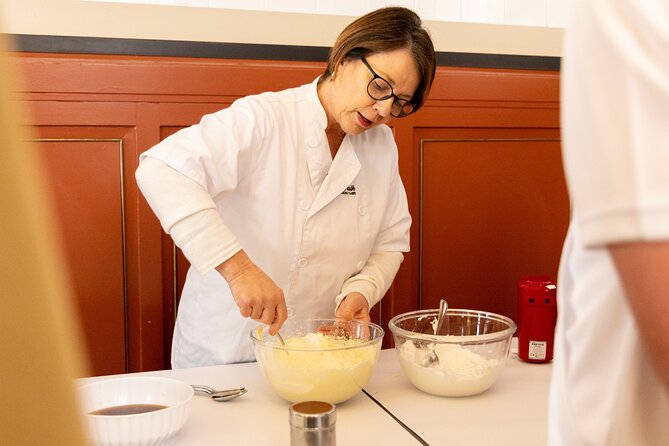
Then you shift from dessert to pasta, and that’s where this class really earns its name.
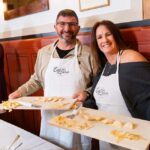
You’ll make fresh egg pasta dough using flour and eggs. That means you’re kneading by hand—building structure, learning when the dough feels elastic, and getting a feel for how pasta dough changes as you work it. You’ll roll and shape the dough too, which is the part that most people remember because it feels physical and satisfying.
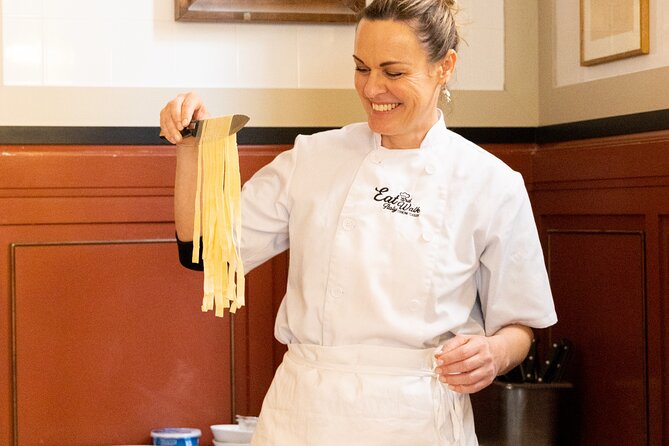
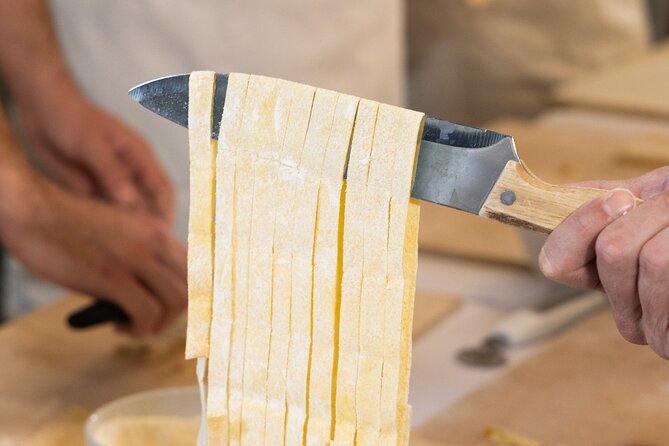
After shaping, you cut your pasta into fettuccine. The cut is the finish line: once it’s fettuccine, you can see what you’re going to eat. This step also makes the technique feel “real,” not theoretical.
One useful detail: the chef also introduces you to other traditional pasta shapes. The data doesn’t list exactly which shapes you’ll make every time, but the point is that you’re learning more than a single trick. You’ll get a sense of how pasta formats vary, and you’ll understand that fettuccine is just one answer to the question: what shape fits the sauce and the occasion?
Choosing Your Sauce: Amatriciana, Cacio e Pepe, Pomodoro e Basilico
Here’s the part that turns your cooking lesson into a meal you’ll actually want to order again at home.
You choose a sauce for your fettuccine. The classic options include Amatriciana, Cacio e Pepe, or Pomodoro e Basilico. These aren’t “safe” flavors in the sense of being bland. They’re bold in different ways: one leans savory and porky, one leans sharp and peppery, and one is the tomato-garden classic many Italians treat as comfort food.
Important for expectations: you don’t make the sauce yourself. The class experience includes choosing from the options, and the chef cooks your fettuccine with the chosen sauce. That’s a good setup for most people because it keeps your hands focused on pasta, while you still get the payoff of tasting a proper sauce.
A small tip from a past participant: if you’re given a wider selection and you like a hearty pairing, one person recommended choosing a red sauce, since their additional pasta shape (they mentioned ravioli) was paired with a butter sage sauce. Even if your class version differs, it’s a helpful reminder to think about color and flavor weight when choosing—tomato sauces and peppery cheeses tend to go in different directions.
The Restaurant Meal Part: Wine, Limoncello, and Coffee
Once your cooking time is done, you sit down and eat. Your plate includes:
- Fettuccine with your chosen sauce (Amatriciana, Cacio e Pepe, or tomato and basil)
- Freshly made tiramisu
- A drink: one glass of white or red wine, or another non-alcoholic beverage
- Water
- A shot of limoncello or hot coffee
This is where the experience becomes more than a class. In many cooking workshops, you do the work, but the eating feels like an afterthought. Here, the meal is built into the lesson’s structure. You get to taste what you made right after learning it, which helps your brain lock in the steps.
Also, the included limoncello or hot coffee is a very Italian ending to a full meal. It’s a small add-on that changes the vibe: you’re not rushing out right after tasting pasta, you’re actually finishing a Roman-style dinner.
If you’re the type who worries about cooking classes being awkward or crowded, the max 14 group size helps. You can talk, learn, and eat without feeling like you’re in a school cafeteria.






Where the Class Fits in Rome (And Who Will Love It)
Timing matters in Rome. This is a 2 hours 30 minutes experience, so it fits neatly between big sightseeing blocks. If you’re trying to balance long museum days with something active and social, this is a strong choice.
It’s also a great change of pace if you’ve been walking through busy streets. The class gives you a focused task, and that makes the city feel less frantic for a while. You’ll be concentrating on dough, layering, and sauce choices instead of navigating crowds.
Who this suits best:
- First-timers who want a real hands-on food skill without needing prior cooking experience
- Food lovers who like learning how ingredients behave, not just eating meals
- Couples and small groups who want a shared activity with a sit-down reward
- Families, since the process is guided and people can successfully make both dishes
One detail worth mentioning from the feedback: people reported that everyone in their group was able to make both dishes. That’s a big deal for confidence. If you’re worried you’ll be “bad at dough,” this format is designed to keep you on track.
Chef Personalities: Why the Teaching Style Matters
A cooking class lives or dies by the teacher. The standout theme in the feedback is that chefs are warm, clear, and supportive—especially if you’re starting with zero experience.
Chef names that come up in the class feedback include Chef Leo, Chef Furlo, and Chef Carlotta. The common thread isn’t just friendliness. It’s instruction that’s practical and reassuring: you’re guided through kneading, rolling, and shaping so you’re not left guessing.
I also like that the pacing works for different personalities. Some people want to chat while cooking. Others want quiet focus. The class atmosphere seems set up so you can do both: you’re learning at a shared table, but the chef’s attention keeps the process from turning into chaos.
If you’re the type who learns by doing, this is a good match. If you’re the type who wants lots of free time to watch others, you might find the hands-on nature more intense than you’d like—but that intensity is exactly why the experience feels worth it.
Is It Worth $67.75? What You’re Really Paying For
Let’s talk value, because $67.75 in a city like Rome can mean very different things depending on what’s included.
Here, you’re not just paying for a meal. You’re paying for:
- A chef-led lesson in fresh egg pasta techniques
- A full tiramisu build from scratch (not a semi-homemade version)
- Cooking support and finishing steps so you end up with properly cooked fettuccine
- A sit-down meal with your pasta and tiramisu
- Drinks: a glass of wine (or a non-alcoholic alternative), plus limoncello or hot coffee, plus water
When you add it up, the price makes sense for people who want a structured food skill plus a complete dinner outcome. You’re basically getting a chef’s time, hands-on training, and a finished meal in one package.
The other value signal: it’s a popular experience. The average booking window is about 41 days in advance, and that usually means schedules fill up during peak periods. If you’re traveling in high season or on a tight itinerary, booking earlier is the easiest way to avoid last-minute stress.
Booking Notes That Affect Your Day
You’ll start at Via Giuseppe Zanardelli, 14, 00186 Roma RM, Italy, and the activity ends back at the meeting point. It’s near public transportation, so you’re not dependent on a car or a complicated navigation puzzle.
The class is offered in English, and tickets are mobile. Confirmation happens at booking time, and the group size caps at 14 people, which helps keep the experience personal.
One more practical consideration: since it’s restaurant-based and you’ll be hands-on, wear clothing you’re comfortable getting a little flour-dusted. The steps are tactile, and that’s the point.
Should You Book This Fettuccine and Tiramisu Masterclass?
If you like Rome food but you also want a real skill you can bring home, I think this is a smart booking.
Book it if:
- You want hands-on cooking instruction, not a passive tasting
- You’ll enjoy learning pasta technique and dessert layering
- You want a complete meal with wine and an Italian ending drink (limoncello or coffee)
- You value a small group format and clear English teaching
Skip it (or at least consider another option) if:
- You hate getting hands-on with dough or you need a very low-contact activity
- You’re only interested in learning sauce-making from scratch, because sauce-making isn’t the focus here
- You’re hoping for a long, wandering food tour tied to multiple Rome landmarks, since this is concentrated on cooking and eating
My take: for $67.75, you’re not just buying a dinner. You’re buying an experience that teaches you how to make two classics—fettuccine and tiramisu—and then lets you eat your results the same day.
FAQ
What’s the duration of the fettuccine and tiramisu class in Rome?
The experience runs about 2 hours 30 minutes.
Is the class taught in English?
Yes, the class is offered in English.
What’s included in the meal after cooking?
You’ll have fettuccine with your chosen sauce, freshly made tiramisu, water, and a drink (a glass of wine or another non-alcoholic beverage). You also get a choice of limoncello or hot coffee.
Do I make the sauce myself?
No. You choose from sauce options, and the chef cooks your fettuccine with the selected sauce. Sauce-making is not included for participants.
How big is the group?
The class has a maximum of 14 travelers.
What’s the cancellation policy?
You can cancel for a full refund up to 24 hours before the experience’s start time. If you cancel less than 24 hours before, the amount paid is not refunded.