REVIEW · ROME
Eternal Rome Food Tour: Campo de Fiori, Jewish Ghetto, Trastevere
Book on Viator →Operated by Eating Europe Food Tours Rome · Bookable on Viator
A good Rome day starts with snacks. This Eternal Rome Food Tour strings together three neighborhoods and a serious food-and-wine lineup, with a small group capped at 12 and a local guide who keeps the walk moving at a fun pace. I especially like that you start at Campo de’ Fiori’s market and end in Trastevere with Jewish-Roman specialties and a wine cellar visit. One thing to consider: it’s a walking tour, so if your day is already packed or you prefer slow strolling, you’ll want to plan for 4 hours on your feet.
You’ll get a mobile ticket, an English-speaking guide, and a complimentary digital guide to Rome’s food scene. You also won’t be stuck eating the same generic tourist fare—each stop is built around what locals actually order (porchetta with pizza bianca, fried cod, supplì, artichokes, and gelato with quality tips). If you have severe or life-threatening food allergies, this may not be the right fit, since they can’t take responsibility for those risks on tour.
In This Review
- Key things I’d circle before you book
- A Roman food tour that actually teaches you what to order
- Campo de’ Fiori morning market: porchetta, pizza bianca, and a great starting buzz
- Passetto del Biscione: a short passage that gives the neighborhoods depth
- Jewish Ghetto tastings: ricotta-sour cherry pastry and classic fried cod
- The Tiber River island: why myth and a small plate belong together
- Trastevere street eats plus wine cellar power
- Fatamorgana gelato lesson: how to spot quality before you buy
- Price and value: what $143.97 buys in real experience
- Logistics that affect your day: walking time, tickets, and extra drinks
- Who should book this Eternal Rome Food Tour
- Should you book this tour?
- FAQ
- How long is the Eternal Rome Food Tour?
- How many people are on the tour?
- What language is the tour offered in?
- What’s included in the tour price?
- Can you accommodate dietary requirements?
- Is free cancellation available?
Key things I’d circle before you book
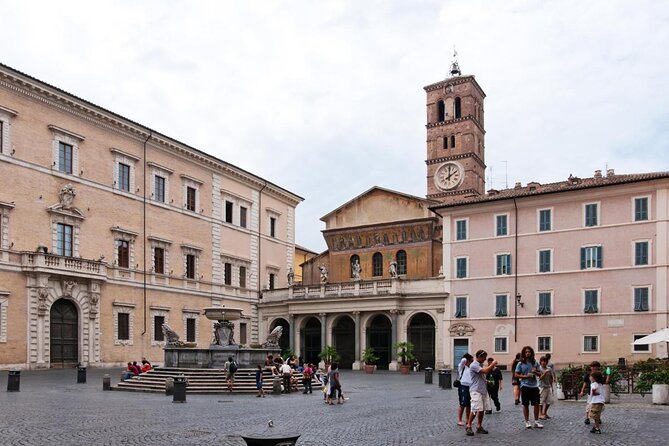
- Campo de’ Fiori market start with a porchetta sandwich paired with red wine
- Jewish Ghetto food stops featuring ricotta-sour cherry pastry and classic fried cod plus supplì
- Tiber River island break with a food-and-story stop tied to Rome’s mythology
- Access to a wine cellar older than the Colosseum and a proper pasta course with beef ragu
- Gelato lesson at Fatamorgana, including how to spot real quality (not just sweetness)
- Small group feel (max 12) so questions and pacing don’t get swallowed by the crowd
A Roman food tour that actually teaches you what to order
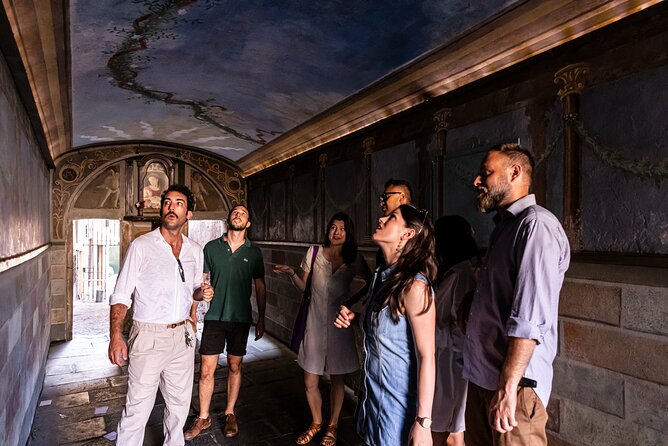
If you’ve spent any time in Rome, you know the city’s problem isn’t a lack of restaurants. It’s the opposite: too many choices, too many menus, and not enough time to figure out what’s worth your money. This tour helps you skip the guessing by building a route around neighborhoods where specific Roman food traditions make sense—market food first, then Jewish-Roman staples, then Trastevere street bites.
The small-group size matters more than people think. With a cap of 12 travelers, your guide can steer you to the right places, keep the group together, and explain what you’re eating without turning it into a lecture you can’t hear. And because the stops include wine and dessert, it works like a full experience—something you can treat as your “dinner plan” even if you’re also still hungry for actual restaurant meals later.
Still, a heads-up: this is not a sit-down tasting parade. It’s a walking tour across multiple areas, with multiple short stops. If you need frequent long breaks, or you don’t enjoy being on foot for close to 4 hours, you may find the pace a bit intense.
You can also read our reviews of more food & drink experiences in Rome

Campo de’ Fiori morning market: porchetta, pizza bianca, and a great starting buzz
The tour begins at Piazza Campo de’ Fiori, one of those central Rome squares that helps you orient fast. From here, the day feels less like a checklist and more like a local morning routine: market energy, nearby restaurants, and an easy flow into food.
Right away you’ll taste at Norcineria Viola dal 1890, starting with porchetta in pizza bianca and a glass of red wine. The combination is practical and very Roman: pizza bianca is sturdy, so it holds up to the walk, and porchetta gives you that savory hit that makes the rest of the tour feel like a natural progression instead of random bites.
What I like about starting here is the logic. Market food anchors your palate. You’re not beginning with dessert or something overly sweet. You start with something salty and satisfying, so later tastings—pastry, fried foods, wine, and gelato—feel balanced instead of clashing.
Passetto del Biscione: a short passage that gives the neighborhoods depth
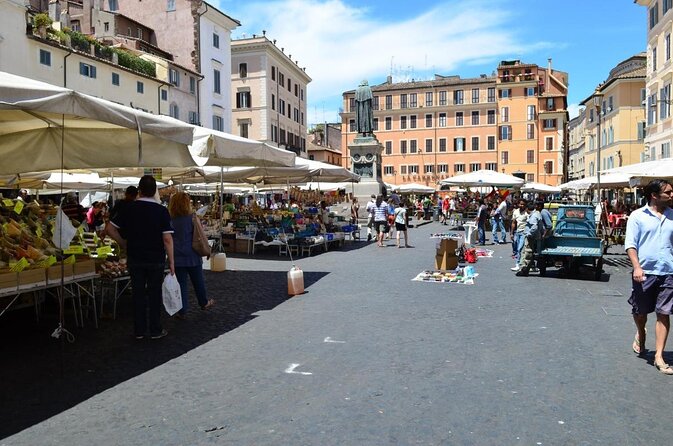
After the market start, you’ll move toward Passetto del Biscione. This stop is short, but it’s the kind of Rome detail that makes a food tour feel more like a city tour without slowing you down.
You’ll stroll through this distinctive passage, and the point isn’t the photo. It’s the context: it helps connect how Rome’s buildings and streets create unexpected routes, and how the city’s older layers still shape what you see today. Even if you’ve visited Rome before, this kind of side route is exactly what you don’t get from most big-bus sightseeing.
There’s also a practical benefit. A brief walking moment like this breaks up the eating and keeps you from feeling like you’re constantly in a line. It’s a good “reset” so the group doesn’t get tired right before the next tastings.
Jewish Ghetto tastings: ricotta-sour cherry pastry and classic fried cod
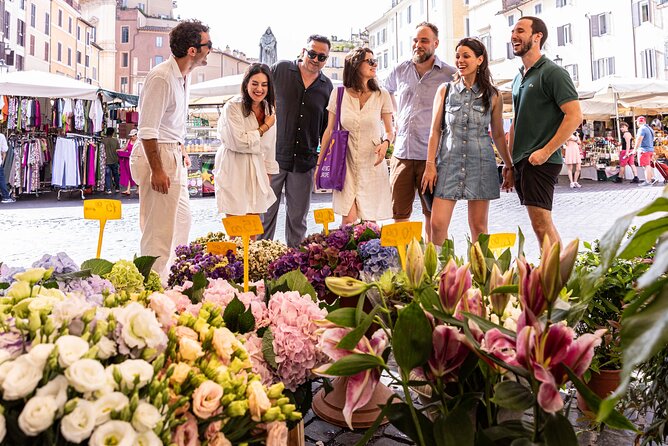
Then you get into the heart of the Jewish Ghetto area, where Roman food traditions take on a distinct twist. The big win here is variety: you’re tasting sweets, savory mains, and wine—so the neighborhood isn’t reduced to one single dish.
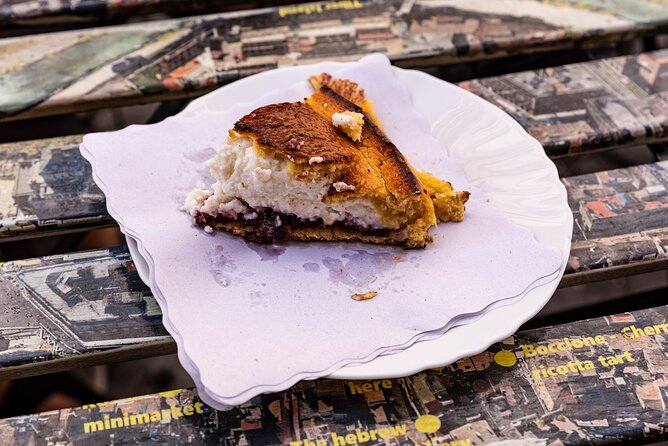
At Pasticceria Boccione, you’ll try a traditional pastry featuring ricotta and sour cherry. You’ll also have it later along with a glass of Prosecco. That timing matters. It’s one of those small-tour tricks that prevents dessert from being the last thing you cram in. Instead, it’s spaced so your palate stays ready.
Next comes Taverna del Ghetto, where the tastings lean firmly into traditional Roman-Jewish comfort food: crispy fried cod fillet, a savory supplì, and a glass of white wine. If you’re the kind of person who thinks you only need to eat pasta in Rome, this is the corrective. Supplì—those crispy rice croquettes—are street-food genius. Fried cod gives you that crunch-and-flavor combo, and it’s especially satisfying alongside wine.
There’s also an added stop tied to a striking ancient Roman structure in the Jewish Ghetto, originally built in the 1st century BC. The tour treats it like more than a landmark: you get a snapshot of archaeology and how the city’s architecture still sits in your walking path.
Finally, you’ll step into a river-side story at the Tiber.
The Tiber River island: why myth and a small plate belong together
Rome loves symbolism, and the tour uses that theme where it’s easiest to understand: at the Tiber River, specifically the only island within the city limits. You’ll hear how this place fits into Rome’s history and mythology, which helps the stop feel like something more than a scenic break.
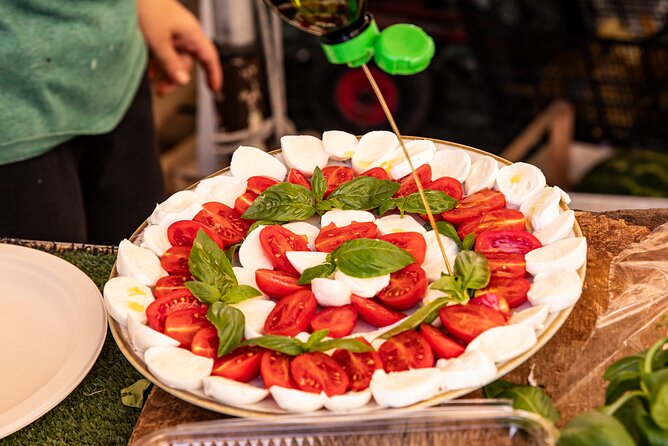
And yes, this is also a food-and-drink moment. One of the tastings here can include a small plate like caprese salad alongside sparkling wine, depending on the day and seasonal selections. That variability is normal for food tours, and it’s one reason to think of this as a curated experience rather than a guarantee of one exact menu.
The practical payoff: being outside near the river gives you a breather from the dense streets and keeps the “story” moving. After fried foods and wine, this kind of pause helps you keep energy for Trastevere rather than slowing down right after.
You can also read our reviews of more tours and experiences in Rome
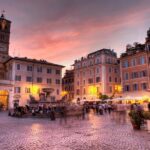




Trastevere street eats plus wine cellar power
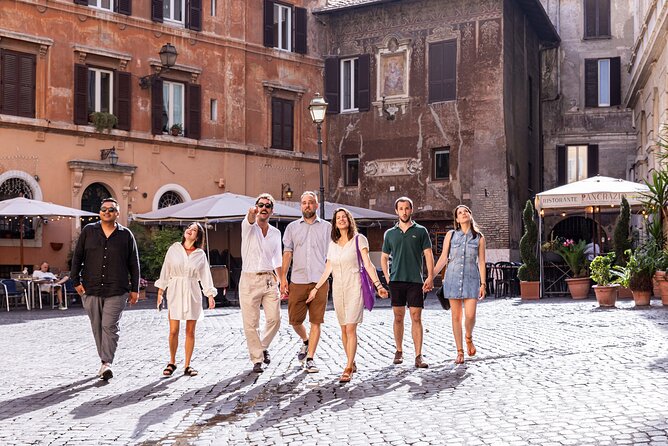
Trastevere is where the tour leans into classic Roman street vibes, and it does it with two well-chosen stops that complement each other: something grab-and-go, then something more wine-focused.
At Trattoria Da Enzo, you’ll try Jewish-style fried artichokes to go. This is a “popular Roman Jewish specialty” style snack—crispy, flavorful, and built for eating while walking. It’s the kind of food that tastes better than it sounds, mostly because artichokes can be either bland or great depending on preparation, and fried preparation usually tips them firmly into great.
Then you’ll head to Spirito di Vino, a cellar that’s older than the Colosseum. That’s a bold selling point, but the real value is what you get inside: pasta with beef ragu plus a fine selection of wines. This is where the tour stops feeling like a snack crawl and starts acting like an actual meal experience, just delivered in a clever sequence.
If you enjoy wine, this stop is one of the reasons the tour’s price can make sense. It’s not just wine as an add-on; it’s wine as part of the setting and education. You’re in a historical cellar, and the tasting is matched with food so your palate stays engaged instead of jumping from one taste to another.
Fatamorgana gelato lesson: how to spot quality before you buy
No Rome food tour feels complete without gelato, and Fatamorgana is where you get more than a sweet ending. You’ll step into the artisan gelato shop and taste gelato, while also learning how to spot real high-quality gelato and recognize flavors that actually reflect Italy.
This is a smart final stop because it gives you a “homework” takeaway. You’ll start noticing texture, flavor balance, and how the gelato tastes beyond just sweetness. Even if you don’t plan another gelato stop on your own after this, you’ll carry the skill with you.
Plus, gelato works as a gentle closer. After wine and fried foods, something chilled and milky helps reset your mouth so you can keep exploring Rome the rest of the day without feeling weighted down.
Price and value: what $143.97 buys in real experience
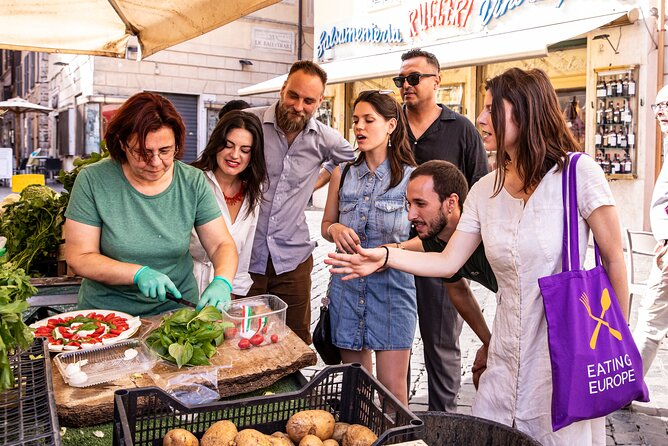
At $143.97 per person for about 4 hours, this tour isn’t cheap. But it’s also not paying for one restaurant meal and a souvenir. You’re paying for a route that strings together multiple neighborhoods, multiple tastings, and access to a wine cellar older than the Colosseum.
Here’s why that matters for value:
- You get several paid tastings (including wine and a pasta course), not just small samples.
- The small-group cap of 12 limits chaos and makes the guide’s explanations usable.
- The stops hit variety: market food, pastry, fried cod and supplì, artichokes, pasta with ragu, and gelato.
- You also receive a complimentary digital guide to Rome’s food scene, plus insider tips.
A practical expectation check: you should come ready to eat. This tour is designed so you won’t feel like you must immediately book a heavy dinner afterward. In other words, think of it as a major meal-in-motion, not a light snack add-on.
Logistics that affect your day: walking time, tickets, and extra drinks
This experience is in English with a local English-speaking guide and uses a mobile ticket. You start at Piazza Campo de’ Fiori and finish at Via Roma Libera, 11. Both are in central areas that connect well to public transportation, so it’s easier to keep moving after the tour ends.
The tour also notes that tastings and stops can vary by day or season. That’s normal, and it means you should expect a similar style of experience even if one dish changes.
One more planning point: extra drinks are not included, and tips for the guide are not included. If you’re a wine fan, you’ll likely want to pace your drinking so you can still enjoy the walking parts.
Who should book this Eternal Rome Food Tour
This is a strong pick if you want:
- A first trip to Rome and you want food in real neighborhoods, not just a checklist of monuments
- A small-group experience (max 12) with an English guide who can explain what you’re eating
- Wine and Jewish-Roman specialties on the same day
- A route that includes market food, Tiber-side mythology, and Trastevere street bites
It might be less ideal if you:
- Don’t handle walking well or you hate being on foot for most of 4 hours
- Have severe or life-threatening food allergies. The tour notes they aren’t suitable for that category due to safety limits around ingredients.
Also, if you’re traveling with kids: children under 4 join free, but food isn’t included for them. Paid tickets with food included are available starting at age 4.
Should you book this tour?
If your goal is to get a lot of authentic Rome food and drink in one afternoon, this tour is a good bet. The combination of Campo de’ Fiori + Jewish Ghetto + Trastevere, plus the serious experience of a wine cellar older than the Colosseum, is the kind of match that makes the price feel more like value than cost.
Book it if you want variety, you like wine, and you’re happy to spend a good chunk of time walking through the city. Skip or research further if you need strict dietary safety for severe allergies or you want a more relaxed, low-walking format.
If you do book, come hungry, wear comfy shoes, and treat it like a guided food story with a meal at the end—because that’s exactly the rhythm it’s built for.
FAQ
How long is the Eternal Rome Food Tour?
It runs for about 4 hours.
How many people are on the tour?
The group is capped at a maximum of 12 travelers.
What language is the tour offered in?
The tour is offered in English.
What’s included in the tour price?
You’ll get a local guide, multiple tastings (including items like porchetta, pastry, fried cod and supplì, artichokes, pasta, gelato, and wine), access to a wine cellar, and a complimentary digital guide. Gratuities and extra drinks are not included.
Can you accommodate dietary requirements?
They ask you to email or add a note at booking. They say they’ll do their best to accommodate vegetarians, gluten-free guests, or other dietary needs, but they also note it isn’t suitable for severe or life-threatening food allergies.
Is free cancellation available?
Yes. You can cancel for a full refund up to 24 hours before the experience starts. If you cancel less than 24 hours before, you won’t receive a refund. If the minimum number of travelers isn’t met, you’ll be offered a different date or a full refund.