REVIEW · ROME
Domus Tiberiana and The Ruins of Ancient Rome Guided Tour
Book on Viator →Operated by Rome guided tours · Bookable on Viator
Roman Forum in one tight loop. This guided walk stitches together the city’s biggest name sites, with admission tickets included and a professional guide to keep the ruins from feeling like random piles of stone.
I especially like the structure: you get Foro Romano first, then the legendary high ground on Palatine Hill, and finish with Domus Tiberiana in the same outing. The other big win for me is time: it’s long enough to connect the dots, but short enough that you’re still able to plan the rest of your day around the Forum area.
The main consideration is physical. The tour lists a moderate walking level, and in real life that means uneven ground and steady steps for about 2 hours 30 minutes. If your feet run hot easily, wear real walking shoes and don’t treat this like a photo stroll.
In This Review
- Key things I’d plan around
- Price and what you really get for $100.05
- Foro Romano: where Roman politics and daily life meet
- Palatine Hill: the legend of Romulus and the view from power
- Domus Tiberiana: an imperial palace reopened in September 2023
- How the tour timing keeps your day flexible
- Group size: small enough for better flow, not a private tour
- Getting to the start point (and keeping it easy)
- What to wear and bring for moderate walking on ancient stone
- Weather and what happens if conditions turn
- Should you book this tour?
- FAQ
- How long is the Domus Tiberiana and Ancient Rome guided tour?
- Where does the tour start and where does it end?
- Is admission included for the three sites?
- What’s included in the price?
- What is not included?
- How large is the group?
- What fitness level do I need?
- What if weather is bad or I need to cancel?
Key things I’d plan around
- Three major stops, one flow: Foro Romano → Palatine Hill → Domus Tiberiana, with guided pacing between them.
- Tickets are handled for you: admission is included at each stop using a group ticket.
- Domus Tiberiana is newly reopened: reopened to the public in September 2023 after long closure and restoration.
- A small group: maximum 20 travelers, so you’re less likely to get lost in the back.
- Built for the morning: multiple morning departures make it easier to fit into a busy Rome itinerary.
Price and what you really get for $100.05
At about $100.05 per person for roughly 2.5 hours, this tour isn’t the cheapest option in Rome. The value comes from two practical things: you’re paying for a guide plus admission tickets included at all three locations, with fees and taxes covered.
That matters because in the Forum area, you’ll often pay for entry anyway and then still need a way to understand what you’re seeing. Here, the “ticket cost” is bundled into the experience. You also don’t have to buy separate entries as part of this tour, since it uses a group ticket only approach.
Also, the tour is capped at 20 people. That small limit can make a difference when you’re trying to hear explanations over the usual Rome noise and foot traffic. You won’t have a personal guide, but you’re more likely to stay oriented while the group moves.
You can also read our reviews of more guided tours in Rome

Foro Romano: where Roman politics and daily life meet
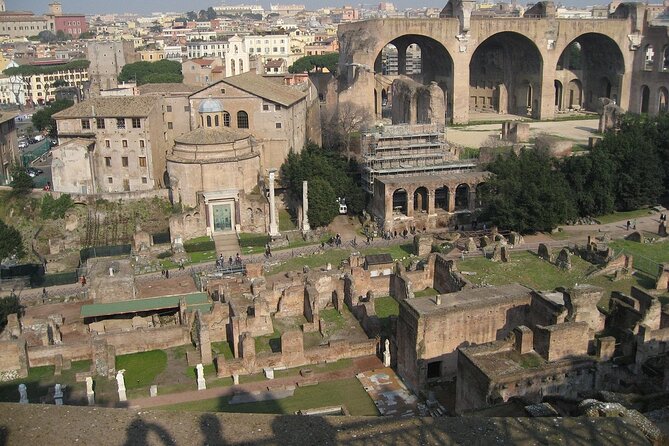
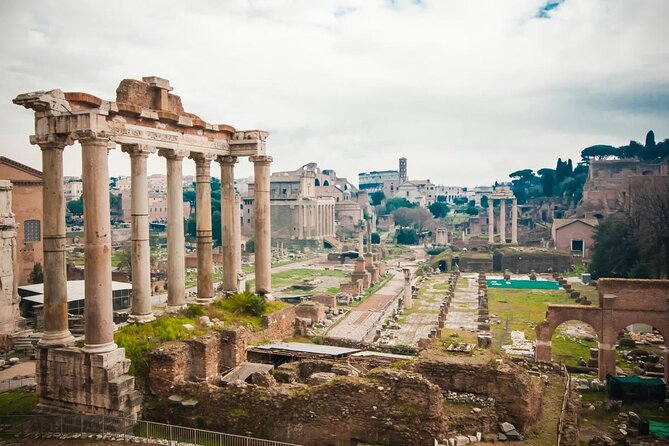
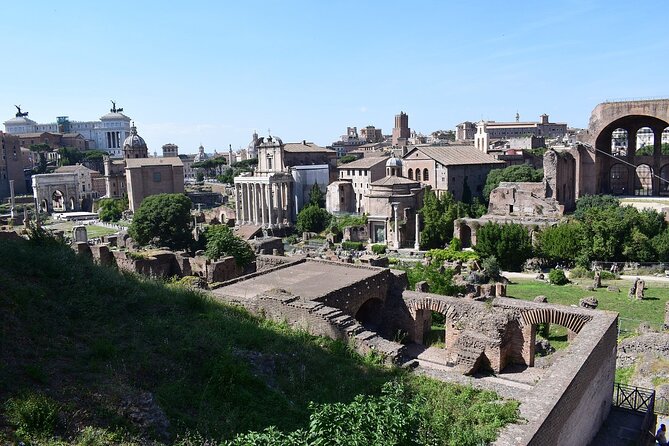
The Roman Forum stop is the heart of this outing, and it works because it gives you a clear starting point. This wasn’t just a scenic ruin. It was the center of Roman social, political, and economic life, a place where public events and business collided.
Your guide’s job here is key: you’ll see areas connected to different kinds of activity, not just one “temple-view.” You can expect explanations tying the Forum to:
- commerce and trade
- political rallies
- military parades
- sacred ceremonies linked with the Vestal Virgins
What I like about doing the Forum first is that it helps you build a mental map quickly. Later, when you’re on Palatine Hill and then Domus Tiberiana, you’ll understand why these places matter to each other. Without that start, Rome’s central ruins can feel like separate attractions instead of one storyline.
One practical caution: this area can be a lot on your feet. Even if the time block is set, you’ll still be walking uneven surfaces and negotiating crowds. Go in with that mindset so you don’t feel blindsided halfway through.
Palatine Hill: the legend of Romulus and the view from power
After the Forum, you move up to Palatine Hill, which is where the tour makes its second big leap: from the public arena to the legendary origin story and the elevated vantage point.
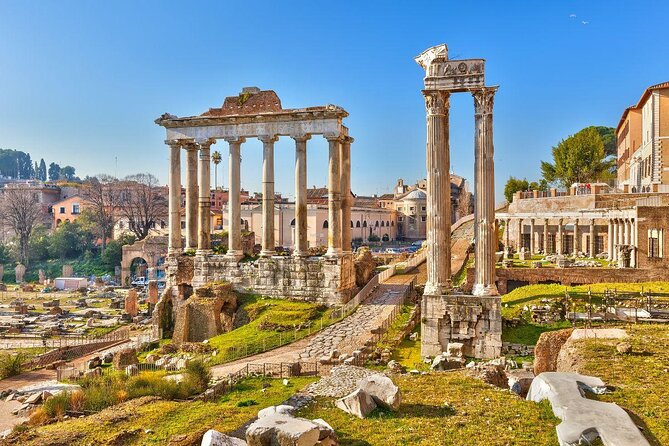
Palatine Hill is tied to the story of Romulus founding Rome, and it’s also one of the oldest parts of the city. Your guide should help connect the idea of “legendary beginnings” to real imperial importance—because Palatine wasn’t just symbolic. It became closely linked with status and power.
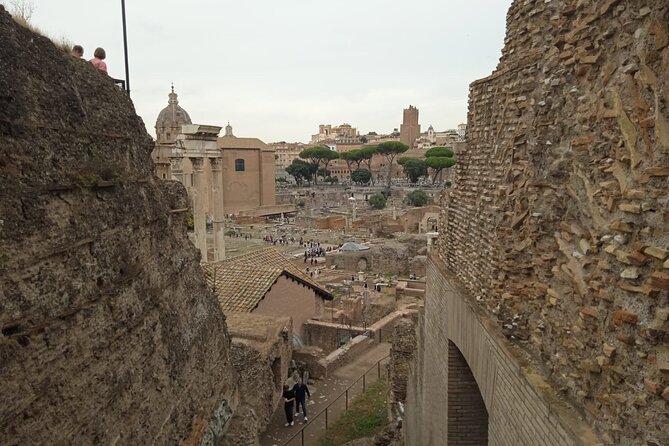
This is also a stop where you can benefit from the guided context. From the hill, you can look over the central area and start understanding how the city’s layout fits together. It’s easier to grasp Roman geography when someone helps you place what you’re seeing into a bigger picture.
A few things to keep in mind here:
- Plan to stay alert for changing elevations and uneven ground.
- This is a one-hour block, so you’ll get the essentials rather than long lingering.
- Your best experience comes when you listen for the “why,” not only the “what.”
If you like moments where the story connects to the landscape, Palatine Hill is a strong payoff in this itinerary.
Domus Tiberiana: an imperial palace reopened in September 2023
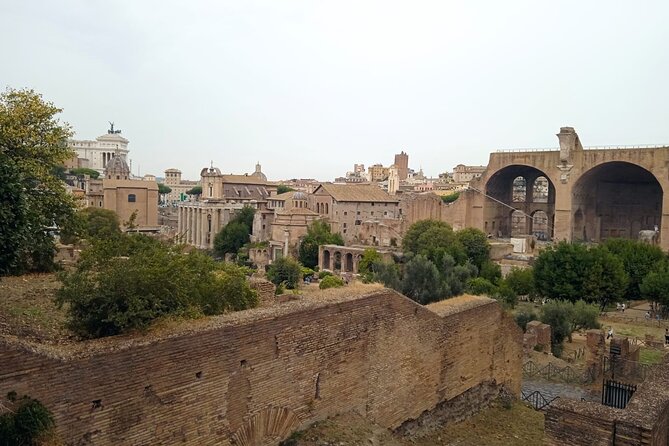
The final stop is Domus Tiberiana, and this is the most “modern in the timeline” part of the visit in a good way. According to the tour details, Domus Tiberiana is an important archaeological site that had been closed for 50 years and reopened to the public in September 2023.
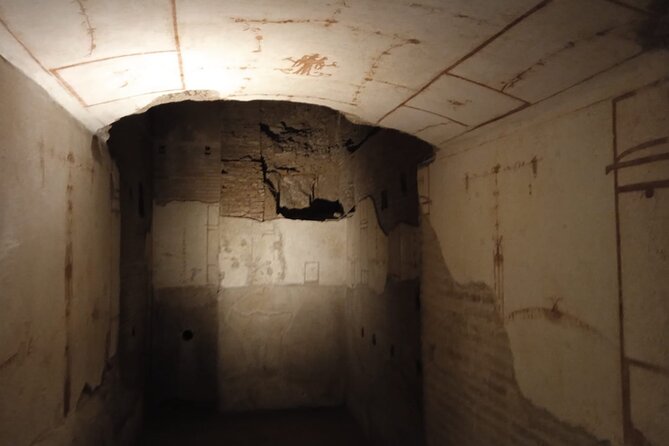
That reopening detail isn’t just trivia. It changes the feeling of the stop. You’re going to an area that has undergone careful restoration work, and that restoration has made it possible to reopen with an updated visitor route. The description also points to a new exhibition path, designed to bring you closer to the full experience of this part of the city center.
This stop works well as a finale because it shifts your focus from public space and origin myths to imperial life. If you’ve spent the morning learning how Rome presented itself, Domus Tiberiana gives a window into the homes of power.
What I’d watch for during this part of the tour:
- How the guide explains what survives versus what’s gone.
- How the route and exhibition path are laid out to help you understand the layout.
- The tone of the explanation—imperial-home sites can feel technical unless your guide translates them into human meaning.
The time is shorter here (about 30 minutes), so don’t expect to “study” the site independently afterward. Treat it as a focused introduction and then, if you want more, you can keep exploring on your own when you’re back in the Roman Forum area.
How the tour timing keeps your day flexible
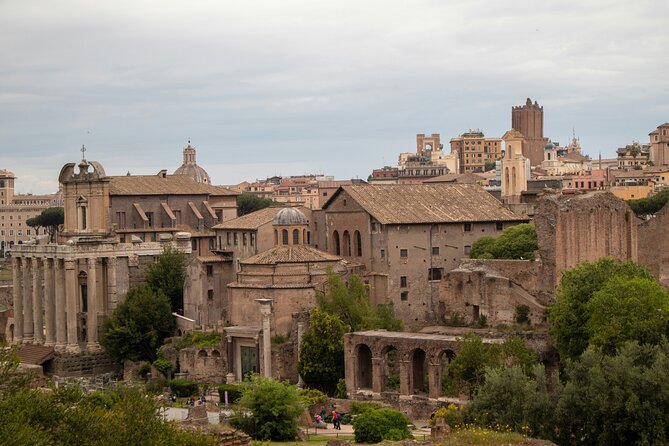
This is listed at about 2 hours 30 minutes total, with time blocks that are short and purposeful: roughly 1 hour for the Forum, 1 hour on Palatine Hill, and 30 minutes at Domus Tiberiana.
Why that matters: Rome is a city where your whole plan can collapse if you overbook. A tight, guided route like this helps you avoid wasting time trying to piece together ruins with no context.
It also lists numerous morning departures, which I’d treat as a real scheduling advantage. If your day includes other reservations later, you’ll likely find a start time that won’t squeeze your whole schedule.
The tour finishes at the Roman Forum area (the meeting/end details use Rome zone addresses: start at 00184 and end at 00186). That’s convenient because you’re already in the part of town where a lot of sightseeing happens next.


Group size: small enough for better flow, not a private tour
The group size is capped at 20 travelers. That’s a sweet spot for a walking tour in central Rome. You’re not getting a private guide, but you’re less likely to lose the thread while the group moves.
It also affects what you’ll experience during explanations. In smaller groups, guides can keep talking without constantly stopping to wait for people at different speeds. That matters in the Forum area because you’re moving over uneven ground and through sightlines that can be crowded.
If you’re the kind of traveler who likes to ask lots of questions, this format can work. If you prefer silence, you still get the value of having someone interpret the ruins for you.
Getting to the start point (and keeping it easy)
The tour’s start is listed at 00184 Rome, with the ticket redemption point also at 00184 Rome. The tour ends at the Roman Forum area around 00186 Rome.
It’s described as near public transportation, which is exactly what you want in Rome. You don’t need a car. You should be able to take transit, walk a short distance, and arrive without drama.
Still, I recommend building in a little buffer time. Even when you arrive early, you’ll likely spend a few minutes orienting yourself in the meeting area before the group gets moving.
What to wear and bring for moderate walking on ancient stone
This tour asks for a moderate physical fitness level. That usually means you should assume:
- uneven surfaces
- changes in elevation (especially with Palatine Hill)
- steady walking for about 2.5 hours
So dress for your feet, not your Instagram. Comfortable shoes matter more than fancy sandals. If you’re sensitive to heat, a morning departure helps, but you still should plan for sun and wind changes around exposed viewpoints.
Bring basic water and keep it simple. Since transportation isn’t included, you’ll be handling your own start-to-finish movement around the neighborhood before and after the tour.
Tips aren’t included either, so if you plan to tip your guide, factor it into your budget. (If tips aren’t part of your style, at least don’t let it surprise you at the end.)
Weather and what happens if conditions turn
This experience requires good weather. If it’s canceled due to poor weather, you’ll be offered a different date or a full refund.
That matters in Rome because even a “not perfect” day can make walking less enjoyable. If you’re booking close to your travel dates, keep an eye on the forecast and be ready for plan changes if the weather turns.
Should you book this tour?
Book it if you want a guided route that connects Rome’s public center, the legendary origin area, and a reopened imperial site—all in one time-efficient walk. The biggest reason is practical: admission tickets are included, the group is small (max 20), and the total time is short enough that you’re not sacrificing your whole afternoon.
Skip it (or at least consider a different format) if you’re worried about steady walking on uneven ancient surfaces. Also, if you only want very slow, unhurried time at a single site, this isn’t built for that. It’s built to help you see the essentials and understand why they fit together.
If you’re the type who likes a clear story over wandering, this tour is a strong bet.
FAQ
How long is the Domus Tiberiana and Ancient Rome guided tour?
It’s about 2 hours 30 minutes.
Where does the tour start and where does it end?
It starts at 00184 Rome and ends at the Roman Forum area (00186 Rome).
Is admission included for the three sites?
Yes. Admission tickets are included for Foro Romano, Palatine Hill, and Domus Tiberiana.
What’s included in the price?
A professional guide and all fees and taxes are included.
What is not included?
Transportation, tips, and individual tickets (it’s a group ticket only setup).
How large is the group?
The tour has a maximum of 20 travelers.
What fitness level do I need?
The tour requires a moderate physical fitness level.
What if weather is bad or I need to cancel?
It requires good weather. If canceled due to poor weather, you’ll be offered a different date or a full refund. You can cancel for free up to 24 hours in advance for a full refund.