REVIEW · ROME
Day Trip from Rome to Florence and Pisa
Book on Viator →Operated by RomaExperience Tours · Bookable on Viator
Florence and Pisa in one day sounds crazy. It works here because you get high-speed train time plus private car transport, so you spend less time stuck in transit and more time seeing the landmarks that matter. I especially like the skip-the-line access for Florence’s Accademia and Pisa’s Leaning Tower, which protects your schedule.
One thing to keep in mind: this is a tight 12-hour plan with lots of short stops, so you’ll need to be okay with quick looks instead of long museum wandering. I also liked how the experience is run with real people on the ground, like coordinators in Rome/at the station and named guides in Florence and Pisa, including Silvia and Monica in the feedback.
In This Review
- Quick hits before you go
- Why this one-day combo works: trains, tight timing, and a real plan
- Price and logistics: what you’re really paying for
- Florence stop-by-stop: from Ponte Vecchio to the David gallery
- Why the Florence plan feels balanced
- Loggia dei Lanzi, Palazzo Vecchio, and the squares that make Florence feel like Florence
- The food of Florence: Porcellino, market energy, and where you’ll actually fit a snack
- Camposanto and the Medici story: a quieter Florence stop with emotional weight
- Pisa in one focused push: tower climb, baptistery, and the surrounding monuments
- How the guides shape the day: Silvia, Monica, and Alessandra energy
- Pacing and comfort: what a 12-hour day actually feels like
- What to pack and how to make the most of the included tickets
- Should you book this Rome-to-Florence-and-Pisa day trip?
- FAQ
- How long is the day trip?
- What transport is included?
- Are skip-the-line tickets included?
- What are the main sights in Florence?
- What can you do in Pisa?
- Can children climb the Leaning Tower?
- Is food included?
- Is hotel pickup and return included?
- What’s the cancellation policy?
Quick hits before you go
- Skip-the-line entry to the Accademia in Florence and the Leaning Tower climb in Pisa
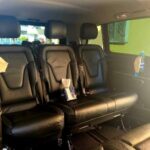
- Private car with AC plus high-speed trains to keep the day efficient
- Florence highlights that move fast: David, Duomo area views, Loggia dei Lanzi, and Palazzo Vecchio exteriors
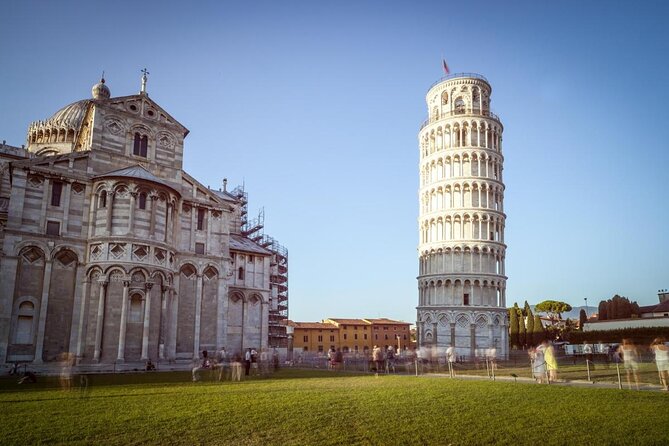
- Pisa’s main event is built in: climbing the Leaning Tower with an expert guide
- A mix of big sights and lighter stops, including Mercato Nuovo and the Fontana del Porcellino
Why this one-day combo works: trains, tight timing, and a real plan
If you want Florence and Pisa but you only have a day, this kind of trip is the practical answer. The schedule is built around the fastest Rome–Florence connection (high-speed rail) and then using a car to shorten the last-mile stress in both cities.
The biggest value is not just speed. It’s the handoffs: a representative helps you board the right train, and guides meet you in Florence and Pisa so you’re not guessing your way through stations and meeting points. That matters because Italy’s rail system is easy once you’re oriented, and frustrating if you’re not.
You’ll also notice something else: the stops are arranged to reduce backtracking. Florence is mostly about walking corridors and classic viewpoints, while Pisa concentrates on the core cluster near the tower, cathedral, and baptistery.
You can also read our reviews of more tours and experiences in Rome
Price and logistics: what you’re really paying for
At $1,556.05 per person, this isn’t a budget day trip. You’re paying for a lot of operational complexity: private car transport, train tickets, expert guides, and skip-the-line admissions for key moments.
For me, the value math comes down to time. If you tried to DIY both cities in a single day, you’d spend effort coordinating trains, timed tickets, and meeting points across multiple locations. Here, the itinerary is already stitched together, and the feedback backs that up—there are multiple accounts of drivers and guides meeting people as planned.
Two practical things to double-check before you book:
- Pickup details: the itinerary says round-trip transfer from your Rome hotel to the station, but the fine print also lists hotel pickup/return as not included. In real life, this trip has involved hotel pickup in feedback, but you should confirm your exact pickup address and timing.
- Food: it’s not included. You’ll want a plan for a quick sandwich or snack break, because some stops are only 15–30 minutes.
Florence stop-by-stop: from Ponte Vecchio to the David gallery
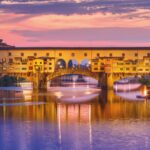
You start in Florence with the kind of scene-setter that makes the day feel real. The first stop is Ponte Vecchio, famous for jewelry shops along the bridge, but the interesting layer is the old Renaissance logic: a secret passageway was built for Florentine aristocracy. It’s the sort of detail that turns a postcard bridge into a story you can actually remember.
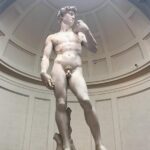
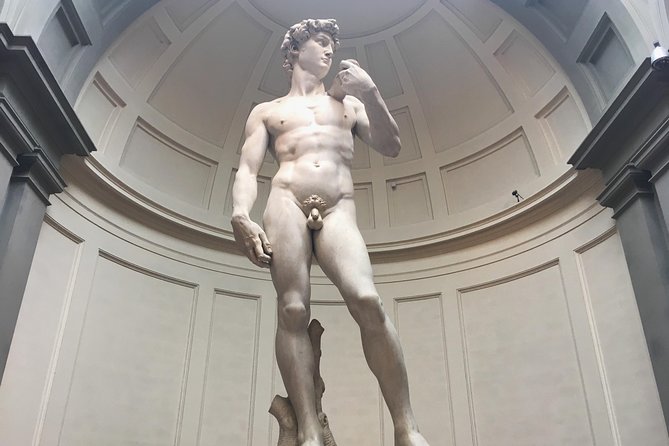
Next comes Galleria dell’Accademia to see Michelangelo’s David. Your time here is protected with skip-the-line entry, and the tour includes history behind the work, including how the masterwork relates to imperfect marble. The goal is not to make you linger for hours—it’s to get you oriented fast, with the meaning of the sculpture explained while you’re standing there.
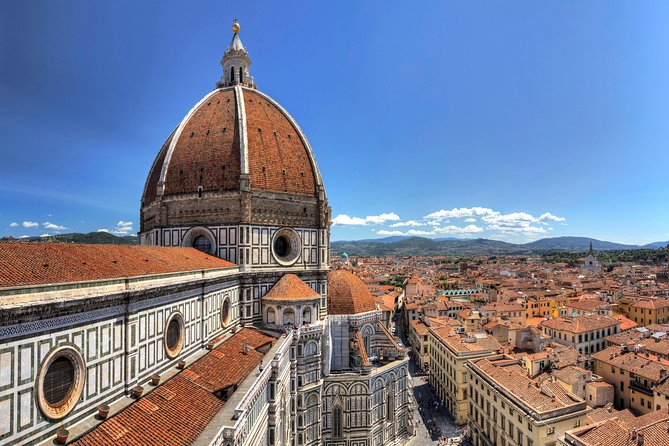
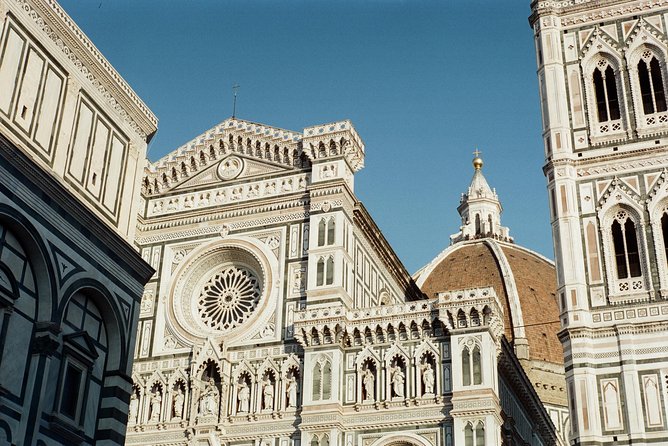
From there, you move outward into the cathedral district area. You’ll see Battistero di San Giovanni from the outside, including the bronze doors by Lorenzo Ghiberti with Old Testament scenes. Then you’ll get Duomo – Cattedrale di Santa Maria del Fiore also from the outside, with a focus on the story around architect Brunelleschi. You don’t have long to linger in Florence’s central streets, so learning the personalities and why these buildings look the way they do helps you enjoy the views even without long entry time.
Why the Florence plan feels balanced
Florence can swallow your whole day if you let it. This route keeps you moving, but not randomly. You get:
- one must-see masterpiece moment (David),
- a walking “greatest hits” spine (bridge → academy area → cathedral zone),
- and then public art and civic landmarks without museum fatigue.
Loggia dei Lanzi, Palazzo Vecchio, and the squares that make Florence feel like Florence
After the cathedral-zone views, you head to Loggia dei Lanzi, one of the best open-air sculpture galleries. You’ll see major works like Donatello’s Judith and Holofernes and Cellini’s Perseus and Medusa. Even if you’re not a serious art nerd, these sculptures read well outside—stone faces, dramatic poses, and the way they look framed against Florence’s daylight.
Then it’s on to Palazzo Vecchio from the outside. This building is a big political statement from the Renaissance era, and you’ll hear about the Florentine Republic and the Medici’s control. Even from the exterior, it helps to understand what kind of power it represented, because it explains the scale and the attitude of the walls.
Next you stand in Piazza della Repubblica for atmosphere and context. It’s a grand Renaissance-feeling square that gives your day a breather between major monuments. You’ll also get a quick cultural reset with Mercato Nuovo, a 16th-century market that’s still alive today.






The food of Florence: Porcellino, market energy, and where you’ll actually fit a snack
A big moment in the middle of the day is Fontana del Porcellino. The guide will point you to the little ritual most people know: rub the boar’s nose. It’s been a tourist tradition since the 17th century, and it’s one of those silly-but-fun things that makes photos feel like more than posing.
This is also the point where you should think about timing. The itinerary includes multiple short stops, and you’ll likely want a quick sandwich during a natural gap. Since food and drink aren’t included, I recommend you travel with a lightweight plan: a snack in your day bag, plus enough time for a quick sit-down if your group pace allows it.
If you’re traveling with kids or teens, this is where the day can feel most manageable. It mixes iconic sights with street-level life, so you’re not just marching monument-to-monument.
Camposanto and the Medici story: a quieter Florence stop with emotional weight
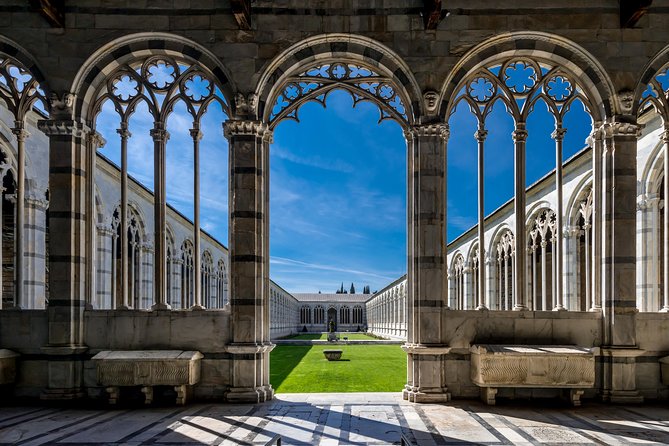
Toward the end of the Florence portion, you’ll reach Camposanto (in the Monumental Cemetery area). This stop is different from the more famous postcard sights. You’ll admire the gothic cloister, the frescoes, and the sepulchers connected to the Medici family.
For some people, this is the surprise emotional payoff of the day. It’s still a guided stop with time limits, but it can slow your brain down in a way the big plazas can’t. If you have any flexibility in how you photograph—pause for the cloister lines and fresco sections rather than only sweeping views—you’ll walk away with something lasting.
Pisa in one focused push: tower climb, baptistery, and the surrounding monuments
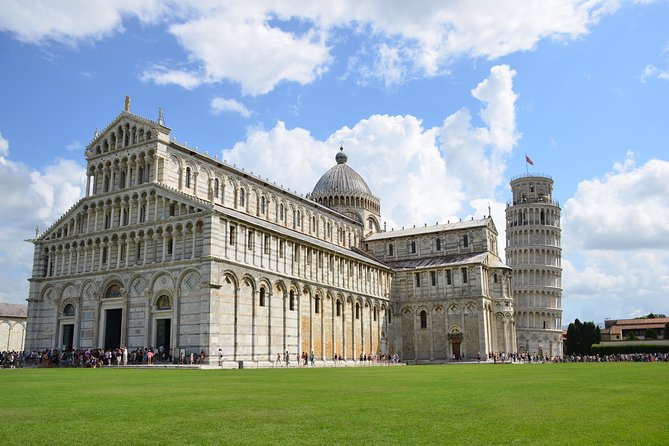
Then you switch cities. The car transport is used to get you closer to the core area, including a drive outside the main gate area near the Leaning Tower. That small logistics win matters because Pisa’s streets can be slow and tight, and you don’t want to lose time after already doing Florence at high speed.
The headline moment is the Lean ing Tower of Pisa climb with your expert guide. The plan includes the ascent, and the time is built for it—about 30 minutes with the guide. There’s an important rule: children under 8 cannot ascend. If you have kids, make sure everyone in your group understands that ahead of time so you’re not stuck making last-minute decisions on-site.
After the climb, you’ll see Cattedrale di Pisa (from the outside) and then Battistero di San Giovanni. The baptistery gets special attention for its stand-out dome and charming gothic style, and it’s described as Italy’s largest baptistry in this itinerary context.
You’ll also get back to the idea of artistry and craftsmanship—because Pisa isn’t only about the tilt. It’s about how the monuments work together in the same plaza-space: tower, cathedral, and baptistery forming a single visual unit.
How the guides shape the day: Silvia, Monica, and Alessandra energy
The guides are a huge part of why this kind of itinerary works. In feedback, I saw multiple named guides with strong local storytelling style, including Silvia in Florence and Monica in Pisa. There’s also mention of Alessandra and Scilla guiding parts of the schedule.
What that means for you: you’re not just walking past things. You’re hearing why they were built, how long restoration took, and the kinds of local stories that turn a short visit into real understanding. The Pisa guide descriptions in particular focus on local background and how the tower and nearby monuments were handled over time, which is what you want if your climb is the centerpiece.
And the coordination piece matters too. Several accounts mention a representative meeting people at the train station and providing a reachable cell number, plus guiding you onto the correct train. That reduces the usual DIY anxiety.
Pacing and comfort: what a 12-hour day actually feels like
This is a full day, around 12 hours. The stop durations are short—many are 15–30 minutes—so think of this as a guided highlights tour, not a slow museum day.
The upside is you’ll see a lot. The downside is you’ll need to manage your expectations:
- Bring your best listening headphones: the history is the point, but you won’t have time to read every plaque.
- Use photo moments strategically: if everyone stops for Instagram-level photos at once, the schedule gets tight fast.
- Wear comfortable shoes. Even with car transfers, the day involves walking in historic centers.
Physical fitness-wise, the itinerary notes moderate fitness. That usually means you can handle walking plus stairs at key sites like the tower climb, but you should not expect the day to be wheelchair-style minimal walking.
What to pack and how to make the most of the included tickets
Because food isn’t included, I suggest you pack like a sprint day:
- water bottle (where allowed),
- a small snack in case lunch runs short,
- a light layer (church areas and open-air galleries can feel cooler),
- and a camera/phone with extra battery.
For the included admissions, you’ll want to keep your documents simple. The “skip-the-line” part is most valuable if you can show up ready and move with your group. When you’re rushing, it’s not the time for lost tickets or long bag searches.
Also, plan for the tower rule if you’re traveling with younger kids. If climbing isn’t an option, decide in advance whether the group wants to stay together or split for viewing.
Should you book this Rome-to-Florence-and-Pisa day trip?
Book it if you:
- want Florence and Pisa in one day without juggling train schedules and ticket lines,
- value expert guidance at major stops like David and the Leaning Tower,
- and can handle a fast pace with lots of short stops.
Skip it (or look for a slower alternative) if you:
- want long time inside museums or churches,
- hate tight schedules and photo-pressure marching,
- or you’re uneasy about confirming pickup specifics, since pickup is described in different ways in the tour details.
My take: for the price, you’re buying time, coordination, and access. If you want a smooth, structured day that hits the icons, this is a smart choice—especially because the operation includes guided handoffs and skip-the-line moments that protect the schedule.
FAQ
How long is the day trip?
It runs about 12 hours (approx.), starting at 8:00 am.
What transport is included?
You get private car transport with AC in Rome and to/from the station, plus train tickets for the Rome–Florence and return legs.
Are skip-the-line tickets included?
Yes. The tour includes skip-the-line admission for Florence’s Galleria dell’Accademia and for the Leaning Tower of Pisa.
What are the main sights in Florence?
Key stops include Ponte Vecchio, Galleria dell’Accademia (for David), and views/exterior stops around Battistero di San Giovanni, Duomo, Loggia dei Lanzi, Palazzo Vecchio, plus Mercato Nuovo and Fontana del Porcellino. Camposanto is also included later in the day.
What can you do in Pisa?
You visit the main complex near the tower, including the Leaning Tower climb (with your guide) and exterior viewing of Cattedrale di Pisa and Battistero di San Giovanni.
Can children climb the Leaning Tower?
No. Children under 8 cannot ascend the tower.
Is food included?
No. Food and drink are not included.
Is hotel pickup and return included?
The tour description includes a round-trip transfer from your Rome hotel to and from the station, but hotel pickup/return is also listed under not included. Confirm what pickup covers for your exact location.
What’s the cancellation policy?
It is non-refundable and cannot be changed for any reason; if you cancel or request an amendment, the amount paid will not be refunded.