REVIEW · ROME
Colosseum Tour with Arena Floor, Palatine Hill and Roman Forum
Book on Viator →Operated by Carpe Diem Tours · Bookable on Viator
Rome never felt smaller than the Colosseum.
This tour is interesting because you don’t just look at ruins from the outside. You step into the Colosseum’s arena floor area via the historic Gladiators’ Gate, then connect the dots with Palatine Hill and the Roman Forum in one smooth route.
I really like two things here: the restricted arena floor access (it’s a different view of history), and the way a good guide makes the sites make sense fast. You get a guide in English, and guides like Kopal, Paulo, Felicity, Ivana, and Susana come up in the experience through strong storytelling and clear explanations.
One possible drawback: the whole visit is only about 3 hours, so photo stops can feel tight if you move slowly or linger for long. The tour is also limited to a max of 24 people, which helps, but you’ll still deal with Rome-level crowds.
In This Review
- Key highlights that matter in real life
- Entering the Colosseum: Why the arena floor access hits harder
- Meeting at the Arch of Constantine and what to plan for
- Stop 1: The Colosseum tour with arena entry via the Gladiators’ Gate
- Stop 2: Palatine Hill, where Rome tells its origin story
- Stop 3: Roman Forum in short bursts that still land
- How long is enough: Timing, crowds, and your walking pace
- Price and value: Is $95.58 worth it?
- Who this tour is best for (and who might want something else)
- Should you book this Colosseum Arena, Palatine Hill and Roman Forum tour?
- FAQ
- What’s included in the tour price?
- How long should I plan for?
- Where does the tour start and where does it end?
- Do I get access to the Colosseum arena floor?
- Is the tour in English?
- What do I need to bring for entry?
- What if the tour times don’t start in the same order?
- What happens if weather is bad?
Key highlights that matter in real life
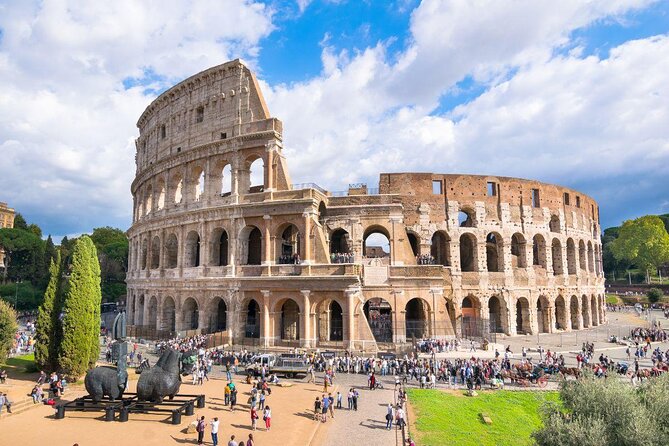
- Arena floor access through the Gladiators’ Gate so you stand where spectacles happened, not just beside the walls.
- Roman Forum + Palatine Hill in one ticket which is ideal if you want the story of Rome, not three separate half-days.
- English guide-led pacing that keeps the route logical and helps you avoid dead ends.
- Small-group size (max 24) which usually means fewer bottlenecks and more chance to ask questions.
- Mobile ticket included and timed entry style access through the main historic sites.
Entering the Colosseum: Why the arena floor access hits harder

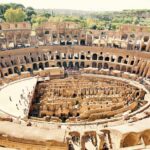
The Colosseum is famous for a reason. But if all you do is stare at arches from street level, it stays a museum object in your head. What makes this tour different is the access to the arena floor area through the Gladiators’ Gate—the passage used historically by performers and participants entering the amphitheatre.
Standing near the central space helps you understand scale. You can picture the choreography: how officials and performers moved, how spectators filled the stands, and how the arena shaped drama. It’s not just a pretty stop. It’s a perspective shift.
This is also where your guide can do real work. The best guides in this format explain not only what you’re seeing, but why it mattered—how the Colosseum fit into Roman public life during the empire, and why emperors used mass spectacles as power in public form.
Tip: wear shoes you can walk in for hours, because this is not a sit-and-stare tour. Even when you’re standing still for photos, you’re often adjusting your angle and repositioning through crowds.
You can also read our reviews of more tours and experiences in Rome.



Meeting at the Arch of Constantine and what to plan for
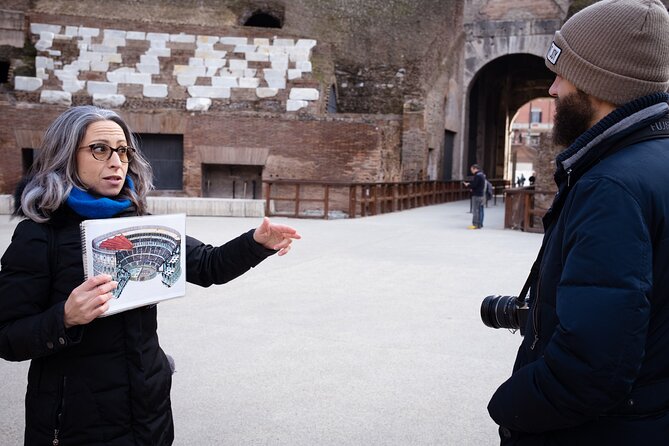
The tour starts at Piazza del Colosseo, at the Arch of Constantine. That’s a very central, very obvious meeting point, which is great on day one in Rome when you’re still figuring out directions.
You end inside the Ancient City / Roman Forum. That ending matters because it helps you keep momentum. After the tour, you’re already in the part of town where you can continue wandering, grabbing a gelato, or plugging into another activity without having to backtrack.
A few practical notes you should take seriously:
- You’ll need a mobile ticket.
- You must provide full names for everyone when booking, and they should match what’s on your voucher.
- Each person needs a valid passport or ID matching the booking name.
- Tour order may vary based on ticket times, meaning you might start at the Colosseum or you might start with the Roman Forum/Palatine Hill first.
Why that matters: names mismatching and ID issues can cause real entry problems. It’s not worth trying to fix last-minute in Rome.
Stop 1: The Colosseum tour with arena entry via the Gladiators’ Gate
You’ll begin at the Colosseum with admission included, then move onto the arena floor area. Your guide leads you through the story in a way that feels built for first-time visitors. You learn about construction during the height of Roman power and how the amphitheatre functioned as more than entertainment.
Here’s what you’ll notice when you’re inside:
- The space reads differently than it does from the outside. Corners and sightlines start making sense.
- The architecture feels purposeful. It’s designed for crowd flow and visibility.
- You can connect the arena to the surrounding seats and imagine the rhythm of the day.
This tour also tends to be interactive in a fun way. Several guides associated with this experience are described as enthusiastic, humorous, and willing to act out scenes so you can feel what you’re looking at. One guide-style approach that comes up: reenacting gladiator moments and helping the group picture how events played out.
Also, many people loved that their guide helped them keep moving without rushing the group in a way that feels rude. You’re there to learn, but you’re also there to see.
Photo note: you’ll likely want to keep your phone charged. The Colosseum gives you lots of angles, and it’s easy to lose track of time while chasing the perfect shot.
Stop 2: Palatine Hill, where Rome tells its origin story
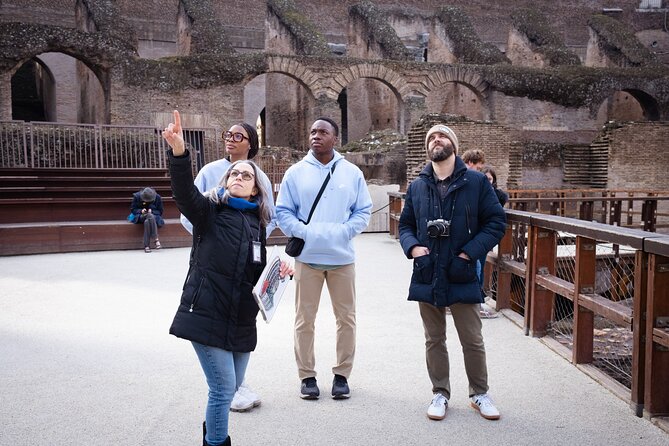
After the Colosseum, the tour heads to Palatine Hill. This hill is traditionally tied to the birthplace story of Rome, and it’s also one of the most important archaeological zones in the city. You get a guided walk through areas that include remains from early settlements through later imperial and even medieval periods.
What I like about adding Palatine Hill right after the Colosseum is the mental shift. You go from the empire’s public spectacle to the empire’s origin narrative. The ruins feel like layered pages of the same book.
Your guide points out key sites such as:
- The Hut of Romulus
- The ruins of the Imperial Palace, linked with Rome’s ruling elite and administrative life
This stop is shorter—about 30 minutes—so it works best if you’re okay with “see and understand” rather than “research like a graduate student.” If you love archaeology and want to linger over details, you might wish you had more time here. The upside is you won’t feel lost, because the guide gives you the landmarks so your own self-guided wandering later makes more sense.
Pro move: after the tour, if you still feel curious, Palatine is one of the places where it pays to return on another day or at least walk through a little longer on your own. This tour is a guided on-ramp.
Stop 3: Roman Forum in short bursts that still land
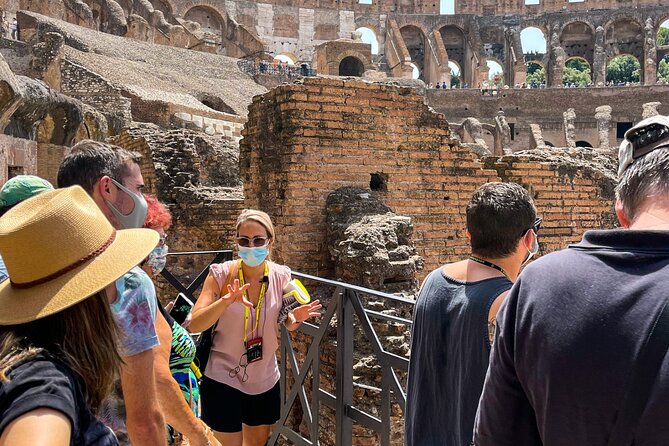
The final stop is the Roman Forum, the historical center of political and public life. This is where Rome wasn’t just building monuments—it was running the day-to-day machine of a major power.
In the time you have (about 30 minutes), your guide helps you understand the Forum’s layout and meaning. The Forum isn’t one single sight. It’s a cluster of temples, law courts, markets, and spaces tied to civic action.
You’ll also hear about major events connected to Roman power:
- Julius Caesar’s cremation
- The killing of two emperors in 69 AD
- Cicero delivering speeches that influenced Roman governance and public life
Even if you’ve seen photos of the Forum before, being guided changes how you move. You start to recognize why certain corners are important, where attention naturally flows, and which parts connect to the stories you heard earlier.
Time realism check: 30 minutes sounds short, and it is. But that’s often the right amount for first-timers because the Forum gets big quickly. The goal here is to leave you oriented, not overwhelmed.



How long is enough: Timing, crowds, and your walking pace
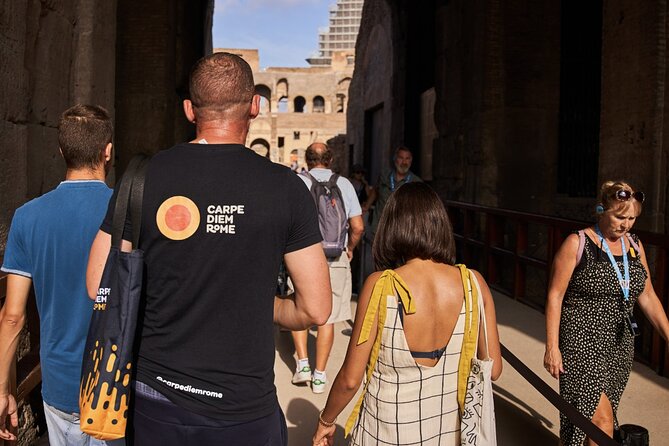
This is an approx 3-hour tour. With a route that includes Colosseum, Palatine Hill, and the Forum, that time is tight but workable.
What helps:
- The group size is capped at 24, which generally keeps movement smoother than huge buses.
- Your guide manages the flow between stops, which matters a lot in Rome when crowds can turn “a quick walk” into a traffic jam.
- The tour includes admission for each stop, so you aren’t juggling ticket lines by yourself.
A practical consideration: your experience will depend on your own pace. If you want lots of photos, you may need to accept fewer stops per minute. If you’re okay moving steadily and using your photos between explanations, you’ll feel like you’re seeing more.
Also, bring water. Rome heat and sun can make any itinerary feel longer than it is. One practical win mentioned in feedback: some guides steer you toward practical breaks during the walk, which can make the whole experience feel less tiring.
Price and value: Is $95.58 worth it?
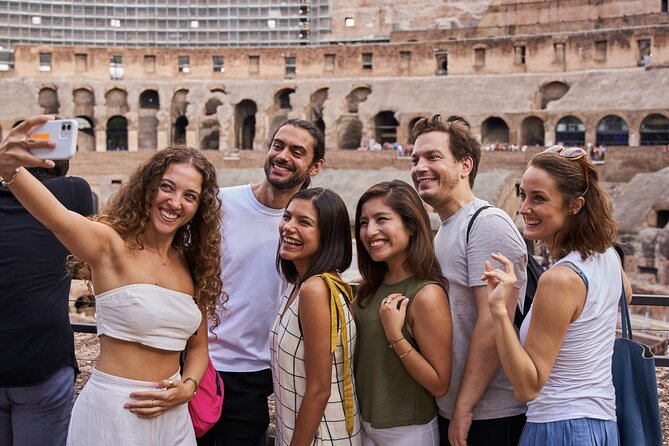
At $95.58 per person for a roughly 3-hour guided experience with admission included to the Colosseum, arena floor access, plus Palatine Hill and the Roman Forum, the value comes from three places.
First, you’re paying for guided context. The sites are impressive, but they’re also confusing without someone connecting what you’re seeing to what it meant in Roman life. When the guide is great, it turns ruins into a story you can remember.
Second, you’re paying for time efficiency. Doing these sites together matters because they’re close enough to make sense as a single route, and you aren’t spending half your day switching gears between different tickets and different guides.
Third, arena-floor access is the big ticket item here. Plenty of Rome tours stop at viewing points. This one aims to put you closer to the action by getting you onto the arena floor through the Gladiators’ Gate.
One extra value wrinkle: Colosseum admission is free on the first Sunday of each month, and tours are discounted on those days. If your trip lines up with that schedule, it can change the math in your favor.
Who should consider the upgrade to a small-group version:
- If you want more personal space for questions and photos
- If you’re picky about pace and hate feeling herded
- If you’re traveling with a group that wants a more tailored experience
Who this tour is best for (and who might want something else)
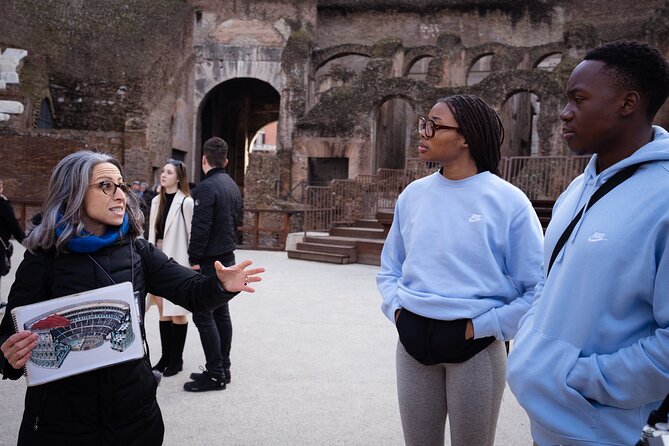
This tour is a strong fit if you:
- Want the big three Roman sites in one go
- Like guided explanation more than solo wandering
- Want to experience the Colosseum in a way that goes beyond the typical outside view
It’s also a great match for first-time Rome visitors who want a structured backbone for the rest of their trip.
You might want a different approach if you:
- Want very long stops for deep reading and slow photography
- Plan to return to the Colosseum repeatedly and don’t care about arena-floor access
- Get stressed by crowds and prefer more flexible pacing
If you’re the type who likes seeing how people lived (not just what they built), the Colosseum-to-Forum-to-Palatine sequence works well. It’s a clean story arc: power on display, roots of the city, and the political engine behind it all.
Should you book this Colosseum Arena, Palatine Hill and Roman Forum tour?
I’d book it if you want the Colosseum experience to feel physical and story-driven. The arena floor access is the headline, and the Palatine Hill and Roman Forum stops make sure you don’t just memorize landmarks. You come away with a better sense of how Roman spectacle and Roman politics fit together.
The main reason to hesitate is time. If you’re someone who always needs extra minutes for photos, plan to do a little self-guided time afterward. Also, double-check names and ID details before you go—Rome sites don’t forgive mismatches.
If your schedule allows it, aim to lock this in early. This tour often gets booked about 105 days ahead on average, so earlier planning usually gives you more choices for ticket times.
All in all: if you want a practical, high-impact way to see the heart of ancient Rome, this one is a solid pick.
FAQ
What’s included in the tour price?
Admission tickets are included for the Colosseum, Palatine Hill, and the Roman Forum, and the tour is guided in English.
How long should I plan for?
The duration is about 3 hours.
Where does the tour start and where does it end?
You meet at the Arch of Constantine at Piazza del Colosseo and you finish inside the Roman Forum area.
Do I get access to the Colosseum arena floor?
Yes. The tour includes entry onto the arena floor through the Gladiators’ Gate.
Is the tour in English?
Yes, the tour is offered in English.
What do I need to bring for entry?
Each traveler must present a valid passport or ID that matches the name provided at booking. A mobile ticket is used.
What if the tour times don’t start in the same order?
The order can vary depending on ticket times, so you might start with the Colosseum or start with the Roman Forum and Palatine Hill.
What happens if weather is bad?
The experience requires good weather. If it’s canceled due to poor weather, you’ll be offered a different date or a full refund.