REVIEW · ROME
Colosseum and Roman Forum Guided Tour
Book on Viator →Operated by RomAbout Tours · Bookable on Viator
Three ancient power centers in 2.5 hours. This guided route ties together the spectacle of the Colosseum, the elite homes on Palatine Hill, and the Roman Empire’s day-to-day political engine in the Roman Forum. Two things I really like: the max 25 person group size keeps it human, and your reserved entry helps you beat some of the worst waiting.
One real consideration is that the experience runs on tight timing and strict entry rules. If your name on the booking doesn’t match your ID, or you show up late to the meeting point, you can end up missing part of the tour since you can’t join mid-way, and admission depends on correct details.
In This Review
- Key things that make this Colosseum and Roman Forum tour work
- A Small-Group Walk Through Imperial Rome
- Price and What You Actually Get for $65.96
- Getting Into the Colosseum Without Losing Your Day
- Stop 1: Colosseum Entrance and How the Guide Makes It Make Sense
- Stop 2: Palatine Hill’s Elite District With a Clear Point of View
- Stop 3: Roman Forum as the Political and Economic Heart
- Guides, Humor, and Why the Story Sticks
- Pace, Heat, and Photo Reality Checks
- Should You Book This Colosseum and Roman Forum Tour?
- FAQ
- How long is the Colosseum and Roman Forum guided tour?
- How many people are in the group?
- What sites are included in the guided visit?
- What is included in the price?
- Do I need to choose an English tour?
- Where do we meet and where does the tour end?
- What documents do I need to bring for entry?
- Is transportation, food, or drinks included?
- What happens if I arrive late?
- Is the tour refundable or changeable if plans change?
Key things that make this Colosseum and Roman Forum tour work
- Small group up to 25: easier to hear the guide and stay together in tight crowds
- Reserved Colosseum + Palatine + Forum tickets included: you’re not juggling ticket machines mid-adventure
- Palatine Hill focus on the rich district: you get the “who lived here and why it mattered” angle
- Forum storytelling around power in action: speeches, elections, trials, and commerce
- Guide-driven pacing: some guides add humor and even use visuals/graphics to make scenes click
A Small-Group Walk Through Imperial Rome
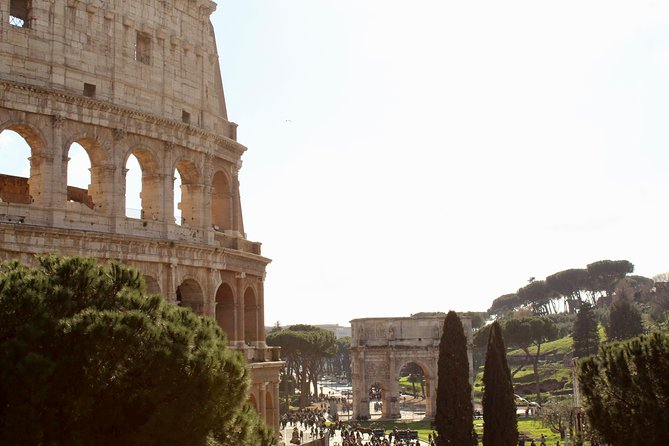
This tour is built for people who want more than photos. You’re not just standing in ancient ruins. You’re moving through three sites that were basically Rome’s main stages: where emperors displayed power, where the elite lived, and where the city governed itself.
The heart of the experience is the guide’s storytelling about early imperial Roman rule. That matters because the Colosseum, Palatine Hill, and Forum can feel like separate “cool ruins” if you don’t know what was happening politically around them. With the right narrative, you start seeing patterns: how public entertainment, elite influence, and official government all reinforced the same system.
Group size is where this tour often feels better than do-it-yourself. A maximum of 25 people means you’re more likely to keep moving at a steady pace and still catch key details without constant bottlenecks.
You can also read our reviews of more guided tours in Rome



Price and What You Actually Get for $65.96
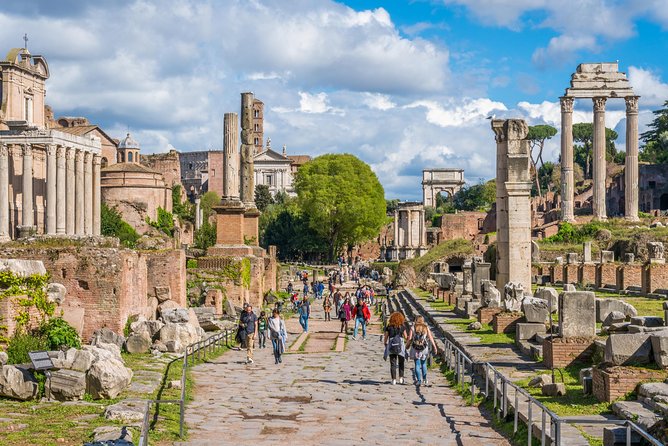
At $65.96 per person for about 2 hours 30 minutes, the value comes from bundling three major ticketed areas with a licensed guide. The ticketing portion is clearly part of what you’re paying for: admission to the Colosseum, plus the Palatine Hill and Roman Forum route, with a reservation fee included. On top of that, the remaining cost covers the guide and the on-site service that helps your visit run on track.
Here’s the practical way to think about it: Rome’s top sites are popular for a reason, but they’re also where time disappears fast. Paying for guided timing and entry planning can be worth it if your goal is to maximize meaning per hour.
It’s not the cheapest way to visit. But it often lands in the “best trade” zone for first-time Rome visitors and for anyone who wants the story straight, not guessed.
Getting Into the Colosseum Without Losing Your Day
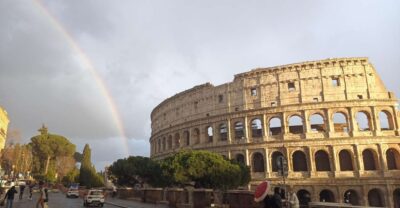
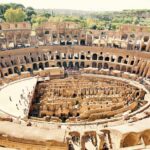
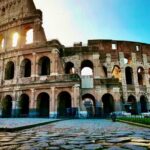
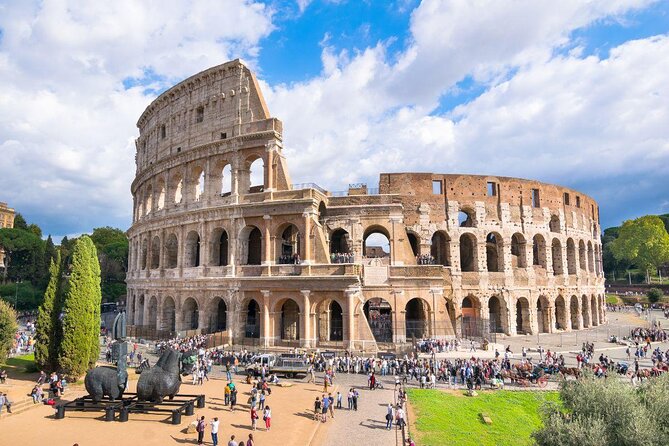
The Colosseum stop is the anchor of the tour, roughly an hour long, and that time is used for more than a quick lap. The big advantage is that you’re entering with the right reserved setup and moving with a guide who knows how to route groups through crowds.
In the best versions of this tour, your guide helps you avoid the worst queue chaos. Even in less-than-perfect weather, the group typically keeps moving, which is exactly what you want when you’re dealing with heat, glare, or long lines.
That said, the Colosseum can be an absolute furnace on a sunny day. One practical lesson from people who’ve done this: your timing really matters. The difference between arriving right on time and arriving after the start can be huge, because the line conditions change quickly and you can’t simply jump in later.
Stop 1: Colosseum Entrance and How the Guide Makes It Make Sense
This is not a museum-style sit-down talk. You’re walking into the Colosseum environment and learning how it functioned as a machine for entertainment and control.
A strong guide will connect the space to everyday political life. You’ll hear about why the early emperors cared so much about public spectacle, and how it helped reinforce authority. One of the standout themes in guides’ explanations is the logic behind the show: what the crowd was doing, how the building supported the event, and why the whole system worked socially, not just architecturally.
You might also notice visual aids. Some guides come prepared with graphics to help you picture the scale and scenes that don’t exist anymore. That is especially useful when you’re standing among arches and stone blocks that can look similar at a glance.
Photo expectations: this is a guided walk with a schedule. If you stop for long photo sessions at every angle, you may slow the group. One review-based reality check: the pacing can feel fast, so you’ll likely get meaningful views rather than unlimited wandering time inside.
Stop 2: Palatine Hill’s Elite District With a Clear Point of View
After the Colosseum, the tour heads to Palatine Hill for about 30 minutes. This stop is designed to explain the “posh district” idea, not just the geography.
Palatine Hill is where power got comfortable. Even a short visit can help you understand why the elite built and lived there, and how that status was tied to the politics of Rome. The guide’s job here is to translate what you’re seeing—terraces, views, and remaining structures—into a story about privilege and influence.
This is also where you get better context for what you just learned at the Colosseum. The Colosseum isn’t only about games and crowds. It’s part of a broader system where rulers and wealthy citizens shaped public life.
Because the stop is shorter, you’ll want to pay attention to the guide’s “why this matters” comments. Treat Palatine Hill like the bridge between spectacle and governance, not a separate sightseeing planet.



Stop 3: Roman Forum as the Political and Economic Heart
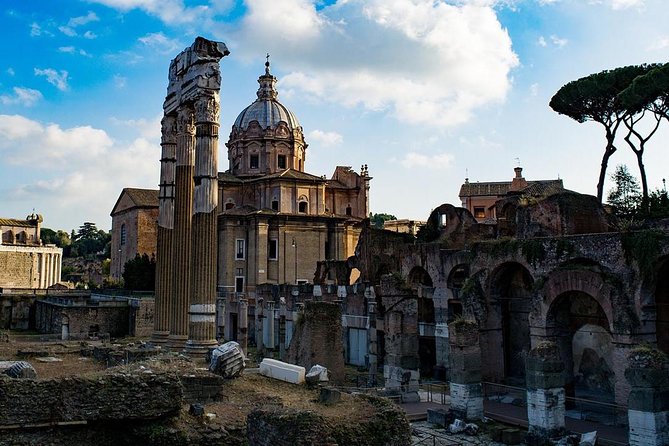
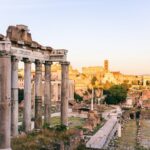
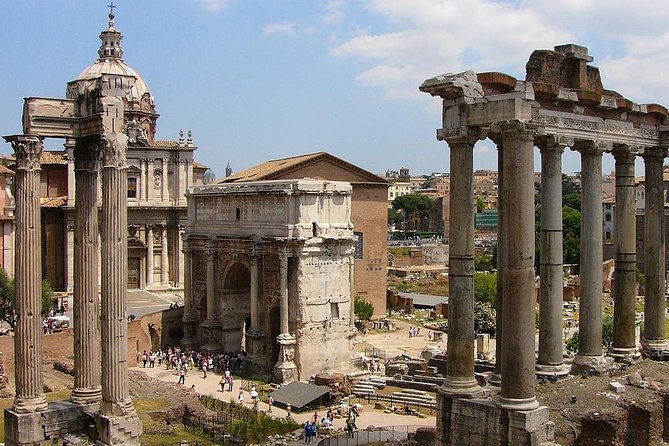
The Roman Forum is the main payoff if you want Rome to feel real, not abstract. This stop runs about an hour, and it’s where the tour’s political focus becomes obvious.
You’ll get explanations tied to what happened there: public speeches, trials, elections, processions, and commercial activity. When the guide does this well, the Forum stops being “big stones in a field” and starts feeling like a place where decisions were made daily—because it was.
One reason this portion tends to land well is that the Forum is full of recognizable categories of public life: law, politics, business, and ceremonies. Even if you’ve only studied Rome casually, you’ll see how the same ideas keep repeating in different forms across history.
It also helps that the guide often routes you through the most practical entrances so you spend less time stuck and more time learning. The best feeling here is simple: you can look at a spot and understand what function it served.
Guides, Humor, and Why the Story Sticks
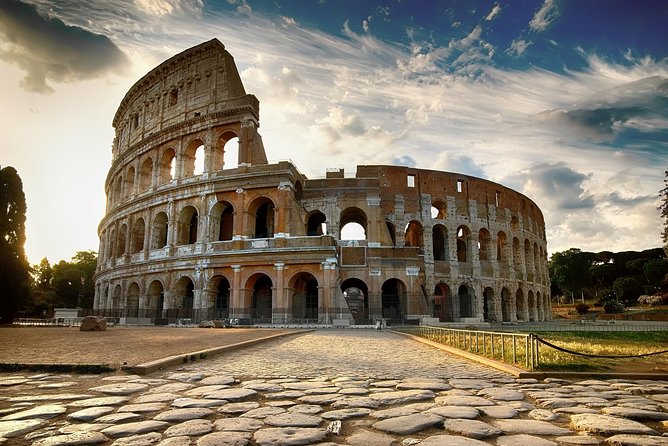
The guide makes or breaks this kind of tour, and the reviews highlight a consistent pattern: the best guides keep groups moving while staying vivid and approachable. People have praised specific guides by name, including Cecelia, Ivana, Rebecca, Tiziana Fiori, and Paula.
What you’re aiming for in a good guide style is balanced pacing and clear storytelling. When it works, you’ll get background on the early days of imperial rule without it turning into a textbook. You’ll also hear entertaining explanations—some guides mix humor and facts so you’re not just receiving information; you’re absorbing it.
One practical note: this tour may use audio support at times. If you’re hearing impaired or the guide’s English is hard to catch, keep your audio system on (if provided) and ask for help right away. Losing audio can make the tour feel like you’re “just walking,” and you don’t want that in a place like this.
Pace, Heat, and Photo Reality Checks
Rome rewards good planning. The Colosseum and Forum are open-air, and the pace is guided. That combination means two things for your own comfort.
First, bring water and wear sun protection. On hot days, even a “good” tour can feel intense because you’re walking between key zones in daylight. Second, don’t expect long unplanned detours for photos. If you want a serious shot, plan it around the guide’s stops rather than stopping randomly during transitions.
If you’re traveling with a stroller or you need extra time moving between areas, be ready for the pace not to slow down automatically. In some cases, groups have needed elevators or extra routes, and that can create stress if you end up separated. If you’re in that category, it’s smart to tell the guide at the start that you may need a little extra coordination.
Should You Book This Colosseum and Roman Forum Tour?
Book it if:
- You want a guided story that connects the Colosseum, Palatine Hill, and Roman Forum into one coherent picture
- You like walking tours that keep you moving while explaining what you’re seeing
- You’d rather pay for reserved entry than spend your limited Rome hours in lines and ticket confusion
Skip or rethink it if:
- You need lots of free time for unstructured wandering and slow photo stops
- Your schedule is fragile and you can’t realistically arrive early at the meeting point
- You’re worried about entry friction due to names and ID matching, since admission depends on correct traveler details
If your goal is to leave Rome with a real sense of how imperial power operated—from elite living quarters to public spectacle to civic decision-making—this tour is a solid way to do it in one clean afternoon.
FAQ
How long is the Colosseum and Roman Forum guided tour?
The tour runs about 2 hours 30 minutes.
How many people are in the group?
The maximum group size is 25 people.
What sites are included in the guided visit?
You visit the Colosseum, Palatine Hill, and the Roman Forum.
What is included in the price?
A licensed guide, a small group experience, and entrance tickets for the Colosseum, Palatine Hill, and Roman Forum (including the Colosseum reservation fee).
Do I need to choose an English tour?
Yes. This experience is offered in English.
Where do we meet and where does the tour end?
You meet at Largo Corrado Ricci, 43, 00184 Roma RM, Italy, and the tour ends at Via della Salara Vecchia, 1443, 00186 Roma RM, Italy.
What documents do I need to bring for entry?
Bring a valid passport or ID document that matches the full name provided during booking. The full names of all travelers are required.
Is transportation, food, or drinks included?
No. Transportation to and from the attractions, food, and drinks are not included.
What happens if I arrive late?
Arrive 20–15 minutes early. If you arrive after the tour starts, you may miss out, and it isn’t possible to join the tour halfway through.
Is the tour refundable or changeable if plans change?
This experience is non-refundable and cannot be changed. If it’s canceled due to poor weather, you’ll be offered a different date or a full refund.