REVIEW · ROME
Vatican Museums, Sistine Chapel & St Peter’s Basilica Guided Tour
Book on Viator →Operated by City Wonders Ltd · Bookable on Viator
The Vatican in three hours is a sprint. What makes it work is reserved entrances that bypass most lines, and a group of 20 or less that keeps you from getting swallowed by the crowd. You’ll still see the heavy hitters, without wasting your morning getting lost in endless corridors.
I also like how the plan is built around momentum: early access, a guide steering the day, and a clear end point at St. Peter’s Basilica so you can linger if you want. The main trade-off is simple: it’s a highlight tour, so you’ll move fast and you won’t have the luxury of slow wandering in every room.
In This Review
- Key things you’ll notice fast
- Vatican Museums Tour Value: What $83.44 gets you (and why it’s worth it)
- Dress code and on-the-day prep: simple rules that prevent headaches
- Meeting point to first entrance: starting strong at Via Tunisi
- Vatican Museums route: the highlights you’ll actually remember
- Gallery of Maps: geometry, gold, and a sense of power
- Pinecone Courtyard (Cortile della Pigna): a calm pause inside the chaos
- Where the time goes (and why that’s not a bad thing)
- Sistine Chapel: what you’ll see in a limited window
- The ceiling and the ceiling’s most famous faces
- A practical tip for enjoying the Chapel
- St. Peter’s Basilica: skip the line, then decide how long to stay
- Why this stop feels different from the museums
- St. Peter’s Square finale: Bernini’s design tricks at street level
- The best guides make the difference: what I’d look for in your tour
- Who this tour is perfect for (and who should think twice)
- Practical value checklist before you book
- Should you book this Vatican Museums, Sistine Chapel and St Peter’s Basilica tour?
- FAQ
- How long is the guided tour?
- Does this tour include skip-the-line access for St. Peter’s Basilica?
- What should I wear to enter the Vatican sites?
- Are headsets provided?
- Are there any days when St. Peter’s Basilica access changes?
- What ID do I need?
Key things you’ll notice fast
- Reserved entry beats the long entrance queues, especially when Rome is doing its normal crowd thing
- Small group (20 or fewer) makes it easier to stay together and hear directions
- Headsets included help you catch the commentary even inside noisy, busy areas
- Sistine Chapel is timed and talking is not permitted once you’re inside
- Basilica access depends on conditions like ceremonies and Wednesday schedules
Vatican Museums Tour Value: What $83.44 gets you (and why it’s worth it)
This is a pay-for-time tour, and that’s the point. At $83.44 per person for about 3 hours, you’re buying two things that are hard to DIY in the moment: reserved access and a guided route that prioritizes the big art stops.
The best value here is that you’re not just going through the Vatican Museums. You’re doing it with an expert guide directing your attention, keeping you from zigzagging, and getting you into the Sistine Chapel window while the crowds are still manageable. If you try to do this area on your own, the Vatican’s scale and crowd flow can turn your visit into a lot of standing still.
Also, the group size matters. With a maximum of 20 people, you’re less likely to feel like you’re in a human conga line that moves at the speed of the slowest stroller.
You can also read our reviews of more guided tours in Rome



Dress code and on-the-day prep: simple rules that prevent headaches
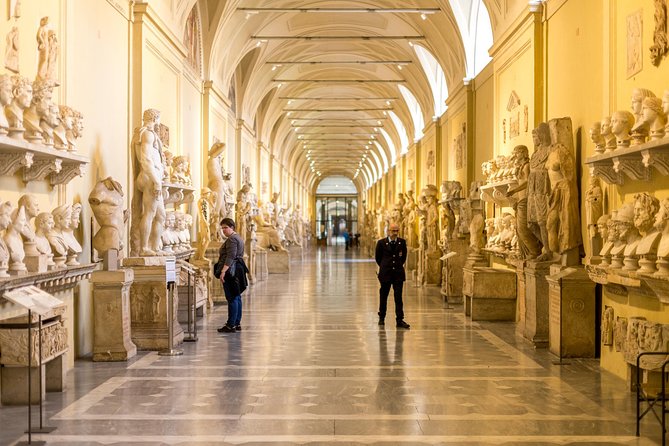
Before you even get close to the entrance, plan for the Vatican’s practical rules. Knees and shoulders must be covered for both men and women. No, it’s not a vibe check. It’s a requirement, and you don’t want to be stuck sorting clothes while everyone else walks in.
You also need to think about bags. Only small bags are allowed in the venues, and it’s smart to travel light so you’re not arguing with security. Bring a valid ID (or passport) that matches the name used for booking—this matters because entry checks are strict.
Finally, this tour is near public transportation, but there’s no hotel pickup. You’ll want to arrive early enough to get through the first round of crowds and find the meeting point without panic. And yes, you’ll be doing moderate walking with some time standing.
Meeting point to first entrance: starting strong at Via Tunisi
The tour starts at Via Tunisi, 4, 00192 Roma RM. In the Vatican area, a “meet outside” setup can be stressful if you’re arriving late or the area is crowded with other groups. Give yourself breathing room so your morning doesn’t start with a scramble.
Your first move is entering the Vatican Museums via a reserved entranceway that avoids most of the longest queues. This matters more than it sounds. Once you’ve spent time in the Vatican’s security and ticket chaos, you’ll appreciate why reserved entry is one of the biggest quality-of-life upgrades you can buy.
Vatican Museums route: the highlights you’ll actually remember
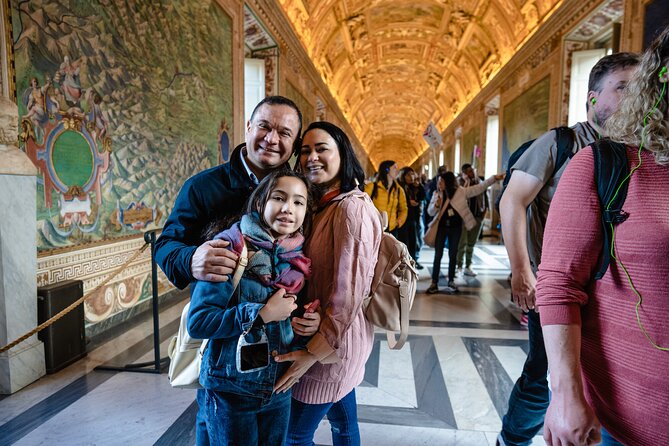
Inside the Vatican Museums, the experience is less about museum-by-museum completeness and more about smart sequencing. You’ll spend around 1 hour 30 minutes focused on the key rooms, with your guide pointing out what to look for and how to read what you’re seeing.
Gallery of Maps: geometry, gold, and a sense of power
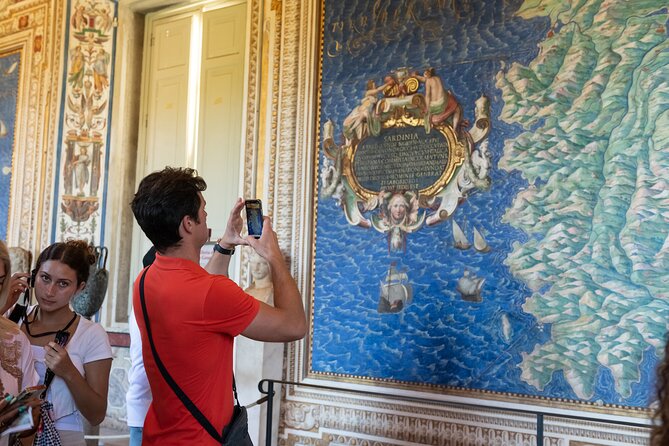
One of the first standout rooms is the Gallery of the Maps with its detailed cartography and its golden, vaulted ceiling. It’s not just pretty ceiling artwork. It’s a reminder of how the Vatican used knowledge, imagery, and control to project authority across Europe and beyond.
You’ll likely have a short window here, not a long browsing session. That’s fine if your goal is to hit the major Vatican landmarks and then move on with your day. If you want to study maps for hours, this may feel too fast.
You can also read our reviews of more museum experiences in Rome


Pinecone Courtyard (Cortile della Pigna): a calm pause inside the chaos
Next comes the Pinecone Courtyard, a quieter pocket inside the museum complex. The atmosphere shifts from crowded galleries to something more open and serene. This is one of those places where you can reset your eyes and your feet for a minute before the next big visual hit.
You’ll see the bronze pinecone statue (Pigna) connected to Bramante, and you’ll also spot Sphere within a Sphere (Sfera con sfera) by Arnaldo Pomodoro. This is modern art sitting inside a historic shell, and it’s a good reminder that the Vatican isn’t frozen in time—it keeps collecting, commissioning, and displaying.
Where the time goes (and why that’s not a bad thing)
You also get a tightly managed set of stops, not endless meandering. The upside is you’ll cover more of the Vatican’s top moments in less time. The downside is you might feel a bit information-stuffed if your brain likes to pause and reread everything.
From the pacing perspective, this tour is designed to keep you moving through crowds without losing the plot. That said, some people find the overall experience fast or crowded at busy times, even with reserved access.
Sistine Chapel: what you’ll see in a limited window
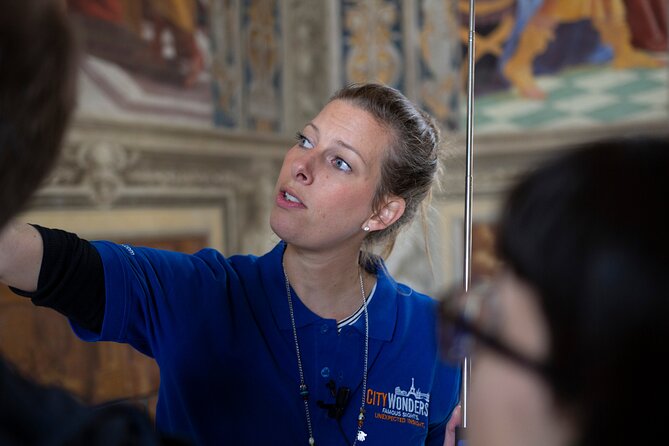
When you reach the Sistine Chapel, expect it to feel like everyone else has the same plan as you. That’s the reality of the Vatican.
The good part is that your guide helps you understand what you’re looking at before you enter. Once you’re inside, talking isn’t permitted, so the guide’s role becomes more about making sure you notice the right details before the silence begins.
The ceiling and the ceiling’s most famous faces
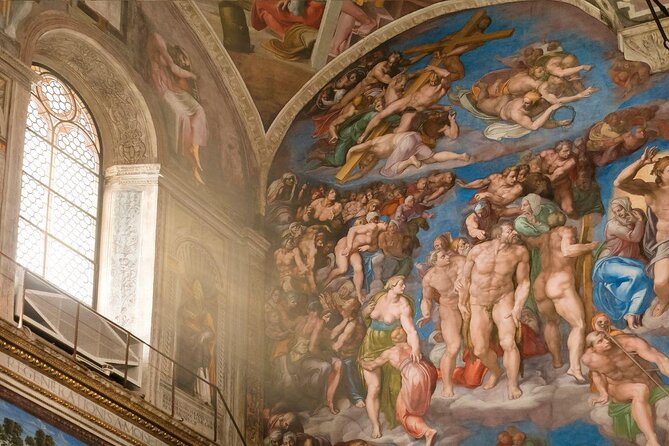
Your highlight here is Michelangelo’s fresco work—especially the Creation of Adam on the ceiling and the Last Judgment on the altar wall. You’ll also get the context: the Sistine Chapel was built in the late 15th century during Pope Sixtus IV’s papacy and functions as the official chapel tied to the Apostolic Palace, including papal conclaves.
Even if you’ve seen these images a hundred times online, it hits differently in person. The scale and the density of the scenes make it harder to look away. But you’ll have a limited time slot, so it’s more about catching the biggest moments well than getting every single corner detail.
A practical tip for enjoying the Chapel
Since conversation is not allowed inside, plan to use your eyes first, not your questions. If something strikes you, take it in quickly, then ask your guide right before you enter or at the next stop.
Also, because you’ll be standing around with other groups, headsets and positioning matter. You’ll want to make sure you can hear instructions clearly on the way in so you don’t waste time trying to figure out where your group is heading.
St. Peter’s Basilica: skip the line, then decide how long to stay
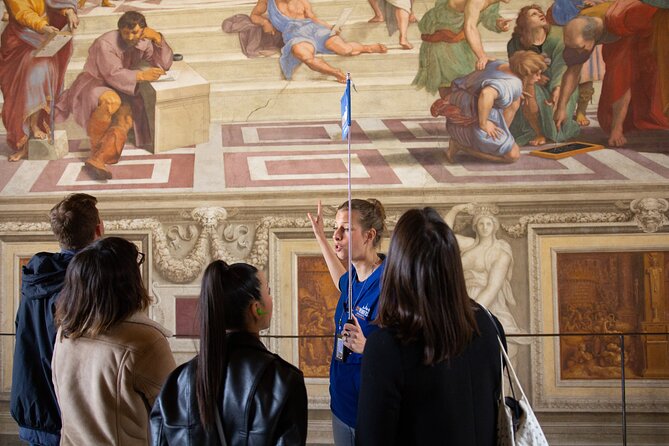
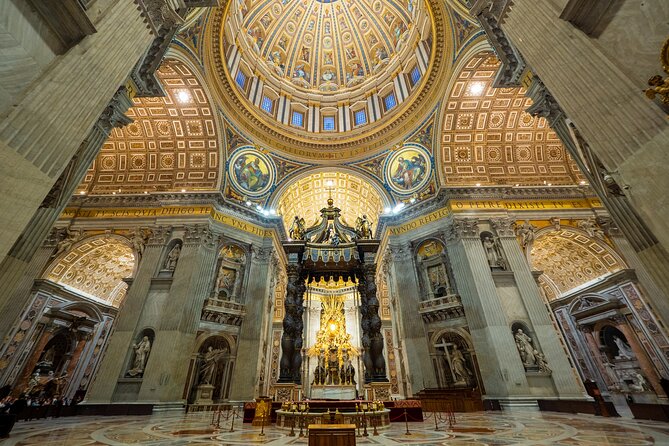
After the Sistine Chapel, your next step is St. Peter’s Basilica with skip-the-line access (note: this is not included on the evening option). The tour includes an overview and artistic/religious context, delivered as you move through the church.
Your time here is about 40 minutes on the guided portion. After that, you can linger inside at your own pace, which is where this works best. The basilica is huge, and your real experience improves when you slow down after the facts are delivered.
Why this stop feels different from the museums
The Vatican Museums are about art you look at. St. Peter’s feels more like architecture you navigate. It’s also a working religious site, which means access can shift due to ceremonies.
There are also schedule constraints. On Wednesdays, access to St. Peter’s Basilica is not possible until 1pm because of Papal Audiences in St. Peter’s Square. If you book a morning slot on Wednesday, you should go in knowing the basilica timing can be limited.
If St. Peter’s Basilica is closed on the day due to religious ceremonies, the tour may extend your Vatican Museums time instead. In other words: you’re not left with nothing, but your plan may change last-minute.
St. Peter’s Square finale: Bernini’s design tricks at street level
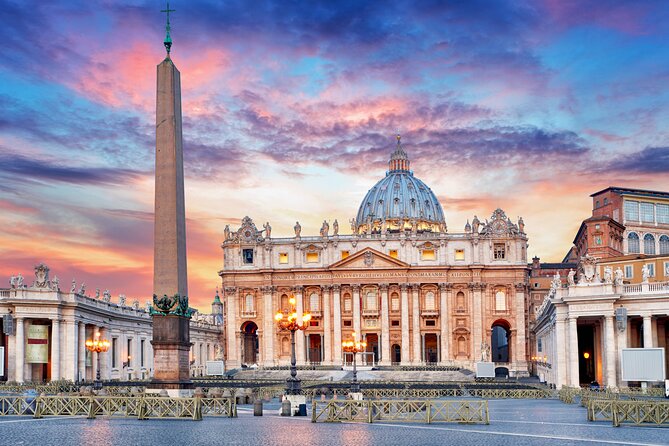
To end, you’ll get a look at St. Peter’s Square, designed by Gian Lorenzo Bernini. The layout is elliptical, with a grand colonnade that symbolically feels like an embrace. You’ll also see the central obelisk and fountains, plus the basilica façade dominating the view.
This is a great finale because it gives you a sense of place. Inside the basilica you’re inside the art and religion. In the square you’re seeing how the city frames the church—especially with the dramatic sightlines and that famous scale effect.
And if you’re the type who likes to compare what you saw inside with what you’re seeing outside, this ending helps it all click.
The best guides make the difference: what I’d look for in your tour
Some of the strongest moments depend on the guide, and you’ll feel that quickly at the Vatican because the rooms move fast. Guides like Alessandra, Mary, Stefanie, Eleanor, Cosmo, Gaga, and Paulina have been singled out for keeping people engaged, explaining details clearly, and steering through the crowd without losing the group.
That doesn’t mean every tour will feel identical. A few people report difficulty hearing the guide in louder moments or feeling that the guide’s style ran long. This is usually a pacing and sound issue, not a content issue.
If you’re sensitive to long explanations, it helps to set your personal goal ahead of time: focus on the big works you came for—maps, Courtyard stops, Sistine Chapel ceiling and Last Judgment, then basilica highlights.
Who this tour is perfect for (and who should think twice)
This tour is a great fit if you want a fast, organized highlights plan for the Vatican Museums, Sistine Chapel, and St. Peter’s Basilica without getting stuck in queues or drifting in crowds.
It’s especially good for:
- First-timers who want the must-see list handled
- People who don’t want to map out a museum route under pressure
- Anyone traveling with limited time and wanting a high payoff per hour
You might want to think twice if:
- You want long, quiet time in the rooms without time limits
- You’re visiting on a Wednesday morning and basilica timing matters a lot to you
- You’re expecting a leisurely pace with lots of room for questions
Practical value checklist before you book
Here’s the quick way to decide. You should book if you care about reserved entry, a small group, and getting to the top sights on a schedule that actually works.
You should pause if your dream Vatican day is slow, detailed, and flexible hour-by-hour. Also pause if you hate the idea that weather, ceremonies, or crowded timing can compress your time.
One more note: this tour is commonly booked far in advance (on average over 100 days). That’s a clue it sells out and it’s popular for a reason, so you’ll feel better booking early.
Should you book this Vatican Museums, Sistine Chapel and St Peter’s Basilica tour?
Yes—if your goal is to see the big Vatican moments with less waiting and a guide keeping you focused. The price makes sense when you factor in reserved access, headsets, and the way the route prevents wasted time in lines and confusing hallways.
Skip booking only if you’re planning a Wednesday morning basilica visit and St. Peter’s timing is non-negotiable, or if you want a slow museum day where you can linger for long stretches in rooms like the maps gallery. For most people, this is the smart way to get your Vatican hits done—then enjoy the rest of Rome afterward.
FAQ
How long is the guided tour?
The tour runs for about 3 hours (approx.), covering the Vatican Museums, Sistine Chapel, and a guided visit into St. Peter’s Basilica, with time to finish at St. Peter’s Square.
Does this tour include skip-the-line access for St. Peter’s Basilica?
Yes, skip-the-line access to St. Peter’s Basilica is included for this standard tour option. The evening tour option does not include St. Peter’s Basilica access.
What should I wear to enter the Vatican sites?
You must have knees and shoulders covered for both men and women to enter the venues.
Are headsets provided?
Yes. Audio headsets are included so you can hear your guide clearly.
Are there any days when St. Peter’s Basilica access changes?
Yes. On Wednesdays, access to St. Peter’s Basilica is not possible until 1pm due to Papal Audiences.
What ID do I need?
You must bring a valid ID or passport, and your name and date of birth are required at booking. Your ID must match the ticket name, or entry can be refused.