REVIEW · ROME
Ticket to Piazza Navona Undergrounds Stadium of Domitian
Book on Viator →Operated by PIAZZA NAVONA UNDERGROUND - STADIO DI DOMIZIANO · Bookable on Viator
Rome has a second city under your feet. This ticket leads you to the Stadium of Domitian below Piazza Navona, where Roman sports life survives in UNESCO-listed ruins. I really like that it’s a focused visit: you go underground, you learn, and you’re back up quickly.
My favorite part is the self-guided audio setup. You get an audio guide (and a kids version for ages 6+), plus on-site displays and media that keep you moving at your pace. It’s a smart way to handle Rome’s heat too, since you’re literally underground.
One thing to consider: this visit is small and signage can be confusing at street level. A few people also reported audio devices failing mid-visit, so build in a little patience if that happens.
In This Review
- Key things I’d highlight before you go
- Piazza Navona Underground: why this one feels different
- Getting to Via di Tor Sanguigna (and not losing time)
- What’s actually down there: the Stadium of Domitian ruins
- The self-guided audio tour: how to use it well
- Stop-by-stop flow: what to expect underground
- Timing and crowd reality: plan it like a quick museum break
- Value for money: why $12.10 can be a smart buy
- Extras on site: media, photos, and that optional add-on feeling
- Who this is best for (and who might skip it)
- Quick FAQ before you buy
- FAQ
- How long does the Piazza Navona Undergrounds Stadium of Domitian ticket take?
- Is the audio guide available in English?
- Where do I meet for the tour?
- What’s included with the ticket?
- Is the tour self-guided?
- Are there extra items I can buy on-site?
- Are service animals allowed?
- What’s the group size limit?
- Should you book it?
Key things I’d highlight before you go

- UNESCO-listed ruins under Piazza Navona you don’t usually get to see from street level
- Stadium of Domitian masonry remains—the first and only masonry stadium in Roman history
- A self-paced audio guide in English, with a children’s audio option (6+)
- 5 meters down into the excavations, making it a welcome break from Rome’s crowds and heat
- On-site library and media: books, prints, postcards, and DVDs are part of the experience
Piazza Navona Underground: why this one feels different
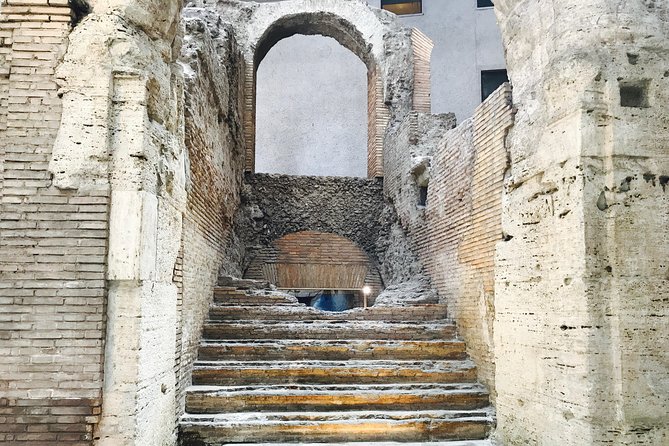
Most Rome stops are about what’s still standing. This one is about what’s hidden—layers of ancient Rome still living under a modern piazza.
You’ll head below Piazza Navona to visit the underground levels tied to the Stadium of Domitian. The ruins here are closely linked with the piazza above, which is part of why the experience feels so satisfying. It’s the rare Rome attraction where the main idea is not a single monument, but the stratified city—streets, piazzas, and older structures stacked on top of each other.
This site also opened to the public relatively recently (in 2014), so it has the feel of a newer, designed attraction rather than a decades-old maze. The result is a visit that’s easy to fit into an itinerary without needing a full afternoon.
You can also read our reviews of more tours and experiences in Rome


Getting to Via di Tor Sanguigna (and not losing time)
Your meeting point is Via di Tor Sanguigna, 3, 00186 Roma RM. From there, you’ll enter the underground complex at Piazza Navona.
Even though it’s near public transportation, the street-level experience can be a little tricky. Some visitors said the entrance is hard to find and not well marked, especially if you arrive expecting a big, obvious doorway. My advice: treat this like a museum entrance. Slow down, double-check the address, and don’t assume it’ll look like the famous sites.
Good walking shoes help. You’re going down steps and moving through an exhibit area, and comfortable footwear makes a short visit feel even easier.
What’s actually down there: the Stadium of Domitian ruins
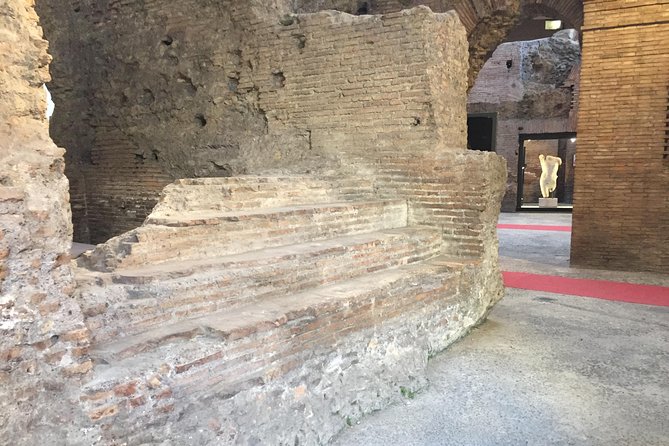
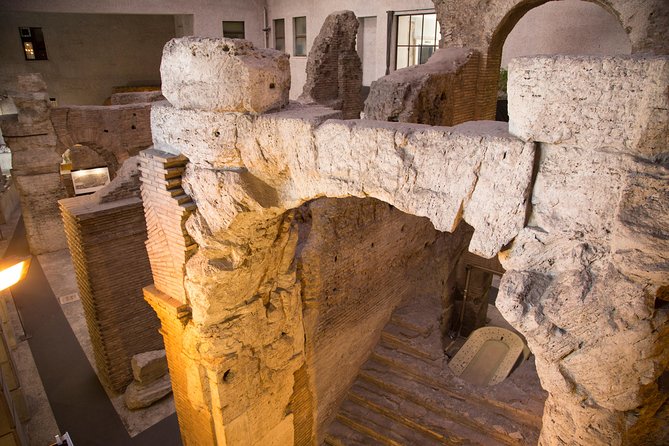
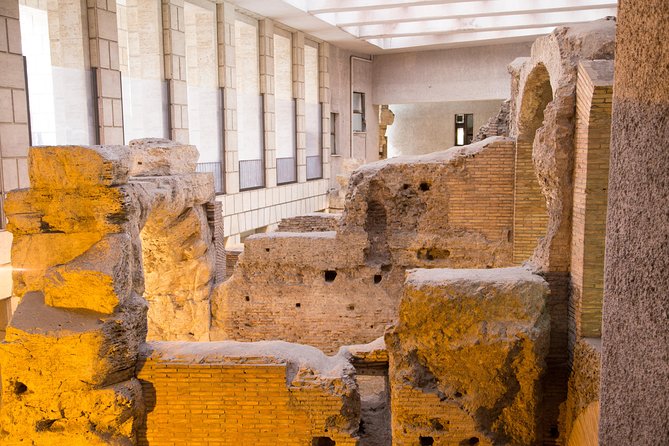
You descend about 5 meters beneath street level into the excavations. That physical drop matters more than it sounds, because it helps you understand what you’re looking at: masonry remains preserved under the life of the piazza.
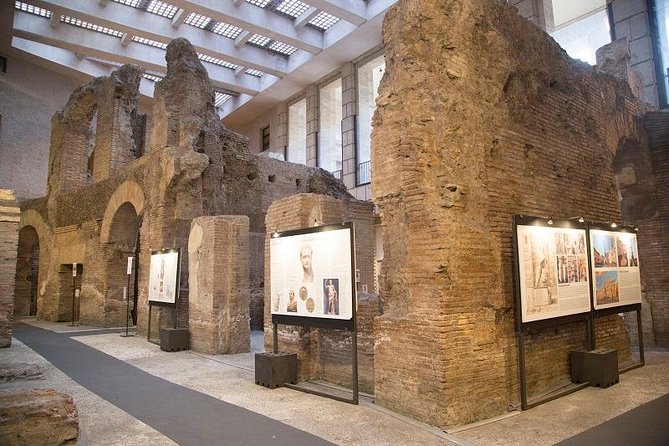
The star is the ruin of the ancient masonry stadium, described as the first and only masonry stadium in Roman history. The excavations are not trying to fake a full stadium. Instead, you get the real bones—columns, arches, and structural fragments—then you use the media and audio guide to imagine how large it once was.
I like this approach. Big Roman monuments can overwhelm you with scale. Here, the scale is something you build in your mind, and the audio guide helps that mental picture snap into place. If you’re the type who enjoys figuring out how ancient buildings worked, you’ll probably get more out of this visit than you expected.
The site is also described as UNESCO-listed, and that’s worth knowing. You’re not just popping into a basement exhibit; you’re seeing a protected archaeological story tied to central Rome.
The self-guided audio tour: how to use it well
This is set up for self-guided exploration, using an audio guide in English. The typical visit runs about 40 to 50 minutes.
That handheld experience is the heart of the tour. You’ll move stop to stop, press play when you’re ready, and learn as you go. Many visitors specifically praised the audio as clear, thorough, and easy to follow—especially compared with reading-only setups.
Here’s how to make it work for you:
- Don’t rush between points. Use the audio at a natural pace.
- If the audio is a bit long for your style, you can still read the nearby displays while listening. Several people noted that posters/signage can be faster and more direct.
- If you’re with family, the included kids audio can keep younger visitors engaged without you constantly translating.
One caution from the experience data: a small number of people reported audio issues like a device battery dying mid-visit. If that happens, stay calm and ask the staff on-site right away. Since the audio guide is central, quick help matters.
Stop-by-stop flow: what to expect underground
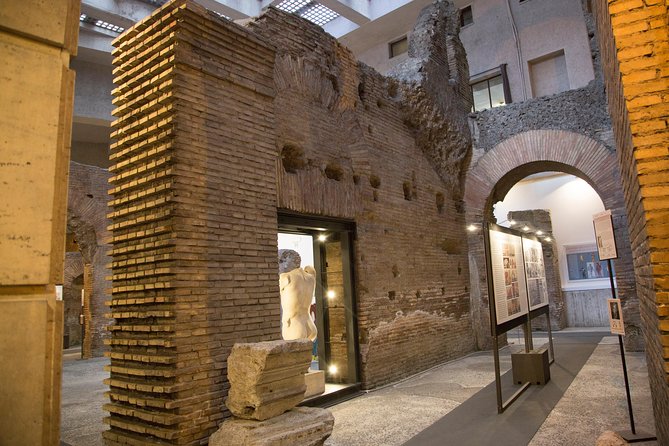
The experience is organized as an exhibit route, with the main visit focused on the underground space called the Stadio di Domiziano – Navona Square Underground.
You’ll start by descending into the excavations and getting oriented to the layout. Then the route points you toward the ruins of the masonry stadium, with audio narration explaining what you’re seeing and how the stadium fit into ancient Roman sports life.
A nice detail from reviews: the visit doesn’t rely only on reading panels. You’ll likely encounter visuals and media that help explain how the stadium looked before time and rebuilding layered everything over it. Some visitors even mentioned a 3D-style video showing changes over time—one reason the experience can feel more complete than you’d assume from seeing only partial ruins.
The overall vibe is calm. Reviews often highlight that it’s not crowded, which makes sense for a smaller, specialty underground site. If you enjoy taking your time and listening without shoulder-to-shoulder pressure, this is a good match.





Timing and crowd reality: plan it like a quick museum break
A 40–50 minute duration makes this one easy to schedule. Reviews also suggested a practical range of about 30 minutes to 1 hour, depending on how closely you listen and how often you pause for photos and displays.
I like short Rome activities like this because they don’t force you into decision fatigue. You can treat it as:
- A midday indoor break from heat
- A palate cleanser between bigger sights
- A family-friendly option when adults want history but kids need momentum
On the crowd side, the experience caps at 150 travelers, and multiple comments describe it as easy to manage. That matters in Rome, where you can go from peaceful to jammed in the time it takes to blink.
Value for money: why $12.10 can be a smart buy
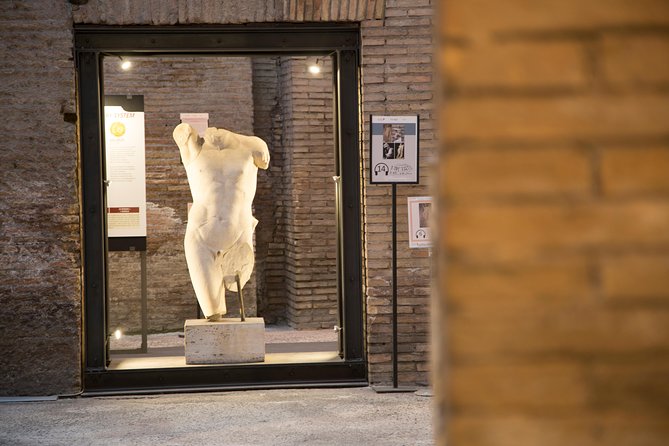
At $12.10 per person, you’re paying for a specific thing: access to a controlled underground archaeological site plus an audio guide experience.
Here’s the value logic I’d use:
- You’re not paying for a long, multi-stop tour. You’re paying for entry + interpretation to a place most people never see.
- The audio guide (and kids audio) reduces the need to hire extra help or rely on your own guesswork.
- Because the visit is short, you don’t “waste” a huge chunk of your day.
Some visitors also mentioned extra paid media like VR or other add-ons. Those aren’t required. The baseline experience already gives you the core access and explanation you came for.
Extras on site: media, photos, and that optional add-on feeling
You can buy DVDs and souvenir photos on-site, but they’re optional.
You may also see references to extra technology experiences, including a VR experience that costs extra. One review noted that the extra cost wasn’t clearly flagged inside, with the implication that you only learned about it afterward. So if you’re curious about VR or similar add-ons, ask staff or check signage carefully before you start.
Also: there’s an on-site library space with art and history books, antique prints, postcards, gadgets, and multimedia DVDs. There’s even a section dedicated to children. It’s a good spot to browse for a few minutes if you finish the route early.
And yes, one review had a funny aside about the gift shop leaning hard into dinosaur-themed items. If you’re shopping, keep your expectations flexible.
Who this is best for (and who might skip it)
This stop works especially well if you:
- Want a Roman ruin experience that’s calmer and less crowded than the headline attractions
- Enjoy learning through audio rather than only reading
- Are traveling in a heat-heavy season and want an underground break
- Have kids who can use a children’s audio guide (6+)
If you’re after massive scale and sweeping views, you might find this less dramatic than sites like the Colosseum. Several comments describe it as interesting but smaller than expected. That doesn’t make it bad—it just changes the type of enjoyment you should expect.
If your ideal Rome day is action-packed and loud, you may prefer a bigger, more visually grand monument. If your ideal day includes quiet discovery and understanding what’s under the streets, this one is a great fit.
Quick FAQ before you buy
FAQ
How long does the Piazza Navona Undergrounds Stadium of Domitian ticket take?
The experience lasts about 40 to 50 minutes.
Is the audio guide available in English?
Yes, the audio guide is offered in English.
Where do I meet for the tour?
The meeting point is Via di Tor Sanguigna, 3, 00186 Roma RM, Italy, and the activity ends back at the meeting point.
What’s included with the ticket?
You get the audio guide (including an audio guide for children ages 6 and above) and taxes.
Is the tour self-guided?
Yes. The audio guide lets you explore at your own pace through the exhibits.
Are there extra items I can buy on-site?
You can purchase DVD and souvenir photos. An on-site library also includes books, prints, postcards, gadgets, and multimedia DVDs.
Are service animals allowed?
Yes, service animals are allowed.
What’s the group size limit?
The maximum is 150 travelers.
Should you book it?
If you like Roman history but want something more relaxed than the big crowd magnets, I think this is an easy yes. For the price, you get real access underground plus a working audio system that helps you understand the ruins—especially the Stadium of Domitian structure you can’t fully grasp just by looking.
Book it if you’ll appreciate a smaller, interpretive exhibit and you’re happy to spend about an hour listening and walking. Skip it only if you’re expecting a grand, fully visible monument with huge crowds and big views. In that case, you might feel more satisfied putting that time toward a larger site.
Bottom line: it’s one of the best ways to experience Rome’s layered city—literally from beneath your feet.