REVIEW · ROME
Subterranean Rome: Catacombs and Appian Way Discovery
Book on Viator →Operated by Eternal Rome Experiences · Bookable on Viator
Underground Rome feels like a time machine. This private 2.5-hour run pairs the Appian Way’s quieter ruins and greenery with a real descent into early-Christian burial tunnels—so you get street-level Rome and underground Rome in one smooth trip.
I like the simple way the tour handles the big stress point: catacombs admission is included, so you don’t have to juggle tickets on the fly. I also love that you’re not sweating through it—there’s air-conditioning and Wi‑Fi on the vehicle, which matters in Roman summer heat.
One thing to keep in mind: this experience depends on having an English-speaking guide, not just a driver. If you end up with limited commentary, you’ll still see the stops—but you may miss the water-system and historical connections you expect from a guided tour.
In This Review
- Key things to know before you go
- Escaping central Rome on the Appian Way (in just 2.5 hours)
- Porta San Sebastiano: the gate that starts the story
- The catacombs (San Callixtus/San Sebastiano): tickets are included, expectations should be realistic
- Via Appia Antica: cobblestones, ruins, and the “Queen of Roads” feeling
- Villa di Massenzio: Maxentius, Constantine, and a circus track in ruins
- Chiesa del Domine Quo Vadis: footprints, tradition, and a stop that’s quick but memorable
- Comfort, vehicle setup, and why the pacing feels manageable
- Price of $223.49 per person: when it feels worth it
- The guide matters: what to look for (names you may see)
- Who this tour suits best (and who might prefer DIY)
- Should you book Subterranean Rome: Catacombs and Appian Way Discovery?
- FAQ
- How long is the tour?
- Is hotel pickup included?
- Are catacomb tickets included?
- What language is the tour in?
- Is the transportation comfortable?
- When can I cancel for a full refund?
Key things to know before you go
- Private hotel pickup means less wandering and more time looking at the actual sites
- Catacombs entry included removes a common bottleneck and keeps the schedule steady
- A/C + Wi‑Fi in the vehicle makes the trip feel easier than most Rome tours
- Appian Way walking time is short-but-focused, so listen for what the guide points out
- Multiple Christian and Roman layers show up fast: symbols underground, emperors aboveground
- Guide quality varies, so it’s worth asking questions during the ride
Escaping central Rome on the Appian Way (in just 2.5 hours)
You’re not staying in the crowded core. This tour starts with a pickup from your hotel and then heads out toward the Appian Way, where you get a different rhythm—less traffic drama, more space, and more ancient infrastructure you can actually picture in your mind.
In a short window, you’ll touch five major stops: one standout city gate, one deep underground visit, a walking segment on Via Appia Antica, and two quieter stop-offs along the road. The best part for me is that the route is designed to connect themes: walls and gateways, burial culture, Roman engineering, and later Christian tradition.
If you only have one afternoon and want a Roman “greatest hits” blend that still feels like a real walk—not a nonstop bus drive—this format fits.
You can also read our reviews of more tours and experiences in Rome.



Porta San Sebastiano: the gate that starts the story
Your first stop is Porta San Sebastiano, part of the Aurelian Walls. This is one of the best-preserved gates, and you get that “this is real military engineering” feeling quickly when you’re looking at the stone massing up close.
The guide’s job here is to give you context for what you’ll see next. Porta San Sebastiano isn’t just a pretty entrance—it’s a gateway into how Rome organized movement, defense, and expansion beyond the city limits.
You’ll likely spend about 15 minutes here, so don’t plan on slow sightseeing. Instead, use this stop to get your mental map: where Rome ended, where roads began, and why the Appian Way mattered.
The catacombs (San Callixtus/San Sebastiano): tickets are included, expectations should be realistic

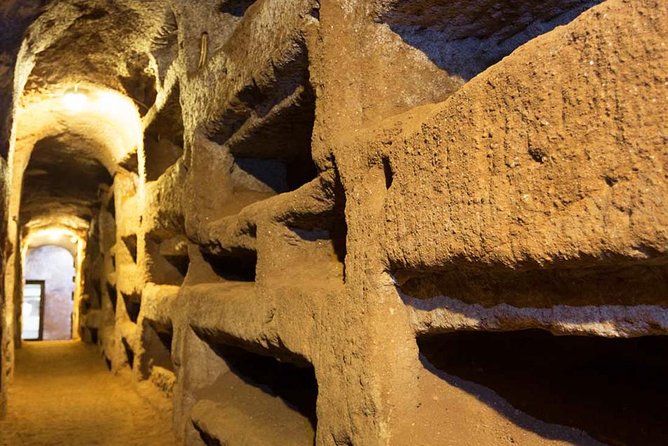
Next comes the big moment: a descent into the catacombs along the Appian Way. You’ll visit one of Rome’s major early-Christian burial networks (listed here under Saint Callixtus, with descriptions centered on the San Sebastiano Catacombs). It’s commonly dated to the 2nd century AD and structured as underground burial chambers with multiple levels.
What you’ll actually experience underground is a maze of tunnels and chambers lined with niches. These niches were used for burials over time, and many are marked with inscriptions, symbols, and early Christian art. You’re not just looking at “old stones”—you’re reading a visual language.
The symbols are a key highlight. You should keep an eye out for early Christian signs like:
- the fish (Ichthys)
- the anchor
- the Chi‑Rho symbol
Your visit runs around 45 minutes, which is a good length: long enough to make the symbolism feel meaningful, but not so long that you’re lost in the dark.
A practical expectation check: don’t plan on seeing dramatic skeletons on display. Even with the catacombs’ fame, actual human remains are often not part of what’s on view. If you’re the type who wants bones-out-in-the-open photos, you might be disappointed.
Via Appia Antica: cobblestones, ruins, and the “Queen of Roads” feeling
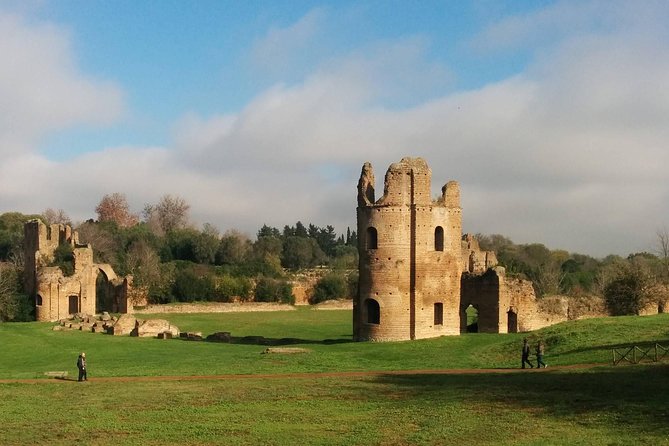
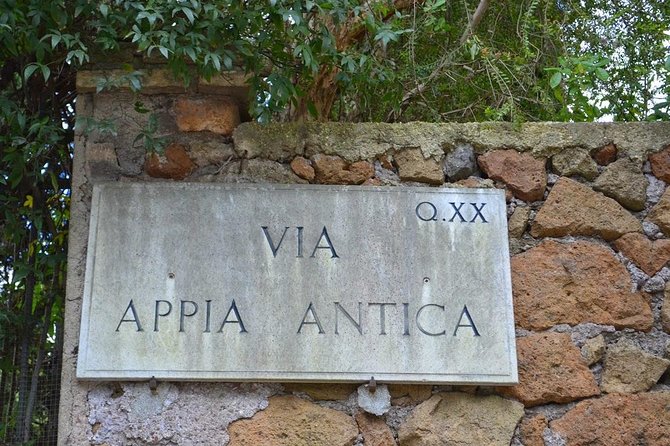
After the underground detour, the Appian Way brings you back to light—still historic, but now you can walk. Via Appia Antica is often called the Queen of Roads, built in 312 BC by Appius Claudius Caecus. That date helps you connect the road to the Roman state itself: roads weren’t just for travel; they were for moving power, troops, and goods.
Even though your time on this stretch is about 15 minutes, it’s enough to pick up the vibe. The cobblestones feel worn smooth in places, and the setting shifts toward countryside—so you start imagining the road before modern Rome wrapped around it.
This part also gives you a chance to spot the burial-landscape theme again. You’ll hear about ancient tombs and mausoleums along the road, including the Tomb of Cecilia Metella. You’ll also get pointed toward the idea of Roman water management, because aqueduct remains are part of the broader Appian Way story.
One historical note you may hear: the Appian Way is linked to the fate of Spartacus’s followers (in 71 BC). Whether your guide mentions the details in depth or gives you the headline, it’s a reminder that this road witnessed brutal events as well as trade and travel.
Since your walking time is short, ask the guide to show you what you should focus on—especially any visible aqueduct ruins. If you care about the water system, this is when you want that explanation in plain language.
Villa di Massenzio: Maxentius, Constantine, and a circus track in ruins
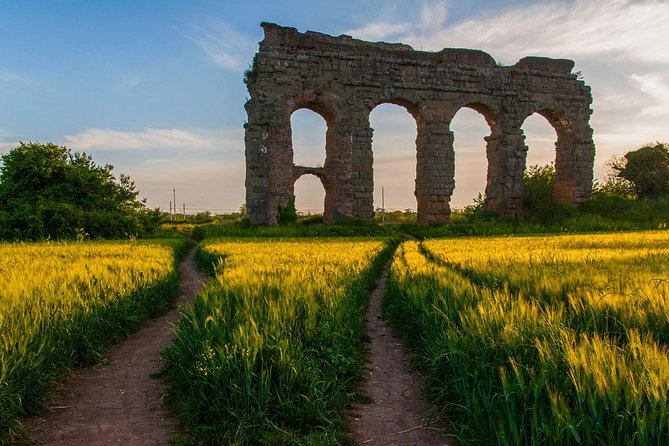
Then you shift to Villa di Massenzio, tied to Emperor Maxentius. This is an early 4th-century site, and it’s one of those places where you can feel how politics and entertainment lived side by side in Roman power.
You’ll typically have about 15 minutes here, and the big draw is the Circus of Maxentius—an ancient racing track that could hold over 10,000 spectators. Even in ruin form, a circus track is legible. If the guide points out the shape and purpose, you’ll “see” how it functioned during chariot races.
This stop also helps you connect names from Roman history class to real stone. Maxentius ruled 306–312 AD, and his rivalry with Constantine ties back to the Battle of the Milvian Bridge in 312 AD, a major turning point.
For me, the value here is tonal contrast. After the solemn catacombs, you’re back with an empire that spent money on massive public entertainment. That combo makes Rome feel less like a museum and more like a living system of belief, fear, and spectacle.



Chiesa del Domine Quo Vadis: footprints, tradition, and a stop that’s quick but memorable
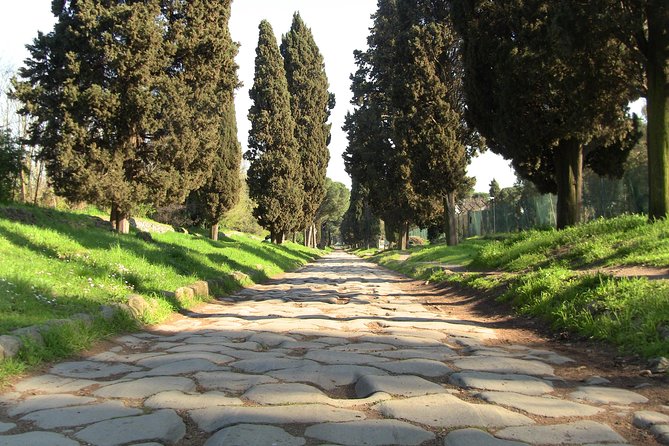
Your final road-side moment is Chiesa del Domine Quo Vadis, a small church linked to Christian tradition about Saint Peter. The name—often translated as Lord, where are you going?—comes from the alleged words exchanged during Peter’s vision while he fled Rome.
What you’re looking for inside is the famous legend of the footprints of Christ imprinted on stone. The tour’s description frames this as a miraculous moment tied to the vision, and even if you treat the story as faith-based rather than factual, you’re still seeing how tradition literally shaped place-making.
The church is said to date to the 4th century (associated with the Constantine era), with later rebuilds. Your time here is about 15 minutes, so it works best as a quiet reset at the end: one last layer of meaning before you head back.
Comfort, vehicle setup, and why the pacing feels manageable

This tour includes private transportation with air-conditioning and free Wi‑Fi, plus water and candies. For Rome, that’s not fluff. Heat can drain your attention fast, and Wi‑Fi gives you an easy way to check messages, maps, or simply cool down mentally before heading into underground spaces.
The schedule also makes sense for most people. You’ll spend roughly:
- 15 minutes at Porta San Sebastiano
- 45 minutes in the catacombs
- 15 minutes on the Appian Way
- 15 minutes at Villa di Massenzio
- 15 minutes at Domine Quo Vadis
That structure keeps things moving without turning every stop into a marathon.
One more practical point: it’s a private tour for your group, and pickup is from your hotel. That matters when you’re dealing with Rome traffic and trying to keep the whole day from turning into a transportation puzzle.
Price of $223.49 per person: when it feels worth it
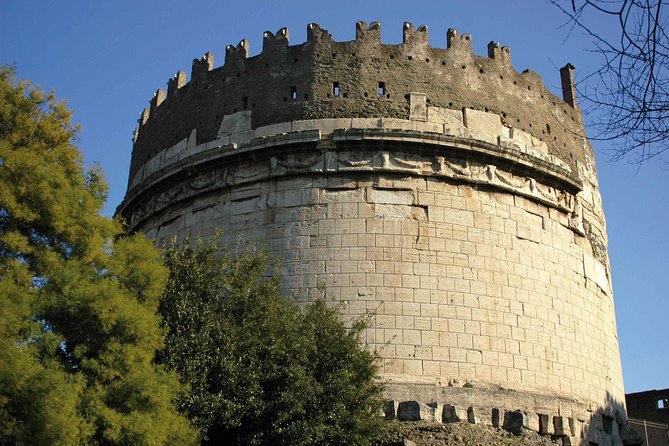
At $223.49 per person for about 2 hours 30 minutes, this is not a budget pickup. But the value isn’t just the car. You’re paying for three things that add up fast on your own:
- a private ride (with A/C and Wi‑Fi)
- a planned route with time at five specific sites
- entry to the catacombs included
So ask yourself what you’d otherwise pay in time and stress. If you want a guided connection between the sites—gate, burial tunnels, the “Queen of Roads,” imperial ruins, and Christian tradition—this price can start to feel fair.
That said, it’s also the kind of tour where you should care about guide quality. There are times when a departure behaves more like a transfer than a guided interpretation. If you’re paying for a history-driven experience, you want a guide who can explain what you’re seeing while you’re standing there, not after you’ve moved on.
If you’re traveling in a group, note that group discounts are offered, which can soften the per-person cost.
The guide matters: what to look for (names you may see)
The best versions of this tour tend to share a style: clear explanations right from the start, smart pacing, and a willingness to answer questions on the spot.
If you see names like Patrick (Patricio), Constantine, or Mirko Tatano, that’s a good sign. Their reported style is strong on early, organized context, and they’re the kind of guides who make the tour feel like a conversation instead of a checklist.
No guarantees here, but the takeaway for you is simple: when you’re on the vehicle ride, ask one question early. If the guide lights up and explains directly, you’ll feel the difference for the rest of the tour.
Who this tour suits best (and who might prefer DIY)
This tour is a great fit if you want:
- a focused Roman escape from central crowds
- included catacomb entry without ticket hassles
- a structured route that connects the Appian Way to both Roman and early Christian themes
It’s also a good match if you like being outdoors but don’t want long hours walking. You’ll get a taste of Via Appia Antica without spending your whole day on the road.
If you’d rather spend money only on what you personally choose, or if you don’t care much about guided interpretation, you might find a simpler taxi + self-guided planning more economical. But if you want the why behind what you’re seeing, this tour’s setup is built for that.
Should you book Subterranean Rome: Catacombs and Appian Way Discovery?
Book it if you’re aiming for a short, well-paced “Rome outside the crowds” day with a real stop in the catacombs and guided links between sites. The included catacombs entry, the A/C + Wi‑Fi transport, and the private format are the big reasons it works.
Skip or rethink it if your priority is just getting from point A to point B with minimal explanation. Also, go in knowing that catacomb viewing is typically about architecture, niches, and Christian symbols—not dramatic, public bone displays.
If you do book, send your group details when asked (full names and ages are requested), and consider asking your guide to point out aqueduct-related remains during the Appian Way segment. That single request can turn a quick walk into something you’ll remember.
FAQ
How long is the tour?
It runs for about 2 hours 30 minutes.
Is hotel pickup included?
Yes. Pickup is offered from your hotel.
Are catacomb tickets included?
Yes. Entry to the catacombs is included.
What language is the tour in?
The tour is offered in English.
Is the transportation comfortable?
Yes. The vehicle includes air-conditioning and free Wi‑Fi.
When can I cancel for a full refund?
You can cancel for a full refund up to 24 hours before the experience starts.