REVIEW · ROME
Rome: Vatican Pass, Top Attractions and Free Transport
Book on GetYourGuide →Operated by Go City - EMEA · Bookable on GetYourGuide
Rome’s best queues can be brutal.
This Omnia Vatican Card + Roma Pass combo helps you cut straight to the action with skip-the-line entry for the Vatican Museums and fast access to big-name sites like the Colosseum area, while the included unlimited public transport keeps you moving between neighborhoods. The trade-off is timing: your 72-hour window starts only after your first attraction visit, and in busy seasons you’ll still need to lock in reservations for the most in-demand stops.
If you’ve got only a few days, this card is mainly about squeezing the maximum “Rome highlights per day” out of your schedule—without constantly hunting for tickets. You’ll exchange a printed voucher at an ORP collection desk near either St. Peter’s or the Lateran, then you’re set to use the Vatican and Rome components through your activated 3-day validity.
In This Review
- Quick takeaways before you plan your 3 days
- Getting Your Omnia + Roma Pass: ORP pickup and smart activation timing
- The Vatican Museums plan: skip-line entry plus the Omnia extras
- Sistine Chapel access: what to do if it’s temporarily unavailable
- The Roma Pass choices: pick 2 free big attractions, then stack discounts
- Entering the Colosseum and Forum: big payoff, plus the reservation reality
- Hop-on hop-off buses: use them as a time tool, not a substitute for walking
- Free transport in Rome: where it saves time most
- A realistic 3-day rhythm that fits how the pass works
- Price and value: what you’re really paying for
- Who this works best for (and who might feel annoyed)
- Should you book the Omnia Vatican Card + Roma Pass combo?
- FAQ
- How long is the pass valid after I first use it?
- Where do I exchange my voucher for the cards?
- Is a printed voucher required?
- Does it include skip-the-line access?
- Do I need reservations for the Vatican Museums and the Colosseum?
- What attractions are free with the Roma Pass?
- What else do I get with the Omnia Card besides Vatican Museums?
- Does this include public transportation?
- What’s the dress code for Vatican-area sites?
Quick takeaways before you plan your 3 days
- Two passes that cover different priorities: Omnia focuses on Vatican-area access and extras; Roma Pass focuses on choosing free top attractions and stacking discounts.
- Your clock starts with your first use: once you activate the pass at an attraction, you’re on a 72-hour run.
- Vatican access is the big time-saver: the package is built around bypassing long lines at the Vatican Museums.
- Roma Pass lets you choose 2 free major sights from a short list, then discounts kick in for lots more.
- Unlimited public transport is part of the value: it’s there so you can avoid wasting your limited time on ticket machines and queues.
- Vox City audio guide app helps you get more out of stops without relying on whatever onboard narration you happen to get.
Getting Your Omnia + Roma Pass: ORP pickup and smart activation timing
Before you even think about the Vatican and the Colosseum, you’ll do one practical step: swap your voucher for the cards at an ORP collection desk in Rome. You can pick the desk that matches your first day’s geography:
- Piazza Pio XII, 9 (near St. Peter’s Basilica): open Monday–Saturday 9 AM–4 PM; closed Sundays and holidays
- Piazza di S. Giovanni in Laterano (Lateran Palace): same hours and same Sunday/holiday closure pattern
Bring what’s required: a passport or ID card, and a charged smartphone (you’ll want it for the Vox City audio guide app). Also note the dress code rules if you plan to move through church spaces: no shorts, short skirts, or sleeveless shirts.
Now the key decision: when you activate. Your passes are valid for 1 year from purchase date, but they only become active after your first attraction visit. After activation, it’s a 72-hour validity period. In a 3-day Rome trip, this is huge. If you activate too early, you might burn time. If you activate strategically—say, beginning with a Vatican visit—you can cover your highest-demand days inside the 72-hour window.
You can also read our reviews of more tours and experiences in Rome.



The Vatican Museums plan: skip-line entry plus the Omnia extras
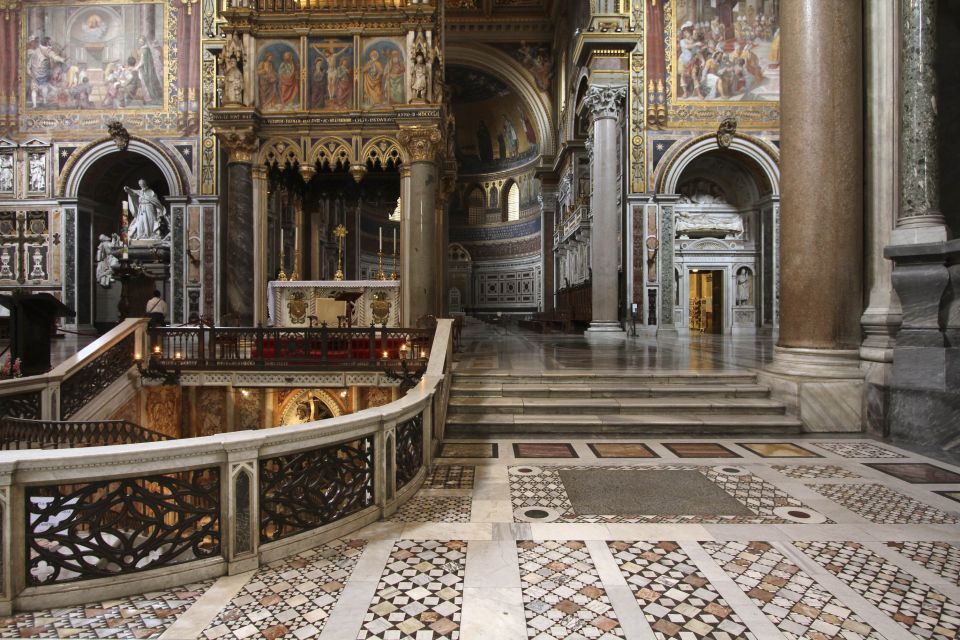
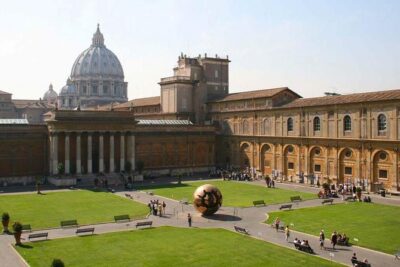
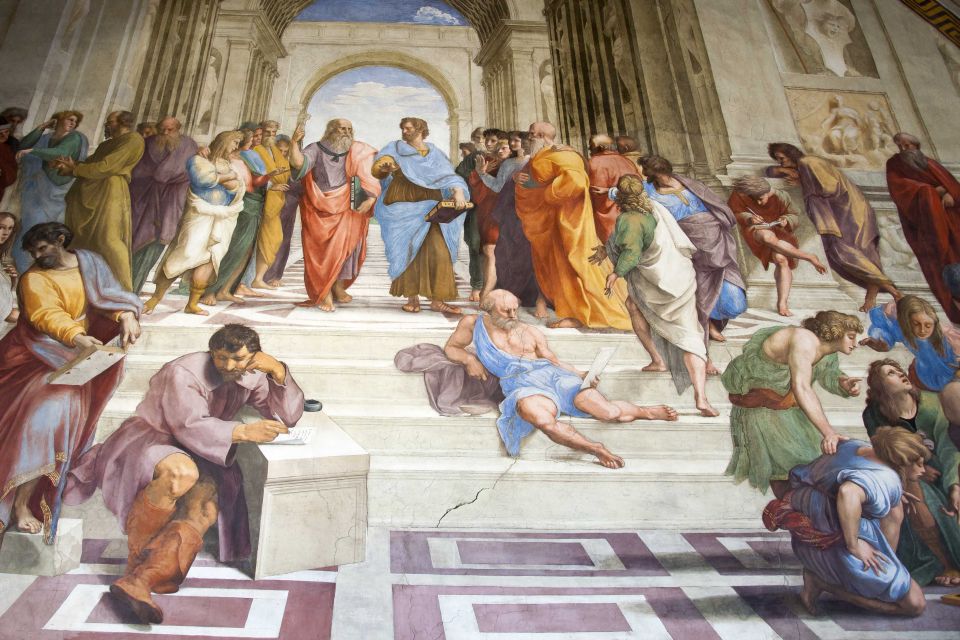
The Omnia side is the heart of this deal if you’re trying to beat the worst of Rome’s lines. It includes entry to the Vatican Museums and is designed around skip-the-ticket-line convenience. It also covers access related to the Sistine Chapel, but there’s an important caution: the listing notes the Sistine Chapel is temporarily closed. That means your plan should be flexible. Check current status before you go, especially if you’re traveling in peak season.
Beyond the headline museums, Omnia also adds value with additional Vatican-area experiences, including:
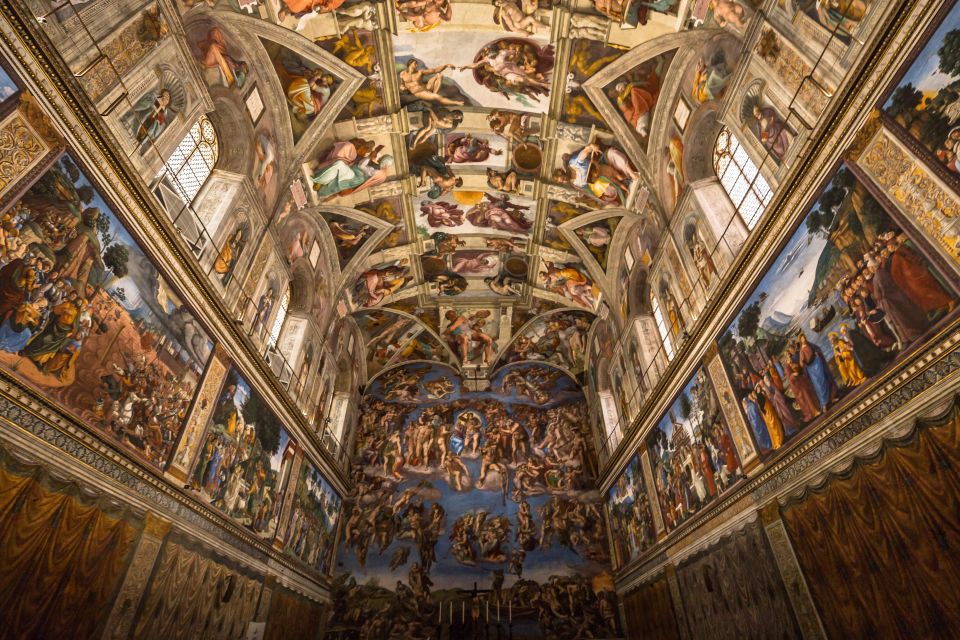
- Entrance to the Basilica of St. John in the Lateran and the cloister with a multimedia audio-guide
- Carcer Tullianum / Mamertine Prison (often called St Peter’s Prison)
- A Vox City audio-guide (through the app)
This matters because the Vatican isn’t just one room. It’s a whole maze of “wow” spaces, and when you’re paying for time-saving access, you want to spend that saved time reading the place, not wandering in circles. The Vox City audio guide gives you a way to connect details to what you’re seeing.
One more practical reality: the Vatican Museums are extremely popular, and reservations are required. So even if you’re using the pass to skip some queueing, you still need to plan ahead and secure the right entry slots. In summer, that’s not optional.
Sistine Chapel access: what to do if it’s temporarily unavailable
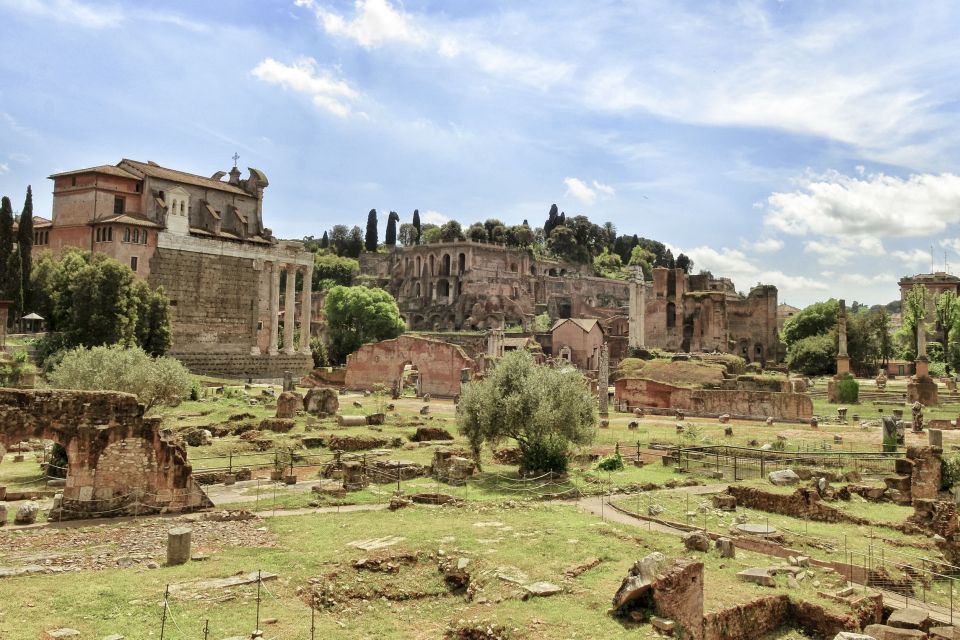
Because the listing flags Sistine Chapel as temporarily closed, I’d treat it as a “check first” stop, not a guaranteed box-tick. Here’s how you can protect your time:
- Prioritize the Vatican Museums route so you still get the core experience even if specific areas shift.
- Keep your schedule light around Sundays or public holidays, since Vatican Museums are closed then (with the exception of the last Sunday of the month).
- If you’re building a 3-day plan, avoid putting all your Vatican hopes into one single timed moment that could change.
If the Sistine route isn’t available on your date, you won’t be leaving empty-handed. You’ll still be in the Vatican Museums complex, and the Omnia card also pairs with other nearby inclusions that can keep the day satisfying.
The Roma Pass choices: pick 2 free big attractions, then stack discounts
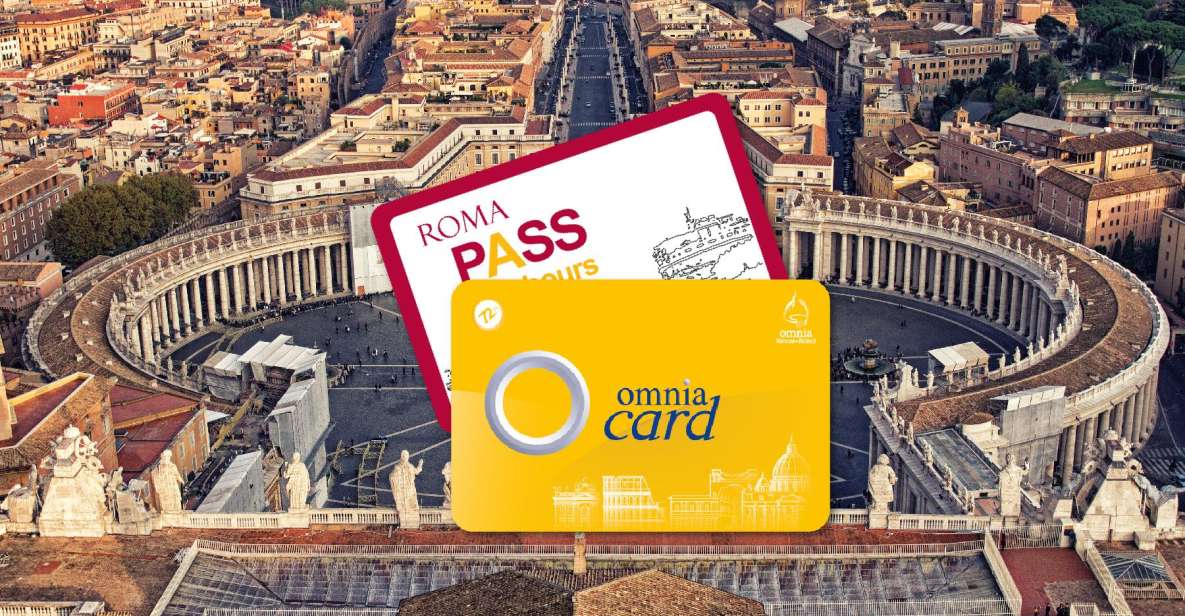
The Roma Pass component works differently. Instead of focusing on a single “skip the line” prize, it gives you a choice of two free admissions (from a list of five major attractions), plus discounts at a long lineup of other museums and sites.
Your free-pick options include:
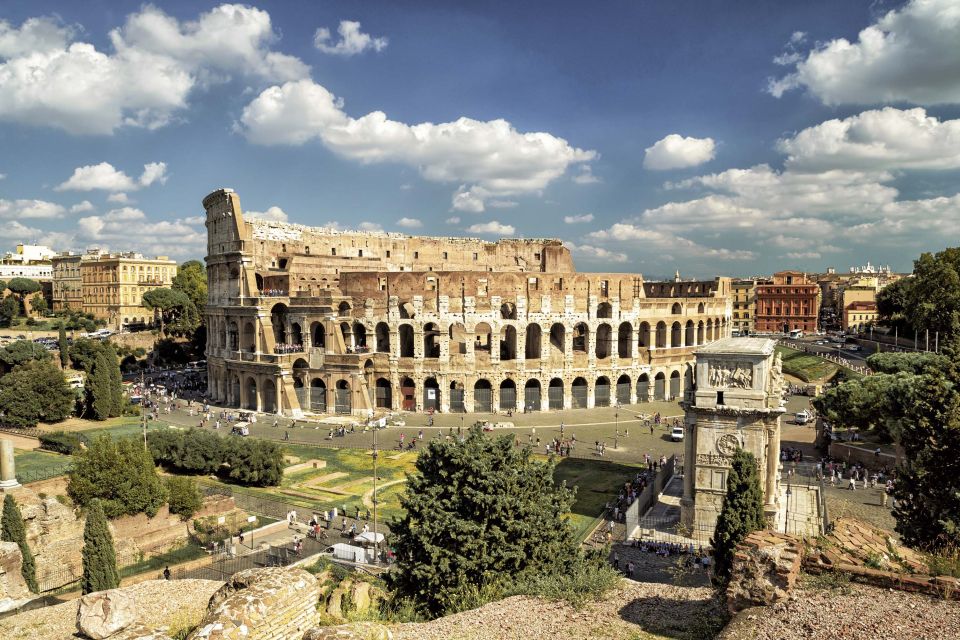
- The Colosseum, Roman Forum & Palatine Hill
- Capitoline Museums
- Castel Sant’Angelo
- Borghese Gallery
- Circo Maximo Experience
Then you also get reductions at many attractions, including major museum names like:
National Roman Museum sites (Palazzo Massimo alle Terme, Palazzo Altemps, Crypta Balbi, Baths of Diocletian), National Gallery in Palazzo Barberini, MAXXI, Ara Pacis, Trajan’s Market, Planetarium and astronomical museum, and more.
This setup is great because it matches how most people actually travel: you don’t all love the same things equally. Some days you want ancient grandeur (Colosseum/Forum). Other days you might want a museum with air-conditioning (MAXXI) or a fortress view (Castel Sant’Angelo).
The key caution: the package is set up so reservations are required for the Vatican Museums and the Colosseum. So your “free” choices don’t remove the need to plan timed entry. They mainly remove ticket-buying friction and can save time on access.
Entering the Colosseum and Forum: big payoff, plus the reservation reality
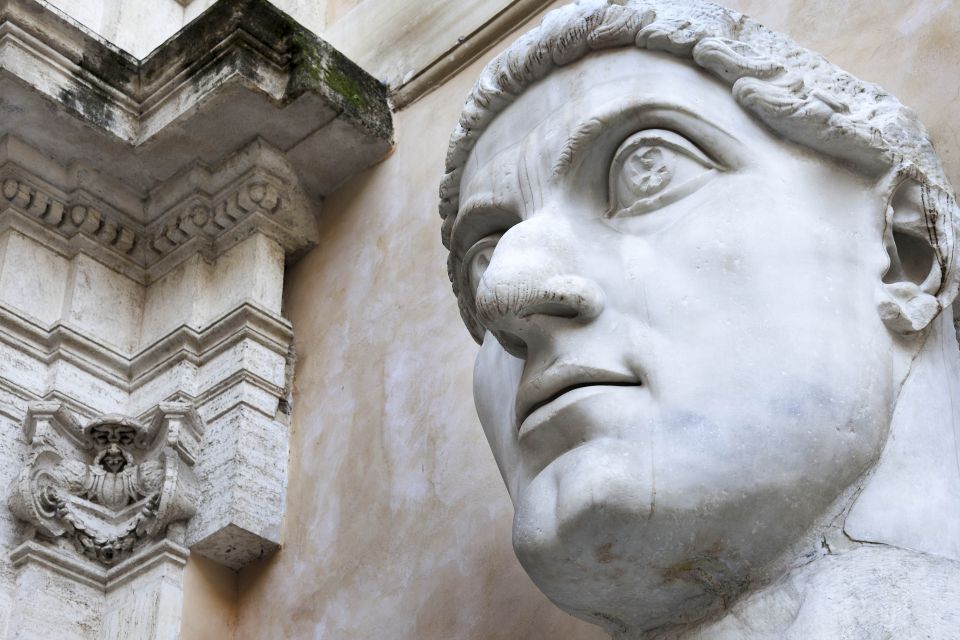
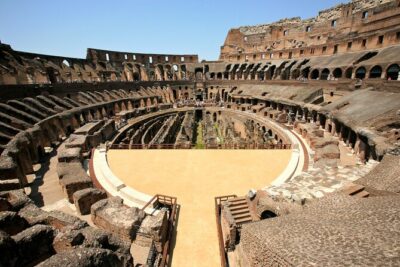
If you choose the Colosseum/Forum/Palatine combo as one of your two free Roma Pass admissions, the value is straightforward: you’re targeting one of the most time-critical sights in Rome. The Omnia/Roma bundle is built around skipping long waits for major entrances where possible, and that’s where these cards help most on a short itinerary.
But here’s the balancing fact: reservation required, and the Colosseum is incredibly popular in peak months. If you’re visiting in summer, treat booking reservations early as part of the trip, not an optional extra.
Also, note that opening hours can change due to special events. Rome runs on calendars, not just clocks, so it’s smart to check before you finalize your daily order.






Hop-on hop-off buses: use them as a time tool, not a substitute for walking
The Omnia Card includes a 3-day hop-on hop-off bus tour via services such as Open Bus Vatican and Rome, Big Bus, and City Sightseeing. That’s a good match for Rome because it helps you:
- reduce long walking distances between clusters of sights
- move quickly when you’re tired from the heat and stairs
- get “first orientation” so the city layout makes more sense later
One big practical caution: hop-on hop-off isn’t automatically the best choice for everyone. Some people find buses less useful than walking once they’re in the rhythm. And in busy periods, buses can feel crowded enough that you’ll want to arrive at stops earlier in the day rather than assuming you’ll hop on instantly.
The audio angle also matters. Omnia gives you the Vox City audio guide app, which can help you get commentary even if the bus audio doesn’t work perfectly on a given day. If you care about narrative explanations, download the app before you start your sightseeing loop.
Free transport in Rome: where it saves time most
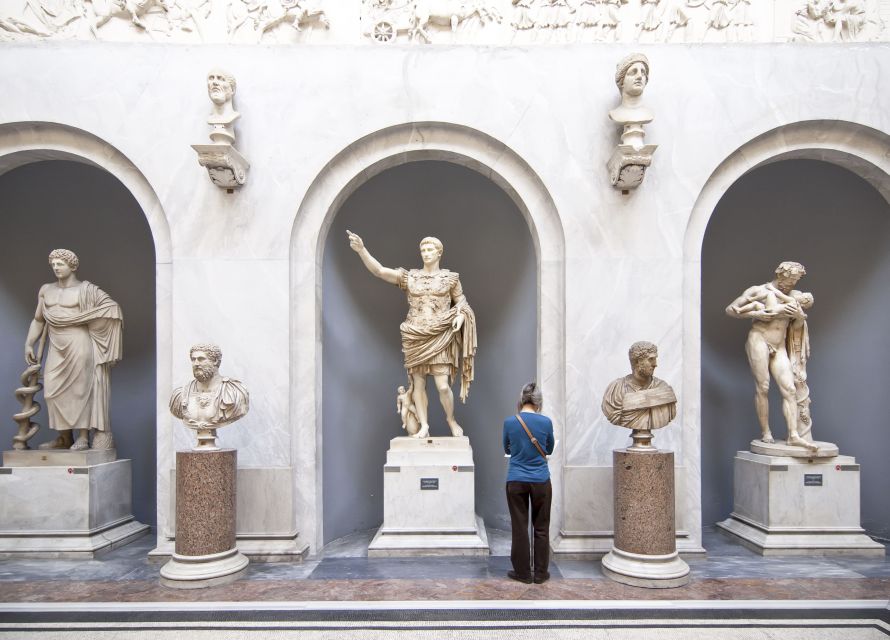
This combo includes unlimited public transportation for the validity period. In real terms, that means you can bounce between neighborhoods without paying again and again, and without spending your limited sightseeing time staring at ticket kiosks.
Here’s where I’d use the free transport most:
- When your hotel is far from your first sight of the day
- When you’ve done a heavy morning (Vatican or Colosseum) and you still have another museum stop nearby
- When you need to reposition quickly between “Rome layers” (ancient, Vatican, Renaissance-era districts)
But don’t ignore the reality that Rome is built for walking. If your base location is central, you might save time by walking in short hops, especially on days when you’re moving between attractions that aren’t too far apart.
The smart approach is flexibility: use public transport when it prevents fatigue, then walk when it helps you discover side streets and small piazzas without adding transfers.
A realistic 3-day rhythm that fits how the pass works
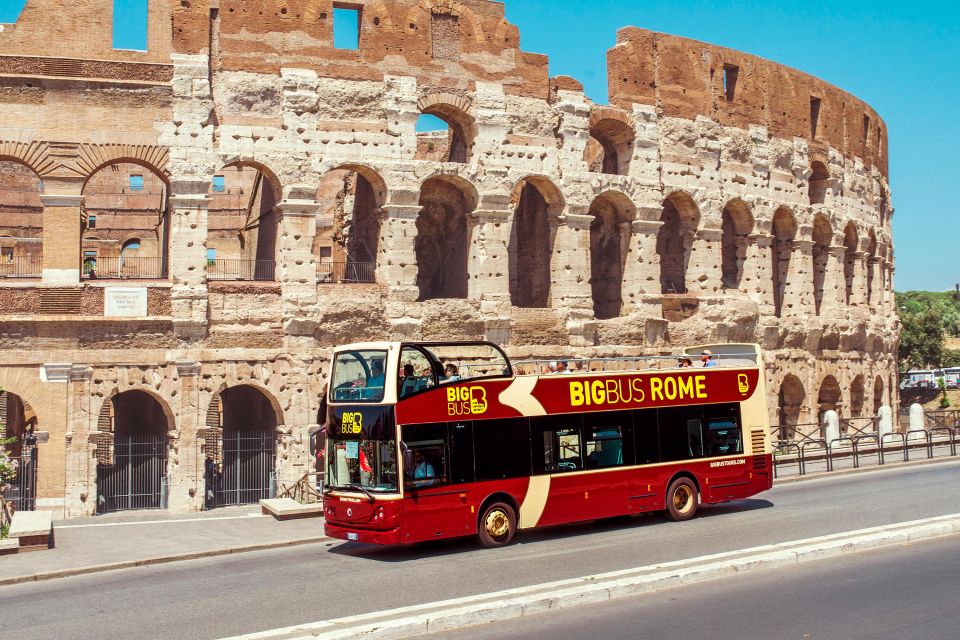
Because your activated window runs 72 hours, I like itineraries that front-load your most demanding reservations and skip-line sights.
Day 1: Activate with the Vatican experience.
Start at the Vatican Museums area, when you can still spend your energy on big-room sightseeing. Pair it with Vatican-related inclusions, then use free transport to reset and head toward dinner without stress.
Day 2: Colosseum choice day (if you selected it).
Use your Roma Pass free admission if it’s on your list. Plan for reservation timing and give yourself enough time to move between the Colosseum, Forum, and Palatine areas without rushing.
Day 3: Use Roma Pass discounts to broaden your Rome.
This is the day for museum variety and “second-tier famous” stops—places you can pick based on weather and interest. If you choose Castel Sant’Angelo or Capitoline Museums as your second free attraction, you can anchor the day there and then add discounted stops around it.
If you’re the type who likes a flexible schedule, the pass supports that too. The bus tour gives you a moveable backbone, while discounts let you swap in an indoor option if the day’s weather turns.
Price and value: what you’re really paying for
At $168.79 per person, this package isn’t cheap. So the value question is simple: are you buying time savings and convenience, or just “tickets”?
You’re paying for:
- skip-line convenience tied to major Vatican entry
- a bundled access setup that targets the two big Rome time sinks: Vatican area and Colosseum
- unlimited public transportation during the active period
- a hop-on hop-off bus tour that helps you reposition without constant planning
- Roma Pass discounts that can add up if you actually visit multiple museums
If your itinerary is tight—exactly 3 days, and exactly the headline attractions—you’re more likely to get your money’s worth. This is also a good buy if you hate ticket lines and prefer to spend your energy inside the sights.
If, on the other hand, you’re staying longer and you like to walk everywhere, you might not use enough of the “bundle savings” to make it feel like a steal. A couple of people also point out that it may not be cheaper than buying separately, especially if you don’t take advantage of transport and multiple museum discounts.
My practical rule: if you’re aiming for Vatican + Colosseum and at least a couple of extra museum stops, this card can make Rome feel smoother. If you’re only doing one major day, consider whether individual tickets would cost less.
Who this works best for (and who might feel annoyed)
This package shines for:
- first-time Rome visitors with only a few days
- people who want a structured plan around the Vatican and Colosseum
- travelers who dislike queueing and want fewer ticket errands
- visitors who will use public transport and the hop-on buses instead of relying on taxis
It may feel less ideal if:
- you’re flexible and prefer slower travel with mostly walking
- you don’t plan to visit enough discounted museums to make the bundle meaningful
- you’re traveling at times when limited availability can force you to rearrange (reservations for the Vatican and Colosseum are required)
Also, there’s a note for practicality: the pass isn’t suitable for wheelchair users. And groups larger than 9 people may be refused entry to attractions.
Should you book the Omnia Vatican Card + Roma Pass combo?
If you’re doing Rome in three days and you want the big sights without spending your trip battling lines, I think this is a solid booking. The skip-the-line advantage plus unlimited transport is the combo that turns a stressful itinerary into something you can actually enjoy.
I’d book it when you’re willing to do two things: choose your two free Roma Pass attractions in advance, and secure reservations early for the Vatican Museums and the Colosseum. If you’re the kind of traveler who shows up on the day and hopes for the best, you’ll likely feel the friction instead of the benefit.
If you can handle reservations and you want a high hit-rate schedule, this pass helps you see more Rome with less hassle.
FAQ
How long is the pass valid after I first use it?
After activation with your first attraction visit, the pass is valid for 72 hours. The purchase validity is 1 year from the purchase date.
Where do I exchange my voucher for the cards?
You exchange your voucher at an ORP collection desk in Rome:
Piazza Pio XII, 9 (near St Peter’s Basilica) or Piazza di S. Giovanni in Laterano (Lateran Palace). Both are open Monday–Saturday 9 AM–4 PM and closed Sundays/holidays.
Is a printed voucher required?
Yes, a printed voucher is required.
Does it include skip-the-line access?
Yes. It’s designed to help you skip the ticket line for the included major sights, including the Vatican Museums.
Do I need reservations for the Vatican Museums and the Colosseum?
Yes. Reservation is required for both the Vatican Museums and the Colosseum, and booking well in advance is recommended because they are very popular, especially in summer.
What attractions are free with the Roma Pass?
The Roma Pass provides free admission to 2 out of these 5: Colosseum/Roman Forum/Palatine Hill, Capitoline Museums, Castel Sant’Angelo, Borghese Gallery, or Circo Maximo Experience (adult tickets only).
What else do I get with the Omnia Card besides Vatican Museums?
The Omnia Card includes Vatican Museums access plus additional inclusions like entrance to St. John in Lateran and its cloister (with multimedia audio-guide) and Carcer Tullianum / Mamertine Prison, plus a Vox City audio-guide and a hop-on hop-off bus tour.
Does this include public transportation?
Yes. It includes unlimited public transportation for the validity of your pass, plus a travel card component with the Roma Pass.
What’s the dress code for Vatican-area sites?
No shorts, short skirts, or sleeveless shirts are allowed.