REVIEW · ROME
Rome: St Paul’s Basilica, Sarcophagus, & Major Basilica Tour
Book on GetYourGuide →Operated by Crucis Tours · Bookable on GetYourGuide
Four saints, one hour, zero boredom. This St Paul Outside the Walls tour focuses on one place people often rush through, using spirituality plus architecture to explain what you’re actually seeing. I like the small group pace (max 10) and the way the guide connects catechesis to the basilica’s mosaics, relics, and layout. One practical heads-up: meeting up on Via Ostiense can be a little tricky with GPS, so use the map link and keep WhatsApp ready.
This is also a smart value play if you’re short on time. You get a guided visit to a major Roman basilica that’s tied to Jubilee themes, UNESCO status, and the Seven Pilgrim Churches of Rome—without trekking across the tourist-center maze. If you’re going for a fast photo stop only, the focus here may feel more reflective than casual.
In This Review
- Key things worth your attention
- Why St Paul Outside the Walls is the right “big church” stop
- Price and value: what $65 buys you (and why it’s fair)
- Meeting point on Via Ostiense: how to avoid the start-of-day headache
- The first moment inside: what the basilica teaches you before the relics
- Venerating St Paul: the sarcophagus moment that anchors the whole tour
- Holy Door at St Paul: what you’ll notice and why it’s special
- Relics and stories beyond the obvious: cross of St Bridget and more
- Mosaics and church art: how to actually read what you’re looking at
- The 60–90 minute rhythm: small group pacing that feels manageable
- After the tour: make a second half-day plan in San Paolo
- Who should book this tour?
- Should you book St Paul Outside the Walls: Basilica, Sarcophagus, & Major Basilica Tour?
- FAQ
- How long is the St Paul Outside the Walls tour?
- Where do I meet the guide?
- Do I need to arrange transport to the meeting point?
- Is the tour wheelchair accessible?
- What languages is the tour offered in?
- Is a headset provided for the group?
- What is the price?
- Are there dress code rules?
- Is the tour refundable if I cancel?
- Is there any special benefit for clerics?
Key things worth your attention
- St Paul’s tomb focus: you’ll venerate the sarcophagus connected with the Apostle to the Gentiles
- Holy Door included: one of Rome’s four Holy Doors used during Jubilee years
- Relics on display: the chain relic from Paul’s captivity and a cross linked to St Bridget of Sweden
- Major basilica in an “off-the-main-track” area: St Paul’s is outside the historical center, and that helps with crowd stress
- Short, serious guidance: 60–90 minutes that aims to make art and symbolism make sense
- Clear help for real questions: guides such as Wen, Dan, and Tom are praised for explaining clearly and answering thoughtfully
Why St Paul Outside the Walls is the right “big church” stop
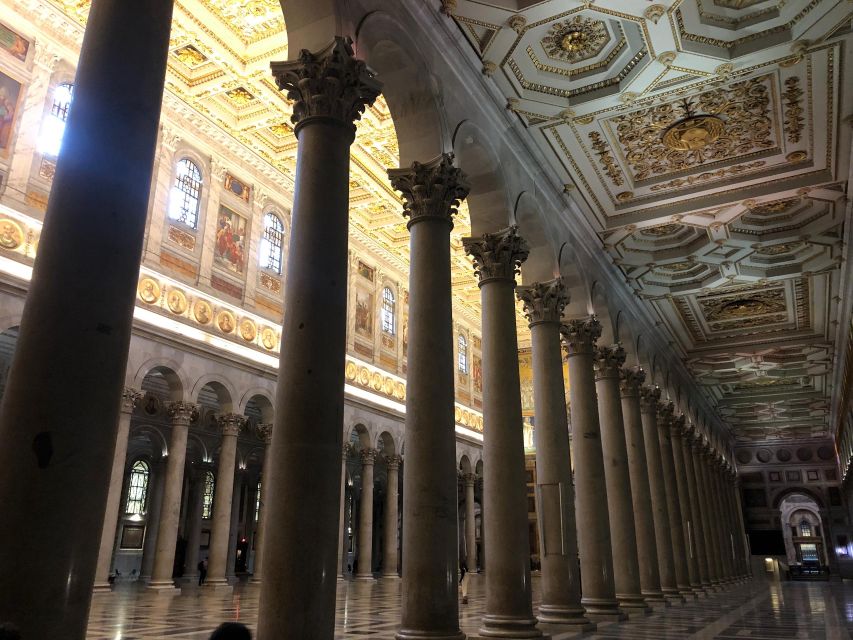
St Paul Outside the Walls sits in a category Rome travelers usually chase with longer days: a major Papal basilica, tied to big themes in Christianity, and recognized as part of Rome’s world-class historic religious landscape. Even better, it’s not in the most jammed cluster of sights. That matters. You spend more time inside the basilica, less time squeezing past lines and distractions.
What makes it feel different from a typical sightseeing-only visit is the angle: the tour treats the church as a living place of prayer and meaning, not just a museum. You’re not only told what’s there—you’re helped to read it. Expect the guide to connect the basilica’s art and architectural choices to the story of St Paul and to key church traditions.
And yes, the basilica has “name recognition” because it’s also one of the Seven Pilgrim Churches of Rome. It’s the kind of stop that fits whether you’re a devout Catholic, a Christian history nerd, or someone who simply wants one highly meaningful interior experience in your Rome days.
You can also read our reviews of more tours and experiences in Rome.



Price and value: what $65 buys you (and why it’s fair)
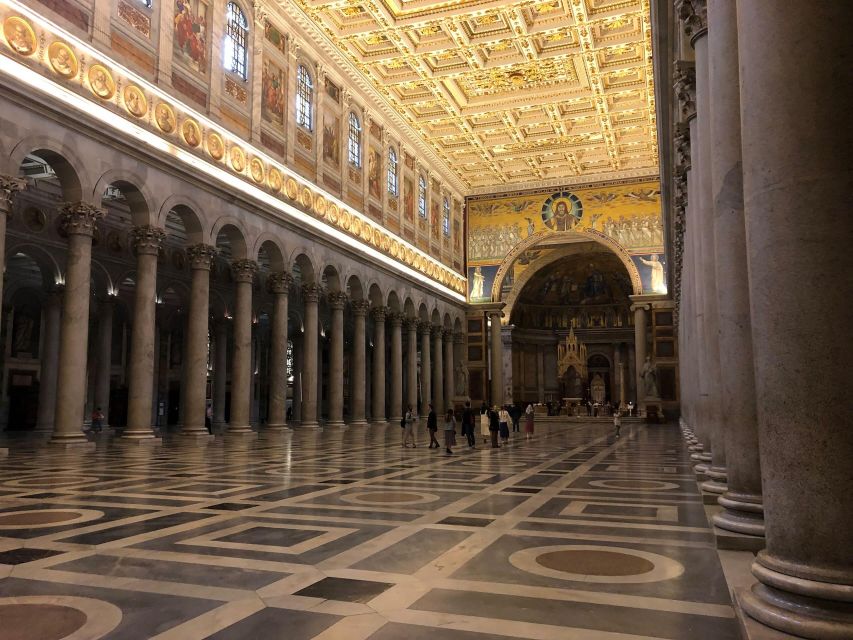
At $65 per person for around 60–90 minutes, the price feels reasonable if you compare it to other guided-access tours in Rome that mostly provide a walk-by overview. Here, you’re paying for a guide who’s expected to do more than point: they weave catechesis into what you see.
A few specifics that affect value:
- Guide included (that’s the core cost driver)
- All taxes and fees included
- Radio headsets for groups of 7 or more, which is a big deal in a church setting where voices can get swallowed by echoes
- Small group size, capped at 10, so the tour doesn’t turn into a herd
What’s not included: transport to and from the meeting point, plus guide tip. Transport matters if you’re staying far from Via Ostiense. But the upside is you get a guided visit to a major basilica without paying for extra time on a bus.
If you like your Rome with structure and meaning—short tour, clear focus—this price-to-time ratio makes sense.
Meeting point on Via Ostiense: how to avoid the start-of-day headache
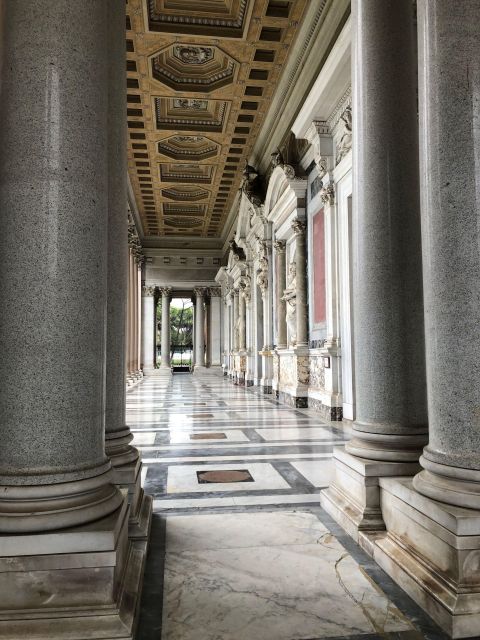
The tour starts outside the Bar Tabacchi Pappagone di Francesconi Monica on Via Ostiense. You’re given a Google Maps link and a What3Words address (paradise.smudges.clocked). The provider also encourages you to download WhatsApp so you can message in real time if something goes sideways.
Here’s my practical advice for making this painless:
- Check the map link the night before, not five minutes before you leave.
- Take a screenshot of the location pin so you’re not stuck if your phone misbehaves.
- Have WhatsApp ready even if you think you’ll never need it.
Why so much attention here? Because the area is not the easiest place to “wander into” on instinct. Rome can be wonderfully walkable, but meeting points that aren’t on the main tourist drags benefit from precision.
The first moment inside: what the basilica teaches you before the relics
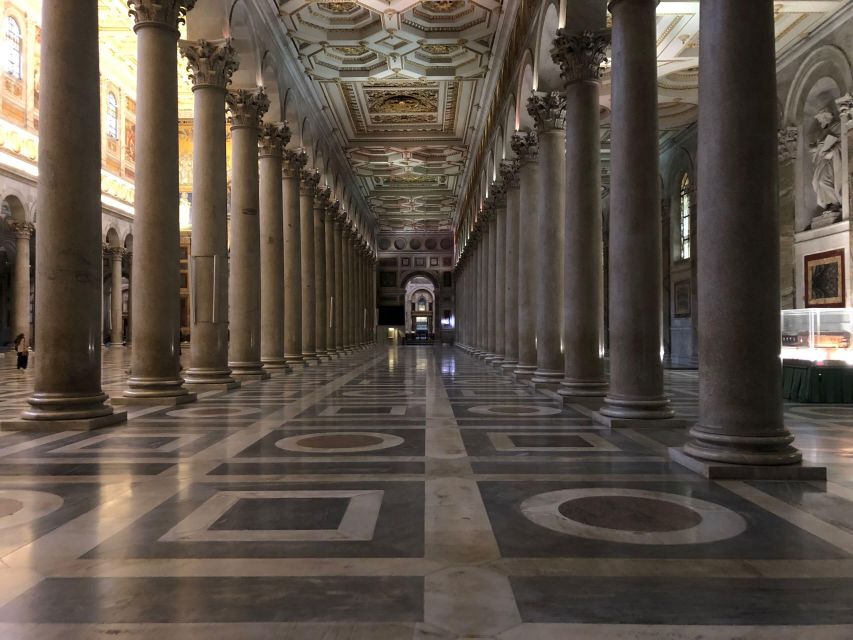
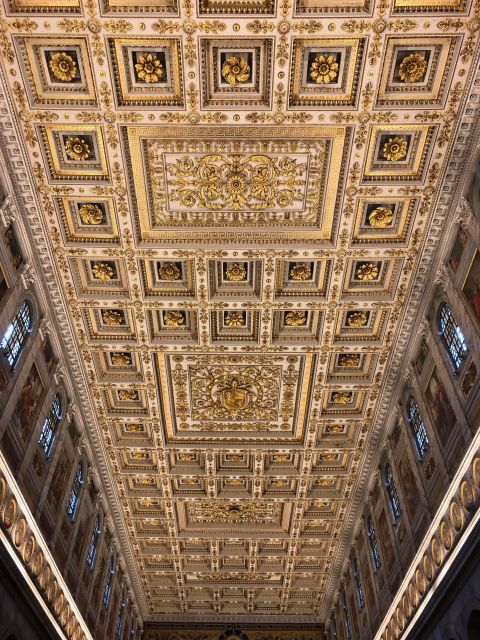
Your guided experience centers on the Basilica of Saint Paul Outside the Walls. Even if you’ve seen photos, you’ll want to slow down at the start. The basilica’s visual language—mosaics, artwork, and the way light falls inside—sets the tone for the whole visit.
You’ll learn about:
- the basilica’s fine art and architecture
- its history
- and how its design supports worship and devotion
A key piece of context: the basilica is tied to a 4th-century construction at the site associated with St Paul’s burial. Over centuries it was improved and restored, including partially rebuilt after a devastating fire in 1823. Today, you’re standing in a layered building—old bones with later repairs—so the guide helps you understand what changes mean and why they happened.
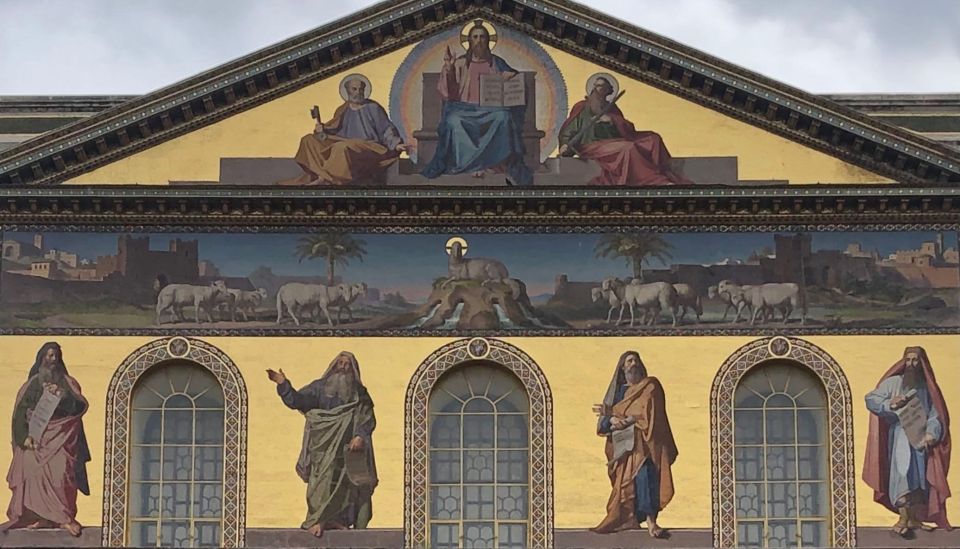
Also keep an eye on the basilica’s famous golden mosaic facade, known locally as San Paolo Fuori le Mura. It’s not just pretty. In this kind of tour, mosaics are treated as religious storytelling, and the guide is there to translate those visual messages into something you can actually follow in real time.
One more practical note: shorts and short skirts aren’t allowed. Plan clothing that covers appropriately so you don’t get stalled at the entrance.
Venerating St Paul: the sarcophagus moment that anchors the whole tour
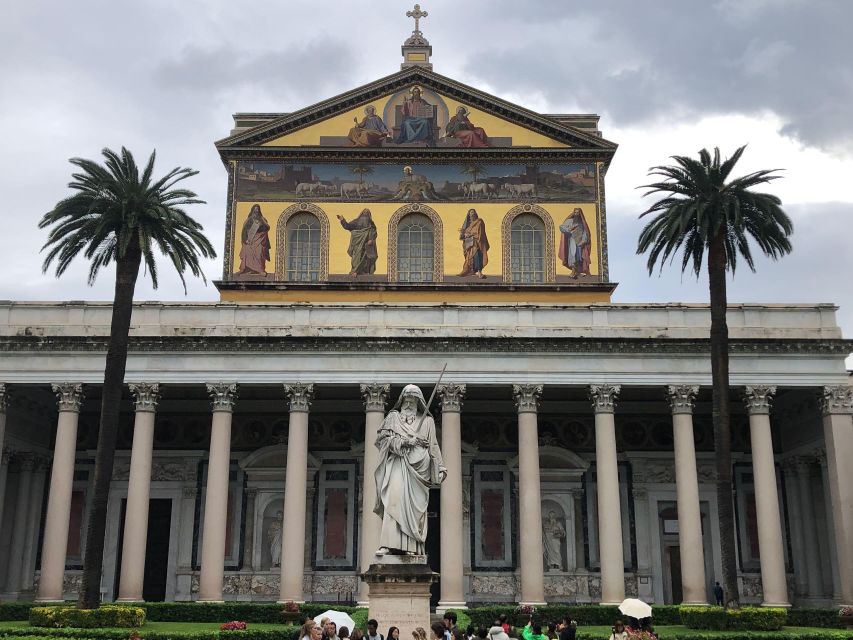
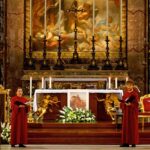
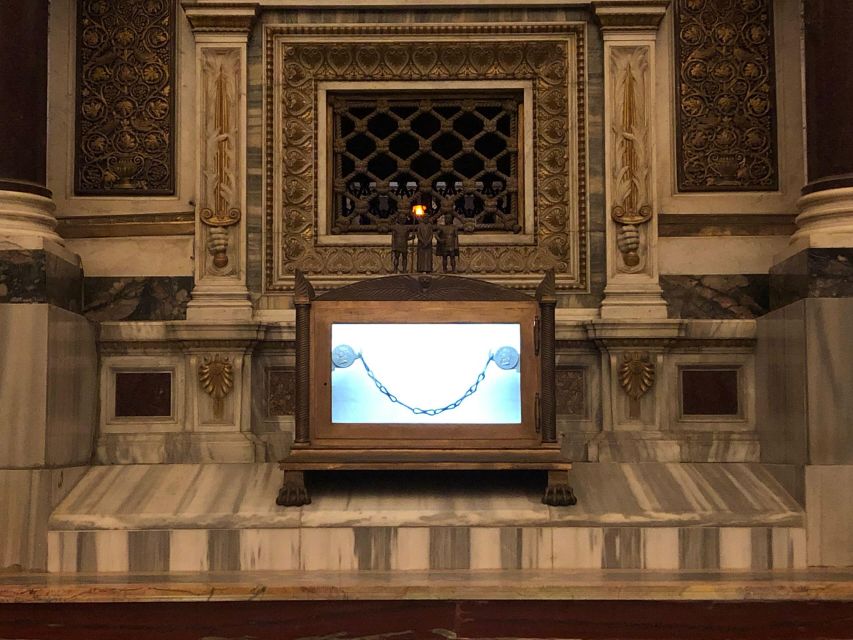
The spiritual centerpiece is the chance to venerate the body of St Paul the Apostle through the basilica’s relic site. You’ll see the sarcophagus containing relics of St Paul, connected to his role as the great Apostle to the Gentiles.
This is where a guided tour matters most. Without context, you might see a relic display and think: okay, it’s important. With the guide’s explanation, you understand why the Church ties this place to St Paul’s story and how devotion here connects to prayer, memory, and Christian identity.
You’ll also see related sacred elements described as part of the basilica’s theological messaging:
- a pillar of the Church along with St Peter
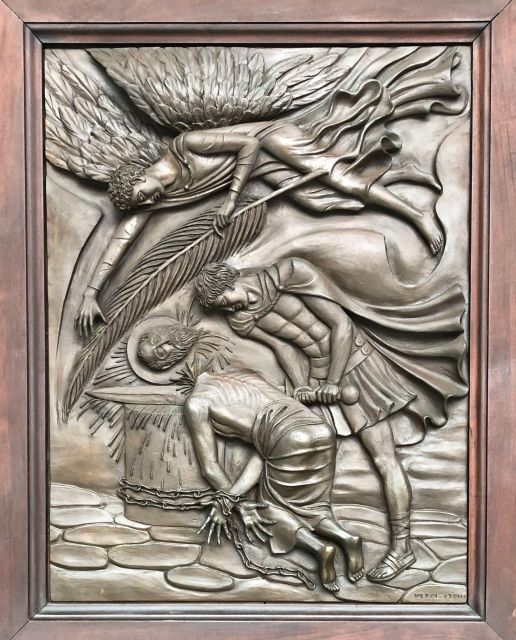
- the relic of the chain that bound the Apostle Paul during captivity in Rome
Those details aren’t random. In a tour like this, each object becomes a piece of the bigger narrative: Paul’s suffering, endurance, preaching, and the way Rome remembers him.
A helpful mindset: treat the relics as part of the basilica’s “main plot.” After you understand that, everything else—the mosaics, the architecture, the liturgical spaces—starts to click into place.





Holy Door at St Paul: what you’ll notice and why it’s special
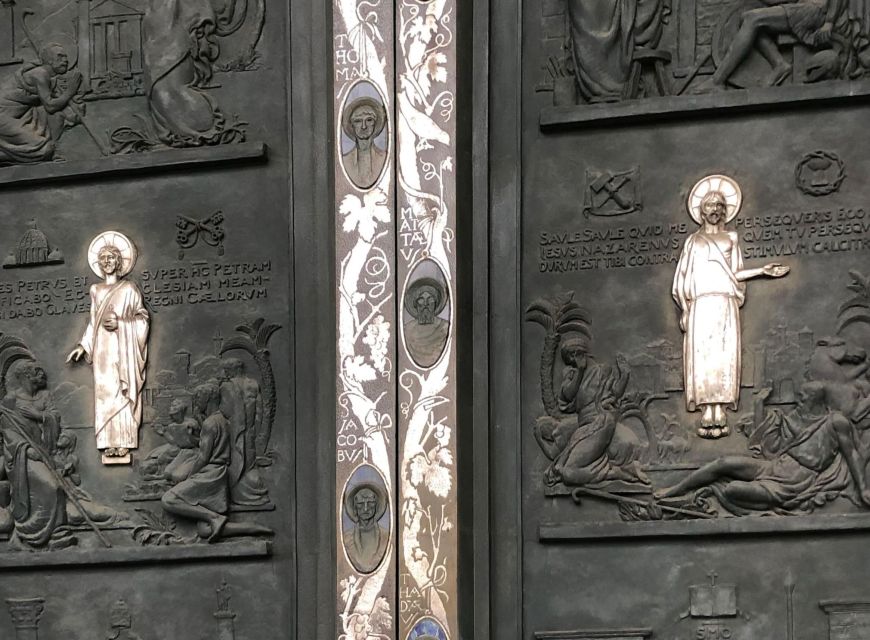
This tour includes a key Rome Christian tradition: you’ll see the Holy Door, one of four in Rome that open throughout Jubilee Years.
If you’ve never experienced a Holy Door concept in person, don’t worry. The value here is that the guide frames what the Holy Door represents and how it fits into Jubilee practice. The “why” matters, because a door in a church can look like any other door until you realize it’s designed to mark pilgrimage, renewal, and grace.
Even if you’re not traveling during a Jubilee year, you still get the visual and symbolic understanding. That makes the Holy Door stop feel like a meaningful education, not a missed opportunity.
Relics and stories beyond the obvious: cross of St Bridget and more
St Paul Outside the Walls also holds relics and objects that many visitors don’t realize are there. This is one reason the tour feels like a step off the standard Rome track.
You’ll hear about:
- a miraculous cross kept here that inspired St Bridget of Sweden to found the Order of the Bridgettines
- the relic of the chain from Paul’s captivity
- and additional sacred features tied to the basilica’s worship spaces
Why I like this part of the experience: it turns the basilica from a single-photo stop into a web of Christian history. Rome has plenty of places to see one famous thing. St Paul’s gives you a cluster of meaningful items connected to prayer and tradition across centuries.
If you’re the kind of person who likes small details with big meaning, this will land well.
Mosaics and church art: how to actually read what you’re looking at
The basilica’s golden mosaic facade isn’t the only art you’ll focus on. Expect the guide to point you toward:
- key mosaics and ornate artwork
- symbolic elements in the church spaces
- and notable design features like the cloister and the conclave behind the main altar
This is the big difference between walking through a basilica on your own and having a guide. You don’t just look. You learn how the artwork is structured to communicate doctrine and devotion.
In the reviews you’ll hear praise for guides who explain symbolism clearly. For example, Wen is mentioned as speaking clearly and slowly, which is especially helpful in a stone building where sound can get tricky. Dan is praised for warm, engaging explanations and answering questions. Tom gets noted for a detailed style and for keeping even kids interested.
You might not get the exact same guide. But the tour’s goal stays consistent: you leave with a map in your head of what mattered and why.
The 60–90 minute rhythm: small group pacing that feels manageable
This is a short tour by design: about 1 hour, sometimes described as 60–90 minutes. In Rome, shorter tours are underrated. They prevent the usual problem of “big plans that turn into museum fatigue.”
Because the group is limited to 10 participants, you’re more likely to have questions answered and to hear the guide without fighting for attention. And when groups reach 7 or more, radio headsets help keep sound clear.
This also matters for hearing comfort. One review specifically called out that Wen spoke in a clear, slow way and that she made sure the group understood her explanations, which is a smart reminder: if sound is an issue for you, bring that up early when possible and position yourself where you can hear best.
Dress code is your other pacing factor: skip shorts and short skirts so you don’t have to deal with on-the-spot adjustments.
After the tour: make a second half-day plan in San Paolo
The tour ends outside the basilica in the San Paolo neighborhood. This is a nice touch for two reasons: it avoids leaving you in a tourist bottleneck, and it nudges you toward a part of Rome that’s more local in feel.
The area around San Paolo is described as:
- a fashionable suburb
- just a few stops from the center by metro
- a place worth exploring if you want less of the tourist-trap vibe
If you want to stretch the day, think of it like this: the tour gives you the “meaning anchor.” Then you can enjoy a slower stroll, grab a coffee, and watch Rome behave like a city rather than a checklist.
Who should book this tour?
This tour fits best if you:
- want a major basilica experience with spiritual focus, not just art history
- like being guided through symbolism, relic stories, and church tradition
- have limited time and want a structured visit that doesn’t sprawl
- prefer fewer crowds than the center’s biggest headline sites
- travel with family and want explanations that can keep kids engaged (at least some guides are praised for that)
It may be less ideal if you:
- only want quick photo opportunities and zero religious context
- dislike tours that spend time on devotion and catechesis
- show up dressed in ways that won’t meet the church’s rules (remember: no shorts/short skirts)
Should you book St Paul Outside the Walls: Basilica, Sarcophagus, & Major Basilica Tour?
Yes, if you want your Rome visit to mean something, fast. This is a well-paced hour-long guided visit to a UNESCO World Heritage basilica area with a clear payoff: you see the sarcophagus tied to St Paul, learn the Holy Door connection, and hear relic stories that most people miss.
Book it especially if:
- you care about Christian history and the way art communicates faith
- you want a quieter major basilica stop outside the busiest tourist center
- you’d rather understand what you’re seeing than just stand there
Just plan smart for the start. Double-check the meeting point on Via Ostiense, keep WhatsApp handy, and dress appropriately so the visit stays smooth from the first minute.
FAQ
How long is the St Paul Outside the Walls tour?
The tour is listed as 1 hour, with the experience described as a 60–90 minute pilgrim-style visit.
Where do I meet the guide?
Meet outside the Bar Tabacchi Pappagone di Francesconi Monica on Via Ostiense. The details include a Google Maps link and a What3Words address.
Do I need to arrange transport to the meeting point?
No. Transport to and from the meeting point is not included.
Is the tour wheelchair accessible?
Yes. The activity is wheelchair accessible.
What languages is the tour offered in?
The live tour guide is available in English and Chinese.
Is a headset provided for the group?
Radio headsets are provided for groups of 7 or more.
What is the price?
The price is $65 per person.
Are there dress code rules?
Yes. Shorts and short skirts are not allowed.
Is the tour refundable if I cancel?
Yes. It offers free cancellation up to 24 hours in advance for a full refund.
Is there any special benefit for clerics?
Yes. The activity is listed as free for clerics, with instructions to contact the provider.