REVIEW · ROME
Rome: Eat Like a Roman Ghetto & Campo de’ Fiori Food Tour
Book on GetYourGuide →Operated by Hili srl · Bookable on GetYourGuide
Food, history, and fried bites in one walk.
I like that this tour ties Rome street food to real neighborhood stories, not just a list of snacks. I also love the variety you get in only 2.5 hours, from supplì and Roman pizza to Carciofo alla Giudia (Jewish-style fried artichokes) and artisanal gelato. One thing to think about: it is not suitable for vegans and it is not a good fit if you have a gluten intolerance, since the tastings include classic breaded and wheat-based foods.
What makes the experience feel worth the $36 price is the mix of food stops and key sights you actually want to see in this part of town. You start at the fountain in Piazza di San Simeone (close to Piazza Navona), then walk into Campo de’ Fiori and the Jewish Ghetto area where you’ll hear how the city’s history connects to what’s on your plate. Guides can include names like Giulia, Angelica, Claudio, Daniele, Mateo di Marco, Fiammetta, and Alessandria, and many are praised for keeping the stories clear and the food choices practical.
If you want the full impact, do it early in your trip. You’ll likely leave with a better map of where to wander next—and a short list of what to eat again, the right way.
In This Review
- Key things that make this Rome food tour work
- Why Campo de’ Fiori and the Jewish Ghetto is the best setup for street food
- Meeting near Piazza Navona: the 2.5-hour pacing that keeps it fun
- The market stop and morning-only tastings you’ll want to plan around
- What you eat: porchetta panini, Roman pizza, supplì, and gelato
- Supplì texture, Roman pizza style, and the big moment: Carciofo alla Giudia
- Jewish Ghetto walking: Portico d’Ottavia, Turtle Fountain, and what fried food signals
- Landmarks you’ll pass or pause for: Teatro Marcello and Largo di Torre Argentina
- Gelato at the end: making the sweet finish count at Gunther
- Price and value: is $36 worth it?
- Who should book this Rome food tour (and who should skip)
- Should you book this Rome street food tour?
- FAQ
- How long is the Rome: Eat Like a Roman Ghetto & Campo de’ Fiori Food Tour?
- Where do I meet my guide?
- What foods are included in the tastings?
- Is there a market stop?
- Are there vegetarian options?
- Is the tour suitable for vegans or people with gluten intolerance?
- What language is the tour guide, and is it wheelchair accessible?
Key things that make this Rome food tour work
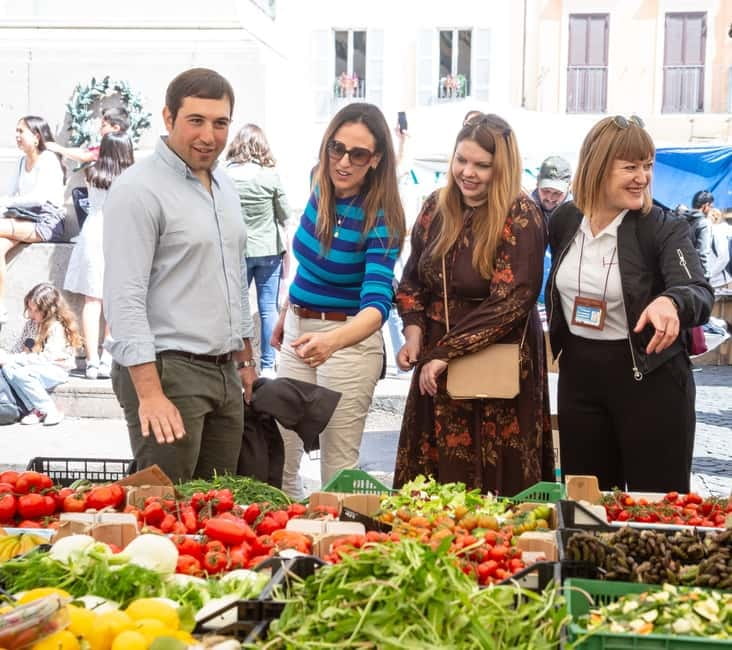
- Campo de’ Fiori food-market energy (morning tours): you get a chance to taste and browse the local market scene
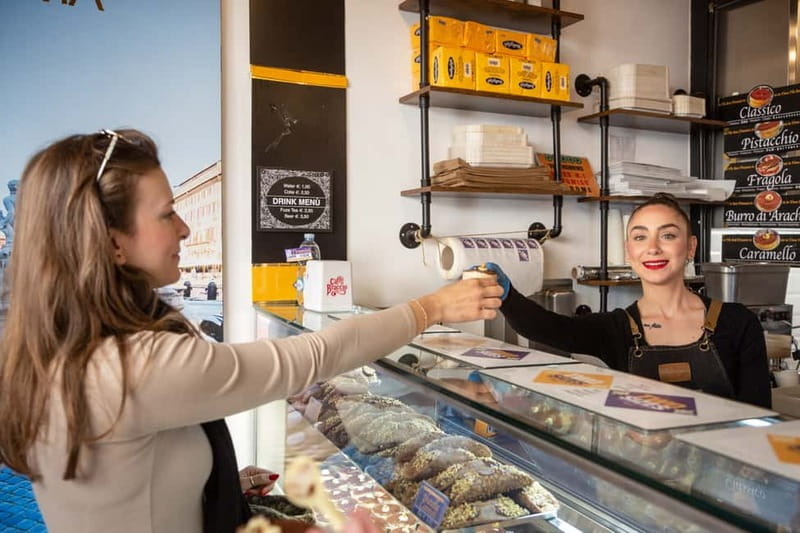
- A smart spread of Roman staples: supplì, porchetta panini, Roman-style pizza, and gelato in one route
- Jewish Ghetto focus: you’ll learn why fried artichokes matter here and see the neighborhood landmarks as you eat
- Landmarks between bites: Passetto del Biscione, Portico d’Ottavia, Teatro Marcello, and Largo di Torre Argentina show up along the way
- A gelato finish that’s easy to remember: you end at Gunther Gelateria for the sweet landing
- Guides who explain the why: you’ll hear history tied to the food you’re tasting, not random facts
Why Campo de’ Fiori and the Jewish Ghetto is the best setup for street food
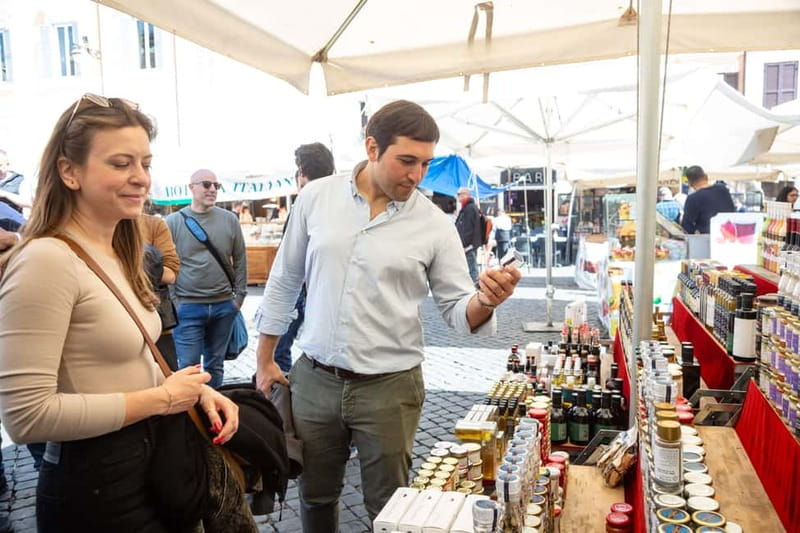
This part of Rome isn’t just scenery—it’s where the city’s everyday life shows up. Campo de’ Fiori gives you that classic street-level Italy feeling: open air, snack smells, and people doing errands and grabbing lunch. Then the walk shifts toward the Jewish Ghetto, where the food story has deeper roots and the streets feel distinct in a way you can actually sense while you stroll.
That pairing matters because Rome food isn’t one single style. Even when you’re eating “street food,” you’re tasting different local identities: Roman market snacks, Jewish-Italian traditions, and the everyday comfort foods you’d see sold from counter to counter. This tour makes you notice those differences, instead of treating everything like the same slice of pizza-but-everywhere.
You’ll also get your bearings quickly. Many people start Rome with the big ticket sights and only later realize the best wandering happens around the smaller blocks. This route nudges you into that mindset: eat first, then look around with new context.
You can also read our reviews of more food & drink experiences in Rome


Meeting near Piazza Navona: the 2.5-hour pacing that keeps it fun
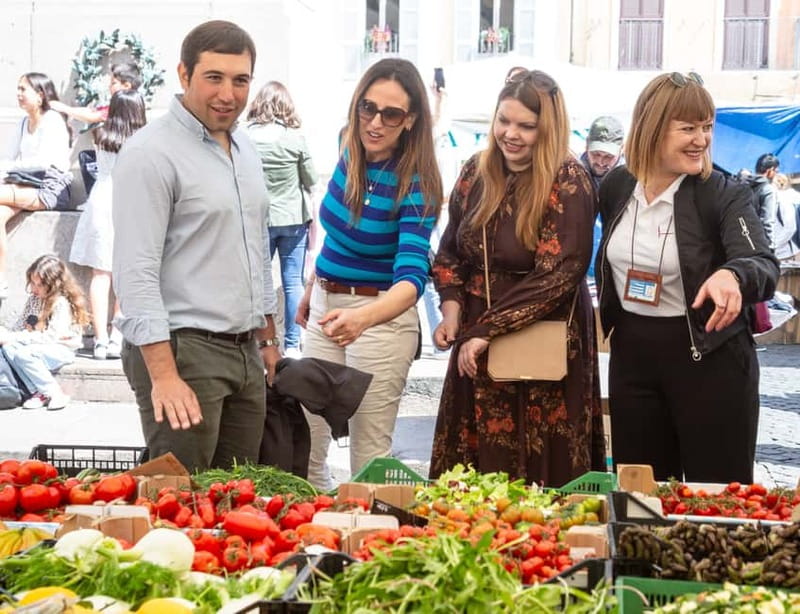
You meet your guide at the fountain in the center of Piazza di San Simeone. From there, the tour moves on foot with frequent short stops. The rhythm is built for food: walk a bit, taste something, then walk again. In 2.5 hours, that prevents the usual problem with food tours where you end up stuffed and still walking for ages.
The route also mixes “stop and eat” time with “pass by and look” time. Along the way you’ll pass Chiostro del Bramante and you’ll have sightline moments around major spots like Pantheon (you pass by it) and Largo di Torre Argentina (another key historical point where you stop briefly to see the area). You’re not stuck only in alleys. You get the street feel and the big-city landmarks without the pressure of making every photo perfect.
Comfort note: the activity is listed as wheelchair accessible, which is a real advantage for anyone who doesn’t want a purely stairs-and-surprises tour. Still, since it’s a walking tour, bring your comfortable shoes. Rome rewards you for walking, but it punishes sloppy footwear.
The market stop and morning-only tastings you’ll want to plan around
If you can, choose a morning tour. That’s when the Campo de’ Fiori part becomes more than just scenery. The morning format includes a stop for the lively local fruit market, plus an extra tasting component that centers on Italian pantry flavors.
Morning tastings can include olive oil, truffle, and vinegar (offered on the morning tours). That might sound like a side quest, but it’s actually useful. These are the building blocks behind a lot of Roman flavor: sharp vinegar notes, the earthy depth people chase with truffle, and olive oil that tastes different depending on how it’s made. When you try these early, the rest of your bites make more sense.
Even if you’re not a foodie-nerd, you’ll probably appreciate having these tastes as a reference point. Then when you get to something fried, something sauced, or something topped with cheese and cured pork, you can pick up the differences in flavor logic instead of just thinking, That’s good.
What you eat: porchetta panini, Roman pizza, supplì, and gelato
The tour’s tastings are designed to walk you through Roman classics in a logical order—start with the comfort foods, add texture, then end sweet.
Here’s what you can expect to taste:
- Panini with porchetta
This is the hearty, right-away flavors stop. You’ll get tender, savory pork tucked into a handheld format—exactly what Roman street life looks like when lunch is on the move.
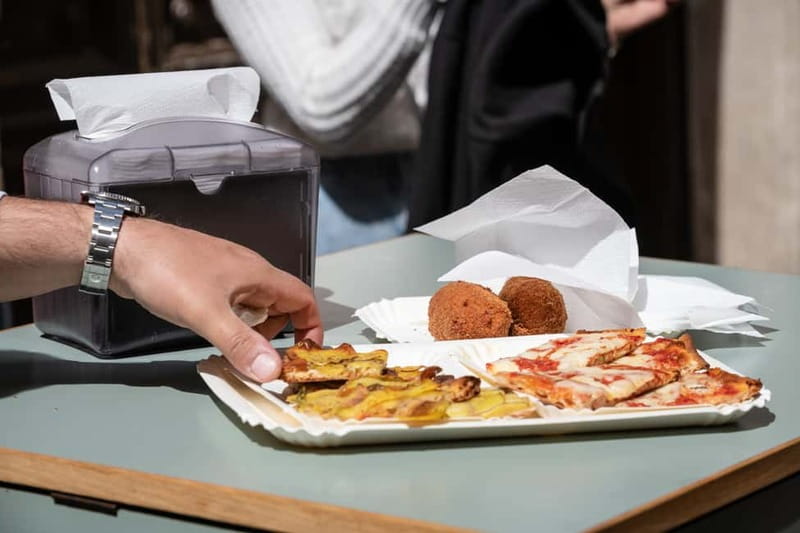
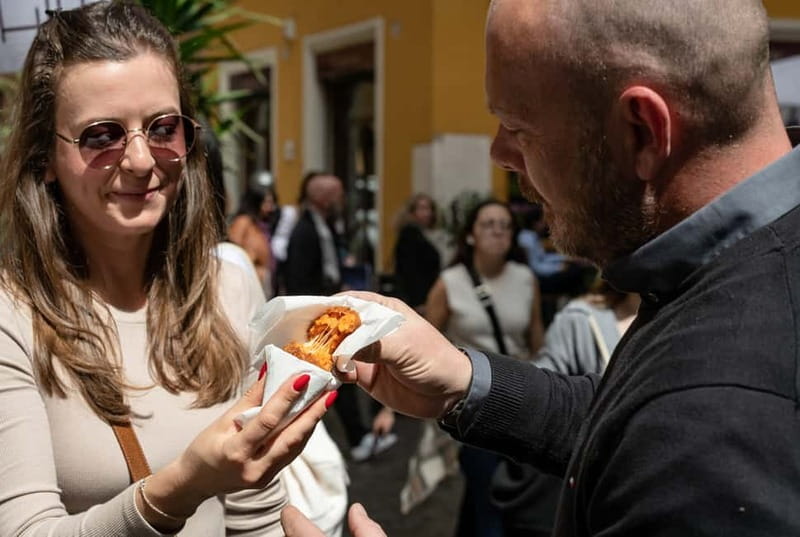
- Supplì (deep-fried rice balls)
Supplì are famous for a reason: crisp outside, hot center, and that satisfying bite where you feel the fried coating give way. It’s one of those foods you only fully appreciate when you eat it fresh.
- Roman-style pizza
Expect a classic style of pizza served in a slice format that feels made for walking.
- Fried artichokes (Carciofo alla Giudia)
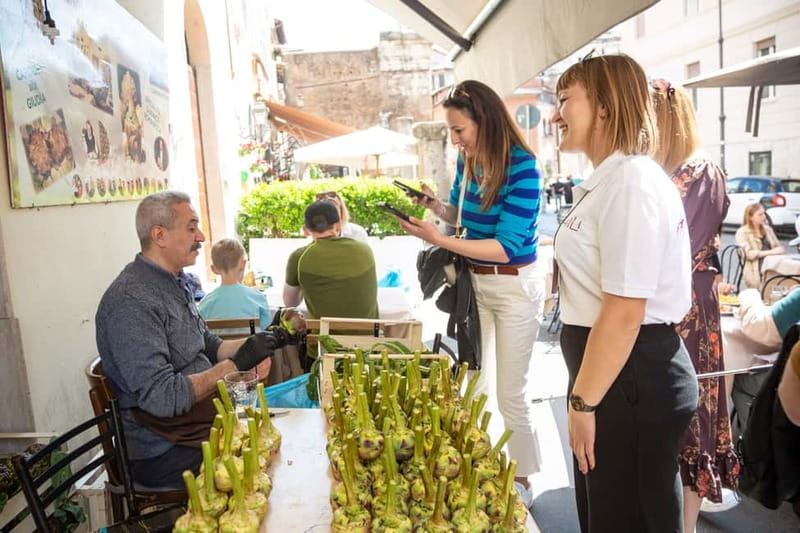
This is the signature Jewish Ghetto dish on the itinerary, and it brings crunch and intensity in a way that complements the earlier fried bites.
- Artisanal gelato
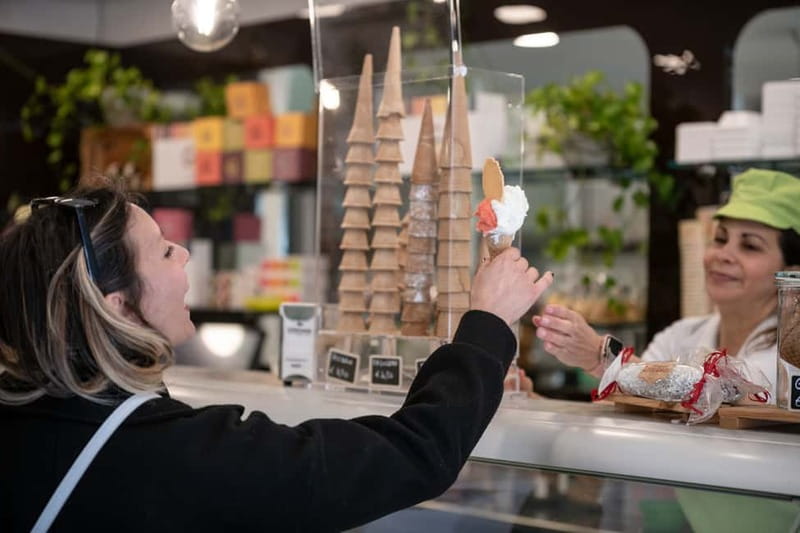
Not just any scoop. The finish is gelato from Gunther Gelateria, which makes the end feel like a reward you can look forward to.
Vegetarian options are available, but it is still not a vegan tour. If you’re vegetarian, tell your guide about preferences ahead of time so the substitutions match what you’ll actually want to eat.
One more practical angle: drinks aren’t included. That’s common on food tours, but it changes how you should plan your water strategy. If you know you get thirsty while walking, pick up water before the tour starts or plan to buy it during breaks.
Supplì texture, Roman pizza style, and the big moment: Carciofo alla Giudia
If you’re going to remember just one part of the flavor story, make it Carciofo alla Giudia. Fried artichokes are iconic in the Jewish Ghetto—and this tour is built around that moment. The artichoke is cooked until the outside gets crisp and the inside stays tender, creating a contrast that feels different from typical fried appetizers.
Then there’s the supplì, which sets you up for noticing texture. The rice is shaped and fried so you get that snap-and-creamy feel in the center. Supplì can taste simple at first glance, but once you bite you realize it’s all about balance: salt, crunch, and heat.
Roman pizza sits in the middle of the tour’s flavor arc. It’s a break from deep-frying, even if it’s still a street-food classic. Pizza gives you a different satisfaction: cheese and toppings melting together with that Roman-style approach.
Altogether, the food lineup works because it doesn’t repeat the same type of bite five times in a row. You get crisp, savory, sauced, and sweet in a tight loop.
You can also read our reviews of more tours and experiences in Rome





Jewish Ghetto walking: Portico d’Ottavia, Turtle Fountain, and what fried food signals
The Jewish Ghetto portion is more than a sightseeing detour. It’s where the tour connects the neighborhood to the food tradition you’re tasting. As you walk, you’ll see major references like:
- Portico d’Ottavia
- Turtle Fountain
- the Jewish Ghetto area itself
These stops help you understand why certain foods belong here. Food traditions travel through community, and over generations they become local identity. So when you eat Carciofo alla Giudia, it’s not just a plate in front of you—it’s a small piece of a larger cultural story tied to this neighborhood.
And the area is visually specific too. It feels like you’ve turned a corner into a different Rome layer. That makes the tastings land harder. It’s the kind of tour where you notice the streets as much as the snacks.
Landmarks you’ll pass or pause for: Teatro Marcello and Largo di Torre Argentina
One of the nicest surprises in this tour is that you don’t only eat and walk. You also connect the bite-by-bite experience to major Roman touchpoints.
Two standout landmark moments:
- Teatro Marcello: you pass by it, and it’s one of those places that makes you realize Rome built entertainment into its DNA.
- Largo di Torre Argentina: this is linked to the assassination of Julius Caesar, and the stop gives the story some physical space.
You’ll also pass by Pantheon and see Passetto del Biscione / the Piazza and Passetto area along the way. It’s not a strict guided architecture lecture, but it keeps you oriented. You’re eating while learning how the city’s past sits in the same streets you’re eating on.
That balance is what makes this feel like value instead of just another food crawl.
Gelato at the end: making the sweet finish count at Gunther
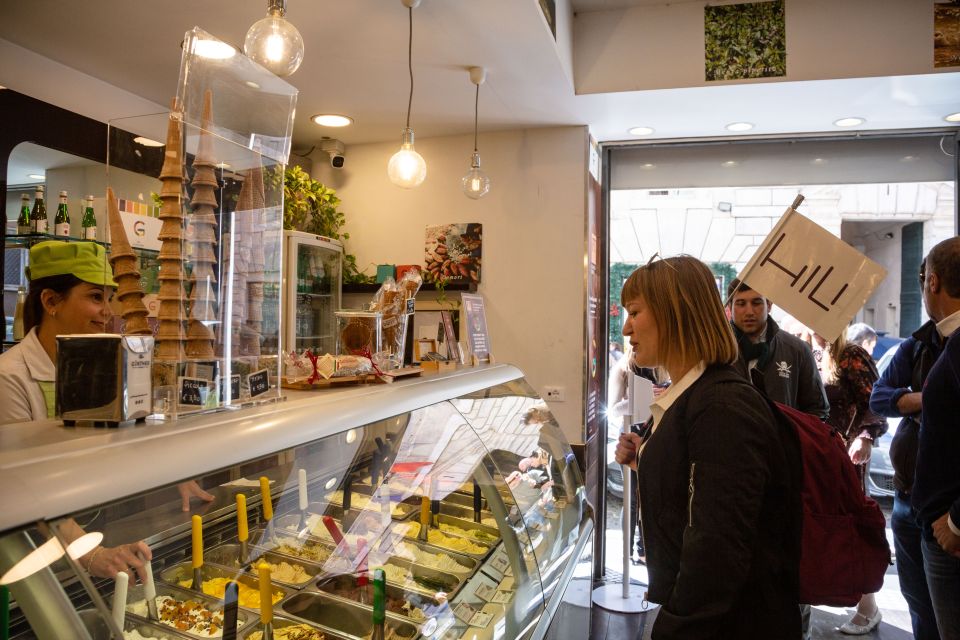
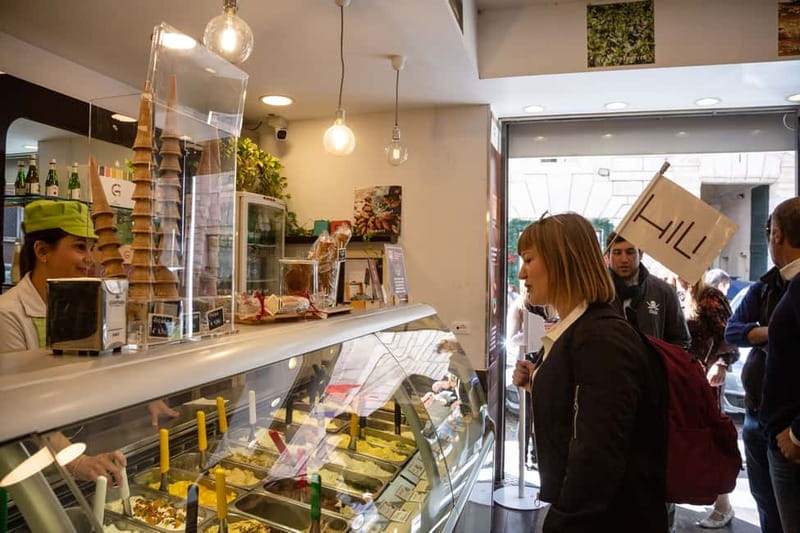
The tour ends with artisanal gelato at Gunther Gelateria. It’s a smart finish because it’s both a reward and a palate reset. After fried foods and savory bites, gelato gives you something lighter and cooling, so you don’t feel like the tour ends when you’re already done eating.
Also, gelato is one of the easiest foods to compare. If you’re planning to do other gelato stops later, you’ll have a baseline scoop from this tour to judge texture and flavor intensity.
When you finish, you’ll have a much better sense of which neighborhoods you want to revisit. This tour tends to make you want to wander more on your own, which is exactly what you should do after a guided start.
Price and value: is $36 worth it?
For $36 per person over about 2.5 hours, this is priced like a street-food tasting that also includes guide time. You get five tastings plus market coverage (on morning tours) and a walking route with major landmark context.
What makes the value feel real is the mix:
- enough food that you leave satisfied
- enough walking and stories that you feel like you learned something
- landmark points that save you from having to figure out the logic of this area by yourself
If you were paying only for food, you could easily spend that much just grabbing bites from random spots. The guided part is what stretches the money into a more complete experience.
Who should book this Rome food tour (and who should skip)
This tour is best for you if:
- you want street food plus neighborhood context, not just snacks
- you’re okay with a walking-focused experience
- you’re planning your trip and want food recommendations for later days
It might be a mismatch if:
- you’re vegan (it is listed as not suitable for vegans)
- you have gluten intolerance (it is listed as not suitable)
- you need a very low-effort, sit-down-only outing (it’s a walking route)
Allergy and dietary restrictions matter here. The tour asks you to tell the operator about allergies and dietary limits ahead of time, so you can get proper substitutions—or decide if the tastings will be safe for you.
Should you book this Rome street food tour?
Yes, if you want a fast, flavorful way to learn how food and place connect in Rome—especially around Campo de’ Fiori and the Jewish Ghetto. It’s a good pick for a first-time Rome visit because it gives you both a map and a taste guide for what to chase later.
I’d especially book it early in your trip. That’s when the guide’s recommendations tend to be most useful, since you still have time to act on what you learn. And if you care about the signature dishes—supplì and Carciofo alla Giudia—this is one of the easiest ways to make sure you actually get them in a single evening or morning.
FAQ
How long is the Rome: Eat Like a Roman Ghetto & Campo de’ Fiori Food Tour?
It lasts about 2.5 hours.
Where do I meet my guide?
You meet at the fountain in the center of Piazza di San Simeone.
What foods are included in the tastings?
The tour includes tastings such as panini with porchetta, supplì, Roman-style pizza, fried artichokes (Carciofo alla Giudia), artisanal gelato, and (on morning tours) olive oil, truffle, and vinegar tasting.
Is there a market stop?
Yes—morning tours include a stop at Campo de’ Fiori with a local fruit market.
Are there vegetarian options?
Yes, vegetarian options are available.
Is the tour suitable for vegans or people with gluten intolerance?
It is not suitable for vegans and it is not suitable for people with gluten intolerance.
What language is the tour guide, and is it wheelchair accessible?
The tour is in English, and it is listed as wheelchair accessible.