REVIEW · ROME
Rome: Domus Aurea Guided Tour and Virtual Reality Experience
Book on GetYourGuide →Operated by C.I.S. Tours. · Bookable on GetYourGuide
Nero’s palace comes with VR in Rome. This Domus Aurea tour pairs a live guide with Oculus-style VR reconstruction of the Golden Vault, so you don’t just look at ruins—you get a clearer sense of what Nero’s Golden House may have felt like. I also like that the visit is organized around the major spaces people come for, with the guide connecting what you see to why it was built.
I especially like the room-to-room flow: you move through standout areas like the Octagonal Hall and the Hall of Birds, with explanations that include how Romans used concrete and why Nero was trying to link grand palatine space with garden areas. One big consideration: this experience isn’t suitable for people with claustrophobia, since parts of the complex can feel enclosed.
In This Review
- Quick hits before you go
- Domus Aurea + VR: A smarter way to see Nero’s Golden House
- Meeting at Colosseo: how to start the 90-minute clock smoothly
- The VR moment in the Golden Vault: what it changes for your visit
- Guided rooms you’ll actually remember: Octagonal Hall, Cryptoporticus, Hall of Birds
- Octagonal Hall
- Cryptoporticus
- Hall of Birds
- Concrete, decoration, and one ambitious ruler: why this complex mattered
- What the storytelling adds (and the limits of VR)
- Timing and pacing: 1.5 hours that doesn’t feel rushed
- Comfort and practical tips: cold rooms, shoes, and what not to bring
- Price and value at $67: what you get for your money
- Who should book this Domus Aurea VR tour?
- Should you book Domus Aurea with VR and a live guide?
- FAQ
- Where is the meeting point for the Domus Aurea tour?
- How long is the experience?
- What does the price include?
- Does this tour include skipping the ticket line?
- What languages are available for the live guide and audio guide?
- What should I bring?
- What is not allowed during the tour?
- How early do I need to arrive?
- Is this tour suitable for wheelchair users or people with mobility impairments?
- What is the cancellation policy?
Quick hits before you go
- VR + live guide: the Oculus VR segment is built into the visit, not tacked on later.
- Nero’s Golden Vault, reconstructed: you get a visual sense of what the space may have looked like.
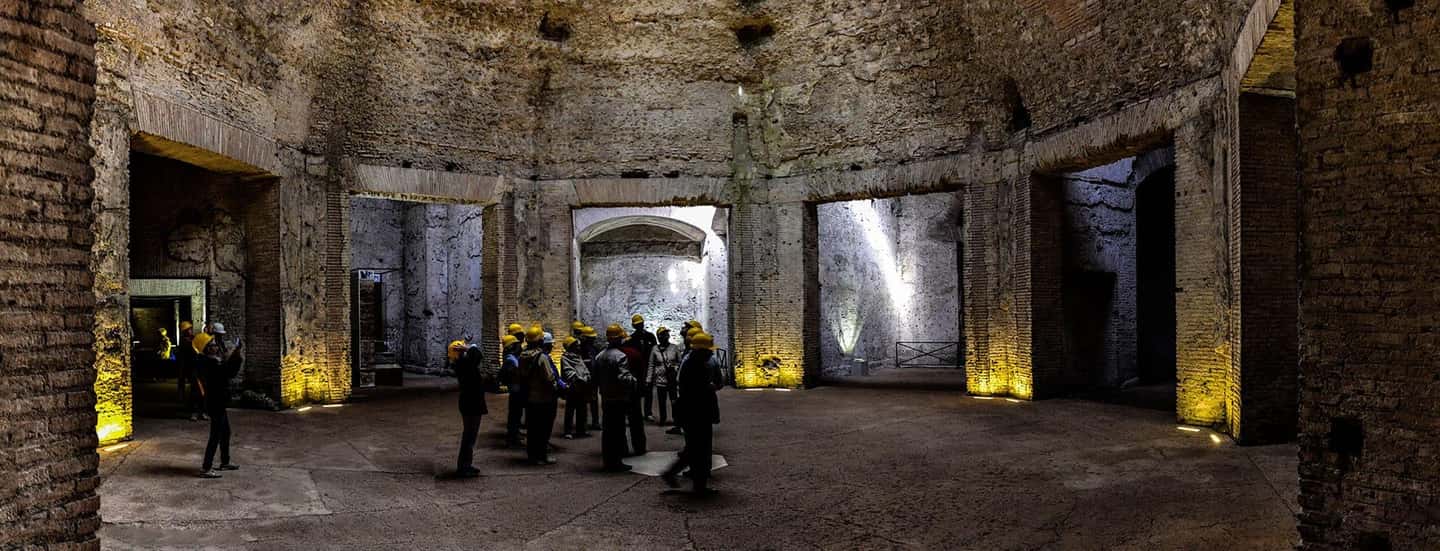
- Iconic rooms in one loop: Octagonal Hall, Cryptoporticus, and the Hall of Birds are on the route.
- Concrete gets explained: you’ll learn how building materials shaped what you can still see today.
- Short, structured timing: about 1.5 hours total, with 70 minutes of guided touring.
- Multi-language support: live guide and audio guide are offered in Italian, English, French, and Spanish.
Domus Aurea + VR: A smarter way to see Nero’s Golden House
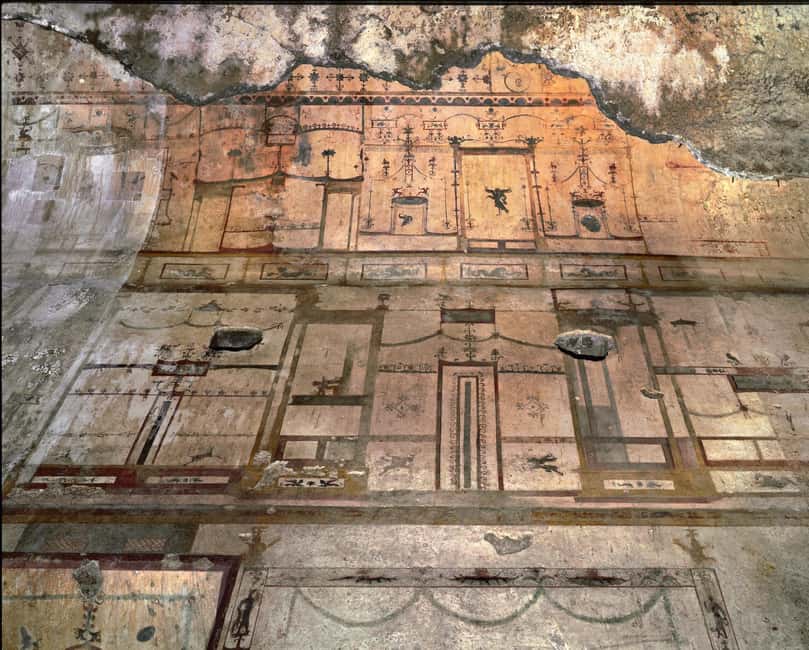
The Domus Aurea experience works because it answers a common problem at ancient sites: the ruins are fascinating, but they can feel incomplete. Here, the tour adds a VR reconstruction inside the Domus Aurea route, aiming to show the rooms the way archaeologists and historians presume they originally appeared.
What I like is that the VR isn’t just a sci-fi distraction. It’s tied directly to the Golden House setting you’re walking through. In other words, you don’t watch a separate “Rome VR show” and leave; you’re still in the same overall context—Nero’s world of decorative spaces, vaulted rooms, and big design choices.
And the whole thing is built around storytelling: a multisensory video-style project that helps you connect the decorative apparatus and famous Roman painting areas to the overall ambition of the complex. It’s a useful mix of big picture and specific rooms.
You can also read our reviews of more guided tours in Rome



Meeting at Colosseo: how to start the 90-minute clock smoothly
This tour begins at the Colosseo area. You meet in front of the Colosseo metro station—specifically the lower floor at street level—near the green kiosk. Look for staff with the C.I.S Tours sign.
You also need to plan for timing. Each customer is required to arrive 20 minutes before your booked activity, and the tickets are nominative, meaning they require participant names. If you’re the type who hates rushing, build in extra buffer time anyway—because once you’re late, you’ll likely lose the smooth start you want.
Tip: wear comfortable shoes. The visit is focused on walking inside an archaeological setting, and you’ll be on your feet for the guided portion (70 minutes inside the Domus Aurea experience), plus the pre-tour check-in.
The VR moment in the Golden Vault: what it changes for your visit
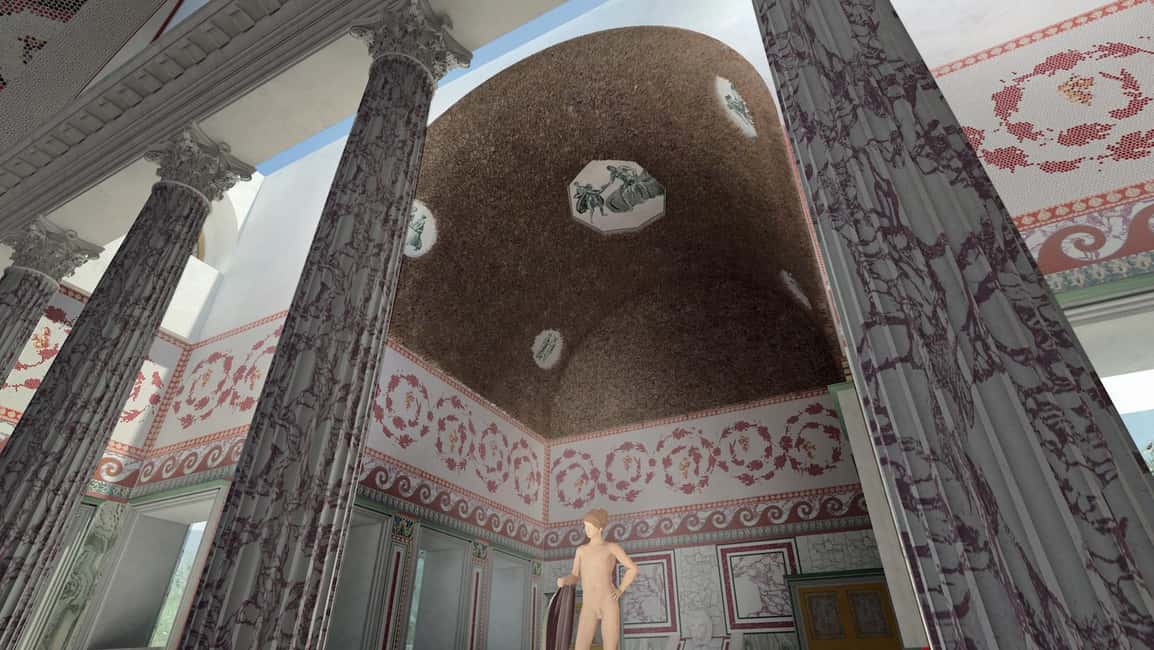
The highlight is the Oculus Virtual Reality experience integrated into the guided tour. You’ll enter the Domus Aurea route and then experience a short VR segment designed around the Golden Vault room—presented as it must have looked in Nero’s time.
Here’s the practical value: it gives your brain a reference frame. Without VR, you can still enjoy the site, but you might spend the whole visit asking yourself what’s missing, what the ceiling likely looked like, and how the space was meant to be used. With VR, those questions get at least partly answered while you’re still there.
Also, the tour ties the visual reconstruction to real explanations. You’re not asked to treat VR as a replacement for archaeology. It’s used to help you understand the “presumed original appearance” while the guide points out what’s preserved and what’s been interpreted through research.
If you’re worried about comfort in headsets or enclosed spaces, remember that this isn’t a recommended choice for claustrophobia. Plan accordingly.
Guided rooms you’ll actually remember: Octagonal Hall, Cryptoporticus, Hall of Birds
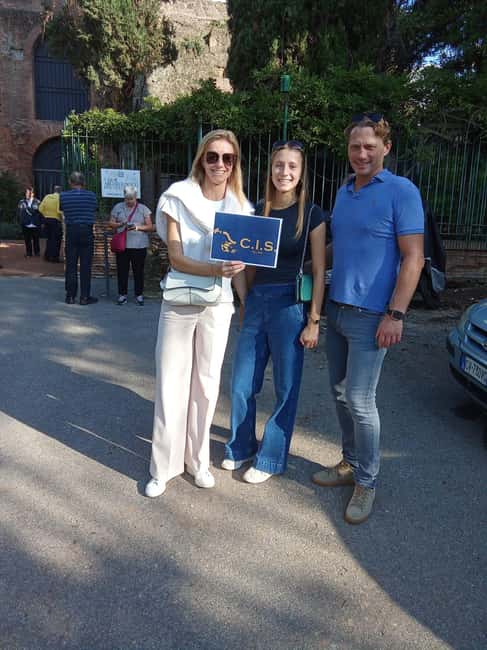
The tour is structured around key areas inside the Domus Aurea complex. You’ll visit rooms and spaces that are famous for form and decoration, with the guide helping you connect what you see to Nero’s overall plan.
Octagonal Hall
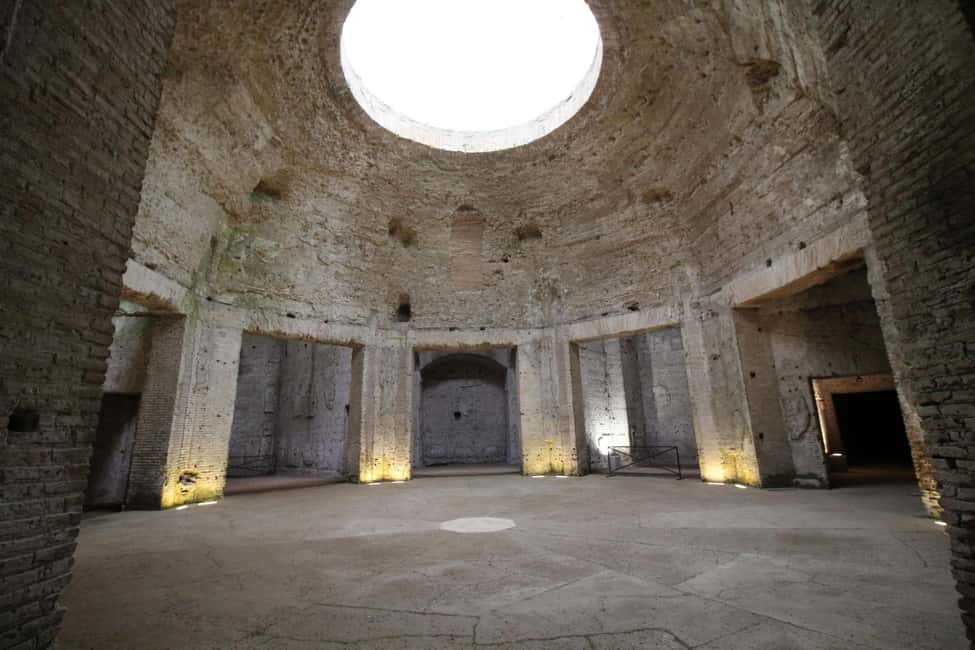
The Octagonal Hall is one of the anchors of the visit. The value here is simple: it’s a visually distinctive space, and the guide uses it to help you understand how the design supported decorative programs. Even if you’re not a Roman architecture specialist, the guide’s explanations are meant to make the geometry feel meaningful rather than random.



Cryptoporticus
Then comes the Cryptoporticus. This is the kind of space that can feel like a “behind-the-scenes” corridor—yet it’s exactly the sort of area where a guide’s context matters. You’re not just walking; you’re learning how this complex was organized and how different zones likely related to the overall residence.
Hall of Birds
Finally, you’ll reach the Hall of Birds. This is one of those Rome moments where decoration is the point. The tour frames the decorative apparatus as a major reason the Domus Aurea earns special recognition—especially for its outstanding examples of Roman painting. In practical terms, this is where your eyes have permission to linger, because you’ll have context for what you’re looking at.
Across all these spaces, the tour also keeps returning to the big theme: Nero’s desire to create a dynastic residence that could feel on the scale of major palaces. You’ll hear how he aimed to unite palatine homes with large Esquiline gardens, using the space to build a grand, court-like environment.
Concrete, decoration, and one ambitious ruler: why this complex mattered
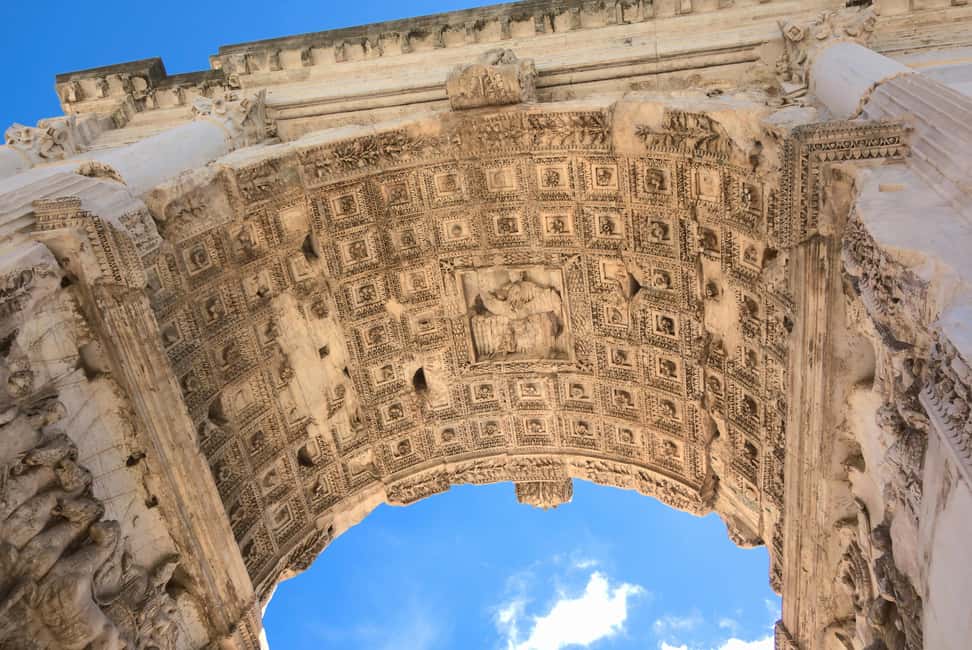
One of the most specific learnings on this tour is the use of concrete as a building material. That detail matters because it’s not just trivia. Concrete helps explain why you can still find the kinds of large-scale vaulted and monumental spaces that make the Domus Aurea so compelling.
Then there’s the human side: Nero’s vision. The tour explains how he wanted to unite palatine homes with the large Esquiline gardens, creating a dynastic residence on a scale comparable to Hellenistic palaces—complete with a court and some productive activities.
Even if you already know Nero’s reputation, this framing adds a layer that’s useful for your visit. The tour doesn’t just present wild stories. It connects the palace fantasy to how the space was organized and built, including how materials and design choices supported that sense of power.
And because the visit focuses on decoration—one of the most interesting examples of Roman painting—you’re seeing both sides of the same coin: engineering that allows big rooms, plus visual programming that turns those rooms into a statement.
What the storytelling adds (and the limits of VR)
The tour’s video-style storytelling and VR segment aim to bring back what time and collapse have taken away. That’s a strong approach, because the Domus Aurea is not a “complete building” you can walk through like a modern museum. It’s an archaeological complex, and the experience depends on interpretation.
So what VR helps with:
- Understanding space relationships in the Golden Vault room
- Getting a clearer idea of the presumed original appearance while you’re still on-site
- Making the decorative explanations feel anchored to a physical layout
What VR doesn’t replace:
- The guide’s room-by-room context, especially when you’re learning about specific features like the Hall of Birds and how concrete played a role
- The tactile reality of being in the site—texture, scale, and the preserved elements you can see directly
If your expectation is that VR will “finish” the Domus Aurea for you, you might end the tour wanting more reconstruction. If your expectation is that VR gives you a helpful layer of interpretation, you’ll likely find it useful and memorable.
Timing and pacing: 1.5 hours that doesn’t feel rushed
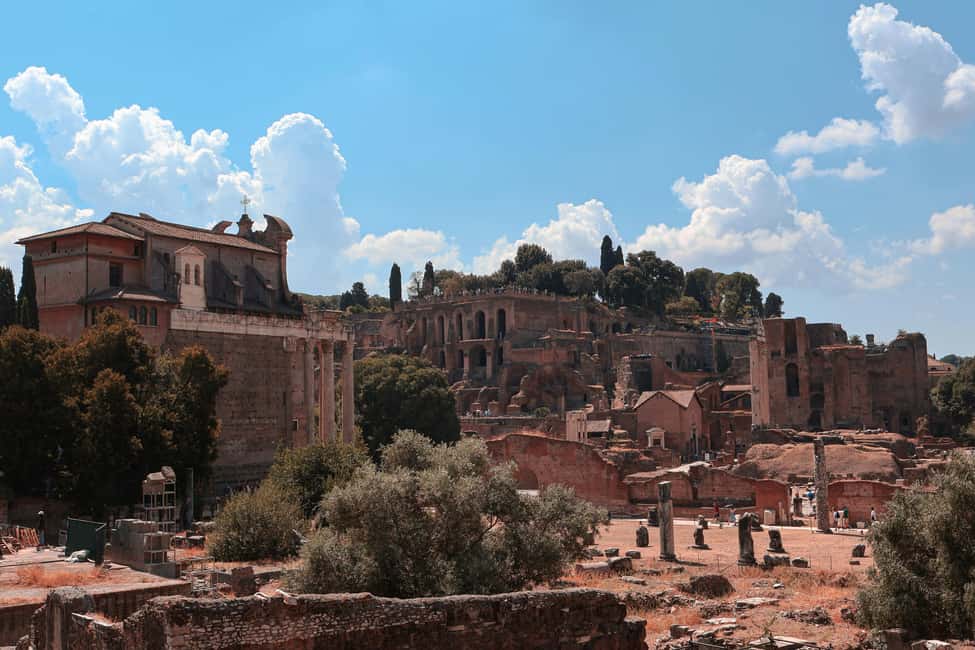
The total duration is about 1.5 hours, with the guided tour lasting 70 minutes. That’s a solid length for this kind of site because it gives you enough time to move between the major areas without dragging on.
Pacing matters here because you’re dealing with a lot at once: walking, listening to explanations, viewing decorated spaces, and then stepping into a VR segment. The short timing also helps you keep the experience cohesive instead of feeling like you’ve been “waiting for the best part.”
Just keep in mind that temperatures inside the Domus Aurea can be around 10 degrees. A jacket isn’t optional if you run cold.
Comfort and practical tips: cold rooms, shoes, and what not to bring
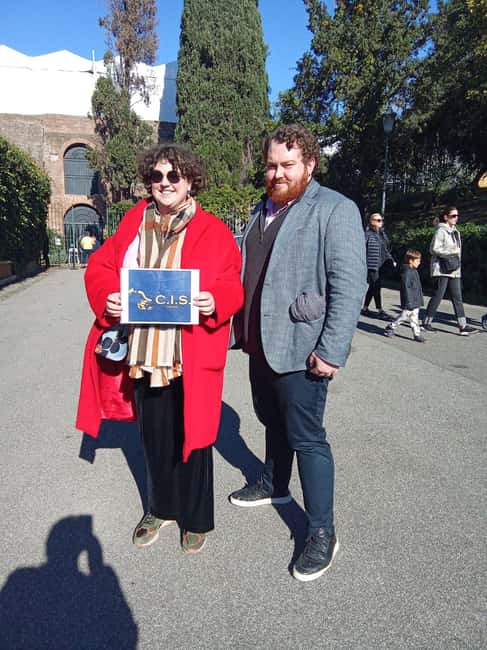
Plan for a chill interior. The temperature is around 10 degrees inside the Domus Aurea, so bring a jacket even if Rome feels mild outside.
Also, the tour has straightforward rules:
- Don’t bring food and drinks.
- Avoid luggage or large bags.
- Don’t plan for unaccompanied minors (they’re not allowed).
- Bring a passport or ID card, and bring a passport or ID card for children too.
If you’re thinking about sound: some visitors report that acoustics inside the Domus Aurea can make it harder to catch every detail. The guide’s information is the main source of clarity, so choose a position where you can see and hear comfortably, and don’t hesitate to ask questions when there’s a chance.
Price and value at $67: what you get for your money
At $67 per person, this tour isn’t the cheapest add-on in Rome. But it’s also not charging like a “museum ticket plus nothing.” You’re paying for a few concrete pieces:
- Ticket to the Domus Aurea
- Guided tour
- Virtual reality experience
- All taxes and fees
- Skip-the-ticket-line access
On value, the key is that the experience combines three things most Rome visitors do separately: entry, guided context, and a technology-based reconstruction element. If you’re already planning to see Domus Aurea anyway, the bundled guide + VR format is often what makes the difference between a quick look and a visit that sticks in your mind.
You also get audio support in multiple languages (Italian, English, French, Spanish). That means you can follow along even if you step back for photos or need a moment to orient yourself inside the complex.
Who should book this Domus Aurea VR tour?
This is a strong fit if you:
- Want a guided route through the key spaces like the Octagonal Hall, Cryptoporticus, and Hall of Birds
- Like when modern tech is used to explain what can’t easily be seen at first glance
- Appreciate Roman decorative programs and want context for what the painting and decorative apparatus are meant to communicate
- Prefer a short, structured visit (about 1.5 hours) over an open-ended museum wander
This is not the best choice if you:
- Have mobility impairments or use a wheelchair (the tour is not suitable for wheelchair users and mobility impairments)
- Have claustrophobia (the tour is not suitable)
Should you book Domus Aurea with VR and a live guide?
If you’re excited by Nero’s Golden House concept but worried you’ll feel lost among ruins, I’d book it. The guided tour structure plus the Oculus VR Golden Vault reconstruction is designed to give you a sense of the original experience while still grounding you in what’s preserved and what building choices made those spaces possible.
If you hate cold interiors, cramped spaces, or VR headsets don’t appeal, then this may not be your best match. But if you can handle a jacket and you’re comfortable in enclosed areas, this is one of the more thoughtful ways to see Domus Aurea—because it doesn’t treat the site as just a static stop. It turns it into a story you can follow room by room.
FAQ
Where is the meeting point for the Domus Aurea tour?
Meet in front of the Colosseo metro station (lower floor at street level), near the green kiosk. Look for the staff with the C.I.S Tours sign.
How long is the experience?
It lasts 1.5 hours total, with the Domus Aurea guided tour portion listed as 70 minutes.
What does the price include?
The price includes the Domus Aurea ticket, a guided tour, the virtual reality experience, and all taxes and fees.
Does this tour include skipping the ticket line?
Yes, skip-the-ticket-line access is included.
What languages are available for the live guide and audio guide?
The live guide is available in Italian, English, French, and Spanish. The audio guide is also available in Italian, English, French, and Spanish.
What should I bring?
Bring a passport or ID card, comfortable shoes, and a jacket (the temperature inside the Domus can be around 10 degrees). Children also need a passport or ID card.
What is not allowed during the tour?
Food and drinks are not allowed. Luggage or large bags are not allowed, and unaccompanied minors are not permitted.
How early do I need to arrive?
You must arrive at the meeting point 20 minutes before the booked activity.
Is this tour suitable for wheelchair users or people with mobility impairments?
No. It is not suitable for wheelchair users or people with mobility impairments.
What is the cancellation policy?
You can cancel up to 3 days in advance for a 60% refund.